Lyon’s Gastronomy Citadel: 6 Permanent Spaces To Explore
Discover the historic Grand Hôtel-Dieu transformed into a hub celebrating French culinary heritage, health, and sustainable eating practices.
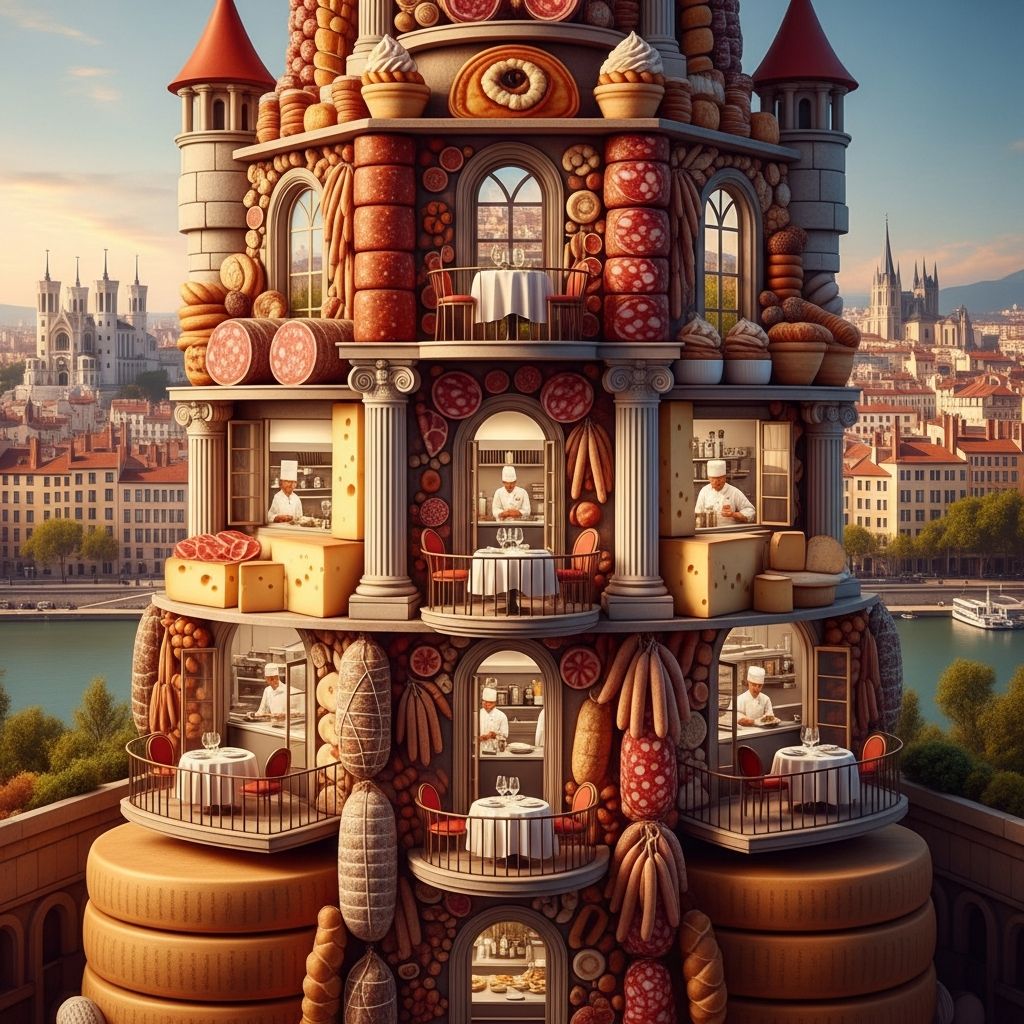
Nestled along the Rhône River in the heart of Lyon, the Cité Internationale de la Gastronomie stands as a testament to the city’s enduring title as the gastronomic capital of the world. Housed within the majestic Grand Hôtel-Dieu, this cultural venue dedicates 4,000 square meters across four floors to celebrating the joys of food, its ties to health, and sustainable practices. Inspired by UNESCO’s 2010 inscription of the French gastronomic meal as intangible cultural heritage, the site connects visitors with the pleasures of cultivation, preparation, and communal dining.
Historical Foundations in a Renaissance Masterpiece
The Grand Hôtel-Dieu, founded in the 12th century, evolved from a medieval hospital into a Renaissance architectural icon. Its iconic dome, designed by Jacques-Germain Soufflot—the architect behind Paris’s Panthéon—dominates the skyline near Place Bellecour. Originally a hub for healing, the building featured gardens for medicinal herbs, bustling kitchens, and refectories that fed staff and patients alike. These elements naturally lend themselves to a modern exploration of nutrition and wellness.
After centuries of service, the site underwent extensive restoration, reopening in phases. Today, it blends luxury— with the InterContinental Lyon Hôtel-Dieu and gourmet restaurants—with cultural immersion. The gastronomy citadel occupies the oldest wing, preserving its historical aura while introducing interactive spaces that bridge past healing practices with contemporary food science.
A Thematic Journey Through Food and Well-Being
At its core, the citadel promotes the interplay between diet and health, encapsulated in six permanent spaces accessible to all ages. Visitors embark on a sensory path from elite cuisine to everyday meals, emphasizing seasonality, pleasure, and inclusivity. Chef Régis Marcon, a Michelin-starred figure and strategic advisor, champions a vision where excellence meets diversity, fostering an “art de vivre” rooted in French traditions.
- Health and Nutrition Focus: Exhibits delve into how food influences vitality, drawing from the building’s apothecary history with herbal remedies and balanced diets.
- Family-Oriented Zones: The “Miam Miam” children’s area uses fairy-tale-inspired games to teach nutrition playfully.
- Sustainable Practices: Discussions on ecological farming and future food systems highlight environmental impacts.
Interactive elements like workshops, tastings, and debates encourage participation from food professionals, locals, and tourists, creating a vibrant exchange hub.
Interactive Experiences and Educational Offerings
Beyond static displays, the citadel pulses with hands-on activities. Culinary ateliers guide participants through traditional techniques, while themed tours explore emotional and cultural dimensions of eating. Temporary exhibitions rotate to cover nutrition, heritage ingredients, and global influences on Lyon’s terroir-driven cuisine.
| Experience Type | Description | Target Audience |
|---|---|---|
| Workshops | Hands-on cooking with seasonal produce | All ages |
| Exhibitions | Interactive displays on food history and health | Families, foodies |
| Conferences | Debates on sustainability and innovation | Professionals, enthusiasts |
| Children’s Play Area | Ludic nutrition education via stories | Kids 3-12 |
These offerings position the site as an inter-generational destination, reinforcing Lyon’s role alongside Dijon, Paris-Rungis, and Tours in France’s network of gastronomy citadels.
Challenges and Temporary Closures
Launched on October 19, 2019, the citadel quickly garnered acclaim for its innovative approach. However, the COVID-19 pandemic led to a closure in July 2020 due to low attendance and financial strains. It briefly reopened before shutting again, with public access halted by early 2025. Despite these hurdles, the space hosted cultural events like the Lyon Biennale, adapting to new convivial formats amid its wellness theme.
Renovations and strategic shifts followed a 2022 relaunch, aiming for broader appeal. Planners focused on affordability and interactivity to boost visitor numbers, addressing critiques of entry fees and accessibility.
Lyon’s Culinary Legacy Amplified
Lyon’s gastronomic prestige, dubbed by critic Curnonsky in 1934, finds perfect expression here. The citadel honors icons like Paul Bocuse through piano tributes and tradition-focused exhibits, weaving personal stories into broader narratives. It underscores the city’s bouchons (traditional eateries), silk-weaver influences on cuisine, and proximity to Beaujolais vineyards.
Surrounding the citadel, the Grand Hôtel-Dieu offers dining options from casual bistros to fine-dining spots, enhancing the experience. Stroll the cloisters, shop artisanal products, or relax riverside, making it a full-day outing.
Practical Visitor Guide
Located at 4 Grand Cloître du Grand Hôtel-Dieu, 69002 Lyon, the site is steps from metro stops and Vieux Lyon. Check official updates for openings, as statuses evolve. Entry typically includes permanent exhibits; special events may require tickets. Combine with nearby attractions like Fourvière Basilica or a saucisson tasting tour.
Frequently Asked Questions
Is the Cité Internationale de la Gastronomie currently open?
As of early 2025, public access was suspended, but monitor for reopenings post-renovations.
What makes Lyon the gastronomy capital?
Its bouchon culture, Michelin-starred chefs, and UNESCO meal heritage solidify this status.
Are there kid-friendly activities?
Yes, the Miam Miam zone offers playful learning on healthy eating.
How does it connect to health?
Permanent spaces link diet, seasonality, and wellness, echoing the site’s hospital origins.
Part of a larger network?
Indeed, one of four French gastronomy citadels with Dijon, Rungis, and Tours.
Future Prospects and Innovations
Looking ahead, the citadel aims to pioneer food education amid climate challenges. Plans include expanded digital tours, chef collaborations, and eco-focused labs. By integrating local producers, it supports Rhône-Alpes agriculture while attracting global food pilgrims. This evolution ensures the venue remains relevant, blending heritage with forward-thinking sustainability.
In a city where food is philosophy, the Cité Internationale de la Gastronomie invites reflection on what nourishes body and soul. Whether savoring a quenelle or pondering sustainable sourcing, it captures the essence of French culinary artistry.
References
- Cité internationale de la gastronomie de Lyon — Wikipédia. 2023-10-15. https://fr.wikipedia.org/wiki/Cit%C3%A9_internationale_de_la_gastronomie_de_Lyon
- Cité internationale de la gastronomie à Lyon : tous à table ! — France.fr. 2022-11-01. https://www.france.fr/fr/article/ouverture-cite-gastronomie-lyon/
- Cité Internationale de la Gastronomie de Lyon — Paul Bocuse. 2019-10-20. https://lescarnetsdevoyage.bocuse.fr/cite-internationale-de-la-gastronomie-de-lyon-lentree-en-musique-du-piano-de-monsieur-paul-quelques-notes-de-tradition-dans-un-univers-de-transmission/
- Cité Internationale de la Gastronomie — Visiter Lyon. 2025-03-01. https://www.visiterlyon.com/sortir/culture-et-loisirs/culture-et-musees/les-musees-de-lyon/cite-internationale-de-la-gastronomie
- La Cité Internationale de la Gastronomie de Lyon – Grand Hôtel-Dieu — La Biennale de Lyon. 2023-05-10. https://www.labiennaledelyon.com/fr/lieux/la-cite-internationale-de-la-gastronomie-de-lyon-grand-hotel-dieu
Similar Articles






Read full bio of medha deb