
Maintaining Physical Fitness During Travel: Essential Guide
Practical strategies to keep your workout routine consistent while exploring new destinations
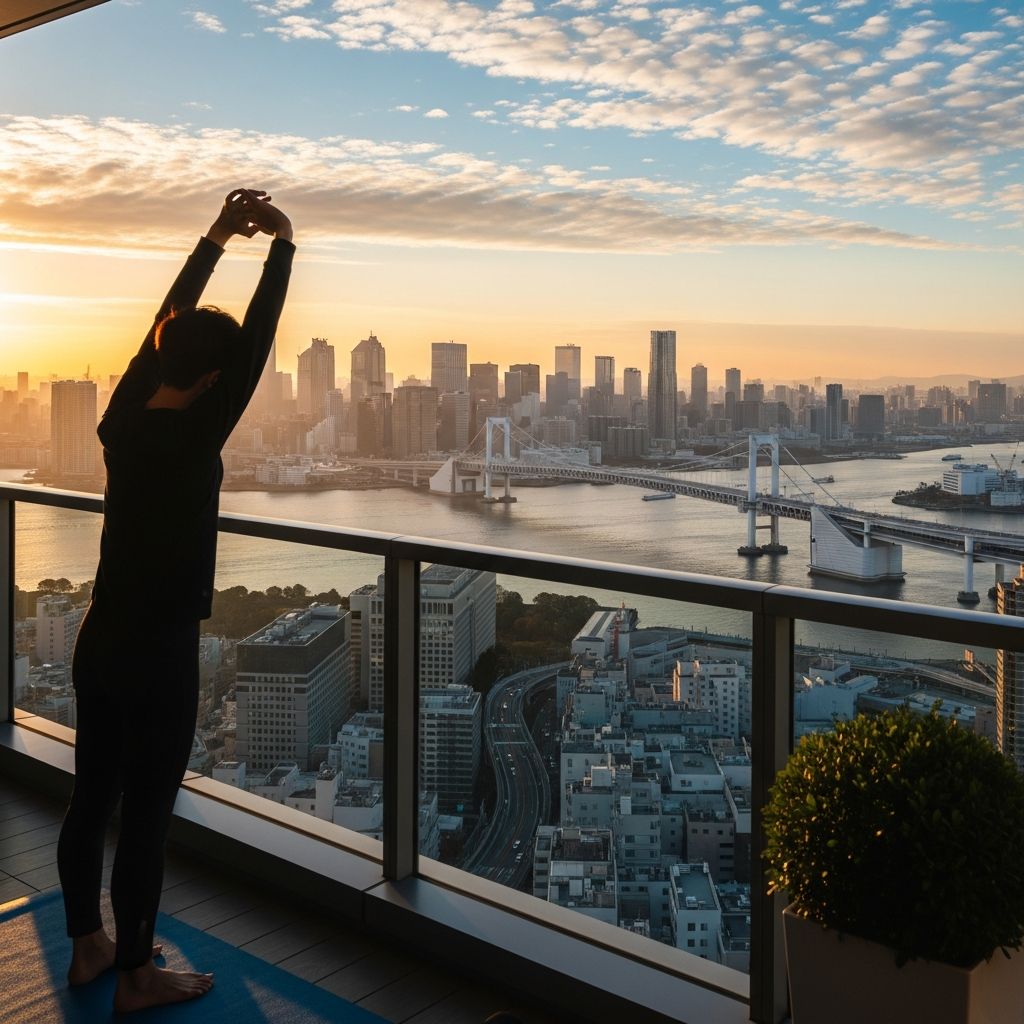
One of the greatest challenges adventurers face is maintaining their fitness regimen while away from their home environment. Whether you’re embarking on an extended vacation, conducting business travel, or pursuing a nomadic lifestyle, physical activity often takes a backseat to exploration and professional obligations. However, with intentional planning and flexible thinking, you can sustain—and even enhance—your fitness levels throughout your travels.
Building a Mindset Around Consistent Movement
The foundation of staying fit while traveling begins not in a gymnasium, but in your perspective. Rather than viewing fitness as an activity confined to specific settings with specialized equipment, reconceptualize movement as an integrated component of your daily existence. This philosophical shift transforms incidental activities into meaningful exercise opportunities.
Embracing movement as a lifestyle choice means recognizing that every opportunity to engage your body contributes to your overall fitness. This approach reduces the psychological pressure of maintaining a rigid workout schedule and instead cultivates a sustainable relationship with physical activity.
Leveraging Walking and Natural Movement
Among the most underutilized fitness tools available to travelers is deliberate walking. Walking serves multiple purposes simultaneously: it functions as cardiovascular exercise, provides mental health benefits, allows you to explore your surroundings, and requires absolutely no equipment or special circumstances.
Rather than treating walking as merely a transportation method, structure your travel days to maximize walking distance. This might involve:
- Choosing accommodations within walking distance of key attractions
- Deliberately selecting longer routes between destinations
- Using stairs instead of elevators or escalators in transit hubs and hotels
- Incorporating walking breaks during extended sitting periods
- Scheduling daily exploration walks independent of sightseeing objectives
The cumulative effect of consistent daily walking during travel often exceeds what many travelers accomplish through formal exercise at home.
Strategic Pre-Travel Fitness Preparation
Before departing, dedicating time to exercise provides immediate physiological benefits. Exercise activates immune-fighting cells in your bloodstream, potentially bolstering your resistance to illness during travel when you’ll encounter unfamiliar pathogens and altered sleep patterns. This pre-departure workout creates a protective buffer for your health during the transition period.
Additionally, engaging in exercise before travel reduces travel-related stiffness and muscular tension, ensuring you arrive at your destination feeling mobile and energized rather than depleted.
Bodyweight Training Systems for Nomadic Fitness
The most adaptable training approach for travelers involves bodyweight exercises that require no equipment and minimal space. These workouts build muscular strength, joint stability, and functional capacity that translates directly into enhanced travel experiences.
Effective bodyweight exercises include:
- Push-ups (wall variations, floor variations, or decline variations using furniture)
- Squats and single-leg variations
- Lunges and walking lunges
- Plank holds and dynamic plank variations
- Pull-ups or horizontal rows (using available structures)
- Calf raises
- Knee tucks and abdominal work
Circuit-based training formats prove particularly effective for traveling populations. The 1-10-1 methodology exemplifies this approach: select two or three exercises, perform one repetition of each, then two repetitions, continuing up to ten repetitions before descending back to one. This format produces comprehensive training stimulus in minimal time.
Consistency matters more than volume when traveling. Even brief sessions—five to fifteen minutes—provide meaningful benefits when performed regularly. The key principle involves frequency over intensity; a moderate-difficulty workout completed three times weekly outperforms sporadic intense sessions.
Utilizing Hotel Accommodations for Training
Your hotel room and immediate surroundings offer surprisingly effective training environments. Many hotels provide dedicated fitness facilities, though traditional gym access isn’t necessary for maintaining fitness.
Hotel-based training strategies include:
- Using stairs for cardiovascular conditioning and lower-body strengthening
- Employing furniture for modified push-ups, declined positions, and Bulgarian split squats
- Utilizing bathroom areas or corridors for movement drills
- Performing bodyweight circuits in confined spaces
Tall hotels with multiple floors provide exceptional training opportunities through stair workouts, which simultaneously strengthen leg muscles and improve cardiovascular capacity.
Portable Equipment Considerations
While bodyweight training suffices for most travelers, certain portable items expand training options without significantly increasing luggage burden. Resistance bands occupy minimal space while enabling diverse exercise variations. Lacrosse balls or similar tools facilitate self-massage and muscular tension release.
More ambitious travelers might incorporate compact cooking equipment—a single-burner stove and one quality pot and pan—enabling meal preparation without dependency on restaurant food.
Airport Optimization Strategies
Travel days present unique opportunities masked as downtime. Rather than remaining sedentary during terminal time, airports provide ideal locations for quick bodyweight workouts. Large airport layouts offer quiet corners suitable for discrete exercise sessions.
Airport training approaches include:
- Bodyweight circuits in terminal corners or corridors
- Resistance band workouts in lounge areas
- Modified push-ups using airport seating
- Bulgarian split squats with furniture
- Stair workouts in parking facilities
- Extended walking through terminals rather than using moving walkways
This approach transforms travel days from purely sedentary experiences into active components of your fitness program.
In-Flight Movement Protocols
Extended flight times present circulatory challenges and musculoskeletal stiffness. Combat these effects through frequent movement breaks:
- Change seated positions every thirty minutes
- Stand and stretch in aisle areas every few hours
- Perform seated leg raises or basic movements at your seat
- Use lavatory areas for brief movement sessions
- Practice seated or standing stretches targeting previously compressed areas
This frequent repositioning maintains blood flow, prevents deep vein thrombosis risk factors, and arrives at your destination feeling substantially less stiff.
Nutritional Strategies for Traveling Athletes
Physical fitness during travel depends equally on nutritional foundations. Rather than defaulting to convenient but nutritionally inadequate meal options, implement strategic eating approaches:
Prioritizing Whole Foods
When dining out, emphasize whole food components over processed convenience options. Restaurant selections allowing custom specifications—requesting vegetable sides, protein portions, and avoiding excessive oils—support fitness objectives while accommodating travel dining realities.
The Sequential Meal Strategy
Avoid consuming multiple poor nutritional choices consecutively. If one meal contains suboptimal nutritional value, deliberately select the next meal to contain higher nutrient density. This approach prevents nutritional decline while maintaining realistic flexibility.
Protein and Vegetable Emphasis
Muscle preservation during travel requires consistent protein intake. Vegetable consumption provides micronutrient support and extends satiety duration. When ordering meals, specifically request adequate protein and vegetable components.
Prepared Food Strategies
For extended travels with basic cooking access, prepare fresh vegetable containers during grocery shopping. Pre-cutting vegetables provides convenient, nutritious snacks eliminating reliance on processed alternatives. Overnight oats—combining rolled oats, fruit, nuts, and milk—supply complete breakfasts requiring minimal preparation.
Hydration and Recovery Fundamentals
Travel commonly disrupts hydration patterns. Intentional water consumption—particularly before and during travel days—supports physical performance, immune function, and mental clarity. Begin travel days with specific hydration targets rather than drinking reactively.
Sleep quality significantly impacts travel fitness sustainability. Prioritizing adequate sleep before departure and maintaining consistent sleep schedules during travel supports recovery processes essential for physical adaptation.
Planning Workouts Within Daily Schedules
Successful fitness during travel requires treating exercise as a non-negotiable calendar commitment rather than an optional activity squeezed between other priorities. Determine workout timing during travel planning, identifying specific slots within your daily itinerary.
Early-morning workouts prove most effective for travel schedules, minimizing disruption from unexpected social opportunities or schedule changes. Morning exercise establishes the day positively while ensuring completion regardless of subsequent events.
Incorporating Local Activities Into Fitness
Travel opportunities frequently include activities providing substantial physical stimulus. Hiking excursions, outdoor exploration, water sports, and adventure activities serve dual purposes: they constitute meaningful experiences while simultaneously developing fitness. Actively seeking and accepting these opportunities integrates fitness naturally into travel narratives.
Practical Workout Templates for Travelers
Consistency requires simplicity. Basic workout templates enable regular training without requiring extensive planning:
Minimal-Time Option
When only five to ten minutes exist, perform bodyweight exercises: squats, push-ups, lunges, or planks. Three to five sets of eight to twelve repetitions develop sufficient stimulus for maintenance during travel.
Standard Workout Option
Perform strength-focused circuit training one to three times weekly, targeting all major muscle groups through functional movements completed in fifteen to twenty minutes.
Active Day Option
Walking, hiking, exploring, or recreational activities fulfill exercise requirements while providing primary travel experiences.
Overcoming Common Travel Fitness Obstacles
Travel introduces legitimate challenges to fitness maintenance. Recognizing these obstacles enables proactive solutions rather than reactive abandonment of fitness efforts:
| Challenge | Solution |
|---|---|
| Limited time availability | Perform brief, frequent sessions rather than extended workouts |
| Gym access unavailable | Utilize bodyweight and portable equipment options |
| Dietary options limited | Select best available options; one imperfect meal doesn’t derail fitness |
| Motivation fluctuations | Treat fitness as identity component rather than optional activity |
| Jet lag and fatigue | Permit modified training intensity while maintaining movement consistency |
Flexibility as a Fitness Principle
Travel requires accepting that perfection proves impossible. Perfect adherence to pre-travel training schedules becomes unrealistic given travel’s unpredictable nature. Instead, emphasize consistent effort: doing whatever proves feasible within existing constraints.
This flexible mindset prevents the all-or-nothing thinking that transforms single missed workouts into complete fitness abandonment. Completing fifty percent of planned training during travel represents tremendous success compared to complete inactivity.
Frequently Asked Questions
How much exercise is adequate while traveling?
Even minimal activity—brief bodyweight sessions two to three times weekly combined with consistent daily walking—maintains fitness during travel. More ambitious schedules might incorporate daily movement with structured workouts three to four times weekly.
What if my hotel has no gym?
Dedicated gym facilities aren’t necessary. Bodyweight circuits, stair workouts, and hotel room training provide complete fitness stimulus.
Should I modify training intensity while traveling?
Yes. Reduce training intensity slightly to account for altered sleep, different nutrition, and travel fatigue. Maintain frequency while decreasing volume or difficulty.
How do I maintain muscle mass during extended travel?
Prioritize consistent protein intake, perform strength-focused workouts weekly, and maintain regular movement patterns.
What portable equipment matters most?
Resistance bands provide maximum versatility in minimal space. Comfortable workout clothing and shoes enable quick exercise sessions anywhere.
References
- The Foolproof Guide to Staying in Shape While Traveling — Nomadic Matt. Accessed April 2026. https://www.nomadicmatt.com/travel-blogs/stay-in-shape-travel/
- Training While Traveling: Staying Fit and Eating Right Away From Home — TrainRight. Accessed April 2026. https://trainright.com/training-while-traveling/
- How To Stay Fit While Traveling For Work – The Complete Guide — Travel Strong. Accessed April 2026. https://travelstrong.net/how-to-stay-fit-while-traveling-for-work/
- How to Stay Healthy While Traveling — Peloton. Accessed April 2026. https://www.onepeloton.com/blog/how-to-stay-healthy-while-traveling
- How To Stay Fit While Traveling — Strava Stories. Accessed April 2026. https://stories.strava.com/articles/how-to-stay-fit-while-traveling
- Quick Tips: Staying Active When You Travel — Kaiser Permanente Health Encyclopedia. Accessed April 2026. https://healthy.kaiserpermanente.org/health-wellness/health-encyclopedia/he.quick-tips-staying-active-when-you-travel.zx3465
Similar Articles








Read full bio of medha deb