
Massachusetts Travel Guide: Complete Visitor Journey And Tips
Discover historic cities, coastal gems, and cultural treasures across Massachusetts
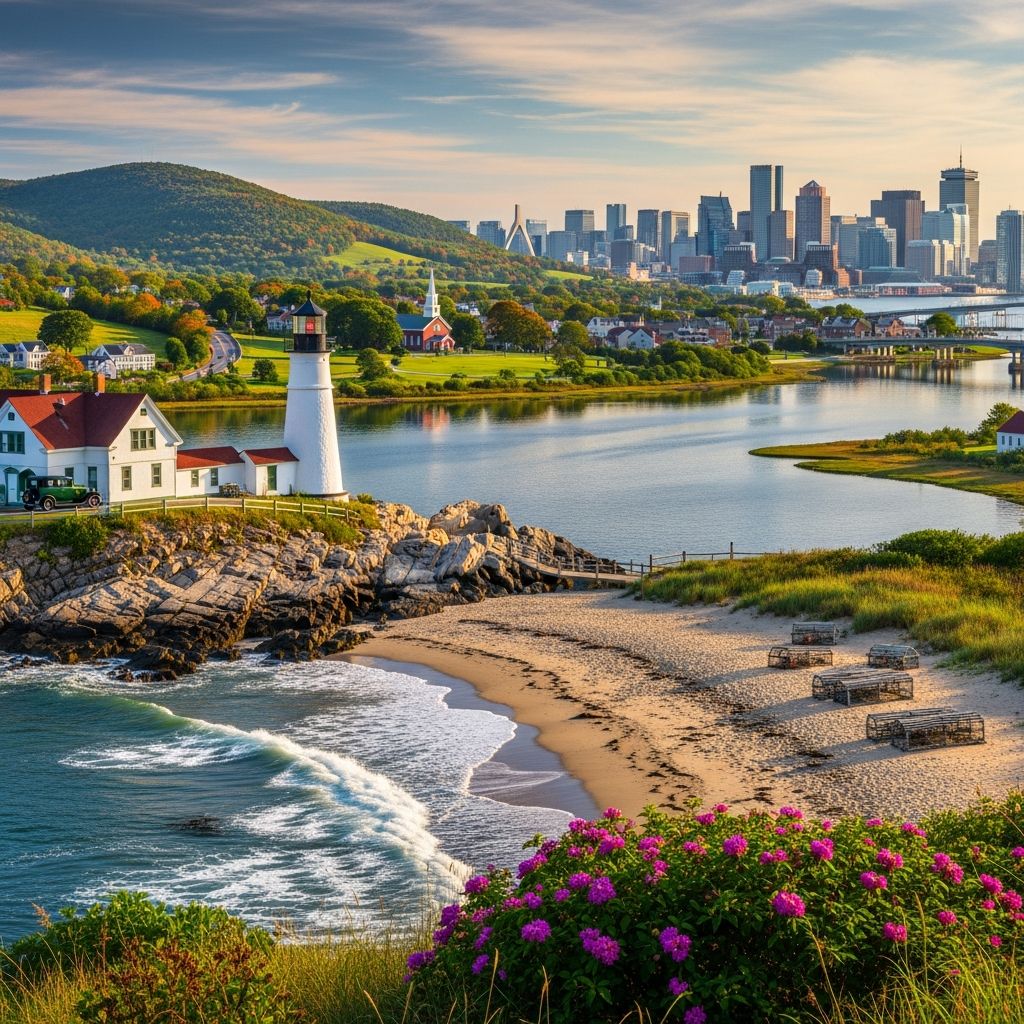
Massachusetts stands as one of America’s most historically significant and culturally rich destinations, offering visitors an extraordinary blend of Revolutionary War heritage, maritime traditions, stunning coastlines, and vibrant urban experiences. From the bustling streets of Boston to the serene beaches of Cape Cod, this New England state provides diverse attractions that appeal to history enthusiasts, nature lovers, families, and cultural explorers alike.
Boston: The Heart of American Independence
No visit to Massachusetts is complete without experiencing Boston, the state’s capital and a living museum of American history. The city serves as the epicenter of the American Revolution, with countless landmarks and sites that shaped the nation’s founding. Boston’s urban landscape combines historic colonial architecture with modern amenities, creating a unique atmosphere where centuries-old buildings stand alongside contemporary restaurants, shops, and entertainment venues.
The iconic Freedom Trail remains Boston’s most celebrated attraction, weaving through the city for approximately 2.5 miles and connecting sixteen historically significant landmarks and attractions. Walking this red-brick path takes visitors past Paul Revere’s House, the Old State House, the site of the Boston Massacre, and numerous other locations central to Revolutionary War events. Travelers should allocate several hours for the journey, as each stop offers rich historical context and opportunities for deeper exploration.
Beyond the Freedom Trail, Boston’s cultural institutions rival those of any major American city. The Isabella Stewart Gardner Museum showcases an eclectic collection of European, American, and Asian art within an intimate Venetian-style palazzo setting. The Museum of Fine Arts presents world-class collections spanning multiple centuries and cultures, while the Institute of Contemporary Art on the waterfront offers modern artistic perspectives. For maritime history enthusiasts, the USS Constitution Museum features “Old Ironsides,” the world’s oldest commissioned naval vessel still in active service.
Boston’s recreational spaces provide respite from urban exploration. The Boston Common and Public Garden offer verdant urban oases with walking paths, seasonal flowers, and peaceful atmospheres. Separated by the Charles River’s picturesque bridges, Cambridge lies directly across, home to Harvard University and its prestigious academic institutions.
Revolutionary War Heritage: Lexington and Concord
Just northwest of Boston, the towns of Lexington and Concord hold immense significance in American revolutionary history. These adjacent communities were the sites of the war’s initial military engagements and remain essential destinations for understanding how independence was won. Both towns maintain outdoor museums and historical parks that chronicle the events of April 19, 1775, when colonial militia confronted British forces.
Visitors can explore battlefields, see preserved colonial homes, and visit interpretive centers that bring this pivotal period to life. The combination of historical significance and small-town charm makes these destinations appealing for day trips from Boston.
The North Shore: Artistic Communities and Maritime Heritage
The Merrimack Valley and Cape Ann regions represent some of Massachusetts’ most distinctive coastal areas, featuring charming waterfront towns that blend artistic culture with maritime heritage. Towns including Salem, Gloucester, Newburyport, and Marblehead offer galleries, seaside dining, and strong connections to New England’s seafaring past.
Salem carries particular historical weight as the site of the 1692 witchcraft trials, an event that continues to shape the town’s identity. Each October, Salem transforms into a Halloween destination, attracting thousands seeking historical context alongside festive celebrations. Museums, historic homes, and interpretive sites throughout the town explore this dark chapter in American history while celebrating Salem’s broader cultural contributions.
The towns of Gloucester and Newburyport maintain active fishing fleets and offer popular whale-watching cruises, allowing visitors to observe marine life while appreciating the region’s ongoing maritime traditions. Lowell showcases early American industrial heritage through its preserved historic mills and museums dedicated to the nation’s textile manufacturing history. The North Shore’s numerous art galleries provide opportunities to discover contemporary and traditional artwork in intimate settings.
Plymouth and South Shore Exploration
The South Shore region centers on Plymouth, famous for Plymouth Rock and numerous historical sites connected to the Pilgrims’ arrival. The town maintains several museums including Pilgrim Hall, the state’s oldest museum, which preserves artifacts and artwork from the colonial period. Historic structures such as the Howland House and 1749 Court House provide architectural connections to Massachusetts’ earliest European settlements.
Beyond Plymouth’s historic core, the South Shore offers diverse experiences. Visitors can explore inland cranberry farms and observe agricultural practices that have sustained the region for centuries. Coastal areas feature quiet beach towns and popular destinations like Horse Neck Beach along Buzzard’s Bay, providing seaside relaxation and recreational opportunities. New Bedford retains its identity as an old seafaring city with well-preserved whaling and maritime history sites that illustrate the importance of ocean commerce to early American economy.
Cape Cod: Coastal Paradise and Cultural Gem
The gorgeous peninsula of Cape Cod represents one of Massachusetts’ most beloved tourist destinations, offering an exceptional combination of natural beauty and charming communities. This coastal region features stunning beaches, picturesque villages, and numerous parks that justify spending an entire week in exploration. Cape Cod National Seashore preserves miles of pristine coastline and dramatic sand dunes accessible to visitors seeking natural splendor.
The town of Woods Hole serves as a departure point for ferry service to Martha’s Vineyard and offers its own waterfront charm. Throughout Cape Cod, visitors discover quaint communities with Victorian architecture, excellent seafood restaurants, and independent shops reflecting local culture.
Salem, while technically on the North Shore, connects culturally with Cape Cod’s literary heritage through the House of the Seven Gables, the 1600s home that inspired Nathaniel Hawthorne’s famous novel. Nearby, Turner’s Seafood restaurant offers fresh-caught lobster and locally harvested scallops prepared with contemporary techniques.
Island Destinations: Nantucket and Martha’s Vineyard
Off Massachusetts’ coast, the islands of Nantucket and Martha’s Vineyard offer distinctive vacation experiences combining natural beauty with cultural sophistication. Martha’s Vineyard’s communities, including Oak Bluffs, Edgartown, and Tisbury, feature Victorian architecture and coastal charm. The Aquinnah Cliffs Overlook provides spectacular views across the island’s southwestern coastline, while the Mytoi Japanese Garden offers serene landscaping contrasting with the island’s maritime character.
Nantucket maintains its historic whaling heritage through the informative Whaling Museum and carefully preserved architecture reflecting its maritime past. Both islands attract visitors seeking relaxation, natural beauty, and cultural experiences in an island setting.
Cambridge: Academic Excellence and Cultural Resources
Just across the Charles River from Boston, Cambridge deserves separate attention as a destination in its own right. Home to Harvard University, Cambridge combines academic prestige with genuine cultural attractions appealing beyond campus tours. Harvard Square buzzes with bookstores, cafes, and cultural venues reflecting the intellectual environment. The Harvard campus itself, particularly Harvard Yard, showcases historic buildings and architecturally significant structures spanning centuries.
The Harvard Art Museums feature centuries of historical art in one of America’s oldest and most respected collections. Longfellow House, the former residence of poet Henry Wadsworth Longfellow, offers tours providing glimpses into 19th-century intellectual life. Cambridge’s walkable neighborhoods, diverse dining options, and bookish atmosphere make it an ideal half-day trip from downtown Boston.
Berkshire Mountains and Western Massachusetts
Traveling west from Boston’s urban environment reveals dramatic landscape changes as visitors approach the Berkshire Mountains region. This area offers hiking trails, outdoor recreation, and mountain scenery distinct from Massachusetts’ coastal character. The region supports cultural institutions including concert venues and summer theaters alongside outdoor adventure opportunities.
Springfield in western Massachusetts provides family-friendly attractions including the Dr. Seuss National Memorial Sculpture Garden celebrating the beloved author’s legacy and the Springfield Science Museum offering interactive exhibits for all ages. During winter months, ski destinations such as Jiminy Peak and Ski Butternut attract snow sports enthusiasts to the region’s mountain terrain.
Sudbury and Historic Inland Attractions
While less prominent in typical tourist itineraries, the Sudbury area offers valuable historical experiences for visitors heading inland toward western Massachusetts. The historic Wayside Inn Grist Mill represents one of the state’s most recognizable stone mills, operating for nearly a century and providing a picturesque setting for walking and photography. This location serves as an excellent stopping point on road trips exploring Massachusetts’ interior regions.
Scenic Routes and Outdoor Experiences
Beyond specific destinations, Massachusetts offers exceptional scenic driving routes connecting different regions. Route 2, known as the Mohawk Trail, showcases impressive vistas particularly in the Charlemont and North Adams stretches. These scenic corridors allow visitors to experience the state’s diverse landscapes while discovering smaller communities between major attractions.
The state’s geography supports various outdoor activities including hiking in the Berkshires, whale watching along the coast, kayaking on inland waters, and beach exploration along 1,500 miles of coastline. Pontoosuc Lake, located approximately ten miles from the New York border, provides opportunities for water recreation and relaxation near the Berkshire Museum.
Dining and Culinary Traditions
Massachusetts cuisine reflects its maritime heritage and diverse immigrant populations. Fresh seafood appears throughout the state, from casual clam shacks to upscale restaurants. The iconic Union Oyster House in Boston, operating since the 1800s, exemplifies the state’s culinary traditions while serving oyster clam chowder that represents Boston’s distinctive food culture. Throughout Cape Cod and coastal communities, fresh-caught seafood features prominently on menus, with lobster rolls and fried clams serving as local specialties.
Practical Travel Considerations
Massachusetts’ compact size allows visitors to experience multiple regions during a single trip. Boston’s central location provides convenient access to Revolutionary War sites, the North Shore, Cape Cod, and island ferries. Public transportation in Boston facilitates visitor movement without requiring automobiles, while exploring outlying regions often benefits from car rentals providing flexibility.
Peak season extends from June through September when weather is warmest and attractions maintain full operating hours. However, autumn foliage from September through October attracts significant visitor numbers, particularly in inland regions and the Berkshires. Spring brings blooming gardens and renewal of outdoor activities, while winter offers skiing and holiday festivities in various communities.
Planning Your Massachusetts Adventure
Whether visitors prioritize Revolutionary War history, coastal exploration, cultural institutions, or outdoor recreation, Massachusetts accommodates diverse travel interests. Multi-day itineraries might combine Boston’s urban attractions with North Shore coastal towns, while week-long journeys could encompass islands, Cape Cod, and western mountain regions. Families benefit from interactive museums, beaches, and outdoor activities, while adult travelers appreciate historical depth, artistic institutions, and culinary experiences.
Massachusetts transforms across seasons, offering distinct experiences whether visiting during summer beach season, autumn foliage period, winter holidays, or spring renewal. The state’s historical significance, combined with natural beauty and cultural richness, ensures that repeat visitors continually discover new attractions and deeper appreciation for New England’s treasures.
References
- Visit Massachusetts: Massachusetts Tourism Vacation Guide — Massachusetts Office of Travel & Tourism. Accessed April 2026. https://www.visit-massachusetts.com
- 13 Very Best Places in Massachusetts to Visit — Hand Luggage Only. Accessed April 2026. https://handluggageonly.co.uk/13-very-best-places-in-massachusetts-to-visit/
- 2026 Travel Guide for Massachusetts, United States of America — Expedia. Accessed April 2026. https://www.expedia.com/Massachusetts.dx223
- The 15 Best Things to Do in Massachusetts — TripAdvisor. Accessed April 2026. https://www.tripadvisor.com/Attractions-g28942-Activities-Massachusetts.html
- Five Spots in Massachusetts We’re Especially Thankful for This Year — OnlyInYourState. Accessed April 2026. https://www.onlyinyourstate.com/trip-ideas/massachusetts/thankful-for-best-places-to-visit-ma
- Visit New England: New England Travel, Tourism & Vacation Guide — Visit New England. Accessed April 2026. https://www.visitnewengland.com
- VisitMA: Things to Do in Massachusetts — Massachusetts Tourism Board. Accessed April 2026. https://www.visitma.com
Similar Articles








Read full bio of Sneha Tete