
Mastering Rest During Travel: Techniques for Quality Sleep
Learn proven strategies to sleep soundly anywhere while traveling around the world.
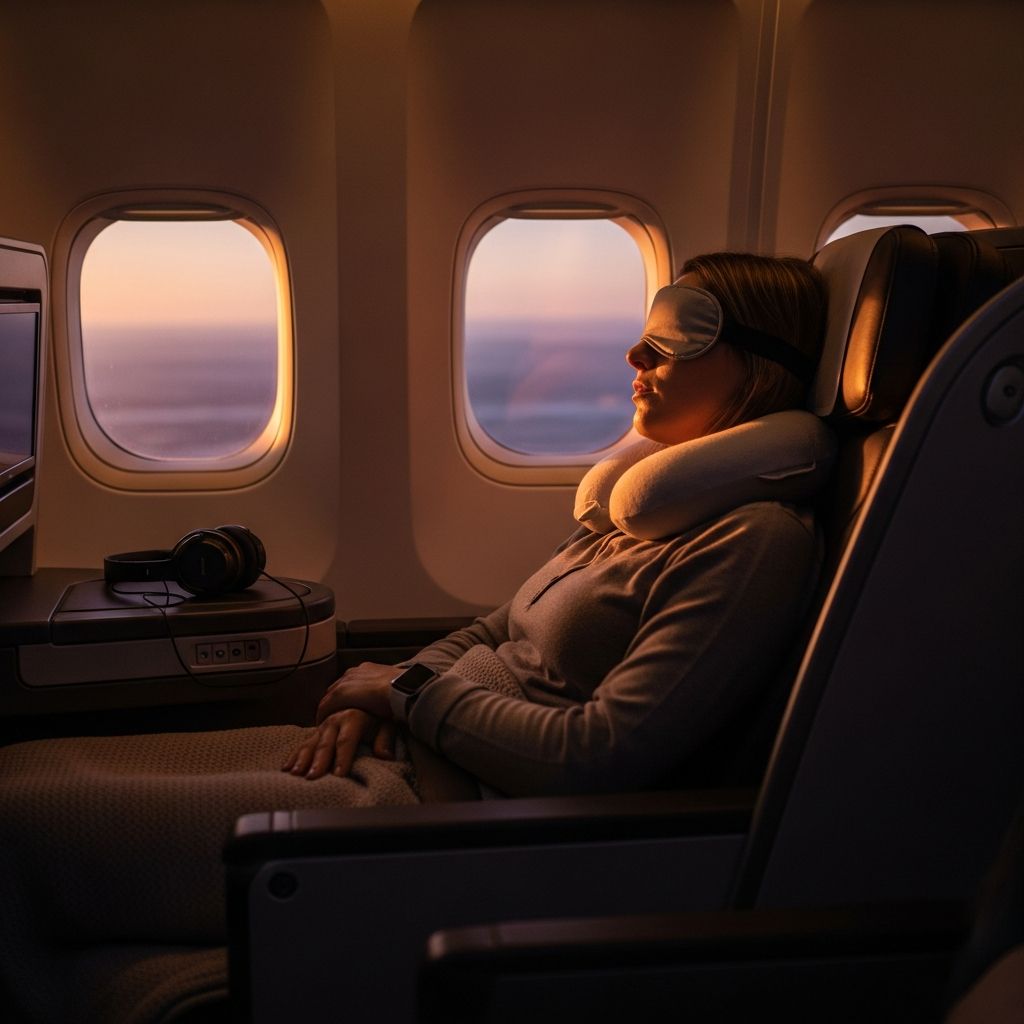
Travel offers remarkable opportunities to explore new destinations, but it often disrupts our natural sleep patterns and comfort. Whether you’re navigating crowded airport terminals, settling into cramped transportation, or adapting to unfamiliar beds in shared accommodations, quality rest becomes increasingly challenging. The key to enjoying your journey is developing the ability to sleep effectively in diverse and sometimes less-than-ideal conditions.
Understanding Your Body’s Sleep Response to New Environments
Your body possesses an intricate biological system that governs when you feel alert and when you feel tired. This system, known as your circadian rhythm, operates on a roughly 24-hour cycle and helps regulate your sleep-wake patterns. When you travel across time zones, this internal clock becomes misaligned with your destination’s local time, creating what many travelers experience as jet lag.
Research reveals an interesting phenomenon about sleeping in unfamiliar places: during your first night in a new environment, only half of your brain enters a full sleep state, while the other half remains partially alert, monitoring for potential threats. This evolutionary adaptation explains why travelers often report poor sleep quality on their first night away from home. Understanding this response allows you to approach your travel sleep with realistic expectations and appropriate strategies.
Developing Your Personal Sleep Training Approach
Not everyone naturally possesses the ability to sleep in unconventional settings. However, sleep quality in various environments is a skill that can be systematically developed. Begin your training while still at home by deliberately practicing sleep in less-than-ideal conditions. Experiment with napping in different rooms, with background noise, or even on firm surfaces like your floor. This gradual exposure helps your nervous system become accustomed to varying sleep environments before you travel.
Creating a consistent pre-sleep ritual signals to your body that rest is approaching, regardless of your location. This routine might include gentle stretching, meditation, controlled breathing exercises, or listening to calming audio content. By establishing this pattern at home and maintaining it while traveling, you create psychological continuity that supports restful sleep across different settings.
Strategic Preparation: The Three-Day Approach to Time Zone Adjustment
If your journey involves crossing multiple time zones, beginning your adjustment three days before departure significantly eases the transition. Medical experts recommend gradually shifting your sleep schedule by one hour per day in the direction of your destination. On day one before travel, move your bedtime one hour earlier or later as appropriate. On day two, adjust by another hour, and on day three, shift by a third hour. Since your body typically requires one day per time zone to fully acclimate, this pre-travel adjustment jump-starts the process.
Once you arrive at your destination, embrace the local schedule rather than clinging to your home time zone. If you land during daylight hours, stay awake and engage with your surroundings. If you arrive in the evening, prioritize sleeping at your destination rather than during the flight. This approach helps reset your internal clock more rapidly to match local time.
Harnessing Light Exposure for Circadian Rhythm Adjustment
Light represents one of the most powerful tools for resetting your circadian rhythm. The timing of your light exposure directly influences whether your body clock shifts earlier or later. When traveling eastward, strategic light avoidance during early morning hours, followed by maximal light exposure in late morning and early afternoon, helps your rhythm shift earlier. Wearing sunglasses during morning hours reduces light stimulation to your eyes, supporting this adjustment.
For westward travel, which generally causes less disruption to your system, seek light exposure during early evening hours by eating outdoors or taking walks. Conversely, when managing light in your sleeping environment, true darkness significantly improves sleep quality. Before booking accommodations, verify that your space includes effective blackout curtains or window coverings, as many modern properties fail to provide adequate light control.
Essential Gear for Travel Sleep Optimization
While quality sleep requires mental and physical preparation, strategic equipment can substantially enhance your ability to rest effectively in various environments.
Noise Management Solutions
Environmental noise represents one of the most common sleep disruptions during travel. Quality earplugs stand as the most important item in any travel sleep kit, effectively blocking street noise, snoring roommates, aircraft cabin sounds, and train vibrations. For those who prefer alternatives or find traditional earplugs uncomfortable, noise-cancelling headphones provide both audio isolation and the option to play ambient sounds. Some travelers successfully use a combination approach, pairing earplugs with gentle background audio for maximum noise control.
Light Blocking Methods
An eye mask remains a popular choice for blocking light, but you need not purchase a dedicated travel mask. Many travelers achieve effective light blocking through creative alternatives: wearing sunglasses and a hat simultaneously, pulling a beanie over the eyes, or using a buff or soft scarf as an improvised cover. The goal is creating complete darkness, regardless of the method chosen.
Personal Comfort Items
Travel-specific comfort items can psychologically support better sleep despite unfamiliar surroundings. A travel liner—essentially a lightweight sleeping bag insert—wraps you in a familiar tactile experience and provides protection against bed bugs or questionable bedding quality. Even in warm climates, having something comforting to wrap yourself in enhances psychological comfort and improves sleep initiation.
If traveling for extended periods (longer than three days), bringing your own pillow ensures familiar support for your head and neck. When selecting a pillow for travel, prioritize fill power above 700 for optimal comfort and durability. Your personal pillow also serves practical purposes: hotel or hostel pillows can prop under your legs to improve circulation or block light seeping under doors.
Temperature and Layering
Temperatures fluctuate significantly during air and train travel. Packing layerable, breathable clothing allows you to adjust your warmth without requiring external blankets or removing layers entirely. A lightweight blanket or scarf provides additional temperature flexibility and contributes to your sense of comfort and security during sleep.
Sleeping in Transportation: Planes and Trains
Long journeys by air or rail require specific sleep strategies. Begin by dressing in comfortable, loose-fitting layers that accommodate temperature changes throughout your journey. Position yourself strategically: window seats allow you to lean against the wall, and a bunched-up sweater or travel pillow supports your neck effectively.
Timing matters significantly for in-transit sleep. Determine whether sleeping en route helps or hinders your circadian adjustment to your destination. If arriving during daytime hours, sleep as much as possible during the journey. If arriving in evening hours, remain awake during transit to facilitate nighttime sleep at your destination.
Managing Sleep in Busy Public Spaces
Airports, bus terminals, and train stations present unique sleep challenges. Long layovers or transit delays sometimes necessitate rest in these environments. Your primary concern should be securing your valuables before attempting to sleep. Keep your most important documents, wallet, and phone in secure pockets or belt bags rather than in accessible luggage. Use locks or carabiners to secure your bags to your body or furniture.
Many modern airports offer designated quiet zones specifically designed for resting passengers. Some facilities provide sleep pods available for modest hourly fees, offering controlled environments superior to open terminal areas. Alternatively, investigate lounge access options; some offer day passes at reasonable prices, providing comfortable seating, temperature control, and reduced noise.
If using earplugs or eye masks in public spaces, set multiple phone alarms to ensure you wake before your departure time. This approach prevents missing connections due to oversleeping.
Optimizing Sleep in Shared Accommodations
Hostels and shared dormitory rooms present distinct sleep challenges, particularly for light sleepers. If you sleep lightly, upgrading to a private room may justify the additional expense for your overall travel experience. For those staying in shared spaces, strategic room selection improves sleep prospects. Choose dorms in quieter neighborhoods away from nightlife and busy streets. Within the dorm, select the bed farthest from common areas, bathrooms, and doors, as these locations experience higher foot traffic and associated noise.
Most hostels provide lockers for securing valuables, eliminating the need to guard your belongings while sleeping. However, implement additional sleep aids: quality earplugs address roommate noise, an eye mask counters inconsistent lighting, and chamomile tea before bed provides natural relaxation support.
Behavioral Practices Supporting Travel Sleep
Beyond equipment and environment management, specific behaviors enhance sleep quality during travel. Limiting alcohol consumption supports better sleep architecture, as alcohol disrupts sleep stages despite initial drowsiness. Similarly, moderating caffeine intake prevents sleep interference. Getting your internal clock on your destination’s timezone as quickly as possible supports sustained sleep quality throughout your stay.
Physical movement during daytime hours supports nighttime sleep initiation and quality. Activities like walking tours, sightseeing, or structured exercise align with light exposure strategies while naturally fatiguing your body for better sleep.
Frequently Asked Questions About Travel Sleep
How long does it typically take to adjust to a new time zone?
Your body requires approximately one day per time zone crossed for full circadian adjustment. Using the three-day pre-travel adjustment method can accelerate this process, and strategic light exposure after arrival further supports rapid adaptation.
What if I naturally cannot sleep without complete silence?
Begin practicing sleep with background noise at home to gradually desensitize your nervous system. Alternatively, white noise apps, nature sounds, or ambient music can mask disruptive environmental noise while providing consistent audio that your mind recognizes as associated with sleep.
Should I take melatonin supplements while traveling?
Medical professionals recognize melatonin as a potential sleep aid during travel, particularly for managing circadian disruption. However, consult with a healthcare provider about appropriate dosing and timing for your specific journey before beginning supplementation.
Are expensive sleep accessories necessary for travel?
Quality sleep during travel depends more on strategy and behavioral adjustment than expensive equipment. Many effective solutions use items you likely already own: scarves as eye covering, background apps for noise masking, and personal clothing for comfort and temperature regulation.
What approach works best for first-night sleep in a new destination?
Accept that your first night may involve lighter sleep as your brain maintains partial alertness in unfamiliar surroundings. Focus on relaxation and comfort rather than forcing deep sleep. By night two, your nervous system typically settles, improving sleep quality substantially.
Creating Your Personalized Travel Sleep Strategy
Effective sleep while traveling requires developing a customized approach that reflects your personal sleep needs, destination characteristics, and accommodation types. Begin implementing these strategies before your journey through home-based practice. Identify which environmental factors most disrupt your sleep—noise, light, temperature, or unfamiliar beds—and prioritize solutions addressing your specific vulnerabilities. Invest in quality gear that addresses your primary sleep challenges rather than accumulating extensive equipment.
By methodically preparing your sleep strategy, gradually adjusting your circadian rhythm before travel, and implementing appropriate equipment and behavioral changes, you can significantly improve your rest quality across diverse travel experiences. Quality sleep enhances your ability to enjoy your destination, maintain health and wellness while traveling, and return home feeling genuinely refreshed by your adventure.
References
- 6 Tips for Better Sleep When You Travel — Johns Hopkins Medicine. 2024. https://www.hopkinsmedicine.org/health/wellness-and-prevention/6-tips-for-better-sleep-when-you-travel
- Master the Art of Sleeping Anywhere: A Traveler’s Guide — Yoga Slackers. https://yogaslackers.com/blog/a-travelers-guide-to-sleeping-anywhere/
- What’s in my “Sleep Travel Kit”? And how to assemble your own — Calm. https://www.calm.com/blog/whats-in-my-sleep-travel-kit-and-how-to-assemble-your-own
- Good sleep while traveling? My top six strategies — Fierce After 45. 2024-07-24. https://fierceafter45.com/2024/07/24/good-sleep-while-traveling-my-top-six-strategies/
- A backpacker’s guide to being able to sleep literally anywhere — HI Hostels Magazine. https://hihostels.ca/en/magazine/a-backpackers-guide-to-being-able-to-sleep-literally-anywhere
Similar Articles








Read full bio of Sneha Tete