Mexico’s Indigenous Heritage Guide
Explore the vibrant cultures, ancient traditions, and living legacies of Mexico's 68 indigenous groups across diverse regions.
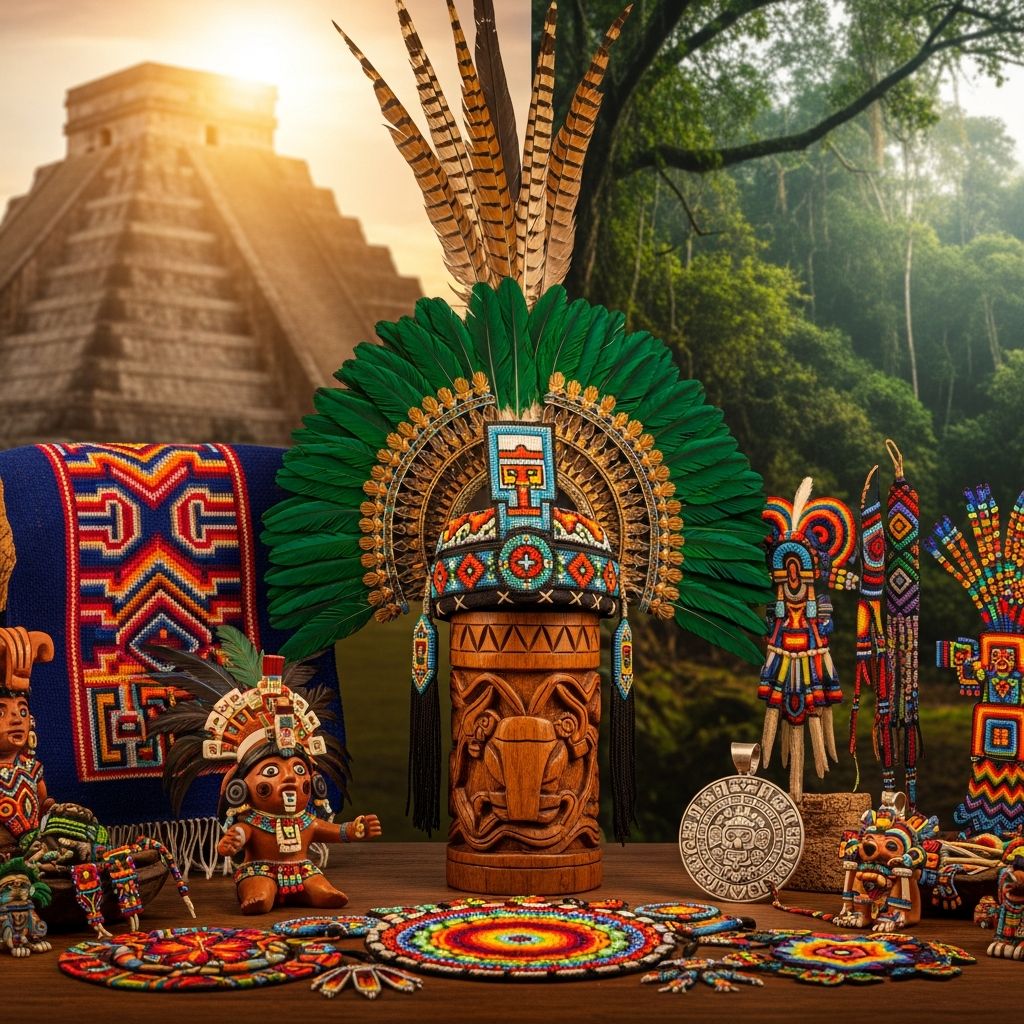
Mexico boasts one of the world’s most diverse indigenous populations, with over 16 million people from 68 distinct groups preserving ancient traditions amid modern life. These communities, representing 15.1% of the population, shape the nation’s identity through languages, cuisine, crafts, and festivals.
The Scope of Indigenous Diversity in Mexico
Spanning from arid deserts to lush jungles, Mexico’s indigenous groups number 68, each with unique languages, customs, and histories rooted in pre-Columbian civilizations like the Olmec, Zapotec, Mixtec, and Maya. Genetic studies confirm that the average Mexican carries predominantly indigenous ancestry, influencing everything from daily foods to community values. The name “Mexico” itself derives from Nahuatl, meaning “the bellybutton of the moon,” highlighting these deep roots.
According to recent data, 16,933,283 individuals identify as indigenous, a figure that underscores their vital role in national culture. Groups like the Nahua, Maya, Zapotec, Mixtec, and Otomi are among the largest, with communities scattered across all 32 states. In states like Oaxaca and Chiapas, over 30% of residents speak indigenous languages.
Major Indigenous Groups and Their Homelands
Mexico’s indigenous mosaic includes powerhouse cultures with millennia-old legacies. Here’s a breakdown of key groups:
- Nahua: The largest group, descendants of the Aztecs, concentrated in central Mexico. They maintain Nahuatl language and traditions like temazcal sweat lodges.
- Maya: Thriving in Yucatán, Chiapas, and Quintana Roo, known for advanced astronomy, hieroglyphic writing, and sites like Chichén Itzá.
- Zapotec and Mixtec: Oaxaca’s valley dwellers, famed for intricate textiles, ceramics, and ancient cities like Monte Albán.
- Tarahumara (Rarámuri): Sierra Tarahumara runners in Chihuahua, renowned for endurance feats and cave dwellings.
- Huichol (Wixárika): Nomadic artists from Jalisco and Nayarit, creating yarn paintings depicting peyote visions.
These groups, along with 63 others, contribute to Mexico’s cultural tapestry, from Purépecha lacquerware in Michoacán to Tzotzil weaving in Chiapas.
Preserving Languages and Oral Traditions
Over 67 indigenous languages persist, with Nahuatl spoken by 1.7 million and Maya dialects by over 800,000. These tongues carry cosmologies, myths, and knowledge passed orally for generations. Efforts by organizations like INEGI track their vitality, noting 11.8 million speakers as of recent censuses.
UNESCO recognizes elements like the Indigenous festivity dedicated to the dead, blending pre-Hispanic and Catholic rites. Learning basic phrases—such as “tlapiani” (hello in Nahuatl)—fosters respect during visits.
Culinary Legacies from the Land
Indigenous ingenuity birthed staples like corn, chocolate, vanilla, and chili, central to Mexican cuisine. Maya tamales, Nahua mole sauces, and Huichol corn beer reflect regional flavors. In Oaxaca, tlayudas (crispy tortillas topped with beans and quesillo) showcase Mixtec staples.
| Group | Signature Dish | Key Ingredient |
|---|---|---|
| Maya | Cozole | Corn dough with chicken |
| Zapotec | Chiles rellenos | Stuffed peppers |
| Purépecha | Corundas | Triangular tamales |
| Tarahumara | Pinole | Roasted corn flour |
Markets like Oaxaca’s Benito Juárez brim with these foods, offering immersive tastings.
Artistic Expressions and Handicrafts
Indigenous artisans produce world-renowned works: Alebrijes (fantastical carvings) from Oaxaca, Huichol yarn art symbolizing sacred pilgrimages, and Chiapas amber jewelry. These aren’t mere souvenirs but storytelling mediums encoding myths and spirituality.
Fair trade cooperatives ensure ethical purchases, supporting communities while preserving techniques honed over centuries.
Vibrant Festivals and Ceremonies
Indigenous calendars pulse with events blending ancestral rites and colonial influences. Key celebrations include:
- Día de los Muertos (Oct 28-Nov 2): Altars (ofrendas) honor ancestors with marigolds, sugar skulls, and copal incense across Mexico, especially Pátzcuaro.
- Guelaguetza (July, Oaxaca): Dance extravaganza featuring regional troupes in feathered headdresses and embroidered gowns.
- Tzotzil Carnival (Chiapas): Chamula’s solstice rituals invoke earth and sky spirits.
- Huichol Peyote Pilgrimage: Annual trek to Wirikuta desert for sacred cactus harvest.
These events draw respectful visitors, amplifying cultural pride.
Gateway Destinations for Cultural Exploration
Oaxaca: Epicenter of Diversity
Home to 16 groups, Oaxaca’s valleys host markets, ruins, and Hierve el Agua’s petrified waterfalls. Stay in community posadas for homestays.
Chiapas: Maya Strongholds
San Cristóbal de las Casas buzzes with Tzotzil and Tzeltal markets; nearby Palenque unveils jungle pyramids.
Yucatán Peninsula: Maya Marvels
Chichén Itzá, Uxmal, and Valladolid offer cenote swims and chocolate workshops amid living Maya villages.
Northern Sierra: Tarahumara Trails
Chihuahua’s Copper Canyon exceeds the Grand Canyon in scale; hike with Rarámuri guides.
Central Highlands: Nahua Heartlands
Tlaxcala and Puebla feature vibrant markets and volcanic landscapes sacred to ancient peoples.
History: From Ancient Empires to Resilience
Indigenous history spans Olmec heads (1500 BCE) to Aztec Tenochtitlán’s fall in 1521. Colonial decimation via disease and conquest reduced populations, yet integration post-1910 Revolution fostered mestizo identity while discrimination lingered. Today, movements like Zapatista autonomy in Chiapas advocate rights.
Ethical Travel: Respect and Reciprocity
Approach with humility: Seek permission for photos, buy directly from makers, hire local guides, and support ecotourism. Avoid romanticizing poverty; recognize ongoing struggles for land and equity. Community tourism projects in Oaxaca and Chiapas exemplify sustainable models.
FAQs
How many indigenous groups are in Mexico?
There are 68 recognized groups, each with distinct languages and traditions.
What is the best time to visit indigenous sites?
July for Guelaguetza, November for Día de los Muertos, or dry seasons (Nov-May) for highlands.
Are indigenous languages endangered?
Many are vulnerable, but revitalization efforts continue; Nahuatl remains robust.
How can I support indigenous communities?
Purchase fair trade crafts, dine at community kitchens, and donate to language preservation NGOs.
Is it safe to visit remote indigenous areas?
Yes, with reputable guides; stick to established routes like Copper Canyon trains.
References
- Discover the Rich Culture and History of Mexico’s Indigenous Communities — Lokal Travel. 2024. https://www.lokaltravel.com/discover/discover-the-rich-culture-and-history-of-mexicos-indigenous-communities
- Indigenous Peoples in Mexico — Minority Rights Group. 2024. https://minorityrights.org/communities/indigenous-peoples-4/
- Indigenous Mexico — Indigenous Mexico. 2024. https://www.indigenousmexico.org
- A Guide to Indigenous Events and Celebrations in Mexico — TravelAge West. 2024. https://www.travelagewest.com/Travel/Mexico/indigenous-events-in-mexico
- Indigenous History & Genetics of Ancient and Modern Mexico — YouTube (Viced Rhino). 2024. https://www.youtube.com/watch?v=L_A_nYeIdzo
- Navigating the Diversity of Indigenous Cultures in Mexico — Harvard ReVista. 2024. https://revista.drclas.harvard.edu/navigating-the-diversity-of-indigenous-cultures-in-mexico-a-personal-view/
- The Indigenous World 2025: Mexico — IWGIA. 2025-01-01. https://iwgia.org/en/mexico/5742-iw-2025-mexico.html
Similar Articles




Read full bio of medha deb