Mexico’s Top National Parks: Essential Guide For Travelers
Discover Mexico's premier national parks, from volcanic peaks and Mayan ruins to pristine reefs and desert islands.
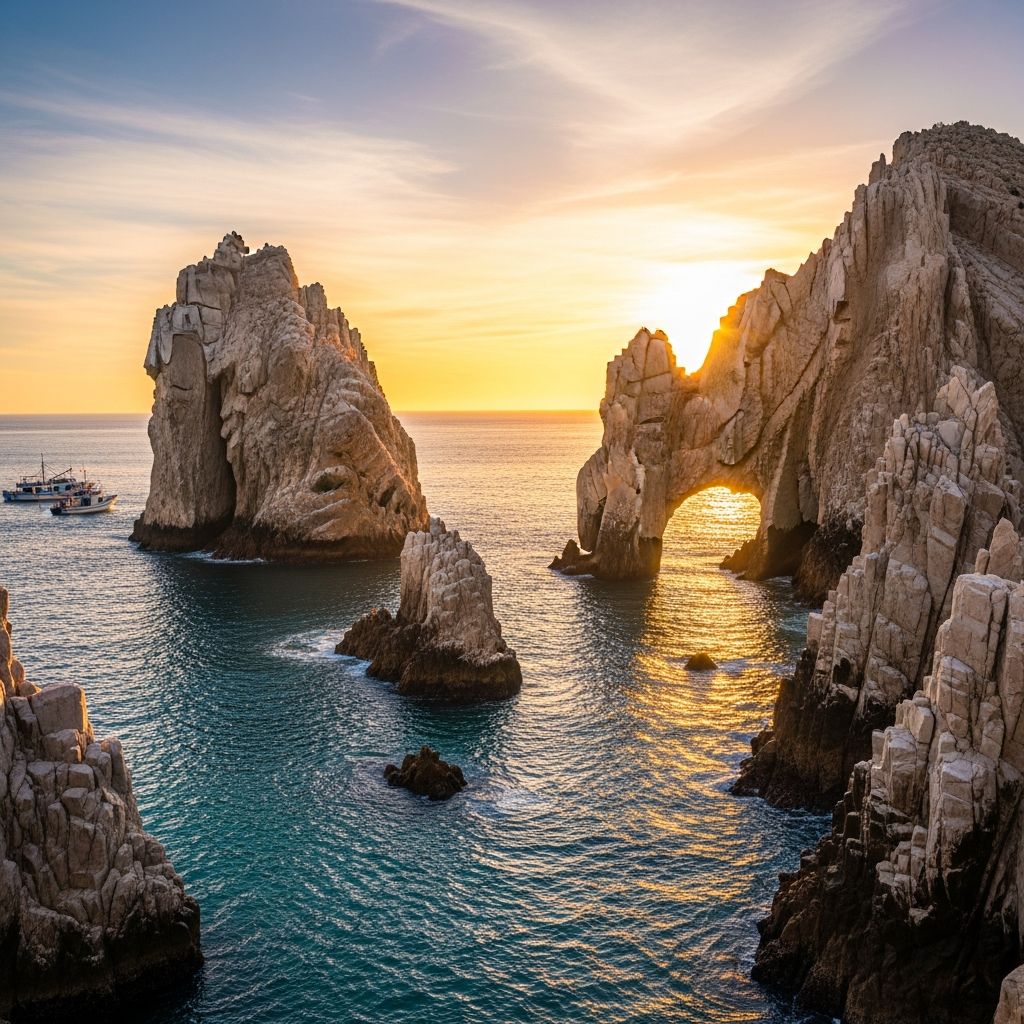
Mexico boasts an impressive array of national parks that protect its rich biodiversity, dramatic landscapes, and cultural heritage. These protected areas span from volcanic highlands and lush jungles to coral reefs and coastal deserts, offering travelers endless opportunities for hiking, wildlife viewing, diving, and cultural exploration. With over 180 national parks covering diverse ecosystems, Mexico’s reserves highlight the country’s unique position bridging North American deserts and tropical realms. This guide delves into standout destinations, their unique attractions, practical visiting tips, and conservation efforts to help you plan an immersive nature escape.
Iconic Parks Near Urban Centers
Even close to bustling cities like Mexico City, national parks provide accessible gateways to nature. These areas combine rugged terrain with historical significance, making them ideal for day trips or weekend getaways.
Iztaccíhuatl-Popocatépetl National Park: Volcanic Majesty
Dominating the skyline southeast of Mexico City, Iztaccíhuatl-Popocatépetl National Park encompasses two legendary volcanoes: the dormant Iztaccíhuatl, resembling a sleeping woman, and the active Popocatépetl, often called “Popo.” At elevations exceeding 5,000 meters, the park features alpine meadows, pine forests, and glaciers, supporting species like golden eagles and pumas.
Hiking trails range from gentle paths through fir forests to challenging ascents up La Malinche or Paso de Cortés. The park’s proximity to the capital—about 1.5 hours by car—makes it a top choice for urban dwellers seeking fresh air. Permits are required for summit attempts due to volcanic activity monitoring; check CONANP updates before visiting. Best visited in the dry season (November to April) to avoid afternoon storms.
Desierto de los Leones: Forested Retreat
Nestled in the mountains west of Mexico City, Desierto de los Leones National Park offers a serene escape with oak and pine woodlands, hiking trails, and remnants of a 17th-century Carmelite monastery. Spanning 1,549 hectares, it’s a haven for birdwatchers spotting 150+ species, including the aztec thrush and spotted owl.
Activities include mountain biking, picnicking, and guided nature walks. The park’s trails lead to viewpoints overlooking the valley, with entry fees around 50 MXN. It’s open daily, but weekends see crowds; arrive early for parking.
Jungle and Archaeological Treasures
Mexico’s southern regions harbor parks where ancient civilizations meet vibrant rainforests, revealing profound historical and ecological layers.
Palenque National Park: Maya Architectural Wonders
In Chiapas, Palenque National Park safeguards the ruins of a Classical Maya city-state amid misty jungle. Iconic structures like the Temple of Inscriptions, rising 27 meters, house royal tombs and intricate carvings. The surrounding forest teems with scarlet macaws, howler monkeys, and jaguars, creating a symphony of wildlife sounds at dawn.
Explore via well-maintained paths connecting palaces, temples, and ball courts. Combine with a visit to nearby Agua Azul waterfalls. Entry is 100 MXN for foreigners; guided tours enhance understanding of Pakal the Great’s legacy. Humidity peaks in summer, so opt for December to April.
Cañón del Sumidero: Dramatic River Gorges
Also in Chiapas, Cañón del Sumidero National Park features sheer 1,000-meter cliffs carved by the Grijalva River. Boat tours from Chiapa de Corzo reveal crocodiles, vultures, and unique rock formations like the Christmas Tree fern-covered wall.
Hiking options include rim trails with panoramic views. The park protects endemic species and supports ecotourism initiatives. Tours cost about 250 MXN, lasting 2 hours.
Coastal and Marine Paradises
Mexico’s coastlines host parks blending sandy shores with underwater realms, perfect for relaxation and aquatic adventures.
Arrecifes de Cozumel National Park: Caribbean Coral Haven
Off Quintana Roo’s coast, this 119 km² marine park encircles Cozumel Island with vibrant reefs, part of the Mesoamerican Barrier Reef—the world’s second largest. Dive sites teem with rays, turtles, and over 300 fish species.
Snorkeling, glass-bottom boats, and drift dives cater to all levels. No-touch policies preserve the ecosystem; permits required for diving (around 200 MXN). Water temperatures hover at 26-29°C year-round, though hurricane season (June-November) brings risks.
Huatulco National Park: Pacific Bays and Biodiversity
Oaxaca’s Huatulco spans 29,000 acres of bays, beaches, and jungles along the Pacific. Nine bays offer calm waters for kayaking, sailing, and beach lounging amid mangroves hosting howler monkeys and dolphins.
Organized tours explore hidden coves; hiking trails wind through wetlands. Sustainable tourism emphasizes reef protection. Visit in winter for humpback whale sightings.
Northern Desert and Canyon Adventures
The north’s arid expanses conceal dramatic canyons and waterfalls, rewarding intrepid explorers.
Bahía de Loreto National Park: Sea of Cortez Islands
In Baja California Sur, this 2,065 km² park protects five islands and surrounding waters in the biodiverse Sea of Cortez. Kayak amid sea lions, hike desert trails, and spot blue whales (February-March)—the planet’s largest creatures.
Base in Loreto for boat tours (500-1,000 MXN). UNESCO-recognized for marine life, it’s ideal for eco-camping.
Cascada de Basaseachi National Park: Towering Falls and Canyons
Chihuahua’s remote park features Basaseachi Falls (246m drop, Mexico’s second-highest perennial), surrounded by Sierra Madre canyons deeper than 1,600m. Trails lead to viewpoints and swimming holes; advanced hikes explore Copper Canyon fringes.
Access via Creel (4×4 recommended); dry season (October-May) best. Rustic cabins available.
Additional Hidden Gems
- Isla Contoy National Park (Quintana Roo): Bird sanctuary with 150+ species; boat from Cancún.
- Cumbres de Monterrey (Nuevo León): Peaks, caves, and waterfalls for hikers.
- El Tepozteco (Morelos): Pyramid hike amid cliffs.
Planning Your Park Visit
To maximize enjoyment, consider seasons: dry months for hiking, winter for whales. Fees range 50-300 MXN; CONANP manages most (conanp.gob.mx). Pack water, insect repellent, and sun protection. Support conservation by sticking to trails and using eco-operatives.
| Park | Best Activity | Access Time from Major City | Entry Fee (MXN) |
|---|---|---|---|
| Izta-Popo | Hiking | 1.5h Mexico City | 50 |
| Palenque | Ruins Tour | 7h Tuxtla Gutiérrez | 100 |
| Loreto | Whale Watching | Airport in Loreto | Free (tours extra) |
| Basaseachi | Canyon Trek | 4h Chihuahua City | 20 |
Frequently Asked Questions
What is the largest national park in Mexico?
Bahía de Loreto covers 2,065 km², focusing on marine protection.
Are Mexico’s national parks safe for solo travelers?
Most are safe with precautions; stick to marked trails and check advisories.
Can I camp in these parks?
Yes, in designated zones like Loreto and Basaseachi; permits needed.
Best time for wildlife viewing?
Winter for whales/migration; year-round in reefs/jungles.
Do I need a guide?
Recommended for remote areas like Basaseachi or volcano hikes.
References
- The best national parks in Mexico — Lonely Planet. 2023. https://www.lonelyplanet.com/articles/mexico-best-national-parks
- National Parks in Mexico City: A Complete Guide — GetYourGuide. 2024. https://www.getyourguide.com/explorer/mexico-city-ttd194/national-parks-in-mexico-city/
- The 6 Most Breathtaking National Parks in Mexico — Ecobnb. 2021-07. https://ecobnb.com/blog/2021/07/mexico-national-parks/
- List of national parks of Mexico — Wikipedia (informational, sourced from CONANP). 2024. https://en.wikipedia.org/wiki/List_of_national_parks_of_Mexico
- Does México Have National Parks? — Mexico Vacation Tours. 2023. https://mexicovacationtours.com/does-mexico-have-national-parks/
Similar Articles








Read full bio of medha deb