Two-Wheel Freedom: Motorcycle Adventures Across America
Discover the ultimate guide to planning your cross-country motorcycle journey
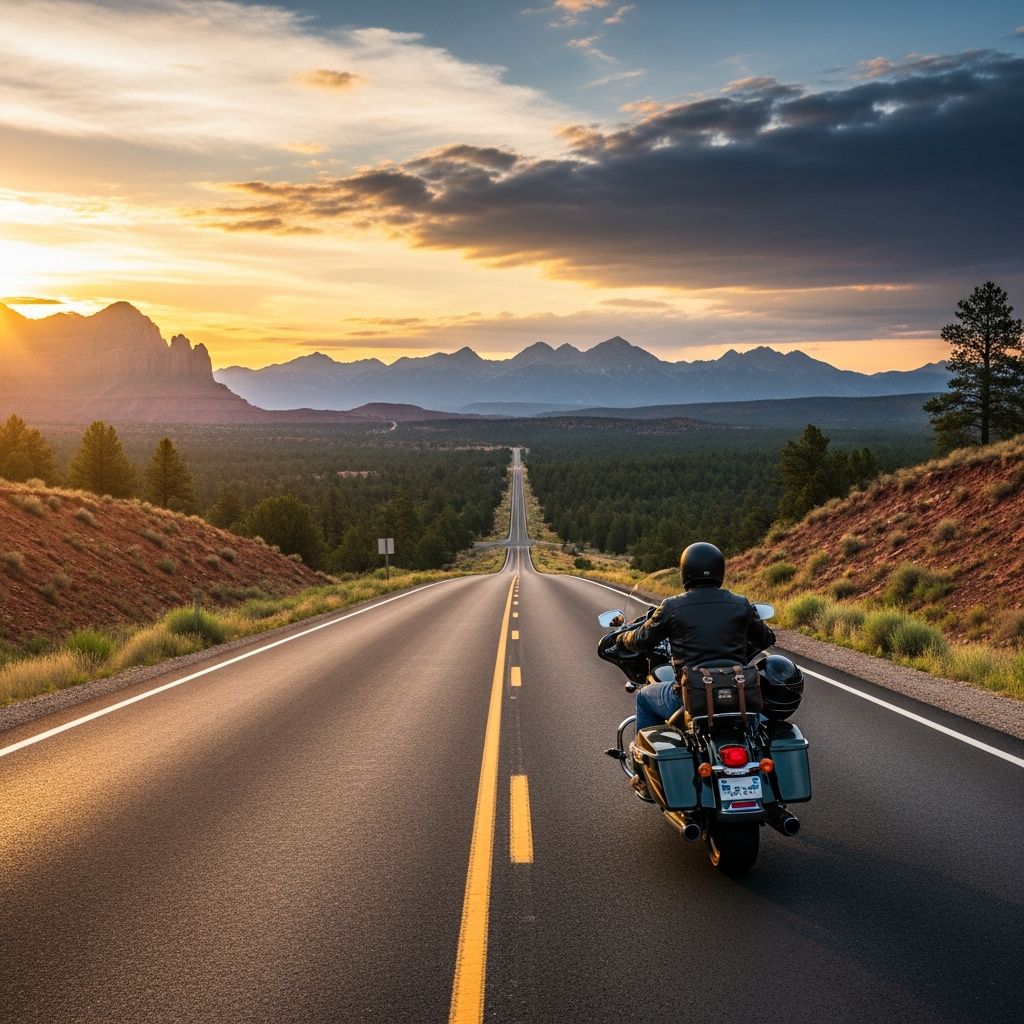
The open road calls to adventurers seeking authentic experiences and unbridled freedom. For those willing to embrace the elements and travel light, a motorcycle journey across the United States offers unparalleled access to America’s diverse landscapes, hidden towns, and genuine cultural encounters. Whether you’re a seasoned rider or considering your first long-distance ride, understanding the fundamentals of motorcycle touring can transform your travel aspirations into reality.
Selecting Your Perfect Riding Machine
Choosing the right motorcycle is fundamental to your journey’s success and enjoyment. The ideal machine depends entirely on the terrain you’ll encounter and your personal riding preferences. Understanding the characteristics of different motorcycle categories helps you make an informed decision that aligns with your route and experience level.
For expansive highway stretches across plains and open country, cruiser-style motorcycles provide comfort and stability. These bikes feature a relaxed riding position, are forgiving for extended periods in the saddle, and handle straightforward terrain with confidence. However, if your itinerary includes winding mountain passes and technical turns through forests or canyons, a nimbler sportbike or sport-touring model offers superior handling and agility. These machines excel at responsive cornering and navigating complex road systems.
For adventurers drawn to unpaved surfaces, remote gravel roads, and backcountry exploration, dual-sport motorcycles provide remarkable versatility. These bikes bridge the gap between street and off-road capabilities, allowing you to leave paved highways and explore genuine wilderness areas. Their higher ground clearance, rugged construction, and suspension design make them ideal for mixed-terrain exploration.
Motorcycle Rental Considerations
If you don’t own a motorcycle or prefer not to transport your own, rental options are readily available across the United States. Daily rental costs typically range from $100 to $180, depending on the bike’s size, age, and type. Beyond the base rental fee, anticipate additional expenses for insurance coverage, protective luggage systems, and helmet provision. While helmets are legally mandated in many states, their importance transcends legal requirements—they represent essential safety equipment that can prove life-saving in unexpected situations.
When selecting a rental company, ask about mileage limitations, fuel policies, and damage provisions. Some operators offer unlimited miles suitable for long-distance travel, while others impose per-mile charges that can accumulate significantly over weeks of riding. Understanding these details prevents unpleasant financial surprises and helps you budget accurately.
Financial Planning for Extended Motorcycle Travel
Budget-conscious adventure doesn’t require sacrifice—it requires strategy. Your daily expenses depend primarily on accommodation choices and dining habits rather than the motorcycle itself. Smart financial planning enables extended journeys that might otherwise seem financially impossible.
Accommodation Strategies
Your lodging approach dramatically impacts overall expenses. Camping represents the most economical option, typically costing nothing on public lands or minimal fees at established campgrounds. Beyond financial savings, camping offers flexibility that hotels cannot match. You can deviate from planned routes, follow unexpected recommendations, or simply stop when you discover an appealing location. Established campsites provide facilities, while dispersed camping on public lands offers genuine solitude and connection with natural environments.
Local knowledge proves invaluable for discovering camping opportunities. Conversations with service station attendants, diner staff, and residents frequently reveal free or low-cost camping spots, sources of firewood, and other practical information that travel guidebooks don’t capture. These interactions also enrich your journey with authentic human connection and local perspectives.
Alternating between camping and occasional motel stays provides an effective compromise. A shower and warm bed every few days significantly improves morale and physical comfort without substantially increasing expenses. Small-town motels along established motorcycle routes rarely experience high booking rates and offer reasonable nightly rates, making them accessible additions to camping-based itineraries.
Daily Expense Breakdown
Consider these typical expenses for motorcycle touring:
- Fuel: $15-25 daily depending on motorcycle efficiency and distance traveled
- Food: $30-50 daily for modest meals prepared at campsites or purchased at local establishments
- Camping/Lodging: $0-40 daily depending on accommodation choices
- Miscellaneous: $10-20 for maintenance, unexpected repairs, or attractions
Conservative estimates suggest daily travel costs between $55-135, making extended journeys financially feasible for most travelers willing to embrace modest living standards.
Exceptional Riding Routes and Destinations
The United States offers countless exceptional motorcycle routes, each presenting unique combinations of riding challenges, scenic diversity, and cultural character. Selecting routes aligned with your interests and skill level ensures an enjoyable experience.
Pacific Northwest Mountain Routes
Eastern Oregon contains a remarkable 250-mile circuit combining technical riding with historical intrigue. Beginning near Maupin, east of Mount Hood, the route traverses Bakeoven Road through landscapes that shift from forested mountains to high-desert plateaus. The journey passes through abandoned mining towns including Shaniko and Antelope, each offering glimpses into frontier-era prosperity and subsequent decline. The John Day Fossil Beds present an otherworldly moonscape of layered rock formations spanning geological epochs. The tiny settlement of Fossil serves as a quiet resupply point before continuing through the Umatilla National Forest toward Sumpter. The Sumpter Valley Gold Dredge, an enormous historic mining apparatus, provides fascinating insight into industrial-scale gold extraction operations.
Classic Cross-Country Corridors
The historic Lincoln Highway, largely paralleling Interstate 80, traces America’s original transcontinental automobile route. This approximately 3,000-mile journey extends from Manhattan’s urban canyons to San Francisco’s Pacific coastline. Modern riders traverse major metropolitan centers including Cleveland, Chicago, Des Moines, Salt Lake City, and Reno, interspersed with countless small towns representing authentic American character. The route combines highway efficiency with access to diverse terrain—from Great Plains expanses to Rocky Mountain passes to California’s agricultural valleys.
Route 66, the legendary “Mother Road,” prioritizes experience over speed. This 2,400-mile trajectory from Chicago to Santa Monica’s Pier captures mid-twentieth-century American travel culture preserved in aging infrastructure. Vintage neon signs, classic diners, and eclectic roadside attractions mark the journey—the Gemini Giant in Illinois, Oklahoma’s Blue Whale of Catoosa, and Arizona’s distinctive Wigwam Motel remind riders of an era when highway travel represented genuine adventure rather than mere transportation.
Eastern Scenic Byways
The Blue Ridge Parkway and Natchez Trace Parkway combination creates an exceptional 500-mile circuit suitable for riders developing their skills. Beginning in Virginia’s Waynesboro, the Blue Ridge Parkway’s 469 miles wind through Appalachian Mountains with gentle curves, minimal traffic, and consistently well-maintained pavement. Small towns like Asheville and Boone provide rest points and cultural exploration opportunities. The landscape features dense forests punctuated by scenic overlooks offering views across mountain ridges.
Transitioning to Mississippi’s Natchez Trace, the character shifts toward open farmland, wooded corridors, and broad vistas. A unique feature distinguishes both parkways—commercial vehicle traffic is prohibited, creating a distinctly peaceful riding environment free from heavy trucks that characterize many American highways.
Practical Preparation and Safety Considerations
Successful long-distance motorcycle touring requires thorough preparation addressing mechanical reliability, personal protection, and emergency planning.
Pre-Journey Motorcycle Maintenance
Before departing, have your motorcycle professionally serviced. Critical inspection points include tire condition and pressure, brake system functionality, fluid levels, chain tension and lubrication, and battery performance. These systems determine your safety and reliability on remote stretches where assistance may be hours away.
Essential Protective Equipment
Quality safety gear extends beyond legally required helmets. Textile or leather riding jackets with impact protection, reinforced pants, sturdy boots, and gloves represent investments in your physical wellbeing. Modern textile gear provides weather protection while maintaining safety standards. Gear designed specifically for motorcycle riding offers better protection than street clothing in accident scenarios.
Navigation and Communication
Modern riders benefit from GPS devices designed specifically for motorcycle navigation, offering water-resistant construction and larger screens readable in sunlight. Alternatively, smartphone applications combined with waterproof cases provide reliable navigation. Regardless of your system, maintain physical maps as backup devices immune to electronic failures. Inform trusted contacts of your intended route and expected arrival times at major checkpoints.
FAQ: Common Motorcycle Touring Questions
What motorcycle licensing requirements apply to long-distance riding?
Motorcycle license requirements vary by state. Most states require a separate motorcycle endorsement or license, obtained through written tests and practical riding skills evaluations. International riders should verify their home country’s license reciprocal recognition and consider obtaining an International Driving Permit. Rental companies require valid motorcycle endorsements and typically set minimum age requirements of 21-25 years.
How should I prepare for challenging weather conditions?
Weather protection begins with appropriate gear selection. Quality rain suits designed for motorcycle use maintain waterproofing while allowing necessary ventilation. Layering systems enable temperature adjustment as you travel through different climates and elevations. Hand guards and windscreens reduce wind fatigue on extended highway sections. Plan your route seasonally—spring and fall offer moderate temperatures and generally reliable weather across most regions.
What mechanical skills should I develop before touring?
Basic maintenance knowledge—tire pressure adjustment, chain lubrication, oil level checking, and simple troubleshooting—enables you to handle minor issues independently. Many riders develop these skills through short rides before committing to extended journeys. Carrying essential tools (tire repair kit, basic wrenches, jumper cables) and spare parts (oil, fuses, brake pads) provides insurance against common problems on remote roads.
How do I find safe parking and secure my motorcycle overnight?
Campgrounds and established motels typically offer secure parking areas. When parking on streets, position your motorcycle visible to passersby—visibility deters theft better than hidden locations. Use sturdy locks securing the frame to fixed objects rather than just locking wheels. Hotel staff often provide secure parking recommendations. Travel insurance covering motorcycle theft provides financial protection, though prevention remains preferable.
Embracing the Motorcycle Touring Lifestyle
Motorcycle touring represents more than transportation—it embodies a philosophy of intentional travel prioritizing experience over convenience. The physical exposure to environments, proximity to landscapes and people, and continuous engagement with changing scenery create profound travel experiences. Motorcycle travel connects you directly to America’s varied geography, cultural diversity, and regional character in ways that insulated automobile travel cannot replicate.
Whether you invest weeks in cross-country exploration or months discovering remote regions, motorcycle touring offers unmatched freedom, affordability, and authentic connection with the American landscape. The combination of mechanical simplicity, minimal environmental impact, and genuine accessibility to diverse environments makes motorcycle touring an increasingly appealing option for adventurers seeking meaningful travel experiences.
Begin with realistic itineraries matching your available time and experience level. Extend your comfort zones gradually through successive journeys. Most importantly, embrace the unexpected encounters, detours, and challenges that transform ordinary trips into transformative adventures. The road awaits—your motorcycle journey begins whenever you decide to ride.
References
- Easy riding: exploring the USA by motorcycle — Lonely Planet. Retrieved April 2026. https://www.lonelyplanet.com/articles/easy-riding-exploring-the-usa-by-motorcycle
- Best Cross-Country Motorcycle Routes in the USA — Riders Share. Retrieved April 2026. https://www.riders-share.com/blog/article/top-5-cross-country-motorcycle-road-trips
- Motorcycle Road Trip Guide: Scenic Rides Across the U.S. — Extra Space Storage. Retrieved April 2026. https://www.extraspace.com/blog/outdoor-recreation/motorcycle-road-trip-guide-scenic-rides-across-the-u-s/
- 50 Best Motorcycle Roads in America — Rider Magazine. December 2024. https://ridermagazine.com/2024/12/17/50-best-motorcycle-roads-in-america/
Similar Articles




Read full bio of Sneha Tete