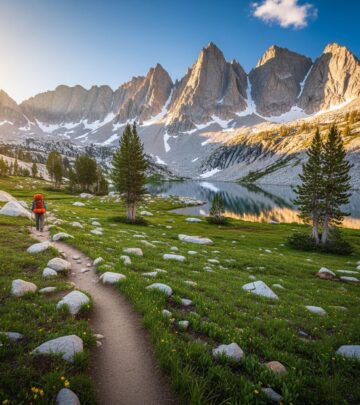
Nakasendo Trail 4-Day Kiso Valley Itinerary And Hike Guide 2025
Discover the ancient Nakasendo Trail through Japan's Kiso Valley: hike historic paths, explore post towns, and immerse in Edo-era culture on this iconic multi-day adventure.
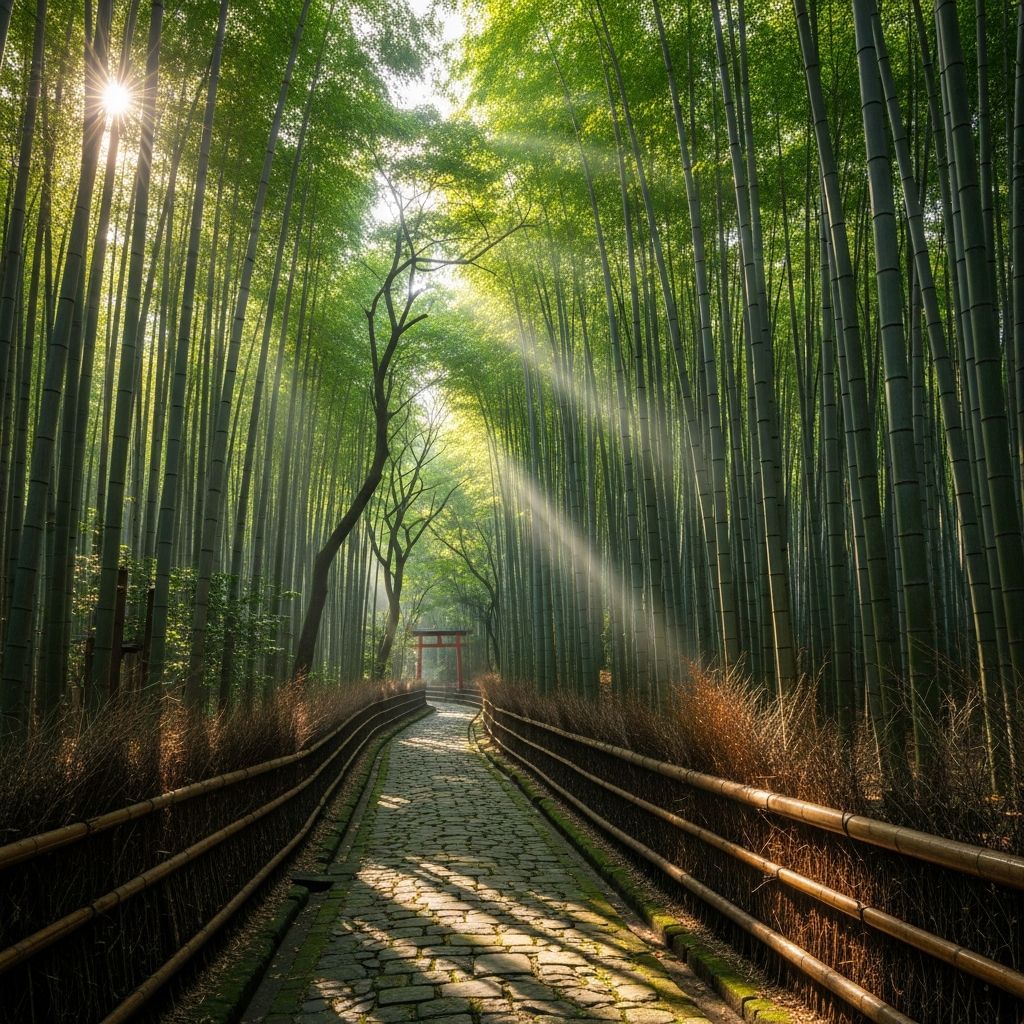
The Nakasendo Trail offers hikers a captivating journey back to Japan’s Edo period, traversing ancient mountain paths that once linked Kyoto and Edo (modern Tokyo). This 534-kilometer historic route, known as the ‘Central Mountain Road,’ features some of Japan’s best-preserved sections in the Kiso Valley, blending serene forests, steep passes, and charming post towns.
Historical Roots of the Nakasendo
Established during the Edo era (1603-1867), the Nakasendo served as a vital trade and travel artery, bypassing coastal roads to connect imperial Kyoto with the shogun’s capital in Tokyo. Samurai, merchants, and pilgrims navigated its rugged terrain, resting at 69 official post stations or ‘shukuba’ towns that provided lodging, food, and horses. These stations dotted the path, fostering local economies through hospitality and commerce.
In the Kiso Valley, nestled between Gifu and Nagano prefectures, 11 such post towns remain remarkably intact, their wooden lattice houses and stone-paved streets evoking life centuries ago. Preservation efforts since the Meiji era have protected sites like Magome and Tsumago from modern development, allowing visitors to experience feudal Japan firsthand.
Why Choose the Kiso Valley Section
The Kiso Valley segment stands out for its accessibility and scenic diversity, ideal for 3-5 day hikes amid central Japan’s Alps. Unlike the full trail’s demanding length, this portion offers downhill-friendly routes, train access for flexibility, and cultural immersion without extreme exertion. Expect cedar-lined paths, bamboo groves, terraced rice fields, and wildlife like deer—ring bear bells for safety on remote stretches.
- Scenic Variety: Forests, waterfalls, passes, and valley vistas.
- Cultural Depth: Post towns with museums, temples, and artisan shops.
- Practicality: Luggage forwarding services and ryokan stays.
Essential Preparation for Your Hike
Plan for moderate fitness: daily walks range 9-23 km with 300-800m elevation gains. Spring (cherry blossoms) and autumn (foliage) are peak seasons; summers are lush but humid, winters snowy. Pack rain gear, sturdy boots, water (2L+), snacks, and cash—ATMs are scarce.
| Item | Recommendation |
|---|---|
| Footwear | Trekking shoes with grip for stone paths and mud. |
| Clothing | Layered, quick-dry; hat and gloves for passes. |
| Navigation | Apps like Maps.me or printed guides; signs in English/Japanese. |
| Health | Bear spray optional; first-aid kit, allergy meds. |
Trains from Nagoya (Nakatsugawa) or Nagano reach trailheads; JR Pass covers most. Book ryokans early, especially in Tsumago.
Detailed 4-Day Itinerary
Day 1: Nakatsugawa to Magome and Tsumago (12 km, 4-5 hours)
Arrive Nakatsugawa by JR Chuo Line. Bus to Magome, a hillside post town famed for its cobblestone street lined with shops selling oyaki dumplings and soba. Ascend through Ochiai’s preserved lanes to Magome Pass (Magome-toge), crossing streams and forests. Descend to Tsumago, another gem with no modern wires—its Waki-honjin museum showcases samurai inns. Overnight in a ryokan with kaiseki dinner.
Day 2: Tsumago to Nagiso and Nojiri (18 km, 6 hours)
Fuel with ryokan breakfast. Follow the trail downhill to Nagiso, crossing the scenic Momosuke Bridge (1920s wooden arch). Uphill through farms and bamboo, passing locals’ gardens, to Nenoue Pass amid mossy cedars. Descend to Nojiri’s quiet streets. Train to Kiso-Fukushima (30 min) for onsen ryokans like Kiso-Mikawaya.
Day 3: Kiso-Fukushima to Yabuhara and Torii Pass (14 km, 5 hours)
Train to Yabuhara. Climb to Torii Pass, the historic halfway checkpoint with ancient torii gates amid red cedars—stunning valley views. Wander ethereal statues and forests. Continue to Kiso-Hirasawa for lacquerware crafts, or train ahead. Evening in Narai, the ‘Narai of a Thousand Houses,’ with elongated streets of preserved homes.
Day 4: Narai to Suhara or Agematsu (20+ km, optional shorten)
Explore Narai’s temples like hollow-core cypress structures. Trek north through cedar forests and bamboo to Suhara, visiting 14th-century Joshoji Temple. For longer hikes, push to Agematsu’s Kiso River gorges. Trains link back; extend to full valley if time allows.
Top Post Towns to Explore
- Magome: Steep main street, teahouses, views.
- Tsumago: Car-free, lantern-lit evenings, museums.
- Narai: Longest preserved street, craft shops.
- Tsumago Falls (Odaki-Medaki): Twin waterfalls en route Day 1.
- Torii Pass: Spiritual site with feudal history.
Accommodation and Dining Highlights
Ryokans provide tatami rooms, futons, and multi-course meals featuring Kiso beef, gohei mochi, and river fish. Budget guesthouses in Nagiso suit solo hikers. Try oyaki (stuffed dumplings), soba, and sake from local breweries. Vegetarians: request shojin ryori (temple cuisine).
Practical Tips and Safety
Forward luggage via Takkyubin for light hiking. Download offline maps; English signage is good but carry Japanese phrases. Wildlife: Bears rare but ring bells. Weather changes fast—check forecasts. Respect no-trace principles; post towns ban littering.
Frequently Asked Questions (FAQs)
Is the Nakasendo Trail suitable for beginners?
Yes, Kiso sections are moderate with options to shorten via train. Good fitness helps for uphill passes.
How do I get to the trailhead?
JR from Nagoya to Nakatsugawa (1 hour), then bus. Nagano side via Kiso-Fukushima.
Best time to hike?
March-June or September-November for mild weather and colors.
Can I hike solo as a woman?
Absolutely—safe, popular trails with day-trippers. Stay in family-run ryokans.
Costs for 4 days?
¥30,000-50,000/person: trains ¥5,000, ryokans ¥15,000/night, food ¥3,000/day.
Extending Your Adventure
Combine with Kumano Kodo or Japanese Alps for epic tours. Guided options like Walk Japan add history lectures. Visit nearby onsen towns or lacquer museums for deeper culture.
References
- Hiking the Historic Nakasendo Trail: 3 Days in the Kiso Valley — Boutique Japan. 2023. https://boutiquejapan.com/nakasendo-trail/
- Nakasendo | Travel Japan — Japan National Tourism Organization. 2024-04-15. https://www.japan.travel/en/spot/1367/
- Solo Hiking the Nakasendo Trail: Complete Guide and Itinerary — Maris Around the World. 2023. https://www.marisaroundtheworld.com/solo-hiking-the-nakasendo-trail-complete-guide-and-itinerary/
- The Nakasendo Trail: Hiking through Japan’s Traditional Postal Towns — Tokyo Becky. 2022. https://tokyobecky.com/the-nakasendo-trail-a-hike-through-japans-beautiful-traditional-postal-towns/
- Nakasendo Way – Walk Japan Guided Tours — Walk Japan. 2024. https://walkjapan.com/tour/nakasendo-way
Similar Articles








Read full bio of Sneha Tete