Philadelphia Transportation Guide: Local Tips & Transit Map
Complete guide to moving around Philadelphia's diverse transit systems and neighborhoods.
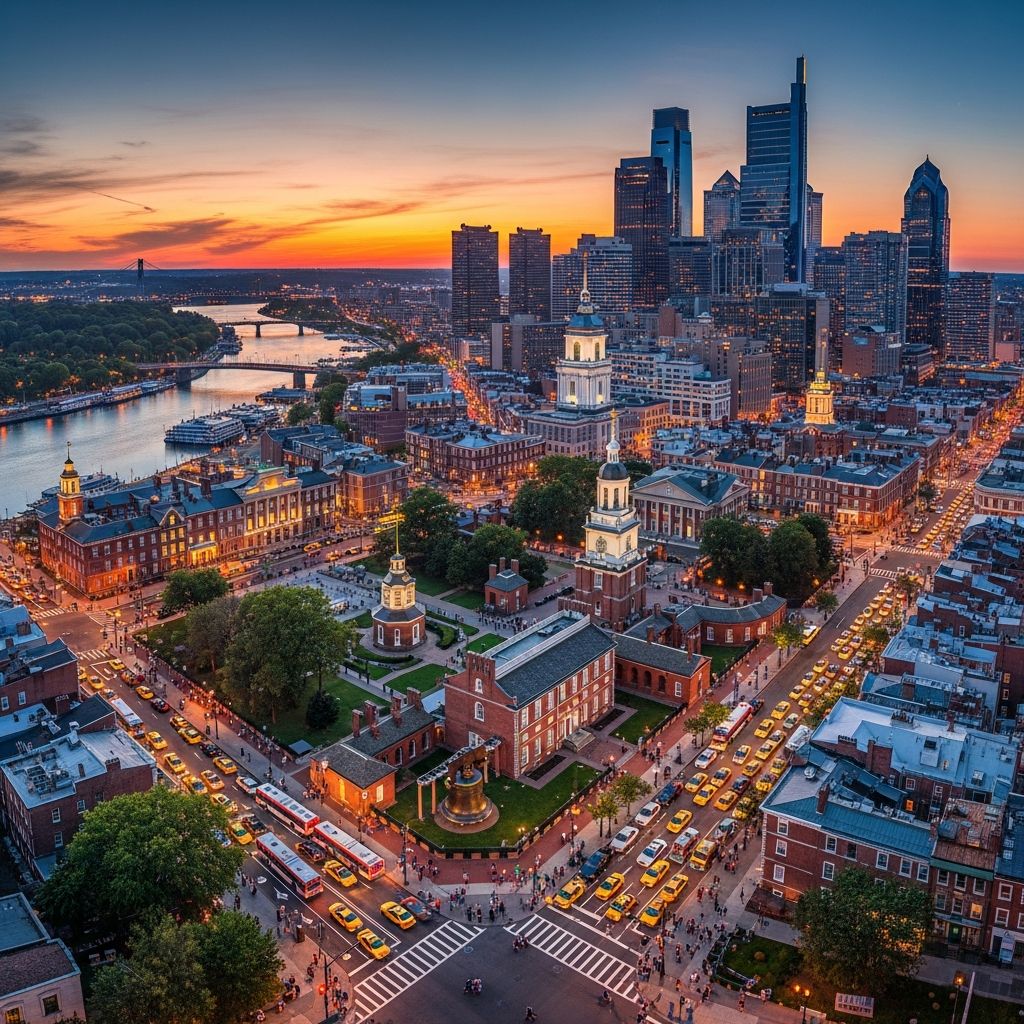
Philadelphia’s transportation infrastructure offers multiple pathways for exploring one of America’s most historic and vibrant cities. Whether you’re arriving from another state, relocating to the region, or simply discovering new neighborhoods, understanding the city’s mobility options ensures efficient travel and enriched urban exploration. The city provides an interconnected network combining subway systems, bus routes, trolley lines, and regional rail connections that extend far beyond Center City boundaries.
Understanding SEPTA: The Backbone of Philadelphia Transit
The Southeastern Pennsylvania Transportation Authority (SEPTA) operates as Philadelphia’s primary transportation provider, managing an extensive system that serves the city and surrounding five-county region. As the nation’s sixth-largest public transit system, SEPTA coordinates multiple transportation modes operating continuously throughout the week, with service frequencies often reaching every few minutes during peak hours.
SEPTA’s digital presence provides essential planning tools for travelers. The agency’s website features real-time schedules, interactive maps, and service alerts that help passengers identify optimal routes and anticipate delays. Additionally, the mobile application (available on iOS and Android platforms) delivers live notifications about weather-related disruptions and route modifications, enabling travelers to adjust plans dynamically.
Accessing Real-Time Information
- Official SEPTA website for comprehensive schedules and route mapping
- Mobile application for push notifications and live tracking
- Station kiosks displaying real-time departure information
- Customer service hotline for route-specific questions
Subway System: Underground Expressways Through Center City
Philadelphia’s underground rapid transit network consists of two primary lines that form the backbone of Center City connectivity. These subway corridors transport hundreds of thousands of daily passengers through the city’s most commercially active and historically significant areas.
Market-Frankford Line: East-West Connectivity
The Market-Frankford Line (frequently identified by blue signage) operates as the city’s east-west transit artery, combining both underground and elevated track sections throughout its route. The infrastructure’s partial elevation earned this line the colloquial nickname “The El” among long-time residents and frequent riders. The line extends westward from the 69th Street Transportation Center in Upper Darby, traveling through Center City’s commercial district before reaching the Frankford neighborhood in Northeast Philadelphia. This geographic span connects suburban communities with downtown destinations, making it particularly valuable for commuters from outer neighborhoods.
Broad Street Line: North-South Spine
The Broad Street Line (commonly referred to as the orange line or B-Line) operates entirely underground, running the full north-south length of Philadelphia beneath Broad Street. The line originates at Fern Rock Transportation Center in North Philadelphia and terminates at Franklin Delano Roosevelt Park in South Philadelphia, with a spur line providing access to the Historic District. This route connects stadium complexes, cultural institutions, and major employment centers, serving as the city’s primary north-south express corridor.
Subway Fare Structure and Payment Options
Standard SEPTA subway fares operate on a straightforward pricing model. Cash payment for a single subway trip costs $2.50, while Quick Trip tickets purchased at Metro stations offer equivalent pricing. Weekly and monthly pass options provide cost savings for frequent riders, with reduced fares available for seniors, students, and persons with disabilities. Digital payment via the SEPTA mobile application enables contactless fare payment at eligible stations.
The Trolley Network: Historic Charm Meets Modern Transit
Philadelphia’s distinctive trolley system represents a transit mode combining contemporary efficiency with historical character. Eight separate trolley lines operate across the city, providing both surface-level and underground service depending on route geography. These tracked vehicles serve as important connectors between neighborhoods and other transit modes, particularly in Center City and surrounding commercial corridors.
T-Routes: Subway-Surface Integration
The Subway-Surface Trolley Lines (T-Routes) encompass routes 10, 11, 13, 34, and 36, serving West and North Philadelphia via street-level tracks while transitioning through underground Center City infrastructure. Routes 11, 13, 34, and 36 specifically extend visitor access to leafy West Philadelphia neighborhoods, with stops along Baltimore Avenue in Spruce Hill and Cedar Park—areas featuring distinctive boutique shopping and dining establishments. This configuration allows passengers to experience neighborhood-level transit while benefiting from rapid downtown transit connections.
Heritage and Specialty Trolley Service
Route 15’s Girard Avenue Line (G-Route) operates restored 1947 cream-and-green trolley streetcars featuring vintage aesthetics combined with contemporary safety features. This line traverses Port Richmond, Fishtown, and West Philadelphia, providing both transportation and nostalgic urban experiences for riders appreciating historical transit design. The Media-Sharon Hill Line (D-Route, routes 101 and 102) extends service beyond Philadelphia into adjacent Delaware County communities, connecting 69th Street Transportation Center with Media and Sharon Hill terminals.
Bus Network: Comprehensive Coverage Across Multiple Counties
SEPTA operates one of the most extensive bus networks in North America, with over 1,000 buses traveling approximately 1,200 miles of road across 115 routes. This comprehensive coverage reaches nearly every Philadelphia neighborhood and extends service throughout the surrounding five-county region, making buses essential for accessing destinations beyond subway and trolley corridors.
Route Identification and Service Types
SEPTA bus routes use both numerical and alphabetical designations, allowing riders to quickly identify and distinguish between service types. Numbered routes serve primary corridors and neighborhood connections, while letter-designated routes often serve specialized functions. A select group of “Night Owl” routes provide 24-hour service for late-night workers, healthcare professionals, and others requiring non-traditional travel times. The L1 OWL bus specifically serves late-night riders traveling between Northeast and West Philadelphia from midnight through early morning hours.
Bus Fares and Payment Methods
Standard bus fare pricing matches subway rates at $2.50 per trip for cash payment. Passengers boarding buses receive transfers allowing connections to subsequent buses within designated time windows. Weekly and monthly bus passes provide economical options for regular commuters, while SEPTA’s mobile application enables digital fare payment on compatible devices.
Regional Rail: Extending Mobility Beyond City Limits
SEPTA’s Regional Rail network significantly expands the geographic reach of public transportation, connecting Philadelphia to surrounding communities in New Jersey, Delaware, and Pennsylvania. This service operates from three primary Center City stations: William H. Gray III 30th Street Station, Suburban Station, and Jefferson Station.
Key Regional Rail Destinations
| Destination Region | Notable Communities | Use Cases |
|---|---|---|
| North | Trenton (NJ), Hatboro, Chestnut Hill | Connections to NJ Transit, historical sites |
| South | Downingtown, Media | Suburban destinations, shopping |
| West | Villanova, Swarthmore, Bala Cynwyd | University campuses, residential areas |
| Northeast | East Falls, Mt. Airy, Manayunk | Entertainment districts, residential neighborhoods |
Airport Connectivity
The Regional Rail system’s Airport Line provides direct connections between Center City stations and Philadelphia International Airport. This rail option offers an alternative to rideshare services and rental vehicles, reducing traffic congestion and parking costs for airport travelers. The line operates regularly throughout the day and evening, accommodating various flight schedules.
Interstate Connections
Regional Rail’s Trenton Line connects Philadelphia’s Center City stations directly to Trenton Transit Center, where New Jersey Transit service provides onward connections to New York City and other northeastern destinations. This gateway function makes Philadelphia accessible from major East Coast cities via coordinated transit systems rather than private vehicle travel.
The Norristown High-Speed Line: Extending Westward
The Norristown High-Speed Line (M-Line) provides separate but complementary service to Philadelphia’s Regional Rail network, extending from 69th Street Transportation Center westward into Montgomery County. This line serves passengers traveling to Norristown and intermediate communities, expanding transit accessibility beyond traditional city boundaries.
Intercity Rail and Bus Options
For travelers arriving from distant locations or departing Philadelphia for major metropolitan areas, multiple intercity transportation providers operate from 30th Street Station and surrounding facilities.
Amtrak Service
Amtrak trains departing Philadelphia’s 30th Street Station serve major Northeast Corridor destinations including New York City, Washington D.C., and Boston. The Northeast Regional and Acela express service provide downtown-to-downtown connections, eliminating airport traffic and parking concerns for intercity travel.
Intercity Bus Providers
The Greyhound Philadelphia Bus Station coordinates service to communities throughout Pennsylvania and neighboring states. Additional carriers including Fullington Trailways, Martz Trailways, and Peter Pan Bus Lines expand intercity coverage. Alternative providers such as NJ Transit, Megabus, and additional Martz routes operate from 30th Street Station and surrounding facilities, offering competitive pricing and flexible scheduling for budget-conscious travelers.
Bicycle and Bike Share Systems
Indego, Philadelphia’s bike-sharing program, provides over 2,000 self-service bicycles distributed across 200+ stations throughout the city. This system enables riders to rent bikes, explore neighborhoods at their own pace, and return equipment to any station location, creating flexible transportation without vehicle ownership requirements. Indego passes accommodate single rides, full-day access, or multi-day options depending on travel duration and frequency.
PHLASH: Seasonal Visitor Loop Service
The PHLASH represents Philadelphia’s specialized seasonal transportation solution designed specifically for visitor convenience. This dedicated loop operates from spring through early winter, with enhanced daily service from April through September and weekend-only service through December. The service connects Philadelphia’s premier attractions including Independence National Historical Park, the Philadelphia Museum of Art, The Franklin Institute, and LOVE Park, with seasonal stops expanding to the Philadelphia Zoo and Please Touch Museum.
All PHLASH buses feature climate-controlled interiors and wheelchair accessibility, with vehicles arriving at designated stops every 15 minutes. Flexible pass options allow single-ride purchases, full-day unlimited travel, or two-day passes accommodating varied visitor itineraries and sightseeing schedules.
Rideshare and Private Vehicle Options
Despite comprehensive public transit availability, rideshare services including Uber and Lyft operate throughout Philadelphia, offering flexibility for specific travel circumstances. These services provide point-to-point connections without transit transfers, though they increase personal transportation costs compared to public options. During peak hours, rideshare services may encounter traffic congestion affecting reliability and pricing.
Walking and Neighborhood Exploration
Philadelphia’s compact Center City and well-defined neighborhoods support extensive pedestrian navigation. Walking remains the optimal method for experiencing historic architecture, street-level commerce, and neighborhood character. Flat terrain in many areas facilitates comfortable walking distances, while varied topography in certain neighborhoods requires consideration when planning extended walks.
Trip Planning and Optimization Strategies
Practical Transit Tips
- Download the SEPTA mobile application before arrival for offline access to basic route information
- Purchase multi-day passes if planning extensive transit usage, reducing per-trip costs significantly
- Identify key transit stations near your accommodation for efficient baseline routing
- Consider neighborhood location when selecting accommodations to minimize transit times to attractions
- Use SEPTA’s real-time alerts to adjust plans during service disruptions or weather delays
- Travel during off-peak hours to avoid crowding and experience faster service
Accessibility Considerations
SEPTA’s transit network accommodates passengers with mobility limitations through wheelchair-accessible buses, trolleys, and designated elevator service at select subway stations. The agency provides detailed accessibility information for each route and station, enabling travelers to identify appropriate transportation options matching specific accessibility requirements.
Frequently Asked Questions About Philadelphia Transportation
What is the most economical way to explore Philadelphia using public transit?
Multi-day SEPTA passes provide the lowest per-trip costs for extensive transit usage. Visitors planning to visit multiple neighborhoods and attractions should calculate whether daily or multi-day pass costs justify individual ticket purchases. The PHLASH seasonal loop offers specialized value for visitors focused on major attractions during spring and summer months.
Can I use one transit card across all SEPTA services?
Yes, SEPTA passes and cards work across all service modes including subways, buses, trolleys, and regional rail. This integration simplifies travel planning and eliminates the need for multiple payment systems.
How do I reach Philadelphia International Airport from the city center?
The Regional Rail Airport Line provides direct service from Center City stations to the airport terminals. This rail connection offers lower costs and reduced travel times compared to rideshare during non-peak hours.
Are late-night transportation options available?
Yes, SEPTA operates designated Night Owl routes including the L1 OWL bus providing midnight through early morning service connecting Northeast and West Philadelphia. Rideshare services also operate late into the evening.
Conclusion: Seamless Mobility Throughout Philadelphia
Philadelphia’s multi-modal transportation system provides reliable, affordable options for navigating the city and surrounding region. From rapid subway connections across Center City to regional rail extending into surrounding counties, the infrastructure supports diverse travel patterns and preferences. Whether prioritizing cost efficiency, travel speed, or authentic neighborhood exploration, Philadelphia’s transit options accommodate various transportation priorities and travel styles.
References
- A Guide to SEPTA and Public Transportation in Philly — Visit Philly. 2024. https://www.visitphilly.com/things-to-do/attractions/septa/
- Transportation in Philadelphia – DiscoverPHL — DiscoverPHL. 2024. https://www.discoverphl.com/discover/transportation/
- Getting Around: Tips for Navigating Philadelphia — Visit Philly. 2024. https://www.visitphilly.com/getting-around/
- Southeastern Pennsylvania Transportation Authority — SEPTA Official Website. 2024. https://www.septa.org
- Guide to Philly’s public transportation — The Triangle. 2024. https://thetriangle.org/article/guide-to-phillys-public-transportation
Similar Articles







Read full bio of Sneha Tete