
Navigating Peak Season Travel Successfully
Master the art of traveling during busy seasons with proven strategies
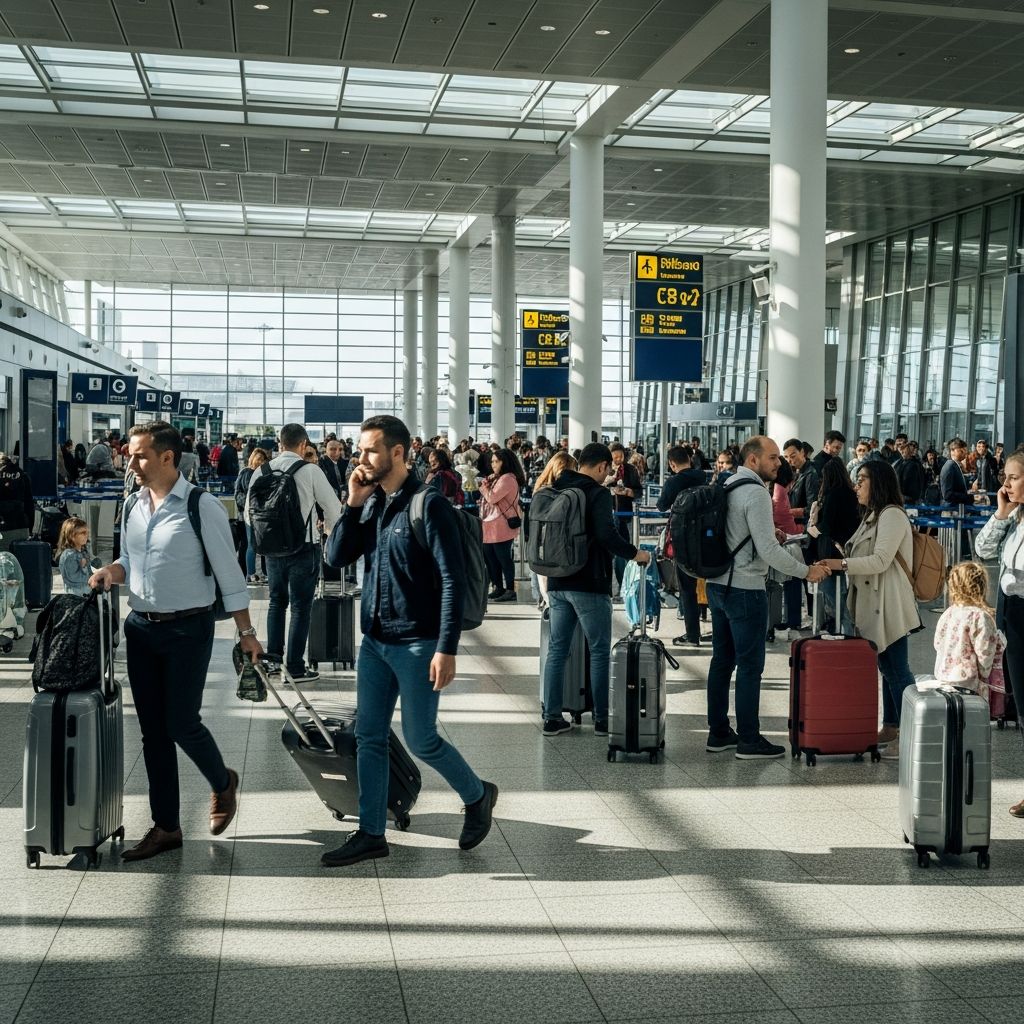
Traveling during peak season presents a unique paradox: popular destinations offer vibrant energy and optimal weather, yet they also bring crowded attractions, inflated prices, and limited availability. Whether you’re planning a summer escape, holiday getaway, or visiting during school breaks, understanding how to navigate these busy periods can transform your experience from stressful to spectacular. This comprehensive guide provides actionable strategies to help you make the most of peak season travel without compromising your budget or enjoyment.
The Foundation: Advance Planning and Strategic Booking
The cornerstone of successful peak season travel is securing your reservations well before your departure date. Booking several months in advance provides multiple advantages that can significantly impact both your experience and your wallet.
Securing Flights at Optimal Rates
Airfares during peak season increase dramatically as travel dates approach. By committing to your travel plans early, you gain access to better pricing and a wider selection of flight times. Early bookings also provide flexibility in choosing departure times that work best for your itinerary, whether you prefer early morning flights to maximize daylight or evening departures that minimize time off work.
Accommodation Selection and Booking
Hotels and alternative lodging options fill rapidly during peak periods. Securing your accommodation early ensures access to prime locations at better rates. Beyond traditional hotels, consider boutique properties, guesthouses, and vacation rentals that often provide quieter, more personalized experiences compared to larger chain establishments. Alternative accommodations frequently offer better value and more authentic connections to local communities.
Attraction Access and Ticketing
Popular attractions often implement daily visitor limits and advance reservation systems during peak season. Pre-booking tickets accomplishes several objectives: it guarantees your entry at your preferred time, eliminates the risk of reaching an attraction at capacity, and frequently provides skip-the-line access that saves valuable vacation time. Research your destination’s major attractions and mark their online ticketing opening dates to ensure you secure spots before they sell out.
Temporal Flexibility: Timing Strategies for Optimal Experience
While advance booking is essential, strategic flexibility regarding when and how you travel can yield significant benefits.
Shifting Your Travel Dates
Traveling immediately before or after the absolute peak period can dramatically reduce crowds and costs. If possible, departing on weekdays rather than weekends often results in substantially lower fares and less congested attractions. For example, a Thursday departure and Monday return frequently costs considerably less than weekend travel while providing equally satisfying experiences. Taking additional vacation days to travel on off-peak days can prove more economical than rushing during peak weekends.
Maximizing Daylight with Early Starts
Early morning exploration provides multiple advantages during peak season. Most visitors begin their days around 10 a.m., meaning those arriving at attractions at opening time enjoy significantly smaller crowds. Early risers experience iconic landmarks with greater solitude, superior photography opportunities, and more meaningful interactions with cultural sites. The tranquility of morning visits often creates more memorable experiences than midday rushes.
Utilizing Late-Day Visiting Windows
As afternoon progresses, many tourists either return to accommodations for rest or shift to dining activities. Late afternoon and early evening visits to attractions often reveal reduced crowds while maintaining acceptable lighting conditions for outdoor sites. This strategy proves particularly effective for museums and galleries offering extended evening hours during peak season.
Destination Flexibility and Alternative Choices
Geographic flexibility represents another powerful strategy for peak season travelers.
Exploring Adjacent Regions
Instead of targeting the most famous destinations, consider nearby alternatives offering similar experiences with significantly smaller crowds. For instance, exploring Lombok or Flores in Indonesia provides comparable tropical beauty to Bali with substantially reduced visitor volumes. Similarly, lesser-known regions in established tourism areas often deliver exceptional experiences with fraction of the crowding.
Off-Season Alternatives Within Peak Regions
Even within popular destinations, certain areas experience reduced crowds during peak periods due to climate or other factors. Ski resort towns transform into vibrant summer destinations when their winter season ends, offering mountain activities with fewer visitors than traditional summer hotspots.
Theme Park Weekday Strategy
For attractions like theme parks that draw families during school holidays, visiting midweek rather than weekends significantly reduces wait times. Since many parents work Monday through Friday, these weekdays experience substantially lower attendance despite being within the overall peak season, and may even offer cheaper ticket rates during slower days.
Financial Optimization Strategies
Beyond advance booking, multiple approaches can help minimize peak season expenses.
Leveraging Travel Rewards and Points
Using accumulated travel points or credit card rewards to cover accommodations or flights can substantially reduce out-of-pocket expenses. This approach proves especially valuable during peak season when cash prices peak, as using points essentially locks in lower effective costs.
Ground Transportation Advantages
When booking last-minute, bus and train tickets typically remain more available than flights, and are less vulnerable to weather-related cancellations. Ground transportation often offers better flexibility for last-minute travelers and avoids airport congestion entirely.
Carry-On Travel Efficiency
Traveling with only a carry-on bag reduces baggage fees while minimizing lost luggage risk and eliminating time at baggage carousels. This approach also streamlines airport procedures and provides greater flexibility for spontaneous activities during your trip.
Technology and Local Knowledge Integration
Modern tools and community insights significantly enhance peak season navigation.
Crowd-Tracking Applications
Travel apps provide real-time information about attraction crowds, weather conditions, and local events. This dynamic data enables informed decisions about when to visit specific sites or whether to shift to backup plans based on current conditions rather than static assumptions.
Digital Ticketing Systems
E-tickets and mobile passes eliminate ticket office lines and provide skip-the-line access at many attractions. Digital systems also enable flexible scheduling and often provide last-minute availability information impossible to obtain through traditional ticketing.
Local Guidance and Timing Wisdom
Engaging with locals—whether through guided tours, casual conversations, or online communities—provides insider knowledge about seasonal crowd patterns. Locals understand temporal variations in visitor flows and can recommend optimal visiting times for specific attractions or areas. Guides often have established procedures to bypass major crowds or experience sites during less popular windows.
Itinerary Flexibility and Adaptation
Rigid planning often leads to disappointment during peak season, while structured flexibility enables recovery from disruptions.
Building in Backup Options
Maintain a prioritized list of alternative activities and attractions beyond your primary itinerary. When arriving at a planned destination to find excessive crowds, you can seamlessly transition to equally compelling alternatives without derailing your travel experience. This flexibility often leads to discovering less-famous but equally fascinating locations that enrich your journey.
Scheduled Downtime Integration
Building relaxation periods into your schedule allows recovery from peak season intensity while providing time for spontaneous exploration. Intentional downtime prevents exhaustion and creates space for unexpected discoveries that often become travel highlights.
Activity Planning and Booking
Strategic planning of activities multiplies your time efficiency and prevents disappointment.
Advance Reservations for Popular Experiences
Some attractions require reservations weeks or even months in advance during peak season. Identifying these requirements early prevents the frustration of arriving to find your desired experiences fully booked.
Skip-the-Line Tour Considerations
While skip-the-line tours typically cost more than standard entry, the premium is often modest compared to the time and stress saved. These tours transform hours-long waits into manageable experiences while frequently providing added value through expert guidance or thematic elements.
Family-Oriented Scheduling
For families with young children, advance activity booking and strategic timing prevent meltdowns caused by long waits or excessive crowds. Careful scheduling accommodates children’s energy and patience levels while maximizing meaningful experiences.
Comprehensive Peak Season Comparison Table
| Strategy | Timing | Cost Impact | Crowd Reduction |
|---|---|---|---|
| Book 3+ months advance | Months before | Significant savings | Guaranteed availability |
| Travel weekdays | Mon-Fri | 15-30% savings | Moderate reduction |
| Arrive early/late | Opening/closing hours | No additional cost | Significant reduction |
| Alternative destinations | Flexible timing | Variable | Major reduction |
| Skip-the-line tours | Pre-booked | 10-20% premium | Elimates wait time |
Frequently Asked Questions
How far in advance should I book peak season travel?
Booking 2-4 months in advance provides optimal pricing for flights and accommodations while still allowing flexibility. For extremely popular attractions, booking 6 months ahead ensures availability.
Can I find last-minute deals during peak season?
While fewer deals exist during peak periods compared to off-season, last-minute discounts occasionally emerge, particularly for ground transportation, accommodations, and certain attractions. Flexibility with dates and destinations increases your odds of finding these opportunities.
Is traveling during peak season worth the additional cost?
Peak season often offers superior weather, full availability of activities, and vibrant local atmospheres. Whether it’s worth the premium depends on your priorities—if weather or specific events matter, peak season justifies the cost; if you prioritize budget, shoulder or off-seasons may suit you better.
What’s the single most impactful strategy for peak season travel?
Advance booking provides the most comprehensive benefits, securing better prices, preferred times, and guaranteed access to popular attractions.
How can I visit famous attractions with minimal wait times?
Arriving immediately at opening time, visiting during weekdays, or booking skip-the-line tours each provide substantial reductions in wait times.
Final Considerations for Peak Season Success
Peak season travel demands more intentional planning than visiting during quieter periods, yet this planning yields extraordinary experiences. By combining advance bookings with temporal and geographic flexibility, leveraging technology, and maintaining adaptive itineraries, you can navigate crowds effectively while maximizing both your budget and enjoyment. The key lies not in avoiding peak season entirely, but in approaching it strategically—transforming potential challenges into manageable logistics while preserving the excitement and energy that makes peak season travel compelling. Whether you’re witnessing summer festivals, experiencing optimal weather, or celebrating with family during school breaks, these strategies ensure your peak season travel becomes a highlight rather than an ordeal.
References
- How to Travel During Peak Travel Season — SmarterTravel. Accessed April 2026. https://www.smartertravel.com/how-to-travel-during-peak-travel-season/
- Mastering High Season Travel – 10 Tips for Smart Explorers — Passing Thru. Accessed April 2026. https://passingthru.com/mastering-high-season-travel/
- Travel Tips for Peak Season: Navigating Crowds with Ease — Interbus Online. Accessed April 2026. https://www.interbusonline.com/travel-tips-for-peak-season/
- Best Tips for Travelling During Peak Season 2026 — Milesopedia. Accessed April 2026. https://milesopedia.com/en/guide/peak-season-travel-tips/
- The ultimate tips for peak season travel — Lonely Planet. Accessed April 2026. https://www.lonelyplanet.com/articles/the-ultimate-tips-for-peak-season-travel
- Tips for Peak Season Travel — Travel Babbo. Accessed April 2026. https://travelbabbo.com/tips-peak-season-travel/
- Top travel tips to keep your summer trip on track and on budget — The Points Guy. Accessed April 2026. https://thepointsguy.com/travel/sold-out-summer-travel-tips/
Similar Articles







Read full bio of Sneha Tete