
Navigating Egypt’s Nile: A Complete River Cruise Handbook
Master your Egyptian river adventure with insider tips on itineraries, sites, and practical planning
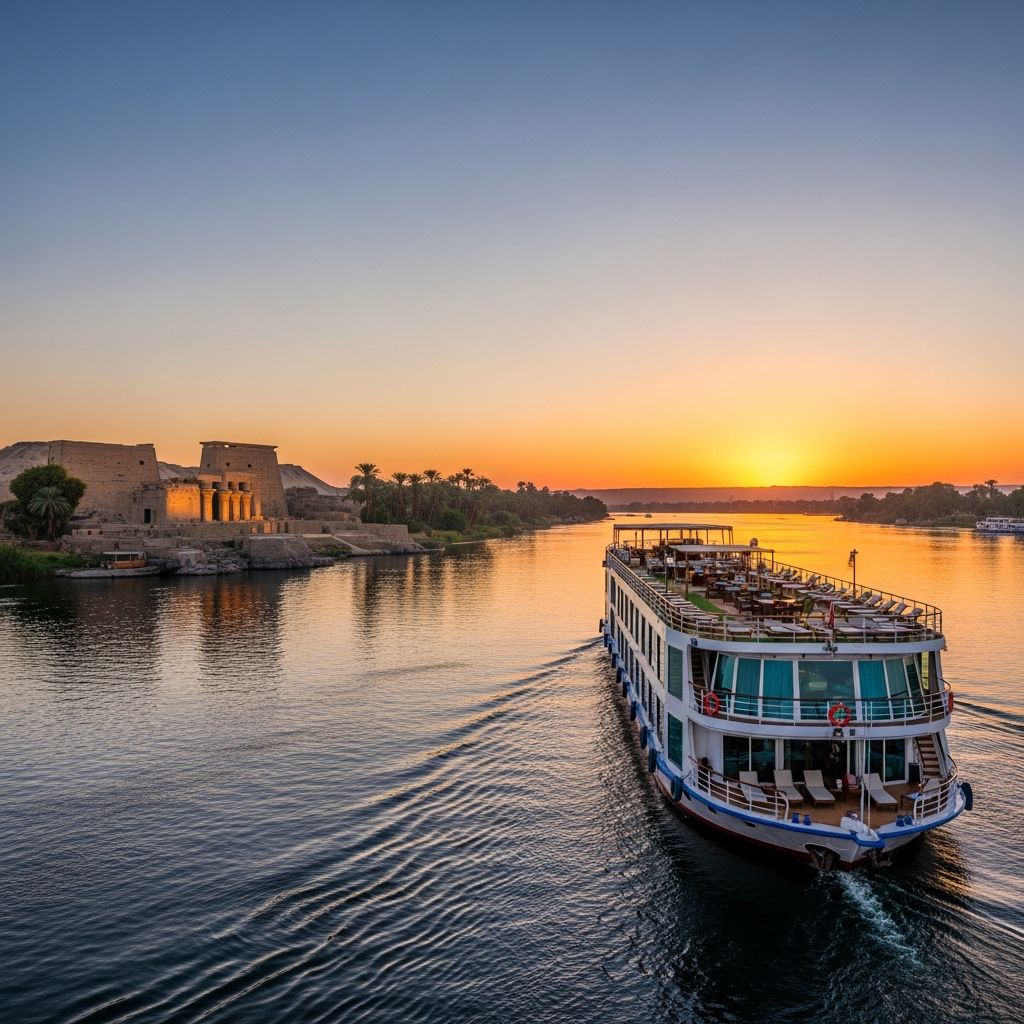
The Nile River represents far more than a geographical feature—it is the lifeblood of Egypt and a gateway to understanding one of humanity’s greatest civilizations. Traveling along its waters provides an unparalleled opportunity to witness millennia of human achievement, from monumental temples carved into limestone cliffs to bustling modern cities that blend ancient traditions with contemporary life. A river cruise offers travelers a unique vantage point, allowing them to experience Egypt at a measured pace while accessing some of the world’s most significant archaeological treasures. This guide equips prospective cruisers with comprehensive information to transform their Egyptian adventure into an unforgettable journey.
Understanding Your Route Options
The Nile stretches across Egypt in different navigable sections, each offering distinct experiences and attractions. The river can be conceptually divided into two primary regions that serve different purposes within the typical tourist itinerary. Understanding these divisions helps travelers make informed decisions about which portions to prioritize based on their interests and available time.
The northern section centers on Cairo and its surrounding environs, positioned near the Mediterranean terminus of the river. This region serves as the gateway for most international visitors and contains some of Egypt’s most recognizable monuments. However, this portion of the river presents a unique challenge—while the Nile flows through Cairo, most travelers experience this area via land-based accommodation rather than shipboard stays. Visitors typically lodge in Cairo hotels to explore the pyramid complexes, the Great Sphinx, and the newly opened museums before traveling southward.
The southern stretch, extending approximately 130 miles between the cities of Luxor and Aswan, represents the primary cruising corridor. This section of the river is where most river cruise companies operate their vessels, and this is where the majority of shipboard time occurs during a typical itinerary. The distance between these two cities creates an ideal duration for multi-day voyages, allowing sufficient time to visit numerous archaeological sites while maintaining a comfortable onboard rhythm.
Selecting Your Cruise Duration
Unlike ocean cruises that offer highly variable lengths, Nile River cruises operate within fairly standardized timeframes dictated by the geography and logistics of river navigation. Most cruise operators have settled on established duration patterns that balance comprehensive sightseeing with practical scheduling constraints.
- Standard cruise lengths typically range from four to seven nights of river travel, with most cruises falling into the four to five-night category for the Luxor-to-Aswan journey
- Shorter itineraries (3–4 nights) provide concentrated experiences that highlight the most famous temples and sites, appealing to time-constrained travelers
- Extended voyages (6–7 nights) allow for unhurried pacing, additional shore excursions, and opportunities to explore less-visited locations
- Round-trip cruises from either Luxor or Aswan take passengers south and return them to their starting point, eliminating the need for repositioning logistics
- One-way cruises between Luxor and Aswan (or vice versa) work well for travelers comfortable with directional travel and provide efficient itinerary planning
Major Archaeological and Cultural Destinations
The stretch of river between Luxor and Aswan concentrates some of the ancient world’s most significant temples and archaeological sites within a relatively compact area. The spatial proximity of these monuments—combined with their accessibility from the river—creates an extraordinary opportunity for cultural immersion.
Luxor serves as the northern anchor of the cruise corridor and sits atop the ancient city of Thebes, once the capital of Egypt’s New Kingdom. The town itself functions as an open-air museum, with temples rising directly from the modern townscape. The Temple of Karnak, one of antiquity’s most imposing religious structures, showcases the architectural ambitions of ancient Egyptian rulers through its forest of towering columns and vast courtyards. Across the river in what locals call the West Bank lies the Valley of the Kings, where pharaohs were entombed in hidden chambers carved into rocky cliffs. The Temple of Hatshepsut, designed as a mortuary temple for a female pharaoh, demonstrates sophisticated architectural planning with its colonnaded terraces ascending the desert cliff face.
Edfu occupies a midpoint position along the cruise route and features a remarkably well-preserved temple dedicated to the falcon god Horus. The Temple of Edfu represents one of Egypt’s finest remaining examples of Ptolemaic-period architecture, with intricate hieroglyphic inscriptions adorning its interior walls. Its state of preservation surpasses many other temples, allowing visitors to visualize how these sacred spaces appeared in antiquity.
Kom Ombo presents a distinctive dual temple design, with two identical temple structures built adjacent to one another. This architectural arrangement reflected the temple’s dedication to two deities and created a symmetrical visual impression. The site’s riverside location makes it particularly accessible to cruise passengers, and many itineraries include extended time here.
Aswan, the southern terminus of most cruises, combines archaeological sites with natural attractions. The Aswan High Dam, a modern engineering achievement completed in 1970, altered the region’s hydrology and created Lake Nasser. The Temple of Philae, originally constructed on an island in the Nile, was carefully relocated to higher ground to prevent submersion when the dam’s waters rose. This massive relocation effort in the 1960s stands as a testament to international cooperation in cultural preservation. Nearby, the unfinished obelisk offers insights into ancient Egyptian stoneworking techniques.
Optional Extensions and Premium Excursions
While the standard Luxor-to-Aswan route covers major sites, travelers seeking more comprehensive experiences can supplement their cruise with additional activities and day trips. These extensions often require advance arrangement and carry supplementary costs but reward adventurous travelers with deeper cultural and historical engagement.
The temples of Abu Simbel, located further south near the Sudanese border, rank among Egypt’s most spectacular monuments. These massive rock-cut temples, carved from mountainside cliffs during the reign of Ramses II in the 13th century BCE, feature colossal statues of pharaohs guarding their entrances. The temples’ most remarkable feature is their solar alignment—twice yearly, sunlight penetrates deep into the inner sanctum, illuminating statues in the chamber’s depths. After construction of the Aswan High Dam threatened submersion, international teams relocated these structures in one of archaeology’s most ambitious preservation efforts. Day trips to Abu Simbel typically depart from either Luxor or Aswan and command premium pricing, often exceeding £350 per person, but provide once-in-a-lifetime viewing opportunities.
Lake Nasser cruises, though less commonly offered, provide access to remote sites beyond the standard river corridor. Only a select number of cruise operators maintain vessels on this body of water, and availability typically limits passengers to boutique experiences with cabin counts in the single digits. These specialized cruises appeal to serious archaeological enthusiasts willing to sacrifice convenience for solitude and exclusivity.
The Complete Cruisetour Experience
Many cruise operators bundle river voyages with pre-cruise hotel stays in Cairo, creating comprehensive packages that address the logistical reality that most international travelers arrive at Cairo’s international airport. These combination itineraries typically structure Cairo experiences before river departure, allowing visitors to acclimatize while exploring the northern monuments.
A typical arrangement might include three nights of Cairo hotel accommodation featuring guided excursions to the Giza pyramid complex, the Great Sphinx, and the Egyptian Museum or its newer counterpart, the Grand Egyptian Museum. Visitors explore the Citadel of Saladin, the historic Islamic architecture of Old Cairo, and other culturally significant locations. After completing Cairo activities, passengers fly south to Luxor to embark on their river cruise. This structure allows cruisers to experience both the northern and southern river regions within a single trip, though with geographically separated stays rather than continuous river travel.
Onboard Amenities and Entertainment
Modern Nile River vessels cater to leisure travelers with accommodations ranging from comfortable standard cabins to luxurious suites featuring premium amenities. Onboard experiences extend beyond comfortable sleeping quarters to encompass dining venues, spa facilities, and entertainment programming. Most ships feature multiple dining options accommodating various dietary preferences and offering cuisines from traditional Egyptian fare to international selections. Evening entertainment frequently includes cultural performances featuring traditional music and dance, providing immersive experiences of Egyptian artistic traditions. Many vessels offer deck space ideal for sunset viewing, one of the Nile’s most celebrated natural phenomena. The slow pace of river travel—dictated by the physical speed of the vessel—creates opportunity for relaxation between shore excursions, distinguishing river cruising from more frenetic land-based touring.
Planning Practical Considerations
Successful Nile cruising requires attention to several practical details beyond route selection and itinerary planning. Climate represents a primary consideration, as the Nile corridor experiences extreme temperature variations by season. Winter months (November through February) offer comfortable daytime temperatures and cool evenings, creating ideal cruising conditions. Summer months bring intense heat that can reach challenging levels for outdoor exploration. Water levels fluctuate seasonally, occasionally affecting cruise operations or requiring itinerary adjustments during low-water periods.
Travel documentation requires advance planning, including passport validity and Egyptian visa acquisition. Most nationalities require visas obtainable through Egyptian embassies or upon arrival, though travelers should verify requirements for their specific citizenship. Health precautions, including consultation with travel medicine specialists regarding vaccinations and preventive medications, merit consideration before departure.
Frequently Asked Questions
What is the best time of year for a Nile cruise?
November through February offers optimal conditions with comfortable temperatures and lower humidity levels. This period coincides with peak tourism, resulting in higher prices and more crowded sites. Shoulder seasons (October and March) provide fewer tourists and acceptable weather conditions at reduced rates.
How much should I budget for a Nile cruise?
Pricing varies significantly based on vessel category, season, and included components. Budget cruises may start around $1,500–$2,500 per person for basic accommodations, while luxury vessels can exceed $5,000–$10,000 per person. Cruisetours that include Cairo stays command higher total prices. Gratuities, shore excursions, and optional activities represent additional costs beyond base cruise pricing.
Are shore excursions included in cruise pricing?
This varies by cruise operator and booking package. Some all-inclusive packages incorporate standard excursions, while others charge separately for organized shore activities. Premium excursions like Abu Simbel day trips typically incur additional fees regardless of base package inclusions.
Can I cruise the Nile independently without a tour operator?
Independent Nile cruising is possible but requires significant advance planning and navigation of foreign logistics. Most travelers find packaged cruises more convenient and cost-effective than independently arranging transportation, accommodation, and site access.
What languages are spoken by crew and guides?
English represents the common language for international cruise operations, with most crews and guides fluent in English. Multilingual staff are common on larger vessels catering to diverse international clientele.
References
- Nile River Cruises: The Ultimate Guide to Egypt Cruising and Cruisetours — The Points Guy. Accessed April 2026. https://thepointsguy.com/cruise/nile-river-cruise-tours/
- Nile River Cruise: Your Go-To Guide — Exoticca. Accessed April 2026. https://www.exoticca.com/us/blog/nile-river-cruise-your-ultimate-travel-guide/
- A First-Time Guide to Cruising the Nile — Lonely Planet. Accessed April 2026. https://www.lonelyplanet.com/articles/guide-to-cruising-the-nile-egypt
- Cruise the Nile Like the Experts Do — Even If It’s Your First Time — The Times Travel. Accessed April 2026. https://www.thetimes.com/travel/inspiration/cruises/our-ultimate-guide-to-cruising-the-nile-58s8w8tc6
- Nile River Cruise Tips: Your Ultimate Guide — Cruise Critic. Accessed April 2026. https://www.cruisecritic.com/destinations/nile
Similar Articles





Read full bio of medha deb