Discovering Normandy’s Culinary Treasures: A Complete Food Lover’s Guide
Explore authentic Norman gastronomy through cheese, cider, and coastal cuisine
Normandy stands as one of France’s most captivating gastronomic destinations, where centuries of culinary tradition merge with the region’s stunning natural landscapes. Stretching nearly 400 miles along the northwestern coast, this picturesque region combines fertile farmland with a dynamic maritime culture, creating a distinctive food identity that celebrates both land and sea. For travelers seeking authentic French culinary experiences, Normandy offers far more than typical tourist fare—it provides access to artisanal producers, family-run establishments, and world-class restaurants that showcase generations of local expertise.
The Foundation of Norman Gastronomy
Understanding Normandy’s food culture requires appreciating the region’s agricultural heritage and geographic advantages. The temperate climate supports thriving dairy operations, particularly suited to producing the region’s world-renowned cheeses. The verdant countryside yields exceptional apples and pears, which become the foundation for Normandy’s signature spirits and beverages. Meanwhile, the extensive coastline supplies abundant seafood that anchors much of the region’s dining tradition.
The Norman culinary philosophy emphasizes quality ingredients prepared with respect for tradition. Rather than complex techniques or elaborate presentations, local cooks focus on allowing natural flavors to shine. This philosophy explains why Normandy’s signature dishes remain relatively simple in conception yet profound in execution—they depend entirely on ingredient quality and proper technique.
Cheese: The Cornerstone of Norman Identity
No exploration of Normandy’s food landscape is complete without understanding its legendary cheeses. The region produces some of France’s most celebrated varieties, each with distinct characteristics reflecting local terroir and production methods. These are not merely commodities but cultural icons that define the region’s identity.
Camembert: The Global Ambassador
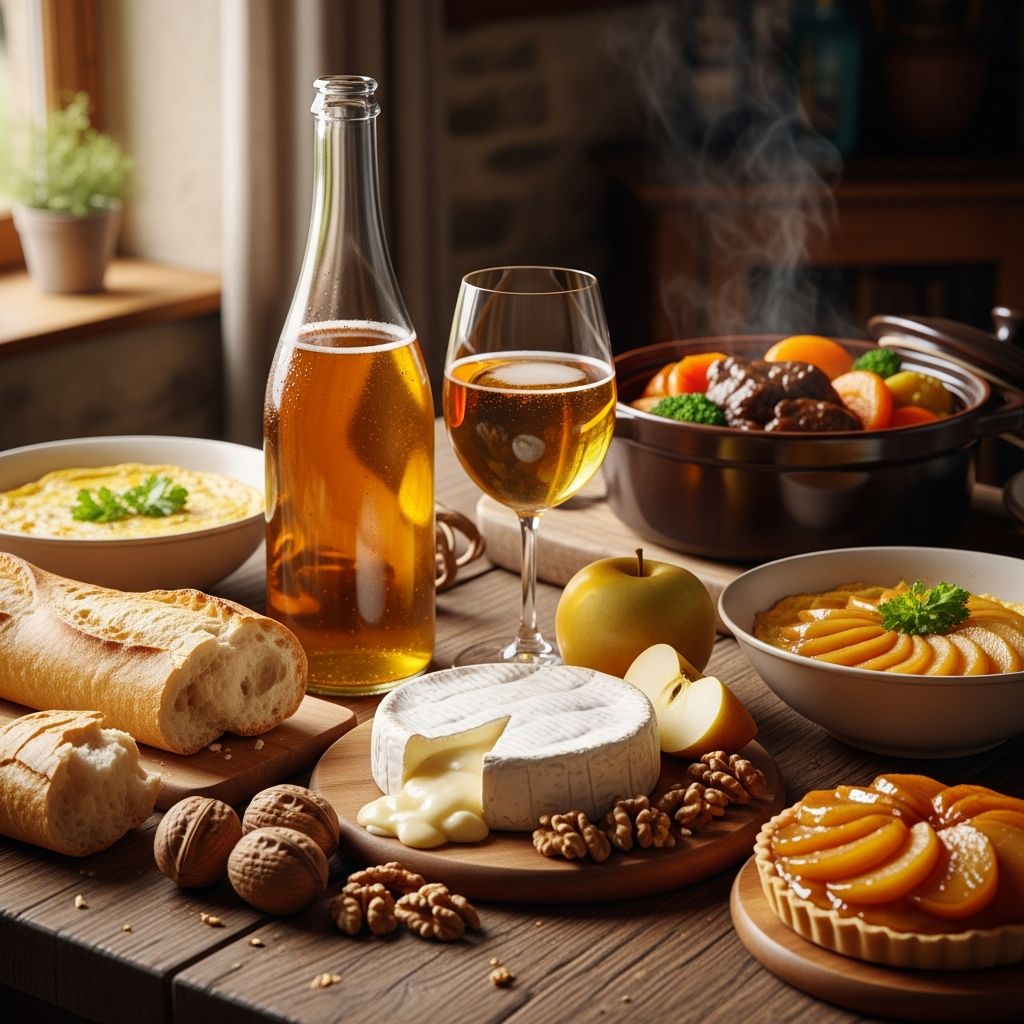
Camembert represents perhaps the world’s most recognizable French cheese. This soft, surface-ripened cow’s milk cheese originated in the late 18th century in the village bearing its name. The genuine article comes from specific producers using traditional methods within defined geographic boundaries. Visiting the village of Camembert reveals charming timber-framed farms built on lush green hillsides, offering visitors authentic glimpses into rural Norman life. Many producers welcome visitors for VIP tastings and behind-the-scenes tours that reveal the careful work underlying cheese production.
Pont-l’Évêque and Livarot: Traditional Alternatives
Beyond Camembert, Normandy produces other distinctive cheeses worthy of serious attention. Pont-l’Évêque emerges from the Pays d’Auge region and presents a softer, more pungent profile than its famous cousin. Livarot offers a different sensory experience, presenting earthier notes and firmer texture. Both represent living traditions maintained by dedicated artisanal producers who jealously guard their methods and ingredients.
Visiting fromageries (cheese shops and producer facilities) allows visitors to taste multiple varieties, understand production differences, and purchase items unavailable outside the region. These establishments often provide detailed explanations of aging processes, flavor development, and optimal consumption timing.
The Apple-Based Spirits: Cider and Calvados
Normandy’s rolling terrain supports extensive apple and pear orchards, which provide the foundation for the region’s distinctive beverages. These spirits represent both agricultural heritage and gastronomic significance.
Cider: The Everyday Drink
Norman cider differs substantially from mass-produced versions familiar to many international consumers. Traditional cider emerges from carefully selected apple varieties, blended to create complex flavor profiles. The fermentation process produces alcohol levels considerably lower than commercial alternatives, making cider accessible for casual drinking throughout meals. Many Norman establishments serve cider as readily as wine, and pairing meals with cider reveals surprising flavor harmonies.
The Route du Cidre guides visitors through primary cider-producing regions, visiting farms, distilleries, and tasting houses. Many operations welcome visitors for tours demonstrating production processes from harvest through bottling. Apple-picking experiences during harvest season allow visitors to participate actively in the creation process.
Calvados: Liquid Gold
Calvados represents Normandy’s most prestigious spirit offering—an apple or pear brandy with protected geographic designation. This eau-de-vie requires extensive aging in oak, developing rich amber coloration and complex flavor profiles. Quality varies dramatically between producers, with renowned houses like Château du Breuil maintaining centuries of expertise and investment in infrastructure.
Visiting distilleries reveals the dedication underlying quality Calvados production. Historic facilities showcase traditional methods maintained across generations. VIP tastings provide opportunities to sample different ages and styles, understanding how time in oak transforms young brandies into sophisticated products. Given Calvados’s alcohol content, non-driving visitors can indulge more fully in tastings.
Seafood Heritage Along the Coast
Normandy’s extensive coastline supplies abundant marine resources that define much of the region’s dining tradition. Fishing communities maintain age-old practices, delivering daily catches to markets and restaurants throughout the region.
Signature Seafood Preparations
Local restaurants frequently feature iconic dishes showcasing regional seafood traditions. Coquilles Saint-Jacques (scallops) appear regularly on menus, prepared simply to highlight their delicate sweetness. Canard à la Rouennaise (duck prepared in Rouen style) represents another classic, though technically poultry rather than seafood. Oyster farms, particularly around Cancale, supply fresh mollusks that restaurants serve raw or incorporated into sophisticated preparations.
Normandy seafood markets reveal the daily supply of fresh products. Visiting these establishments provides opportunities to observe local purchasing patterns and understand ingredient seasonality. Many fish counters offer suggestions for preparation, revealing local knowledge about optimal cooking methods for various species.
Coastal Dining in Honfleur
The charming harbor town of Honfleur serves as a gastronomic destination in its own right. Waterfront restaurants offer elevated dining experiences while maintaining focus on local seafood. The combination of historic architecture, scenic views, and culinary excellence makes Honfleur an essential stop on any comprehensive Normandy food journey.
Traditional Dishes and Regional Specialties
Beyond signature cheeses and seafood, Normandy maintains distinctive dishes reflecting local preferences and ingredient availability.
Galettes and Crêpes
These thin pancakes represent iconic Norman food. While Brittany attracts more international attention for crêpes, Normandy produces excellent versions featuring local ingredients. Savory galettes incorporate cheese, cured meats, and vegetables, while sweet crêpes showcase Norman apples, cider, and Calvados. Restaurants specializing in these items demonstrate remarkable creativity within simple formats.
Protein-Centered Cuisine
Norman cuisine traditionally emphasizes meat and seafood, with vegetables playing supporting roles. Beef bourguignon, coq au vin, and cassoulet represent classics appearing on many restaurant menus. Normandy pork appears frequently, often prepared with regional apple preparations or served with distinctive sauces incorporating cider or cream. Veal preparations showcase local dairy culture’s influence on the region’s meat cookery.
Specialty Items and Charcuterie
Andouille de Vire represents a distinctive sausage specialty maintaining protected regional designation. Boudin noir aux pommes (blood sausage with apples) exemplifies the Norman tendency toward combining pork products with apple-based accompaniments. Les escargots (snails) appear on sophisticated menus, often served with herb-infused presentations. Pâtés and terrines showcase preserved meat traditions maintained by specialist producers.
Experiencing Norman Cuisine Through Structured Tours and Cooking Classes
Visitors seeking comprehensive culinary education have access to various structured experiences that provide deeper understanding than casual dining alone offers.
Cooking Class Experiences
Multi-day programs typically include afternoon cooking classes where participants prepare three-course dinners under expert guidance. Hosts explain ingredient selection, traditional techniques, and flavor combinations that define Norman cuisine. Morning market visits often precede kitchen sessions, allowing participants to understand ingredient sourcing while building familiarity with local products. Evening meals showcase participants’ completed preparations, providing immediate feedback and satisfying gastronomic rewards.
Producer Visits and Artisanal Education
Structured tours frequently include visits to active producers—cideries during harvest periods, oyster farms showcasing marine cultivation, snail farms revealing unconventional protein sources, or caramel factories demonstrating artisanal candy production. These visits provide direct access to craftspeople willing to explain their work, building appreciation for products beyond their final presentation.
Restaurant-Based Gastronomic Exploration
Multi-day tours frequently incorporate meals at restaurants representing different culinary approaches. Casual bistros contrast with Michelin-starred establishments, offering perspectives on how professional chefs work with regional ingredients. Each venue contributes unique understanding of Norman culinary tradition’s breadth and sophistication.
Planning Your Norman Food Adventure
Seasonal Considerations
Normandy’s food experiences vary seasonally. Spring and early summer bring fresh asparagus, lighter preparations, and renewed cheeses. Summer provides peak conditions for outdoor activities and seafood at its freshest. Autumn offers apple harvest experiences, expanded Calvados tasting opportunities, and the culinary turn toward richer preparations. Winter focuses on preserved products, root vegetables, and heartier traditional dishes.
Regional Hubs for Culinary Exploration
Lisieux functions as a cultural crossroads offering convenient access to diverse food experiences. The Pays d’Auge region concentrates cheese, cider, and Calvados production. Rouen maintains strong culinary traditions with numerous restaurants showcasing regional cuisine. Honfleur and coastal towns emphasize seafood. Paris-proximity (approximately two hours) makes multi-day Normandy extensions practical for visitors combining capital city exploration with regional gastronomy.
Practical Recommendations
- Book producer visits in advance during peak seasons to ensure access and appropriate group sizes
- Allow sufficient time at each stop rather than rushing between numerous destinations
- Arrange non-driving accommodations if planning extensive tastings of spirits
- Pack appetite and genuine curiosity—Norman hospitality rewards engaged visitors
- Consider hiring guides familiar with local producers and restaurant networks
- Learn basic French or work with translation tools to communicate with artisanal producers
Frequently Asked Questions
What is the best time to visit Normandy for food experiences?
Spring through autumn offers optimal conditions. Apple harvest season (September-October) provides unique Calvados and cider production insights. Summer delivers peak seafood availability and pleasant weather for outdoor market exploration. Winter maintains accessibility to all products but involves less seasonal produce variety.
Can visitors purchase authentic Normandy cheeses to bring home?
Yes, though cheese transport requires planning. Many producers and shops can vacuum-seal items for aircraft travel. Camembert, being relatively sturdy compared to other Norman cheeses, travels more successfully. Visitors should check destination country regulations regarding dairy product importation.
Are Michelin-starred restaurants necessary for quality dining experiences?
No. While Michelin-starred establishments provide refined culinary environments, exceptional meals occur in casual bistros, family restaurants, and modest establishments specializing in traditional preparations. Price points and formality differ dramatically, but ingredient quality and preparation skill exist across price ranges.
How does Norman cuisine differ from other French regional cuisines?
Norman cuisine emphasizes dairy, apples, seafood, and pork—ingredients reflecting the region’s geography and climate. The flavor profile tends toward cream-based sauces, apple-influenced preparations, and preserves reflecting long culinary history. The overall approach prioritizes ingredient quality over technique complexity, contrasting with some Mediterranean or haute cuisine traditions.
What should visitors know about cider and Calvados tasting?
Traditional cider contains modest alcohol (3-5%), making it suitable for daytime consumption. Calvados, being high-alcohol brandy (40%+), requires more cautious approach. Most producers encourage food pairing during tastings rather than consuming spirits alone. Non-driving arrangements facilitate fuller participation in distillery experiences.
Conclusion: Building Your Norman Gastronomic Journey
Normandy represents far more than a collection of famous food products—it embodies a coherent culinary tradition reflecting centuries of agricultural practice, maritime tradition, and cultural continuity. Visiting the region allows direct access to this heritage through interactions with passionate producers, skilled cooks, and hospitality-oriented communities. Whether through structured tours, cooking classes, market exploration, or casual dining, visitors discover that Norman food culture rewards genuine engagement and curiosity. The combination of celebrated cheeses, distinctive spirits, abundant seafood, and traditional preparations creates gastronomic experiences extending well beyond travel to become lasting memories of authentic French regional culture.
References
- A Foodie Itinerary for Normandy, France — Travel Dudes. Accessed April 2026. https://traveldudes.com/a-foodie-itinerary-for-normandy-france/
- The foods, ciders, and cheeses of Normandy — Travel Fever Tours. 2026. https://www.travelfevertours.com/the-foods-ciders-and-cheeses-of-normandy
- Explore Normandy: Food, Wine, History & Scenery — Cellar Tours. Accessed April 2026. https://www.cellartours.com/france/wine-tours/normandy
- Foodie Heaven: A Culinary Tour Through Normandy & Brittany — Weblog the World. Accessed April 2026. https://weblogtheworld.com/formats/featured/foodie-heaven-a-culinary-tour-through-normandy-brittany
- Food lover’s guide to savouring Normandy — Taste of France Magazine. Accessed April 2026. https://tasteoffrancemag.com/travel/food-lovers-guide-to-savouring-normandy/
- Normandy Food Tours: Culinary Delights and D-Day Exploration — The International Kitchen. Accessed April 2026. https://www.theinternationalkitchen.com/program/french-farmhouse-cooking-vacation-in-normandy/
Similar Articles







Read full bio of Sneha Tete