Seasonal Travel Insights: Discovering November’s Global Destinations
Explore the world's most compelling destinations when autumn transitions to winter.
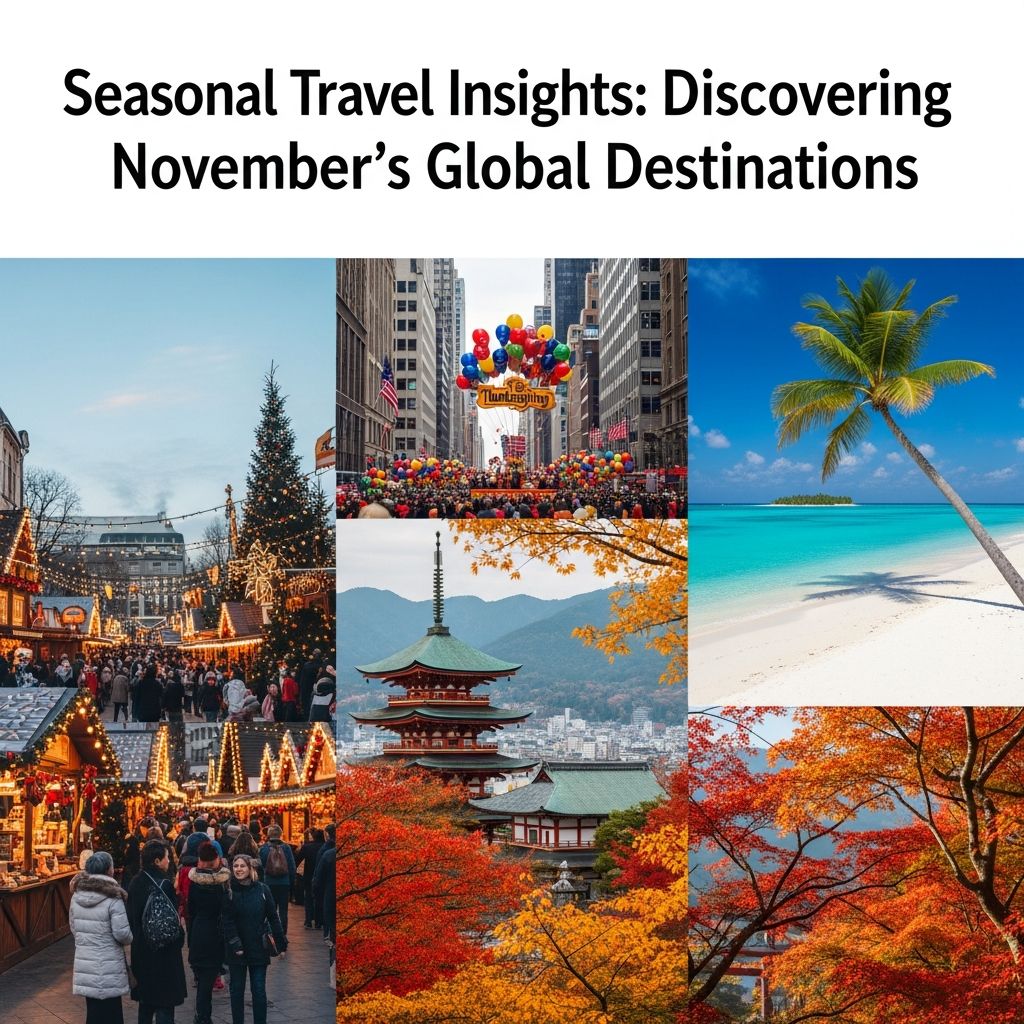
November represents a transformative period in the global travel calendar, offering unique opportunities for explorers seeking to experience diverse landscapes and cultures during optimal seasonal windows. As the northern hemisphere approaches winter and the southern hemisphere enters spring, this transitional month creates distinctive conditions that appeal to various types of travelers. Understanding where to venture during this time requires knowledge of regional weather patterns, local seasons, and what makes certain destinations particularly compelling when November arrives.
Understanding November’s Travel Window
November occupies a peculiar position in the annual travel cycle. In many northern regions, the month signals the approach of winter with shorter daylight hours and cooler temperatures. However, this same timing brings significant advantages to savvy travelers. Many popular destinations experience fewer tourists compared to peak summer months, resulting in shorter queues, more affordable accommodations, and more authentic interactions with local communities. Additionally, the weather patterns during November create ideal conditions for specific types of travel experiences that cannot be as effectively enjoyed during other times of the year.
The transition quality of November makes it particularly valuable for travelers planning extended journeys. The month occupies the sweet spot between summer’s extreme heat in certain regions and winter’s harsh conditions in others. This timing allows travelers to combine multiple experiences within a single trip, moving between destinations that each offer their best seasonal conditions during this precise window.
Mountain Adventures and Highland Experiences
Elevated terrain becomes exceptionally attractive during November, as recent rainfall has nourished landscapes while temperatures remain comfortable for trekking and hiking activities. Northern Thailand’s mountain regions exemplify this seasonal advantage. The terrain, locally known as the land of extensive rice terraces, transforms into a lush green landscape after the rainy season concludes. Temperatures during November typically range from 23 to 26 degrees Celsius (73 to 79 degrees Fahrenheit), providing comfortable conditions for extended hiking expeditions through hill-tribe territories. Visitors planning three to four days can complete substantial trekking experiences, while those allocating seven to ten days can explore the region comprehensively, combining mountain activities with cultural immersion.
Similarly, central African highlands offer compelling experiences during November’s dry season when recent precipitation has saturated the countryside yet stable weather permits exploration. The combination of lush vegetation and accessible terrain creates optimal conditions for high-altitude hiking and mountain photography. This seasonal window closes relatively quickly, as December through February temperatures drop significantly, particularly during evening hours.
Volcanic and Geological Exploration
November provides excellent opportunities for experiencing volcanic landscapes and geological formations. Nicaraguan volcanic regions exemplify destinations where November conditions align perfectly with adventure tourism. The combination of dry, warm weather (ranging from 20 to 28 degrees Celsius or 68 to 82 degrees Fahrenheit) with recent rainfall creates landscapes that support diverse activities. Volcano boarding, a distinctive adventure pursuit, becomes particularly accessible during this season. The activity requires specific ground conditions and stable weather patterns that November typically provides.
Volcanic regions throughout Central America and beyond benefit from November’s climate characteristics. The season arrives after the wet months have concluded, minimizing muddy conditions that complicate geological exploration, while temperatures remain conducive to outdoor activity. This makes November ideal for travelers interested in volcanology, geothermal phenomena, and related scientific tourism experiences.
Coastal and Island Destinations
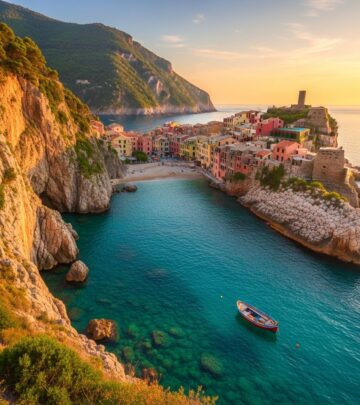
Island destinations experience particular advantages during November. The Solomon Islands showcase crystalline waters and optimal diving conditions as seasonal patterns shift. The Mediterranean offers compelling experiences, with Malta exemplifying destinations where November weather remains pleasant without the intensity of summer tourism. November temperatures in Mediterranean regions typically provide warm, comfortable conditions while the region remains uncrowded compared to peak summer months.
Beach destinations in Thailand, particularly in southwestern regions like Phuket, transition into ideal seasons during November. The monsoon patterns that dominated earlier months have concluded, leaving calm seas and clear skies. Travelers can combine beach relaxation with cultural exploration, as November provides the optimal weather window for this combination of experiences.
Cultural Heritage and Historical Sites
Architectural treasures and historical destinations benefit significantly from November’s reduced tourism and favorable weather. Mediterranean island nations with extensive cultural heritage attract travelers during this season. Medieval structures, ancient ruins, and preserved urban centers become more accessible when tourist density decreases. November’s moderate temperatures eliminate the summer discomfort associated with sightseeing in Mediterranean heat while maintaining sufficient daylight for exploration.
Colonial towns throughout the Americas, including those in Nicaragua, showcase architectural heritage and cultural traditions effectively during November. The accessibility of these destinations increases when weather conditions support comfortable walking tours and outdoor cultural activities. Recent rainfall has often left landscapes vibrant and photography conditions optimal.
Planning Multi-Destination Journeys
November’s unique position in the global seasonal calendar enables travelers to construct sophisticated itineraries combining multiple destinations. A single journey might incorporate mountain trekking, cultural exploration, and beach experiences by strategically sequencing destinations that each offer optimal conditions during November.
Practical logistics support such comprehensive planning. Transportation networks operate efficiently, with both air and rail services connecting major destinations. A journey from coastal areas to mountain regions, for example, might involve flights covering 70-minute intervals or train journeys spanning 13 hours, connecting major travel hubs with mountain retreats. This connectivity enables travelers to experience substantial diversity within extended trips.
Wildlife Observation and Natural Phenomena
November coincides with seasonal wildlife activities in various regions. Turtle nesting seasons in Central American destinations, for instance, extend through November. The species Olive Ridley turtles typically visit nesting sites between August and December, with November offering reliable opportunities for observing these natural phenomena. Such experiences require specific timing and destination selection, making November knowledge essential for wildlife-focused travelers.
The convergence of seasonal patterns during November creates situations where multiple natural phenomena occur simultaneously. Recent rainfall supports robust vegetation and insect populations, attracting birds and larger animals, while stable weather permits human observation and photography.
Seasonal Advantages Summary
- Reduced Tourism Density: Lower visitor numbers compared to peak seasons result in improved access and more authentic cultural experiences
- Optimal Weather Patterns: Recent precipitation has nourished landscapes while temperatures remain comfortable for outdoor activities
- Accommodation Availability: Increased room availability and more competitive pricing compared to high seasons
- Authentic Interactions: Less crowding enables deeper engagement with local communities and cultural practices
- Photography Opportunities: Lush landscapes combined with favorable lighting conditions create compelling visual opportunities
- Activity Accessibility: Specific adventures, from volcano boarding to mountain trekking, reach peak accessibility during November
- Multi-Season Experiences: Single journeys can incorporate diverse climate zones and activity types by strategic destination sequencing
Preparation and Practical Considerations
Successful November travel requires preparation tailored to specific destinations. Travelers should research regional weather patterns, local holidays, and specific activity seasons relevant to their chosen locations. Transportation bookings benefit from advance planning, particularly for popular mountain regions and island destinations.
Accommodations ranging from traditional options to specialized lodging such as converted historical buildings enhance November travel experiences. Hiring vehicles in certain destinations provides flexibility for exploring beyond major tourist centers. Budget allocations should account for seasonal pricing variations, with November often offering cost advantages compared to peak periods while maintaining good value compared to shoulder seasons.
Packing strategies should address November’s regional variations. Mountain regions require layered clothing to address temperature changes across elevation levels, while coastal areas benefit from sun protection despite reduced summer intensity. Footwear suitable for wet conditions proves valuable in destinations where recent rainfall has affected terrain.
Frequently Asked Questions
Q: Is November considered peak tourist season anywhere?
A: November represents shoulder season in most destinations, with some exceptions during specific holiday periods or cultural events. Generally, it offers reduced crowds compared to summer and peak holiday periods while maintaining excellent weather conditions.
Q: What activities are specifically optimal in November?
A: Mountain trekking, volcano activities, wildlife observation during seasonal migrations or nesting, and cultural exploration all reach peak conditions during November in various regions.
Q: How far in advance should November travel be planned?
A: Booking accommodations and transportation 2-3 months in advance typically ensures good availability and pricing, though November’s shoulder-season status often permits more flexible booking than peak seasons.
Q: Can November work for beach-focused vacations?
A: Yes, particularly in tropical and subtropical destinations where November marks the transition into optimal beach seasons as monsoon and hurricane patterns conclude.
Q: What regions should be avoided during November?
A: Northern hemisphere regions approaching winter may experience excessive cold or limited daylight, while certain tropical regions may still experience residual effects of rainy seasons depending on specific microclimates.
References
- Where Lonely Planet staffers traveled in November — Lonely Planet. https://www.lonelyplanet.com/articles/lonely-planet-staff-november-travels
- Where to go in November for adventure – Lonely Planet — Lonely Planet. https://www.lonelyplanet.com/articles/go-november-adventure
- Where to go in November for culture – Lonely Planet — Lonely Planet. https://www.lonelyplanet.com/articles/go-november-culture
Similar Articles





Read full bio of Sneha Tete