
Best Time To Visit New York City: A Season-By-Season Guide
Discover the ideal months to explore New York City based on weather, crowds, and your travel preferences.
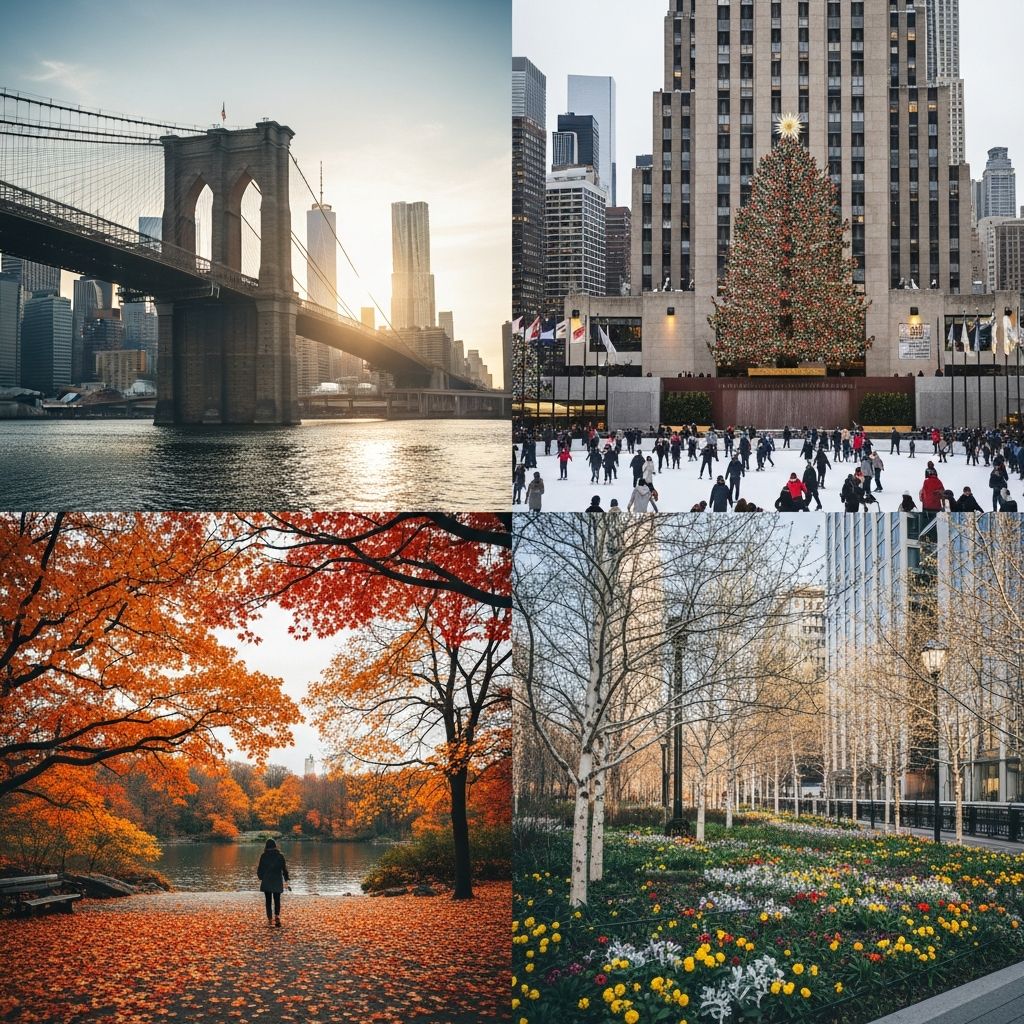
New York City operates as a year-round destination, with each season offering distinct advantages and challenges for visitors. Understanding the climate patterns, tourist volume fluctuations, and seasonal activities can help you select the optimal period for your visit based on your priorities and preferences.
Understanding New York’s Four-Season Climate
The city experiences dramatic seasonal variation, creating vastly different visitor experiences depending on when you arrive. Winter temperatures can drop to around 39°F to 43°F, requiring substantial layering and winter gear. Spring gradually warms the city, with temperatures rising from 52°F in March to approximately 72°F by May. Summer heat intensifies, with average highs between 80°F and 84°F, while fall moderates to comfortable ranges in the 60s and 70s.
This temperature spectrum means your packing strategy, activity planning, and budget allocation must adapt to the season. Visitors unprepared for winter conditions may find outdoor exploration uncomfortable, while summer heat can make extensive walking exhausting during peak daylight hours.
Spring: Renewal and Awakening (March to May)
Weather Characteristics and Outdoor Appeal
Spring transforms New York City into a garden of possibilities. The gradual warming creates ideal conditions for walking-based tourism, with temperatures comfortable enough that you can explore for extended periods without excessive layering. The season features increasing daylight hours, allowing visitors to maximize sightseeing time as the sun sets progressively later each week.
Precipitation patterns in spring can be variable, so bringing a compact umbrella remains advisable. However, the overall climate supports extensive outdoor exploration, particularly in iconic locations like Central Park, where flowering trees and landscaping reach peak beauty.
Crowd Dynamics and Pricing
Spring marks the onset of elevated tourist activity, though not yet at summer’s intensity. This shoulder season positioning offers a strategic advantage: you experience vibrant city energy without the overwhelming crowds and inflated prices associated with peak summer months. Hotel rates remain significantly more reasonable than summer, while availability is generally good.
Seasonal Activities and Cultural Events
Spring aligns with major cultural programming, including art fairs, film festivals, and gallery openings. Outdoor markets begin operating, and restaurants open rooftop seating for the season. This period establishes the city’s calendar of cultural events that continue through early summer.
Summer: Heat, Energy, and School Breaks (June to August)
Peak Season Characteristics
Summer represents the city’s busiest travel period, driven by school breaks and warm weather expectations. Temperatures consistently reach 80°F to 84°F, creating heat conditions that make continuous outdoor walking challenging during midday hours.
Operational Advantages for Visitors
Museum and indoor attractions benefit from full summer programming and extended hours. Educational institutions implement summer programming, and entertainment venues maximize capacity. For families, the season offers numerous outdoor spaces and kid-oriented activities across parks and neighborhoods.
Financial and Practical Implications
Summer arrives with premium pricing for accommodations and restaurants. The combination of school schedules, predictable weather, and holiday patterns creates maximum demand and corresponding cost increases. Booking well in advance becomes essential for securing reasonable rates and accessing popular attractions without extensive wait times.
Fall: Optimal Conditions and Natural Beauty (September to November)
Climate and Comfort
Fall emerges as the season offering the most universally appealing conditions. Early fall (September) begins with comfortable air temperatures and reduced rainfall compared to spring. As the season progresses, temperatures settle into the 60s and 70s, creating ideal conditions for all-day outdoor exploration. The extended comfort window allows visitors to walk between landmarks like Central Park, the High Line, and Brooklyn Bridge without weather-related limitations.
Aesthetic Peak: Foliage and Photography
October specifically marks the pinnacle of visual appeal, with Central Park transitioning to golden tones and surrounding neighborhoods showcasing fall colors. This natural transformation creates photogenic scenery unmatched during other seasons, making fall particularly attractive for photographers and Instagram-focused tourists.
Crowd Patterns and Value
Post-Labor Day patterns bring a significant crowd reduction. After families complete summer vacations and students return to school, tourist volume drops substantially. This decline directly affects hotel pricing and restaurant availability, creating a sweet spot where you experience manageable crowds alongside lower costs than summer.
Cultural Calendar
Fall maintains strong cultural programming with film festivals, art events, and photography-ideal natural lighting. The season sustains the energy and liveliness of spring without the overwhelming population density.
Winter: Budget Travel and Holiday Magic (December to February)
Climate Challenges
Winter presents significant temperature drops, with January and February averaging daily highs around 39°F to 43°F. Precipitation increases, and wind chill factors make outdoor conditions severe. Visitors must prepare with substantial cold-weather gear, limiting comfort for extended walking tours.
Financial Advantages
January and February offer exceptional budget opportunities for cost-conscious travelers. Post-holiday crowd patterns mean lower hotel rates and restaurant availability compared to any other period. The financial savings can be substantial enough to justify the discomfort associated with extreme cold.
Holiday Season Transformation (December)
December, by contrast, transforms the city into a holiday destination. Holiday markets, festive decorations, and seasonal entertainment create an atmospheric experience that appeals to families and those seeking holiday ambiance. However, this festive period commands premium pricing comparable to summer rates.
Comparative Analysis: Selecting Your Ideal Visit Period
| Season | Temperature Range | Crowd Level | Price Level | Best For |
|---|---|---|---|---|
| Spring (Apr-May) | 52°F–72°F | Moderate | Moderate | First-time visitors, cultural events, comfortable walking |
| Summer (Jun-Aug) | 80°F–84°F | Very High | Premium | School breaks, families, guaranteed warm weather |
| Fall (Sep-Nov) | 60s–70s°F | Moderate-Low | Moderate | Optimal experience, foliage viewing, budget-conscious travelers |
| Winter (Jan-Feb) | 39°F–43°F | Low | Budget | Budget travelers, indoor attractions, experienced cold-weather visitors |
Specific Recommendations by Visitor Profile
First-Time Visitors
Spring and fall provide the most balanced experiences for those visiting New York for the first time. These seasons offer comfortable weather for landmark exploration, moderate crowds that still convey city energy without overwhelming new arrivals, and reasonable pricing. October particularly represents the pinnacle month for initial visits, combining all advantages with maximum aesthetic appeal.
Budget-Focused Travelers
Late September through early November offers the superior value proposition when balancing cost, comfort, and experience quality. If absolute minimum spending matters most, January and February provide the lowest rates, though visitors must tolerate extreme cold.
Family Visitors
Families find May through August and November through December most accommodating. These periods align with school breaks and offer outdoor activities suitable for children. Summer provides guaranteed warmth and extended daylight for park-based recreation, while December creates holiday-specific attractions and entertainment.
Photography and Culture Enthusiasts
Creative individuals prioritizing artistic opportunities should target April through June or September through November. These seasons align with major cultural programming, art fairs, and film festivals, while providing ideal natural lighting conditions for photography.
Frequently Asked Questions
What is the single best month to visit New York City?
October represents the optimal month, combining ideal temperature conditions in the 60s to 70s range, spectacular fall foliage in Central Park and throughout neighborhoods, manageable crowd levels following the summer surge, and reasonable pricing that remains lower than peak season.
Can you visit New York City comfortably in winter?
Winter visitation is possible for travelers willing to adapt to extreme cold and embrace indoor attractions. Budget travelers benefit from significantly lower rates during January and February, though December remains expensive due to holiday demand.
Does spring or fall offer better weather?
Fall provides more consistent comfortable conditions with less rainfall compared to spring. While both seasons offer pleasant temperatures suitable for walking, fall’s gradual temperature decline and dramatic natural changes create superior visual experiences and aesthetic diversity.
When should families avoid visiting New York?
Families should generally avoid peak summer (July-August) when crowds reach maximum levels and heat creates challenging conditions. Early winter (January-February) presents extreme cold unsuitable for children’s outdoor activities, though December offers family-friendly holiday programming.
Is May or October better for visiting?
Both months capture New York at excellent quality levels, with May offering spring renewal and October providing fall colors. May averages temperatures around 65°F to 75°F with vibrant outdoor energy, while October maintains similar temperature ranges but adds dramatic foliage transformations and somewhat lower crowd levels.
Strategic Planning Considerations
Your visit timing should integrate multiple factors beyond simple weather preferences. Consider your tolerance for crowds, budget flexibility, specific attraction requirements, and personal activity preferences. Early fall (late September through October) strategically positions visitors to maximize experience quality, maintain reasonable costs, and enjoy comfortable conditions—making it the most versatile recommendation across diverse traveler profiles.
Spring represents a strong secondary option for those seeking comfortable weather alongside cultural programming and blossoming natural environments. Summer appeals primarily to families bound by school schedules or travelers prioritizing guaranteed warmth over cost considerations. Winter accommodates budget-conscious travelers and those seeking minimal crowds, provided they embrace extreme cold and prioritize indoor attractions.
References
- The Very Best Time to Visit New York (by a local!) — Adventurous Kate. Retrieved from https://www.adventurouskate.com/best-time-to-visit-new-york/
- When Is the Best Time to Visit New York? Here’s What You Need to Know — Go With Guide. Retrieved from https://gowithguide.com/blog/when-is-the-best-time-to-visit-new-york-here-s-what-you-need-to-know-5975
- The Best Time of the Year to Visit New York City — AAA Trip Canvas. Retrieved from https://www.aaa.com/tripcanvas/article/best-time-to-visit-new-york-city-CM827
- When is the Best Time to Visit New York — Trailfinders. Retrieved from https://www.trailfinders.com/blogs/when-is-the-best-time-to-visit-new-york
Similar Articles







Read full bio of medha deb