Best Time To Visit New York City: Seasons, Crowds, Costs
Discover when to visit NYC for perfect weather, fewer crowds, and unforgettable experiences.
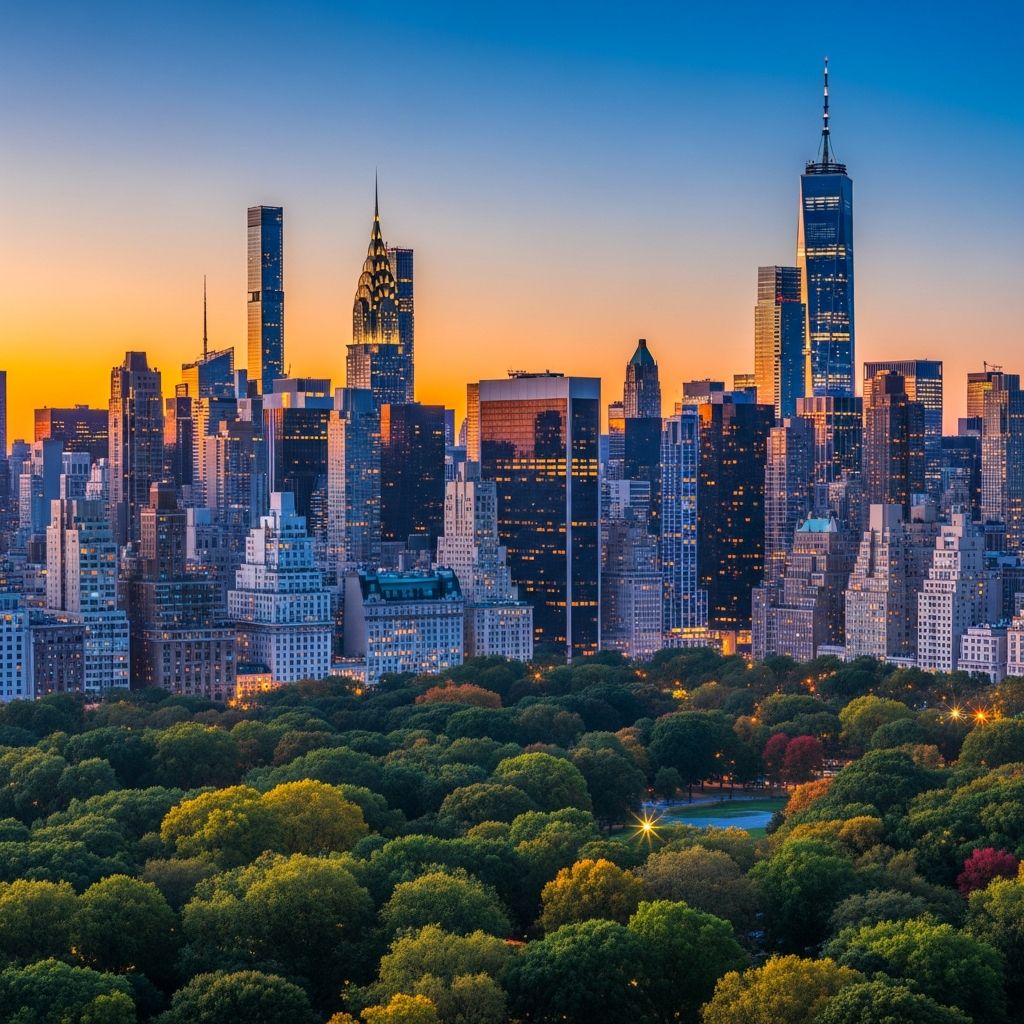
New York City pulses with energy year-round, attracting millions of visitors annually. However, the quality of your experience—from weather conditions to crowd levels to accommodation prices—varies dramatically depending on when you choose to visit. Understanding the seasonal rhythms of the city allows you to tailor your trip to match your preferences, budget, and desired activities. Whether you prioritize comfortable weather, minimal crowds, affordable rates, or specific seasonal events, timing your visit strategically can transform your NYC experience.
Understanding NYC’s Seasonal Patterns
New York City operates on distinct seasonal cycles that influence everything from temperature fluctuations to tourist volume. The city experiences all four seasons with pronounced characteristics, creating a diverse calendar of travel opportunities. Rather than viewing certain times as universally “best,” savvy travelers recognize that optimal visiting periods depend entirely on individual priorities. Some visitors chase perfect weather, others seek bargain accommodations, and some coordinate travel around signature seasonal events. Understanding how these patterns intersect helps you identify your ideal window.
Spring: Awakening and Renewal
Spring arrives in New York with palpable excitement as the city shakes off winter dormancy. Temperatures climb gradually from March through May, creating increasingly comfortable conditions for outdoor exploration. During this shoulder season, the urban landscape transforms through botanical renewal—Central Park bursts with cherry blossoms and vibrant flowering trees, while window boxes and community gardens showcase fresh plantings throughout neighborhoods.
April and May represent the sweet spot within spring, offering mild temperatures that make extended walking tours genuinely enjoyable rather than endurance tests. Tourist crowds remain significantly lighter than summer levels, yet sufficient activity persists to create a vibrant urban atmosphere. Culturally, spring brings parade season, with notable events like St. Patrick’s Day drawing celebrations throughout the city. Museum visits during this period provide relatively comfortable experiences without the peak-season queues that develop later.
Accommodation pricing during spring shoulder season remains considerably more reasonable than summer rates, making this an excellent window for budget-conscious travelers who refuse to compromise on comfort. Restaurant reservations prove easier to secure, and popular attractions operate with manageable wait times. For families with school flexibility, spring offers an ideal combination of pleasant weather, manageable crowds, and reasonable costs.
Summer: Vibrancy and Crowds
Summer transforms New York into a bustling festival of activity, drawing international tourists in unprecedented numbers. June through August brings warm weather, outdoor concerts, rooftop bars, and street festivals that activate every neighborhood corner. However, this high-season peak comes with substantial tradeoffs. Temperatures frequently climb into the 80s and 90s Fahrenheit, creating oppressive humidity that makes extended outdoor exposure uncomfortable, particularly in the afternoons.
Tourist volumes during summer months reach their annual zenith, resulting in extended queues at major attractions, crowded subway platforms, and congested sidewalks. Hotel prices spike dramatically, with premium locations commanding premium rates. Restaurant reservations become competitive, and obtaining tickets to popular shows requires advance planning. The summer experience favors those who embrace crowds, enjoy lively street energy, and have flexible budgets accommodating peak-season pricing.
Despite these challenges, summer offers undeniable advantages. Outdoor activities proliferate—rooftop movie screenings, open-air concerts, boat tours, and street fairs create entertainment options unavailable during colder months. Evening temperatures remain comfortable for exploration, and extended daylight hours (sunset occurring near 9 PM in June) stretch your daily exploration window significantly.
Autumn: The Premium Season
Fall consistently emerges as the city’s most celebrated season by both locals and tourism experts. Late September through early November creates a convergence of optimal conditions that rarely align so perfectly. Weather during this period strikes an ideal balance—neither requiring heavy winter coats nor producing summer humidity. Temperatures typically range from the mid-50s to low 70s Fahrenheit, making outdoor exploration genuinely pleasurable.
October specifically commands particular devotion among NYC enthusiasts. The month marks autumn’s peak, when deciduous trees throughout the city display brilliant foliage in shades of gold, crimson, and burgundy. Central Park becomes a destination unto itself, with visitors specifically traveling to witness the seasonal color transformation along winding paths and around lakes. The High Line, Brooklyn Bridge Park, and neighborhood tree-lined streets create open-air art galleries of natural beauty.
Beyond meteorological advantages, autumn brings cultural events that define the season. The Feast of San Gennaro brings Italian heritage celebration to Little Italy, while the New York Film Festival brings cinematic events throughout the city. Halloween festivities energize neighborhoods in late October. Restaurant week promotions offer dining value, and newly reopened outdoor venues set tables after summer maintenance closures.
Tourist crowds during early autumn remain lighter than summer while still providing neighborhood vitality. However, as October progresses and autumn’s popularity becomes widely recognized, crowds increase substantially. Early September and early November represent smart timing for those seeking autumn beauty without competing with peak-autumn tourists. Late September particularly appeals to travelers wanting season-transition weather combined with manageable visitor numbers.
Winter: Festive Energy and Solitude
Winter divides into two distinct experiences within the December-February window. November through December radiates holiday festivity that transforms the city into a celebration. Holiday markets proliferate throughout neighborhoods, holiday window displays reach extraordinary creative heights, and seasonal decorations create magical street scenery. The famous Rockefeller Center Christmas tree and skating rink draw visitors worldwide, while theater district productions reach peak popularity.
However, this festive November-December period carries peak-season pricing and substantial crowds, particularly around Thanksgiving and Christmas holidays. Hotel rooms command premium rates, airfares spike dramatically, and advance reservations become essential for popular activities. Families specifically coordinate visits around school holidays, intensifying competition for accommodations and attractions.
Conversely, late January through early March presents an entirely different winter opportunity. Post-holiday periods see tourism plummet dramatically, creating downtown streets that feel remarkably quiet compared to their typical bustle. Hotel rates drop substantially during these slower weeks, creating value opportunities for independent travelers unconcerned with holiday festivities. Museums, theaters, and attractions operate with minimal queues. Cold temperatures (typically 30s-40s Fahrenheit) and occasional snow require appropriate clothing but don’t prevent sightseeing—many travelers find the crisp air invigorating and the reduced crowds worth bundle-up requirements.
Crowd Dynamics Throughout the Year
Understanding tourist volume patterns allows strategic timing around preferences. High season extends through June-August and November-December, bringing maximum crowds, premium pricing, and vibrant street energy. Shoulder seasons in April-May and September-October offer the critical balance—pleasant weather paired with manageable crowds and reasonable pricing. This positioning makes shoulder seasons widely recommended for diverse traveler types.
Late January through March sees tourist numbers plummet, creating near-local conditions on sidewalks and in attractions. Travelers prioritizing solitude and bargain rates sacrifice weather perfection but gain unparalleled access to cultural institutions and neighborhoods. Conversely, families seeking minimal crowds but comfortable weather should target September-October specifically.
Weather Considerations by Season
Meteorological patterns significantly influence visit timing, particularly for those with weather-dependent activity preferences. Spring offers increasingly comfortable temperatures but introduces higher precipitation probability—rain occurs more frequently during March-May than autumn. Summer’s warmth pairs with humidity that intensifies afternoon discomfort in congested urban areas. Autumn delivers the most consistent pleasant weather with lower precipitation probability. Winter weather varies dramatically—December offers occasional snow and holiday atmosphere, while February frequently brings gray, cold conditions without compensation through seasonal events.
Matching Seasons to Traveler Profiles
| Traveler Profile | Recommended Season | Primary Advantages |
|---|---|---|
| Budget-conscious travelers | January-March, September-October | Lower hotel rates, reasonable prices, reduced crowds |
| Families with children | April-May, September-October | Mild weather, manageable crowds, seasonal activities |
| Outdoor enthusiasts | May, September-October | Blooming parks, fall colors, comfortable walking weather |
| Cultural event seekers | September-December | Film festivals, parades, holiday markets, theatrical performances |
| Luxury travelers | Any season (personal preference) | Premium experiences regardless of timing |
| Solitude-seeking travelers | January-March | Minimal crowds, museum access, neighborhood exploration |
Pricing and Accommodation Trends
Accommodation costs fluctuate dramatically across seasons, with summer and December commanding premium rates. Spring and fall shoulder seasons offer middle-ground pricing—higher than winter lows but substantially lower than peak season. Late January through March sees the lowest annual rates as post-holiday travel slumps. Flight pricing follows similar patterns, making early spring and late fall optimal for budget optimization when paired with acceptable weather conditions.
Frequently Asked Questions
Which single month represents the absolute best time to visit?
October consistently earns this designation, combining peak fall foliage, mild temperatures, manageable crowds, and seasonal cultural events. However, “best” remains subjective—your ideal month depends on personal priorities regarding weather, crowds, costs, and activities.
Can families visit comfortably in summer despite crowds?
Yes, though planning becomes essential. Early mornings at attractions, indoor activities during peak heat hours, and advance reservations ease summer family visits. However, September-October offers superior family-travel conditions with better weather and fewer crowds.
Is winter worth visiting for non-holiday travelers?
Absolutely. Late January through February provides exceptional value, minimal crowds, and museum access without typical queues. Cold weather and shorter daylight hours require acceptance, but many travelers find these tradeoffs worthwhile for the solitude and pricing advantages.
When should I visit if weather matters most?
May and September-October offer the most reliably pleasant weather conditions. Fall specifically provides the driest season with the lowest rainfall probability, making weather-dependent activities most feasible.
Making Your Final Decision
Selecting your NYC visit timing requires balancing multiple variables: weather preferences, budget constraints, crowd tolerance, activity interests, and event scheduling. Rather than seeking a universally “best” time, identify which factors matter most to your experience, then target the season aligning with your priorities. Autumn generally rewards most travelers through its meteorological perfection and cultural energy. Spring attracts those valuing blooming beauty and shoulder-season economics. Summer suits event-seekers and those embracing urban energy despite crowds. Winter appeals to budget prioritizers and solitude seekers. Your ideal NYC moment awaits—knowing when to pursue it maximizes your investment.
References
- Best Time to Visit New York: Complete Guide for Every Traveler — Jetpac Global. Retrieved from https://www.jetpacglobal.com/blog/best-time-to-visit-new-york/
- Best Time to Visit New York City in 2026: Season Guide — Headout. Retrieved from https://www.headout.com/blog/find-the-perfect-time-to-visit-new-york/
- The Very Best Time to Visit New York (by a local!) — Adventurous Kate. Retrieved from https://www.adventurouskate.com/best-time-to-visit-new-york/
- An all-season guide to the best time to visit NYC — GetYourGuide. Retrieved from https://www.getyourguide.com/explorer/new-york-city-ttd59/best-time-to-visit-new-york-city/
Similar Articles







Read full bio of medha deb