
Optimal Times to Explore Benin
Discover the ideal seasons for Benin's wildlife, festivals, beaches, and adventures amid its tropical rhythms and regional climates.
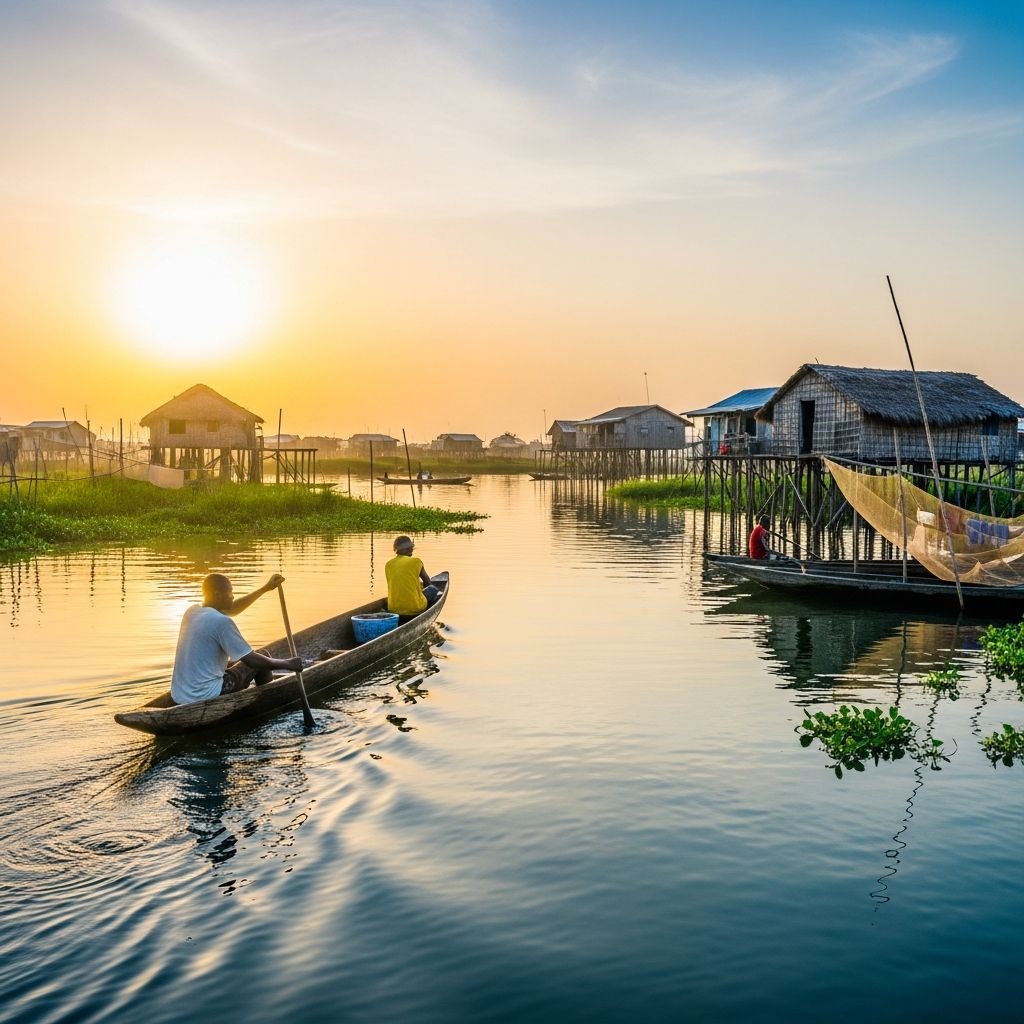
Benin, a vibrant West African nation stretching from Atlantic beaches to northern savannas, offers diverse experiences shaped by its tropical climate. Timing your visit around seasonal patterns ensures comfort, accessibility, and immersion in cultural and natural wonders. Dry periods dominate prime travel windows, while rains bring lush greenery at the cost of muddier paths.
Benin’s Climate Landscape: North-South Divide
Benin’s weather varies strikingly from humid southern coasts to arid northern plains. The south, home to bustling Cotonou and historic Ouidah, endures heavy rains from April to October, with a brief dry interlude in July-August. Northern regions like Pendjari National Park face extreme heat from November to June, cooling slightly during shorter wet spells. Central zones blend these influences, averaging 900-1100mm annual rainfall and 25-29°C temperatures.
This gradient means southern beachgoers prioritize dry spells, while safari enthusiasts target northern dry seasons when roads firm up and animals cluster at waterholes.
Prime Dry Season: December to April
The heart of Benin’s high season spans December to April, delivering reliable sunshine, low humidity, and peak event calendars. Daytime highs hit 30-33°C, with cooler evenings in the north due to Harmattan winds from the Sahara. These northeasterly gusts carry fine dust, veiling skies but easing mugginess—pack lip balm and moisturizer.
Festival Fever and Festive Vibes
December ushers in Christmas and New Year celebrations nationwide, blending Christian revelry with local traditions. January’s Vodoun Festival in Ouidah draws global crowds for rituals honoring Benin’s spiritual heritage—expect vibrant processions, Fetish markets, and python temples. February maintains the party atmosphere with fewer crowds post-holidays.
Wildlife Safaris in Full Swing
Northern parks like Pendjari (open October 15 to July 31) shine here. By March-April, thinning vegetation and dwindling water sources concentrate lions, cheetahs, elephants, and hippos at rivers—West Africa’s prime safari spot. Roads remain navigable, unlike rainy closures.
Drawbacks include moderate crowds at festivals, stable-but-higher prices, and Harmattan dust irritating throats and lenses.
Shoulder Seasons: Value and Serenity
Transitional months offer compromises: milder weather, fewer tourists, and negotiable rates. November and August stand out for their dry-ish spells amid otherwise wet patterns.
November: Pre-Peak Prelude
As rains taper, November brings 27-29°C warmth with 8+ hours of daily sun in Cotonou—the year’s sunniest month. Southern beaches empty out, ideal for relaxed wanders in Grand-Popo’s palm-fringed sands. Northern access improves for early safaris, though Harmattan dust begins.
August: Mini-Dry Escape
A quirky southern dry pocket from late July to early September cools temperatures to comfortable levels with blue skies sans dust. Explore Ouidah’s slave route or Porto-Novo’s markets without peak-season bustle. Wildlife viewing dips as greenery thickens, but costs plummet.
March-May Edges: Budget Outdoor Bliss
Post-festival lulls yield 25°C averages, perfect for hiking Atakora Mountains or beach lounging before April rains ramp up. Prices drop as buzz fades, suiting thrift travelers.
Rainy Seasons: Lush but Challenging
May-July and September-October transform Benin into a verdant paradise, with southern downpours totaling 14+ inches in June. Temperatures dip to 27-30°C but humidity soars, and unpaved roads turn to quagmires, stranding vehicles. Northern rains are lighter, yet parks close.
Upsides for Adventurous Souls
Fewer visitors mean intimate encounters: cascading waterfalls swell, birdlife explodes, and accommodations slash rates—May-June and late September hit rock-bottom pricing. Urban hubs like Cotonou stay functional for market dives or voodoo lore.
Avoid if mobility or wildlife are priorities; embrace if seeking solitude and dramatic landscapes.
Seasonal Comparison Table
| Season | Months | Weather | Crowds & Costs | Top Activities |
|---|---|---|---|---|
| Peak Dry | Dec-Feb | Hot (30-33°C), dusty Harmattan | Moderate crowds, standard rates | Festivals, safaris, beaches |
| Late Dry | Mar-Apr | Warm (25-29°C), pre-rain heat | Low crowds, dropping prices | Wildlife peaks, hiking |
| Mini-Dry South | Jul-Sep | Cooler (27°C), brief dry | Light crowds, low costs | Beaches, culture without bustle |
| Short Dry | Nov | Sunny (27-29°C), easing rains | Low crowds, value rates | Early safaris, quiet coasts |
| Main Wet | May-Jul, Sep-Oct | Rainy, humid (27-30°C) | Minimal crowds, cheapest | Urban explores, lush scenery |
Month-by-Month Travel Guide
- January: Vodoun Festival peak; scorching days, festive south.
- February: Continued dry heat; ideal for nationwide tours.
- March: Safari gold in Pendjari; building warmth.
- April: Last dry hurrah; beach relaxation before rains.
- May: Rains start; budget urban stays, cooler temps.
- June: Heavy south rains; northern semi-arid holds.
- July: Short dry break; value wildlife if parks open.
- August: Southern sweet spot; palm-lined beaches empty.
- September: Tail-end rains; cheap coastal escapes.
- October: Wet north cools; transition to dry.
- November: Sunniest, versatile month; pre-Harmattan bliss.
- December: Holiday magic; high-season kickoff.
Pendjari National Park Specifics
Benin’s safari crown jewel demands dry-season alignment. Open mid-October to late July, prime viewing hits December-April when herbivores mass at ponds, drawing predators. March-April maximizes sightings amid sparse bush, despite intensifying heat—dawn drives essential. Lions, cheetahs, and 500+ bird species thrive here, unmatched in West Africa.
Packing and Preparation by Season
- Dry Peak: Light cottons, hat, sunscreen, dust mask, moisturizers for Harmattan.
- Shoulder: Layered clothes for variable temps, rain poncho standby.
- Wet: Quick-dry gear, waterproof boots, insect repellent—malaria risk rises.
Visas on arrival for many; yellow fever vaccination mandatory. ATMs sparse outside Cotonou—carry CFA francs.
Frequently Asked Questions
What’s the absolute best month for first-timers?
January blends festivals, dry weather, and accessible sites—book ahead for Ouidah events.
Can I visit Benin during rains?
Yes, for budget cultural trips in cities; skip rural north/south due to floods.
How does north differ from south?
North: hotter dry extremes, lighter rains. South: prolonged monsoons, humid year-round.
Is Harmattan problematic?
Dusty but humidity-lowering; northern nights chill—bring fleece.
Cheapest time?
May-June, September: slashed hotels, flights from Europe.
Regional Itinerary Ideas
- South-Focused (Nov-Feb, Aug): Ouidah voodoo, Cotonou markets, Grand-Popo beaches.
- North Safari (Dec-Apr): Pendjari drives, Atakora villages, taneka treks.
- All-Rounder (Nov): Balanced weather for coast-to-savanna loops.
Benin’s magic lies in syncing with its rhythms—dry highs for action, wet lulls for peace. Whether chasing cheetahs or Vodoun vibes, strategic timing elevates every journey.
References
- Best Time To Visit Benin — Thomas Cook. 2023. https://www.thomascook.in/international-tourism/best-time-to-visit-benin
- Best time to visit Benin — Responsible Travel. 2024-01-15. https://www.responsibletravel.com/holidays/benin/travel-guide/best-time-to-visit-benin
- Best Time to Visit Benin: Weather, Seasons & Travel Tips — SimCorner. 2024. https://simcorner.com/blogs/travel-guides/best-time-to-visit-benin
- Best Time to Visit Benin (Climate Chart and Table) — SunPope. 2023. https://www.sunpope.com/benin/
- When is the best time to visit Benin? — Lonely Planet. 2024-02-20. https://www.lonelyplanet.com/articles/best-time-to-visit-benin
- Benin – Climate — Journeys by Design. 2023. https://journeysbydesign.com/destinations/benin/when-to-go
Similar Articles





Read full bio of medha deb