Best Time To Visit Germany: A Month-By-Month Guide 2025
Discover the perfect seasons for your German adventure, from blooming springs to festive winters, balancing weather, crowds, and unique events.
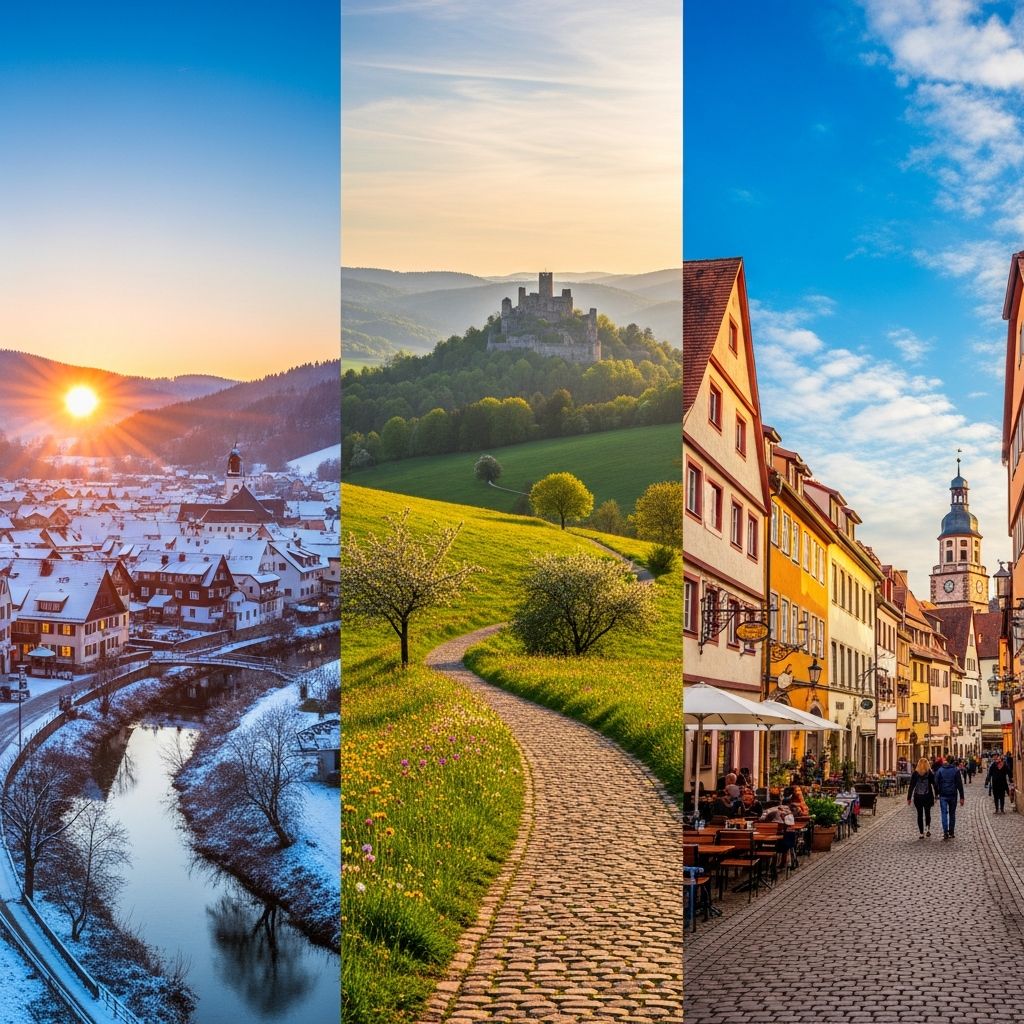
Germany offers diverse experiences year-round, with each season bringing unique weather patterns, cultural events, and crowd levels that can shape your trip. The country’s central European climate features mild summers and chilly winters, making spring and fall ideal for balanced sightseeing without extreme temperatures or overwhelming tourists. Peak summer draws crowds for festivals, while winter shines with holiday markets.
Understanding Germany’s Seasonal Climate
Germany’s weather varies by region, from the cooler north near the Baltic Sea to warmer southern Bavaria. Overall, summers from June to August average 68°F to 86°F (20°C to 30°C), with longer daylight hours perfect for outdoor pursuits. Winters dip below freezing, especially in the Alps, but rarely become unbearable. Shoulder seasons—April to May and September to October—provide comfortable 50°F to 70°F (10°C to 21°C) days, fewer visitors, and lower costs.
Regional differences matter: Northern areas like Hamburg enjoy mild springs for harbor festivals, while the south excels in fall with wine harvests and Oktoberfest. Planning around these helps avoid rain-prone periods or school holiday peaks.
Spring Awakening: March to May
Spring revitalizes Germany as temperatures climb from chilly March starts to pleasant May days. Cherry blossoms paint cities like Bonn and Heidelberg, drawing photographers and walkers. This shoulder season means shorter lines at landmarks such as Berlin’s Brandenburg Gate or the Rhine Valley castles.
- Weather Highlights: Daytime highs of 55°F to 65°F (13°C to 18°C); occasional showers refresh landscapes.
- Top Activities: Hiking in the Black Forest, cycling along the Danube, exploring blooming gardens in Munich’s English Garden.
- Events: Frühlingsfest in Munich and Stuttgart (mid-April to early May) offers beer tents and rides as a prelude to summer.
May stands out as a prime month, with festivals kicking off and accommodations at shoulder-season rates. Northern cities thrive with events like Hamburg’s Hafengeburtstag, a 350-year-old harbor celebration.
Summer Vibrancy: June to August
June through August marks peak season, with sunny days extending to 9:30 PM and temperatures ideal for lakeside lounging or alpine hikes. Rivers like the Rhine buzz with cruise ships, and open-air concerts fill plazas. However, school holidays swell crowds in popular spots like the Bavarian Alps or Neuschwanstein Castle.
| Month | Average High (°F/°C) | Key Pros | Key Cons |
|---|---|---|---|
| June | 70°F / 21°C | Long days, blooming festivals | Building crowds |
| July | 75°F / 24°C | Beach weather, music events | Peak prices, rain chances |
| August | 77°F / 25°C | Hiking peaks, outdoor dining | Highest tourist volume |
Festivals abound: Berlin’s Carnival of Cultures celebrates diversity, while Rheingau wine events tantalize palates. Families love this time for water parks and beer gardens, but book early to secure spots.
Autumn Harvest: September to November
Fall transforms Germany into a canvas of gold and red, with crisp air perfect for sightseeing. September and early October hit a “sweet spot”—warm days around 60°F to 70°F (15°C to 21°C), harvest festivals, and thinning crowds post-summer.
- Must-Dos: Oktoberfest in Munich (late September to first October weekend), wine tastings in Rhine and Moselle valleys.
- Regional Gems: Bavaria for foliage hikes; East Germany’s Dresden for architecture amid changing leaves.
- Weather Note: Mild until mid-November, then cooling with early frosts in the mountains.
This period suits romantics and foodies, with lower hotel rates and vibrant markets signaling winter’s approach.
Winter Wonderland: December to February
Winter blankets Germany in snow, turning cities into festive hubs from late November. Christmas markets light up squares with mulled wine, crafts, and gingerbread—top spots in Nuremberg, Leipzig, and Berlin’s Charlottenburg Palace.
Off-season perks include budget flights and empty museums, though some rural sights shorten hours. Southern Alps offer skiing, while northern coasts stay milder.
| Region | Winter Appeal | Average Low (°F/°C) |
|---|---|---|
| North (Hamburg) | Markets, indoor culture | 30°F / -1°C |
| East (Berlin) | Festivals, history sites | 28°F / -2°C |
| West (Cologne) | Cathedral lights, riverside | 32°F / 0°C |
| South (Munich) | Skiing, markets | 25°F / -4°C |
Carnival season (pre-Lent) adds parades in Cologne and Mainz for party seekers.
Regional Breakdown: Tailoring Your Visit
Germany’s federal structure means varied optima:
- North: May-September for mild outdoor fun in Hamburg and Bremen.
- East: May-September; Dresden and Leipzig glow in summer light.
- West: Spring-fall for Rhine cruises and Frankfurt fairs.
- South: Late spring-early fall, peaking with Oktoberfest.
For sightseeing, prioritize March-May or September-October to dodge peaks.
Quick Planner: Match Your Trip Style
| Trip Type | Best Months | Why? |
|---|---|---|
| First-Timers | May, June, September | Balanced weather, key sights open |
| Families | June-August | Kid-friendly festivals, long days |
| Budget Travelers | November-March | Low costs, fewer lines |
| Food/Wine Lovers | September-October | Harvest season specials |
| Winter Festive | Late Nov-Dec | Markets galore |
Practical Tips for Any Season
Secure travel insurance for weather disruptions, especially in variable springs. Book peak events like Oktoberfest tents months ahead. Pack layers—rain gear for summer showers, thermals for winter. Use trains for efficient regional hops; consider Eurail passes.
Cheapest visits hit November-March, excluding holidays. Monitor school calendars to sidestep family peaks.
Frequently Asked Questions
What is the single best month for Germany?
May: Pleasant weather, blooms, and emerging festivals with minimal crowds.
Is summer worth the crowds?
Yes, for festivals and warmth, but opt for weekdays or lesser-known towns.
When are Christmas markets open?
Late November to December 24; prime from November 22-29.
Best for hiking?
July-August in Alps; September for colorful trails.
Cheapest flights and stays?
January-February, post-holidays.
Final Thoughts on Timing Your Journey
No wrong time exists for Germany—align with your priorities. Shoulder seasons win for value, summer for energy, fall for flavors, winter for charm. Research events and regions to craft an unforgettable itinerary.
References
- Best Time to Visit Germany (2025) | Month-by-Month Climate Guide — Enchanting Travels. 2025. https://www.enchantingtravels.com/destinations/europe/germany/best-time-to-visit-germany/
- Best Time To Visit Germany | Climate Guide — Audley Travel US. 2024. https://www.audleytravel.com/us/germany/best-time-to-visit
- What is the Best Time to Visit Germany? — AXA Travel Insurance. 2024. https://www.axatravelinsurance.com/resources/tips/best-time-visit-germany
- The best time to visit Germany: A guide to all four seasons — GetYourGuide. 2024. https://www.getyourguide.com/explorer/germany-ttd169009/best-time-to-visit-germany/
- Best Time to Visit Germany — Global Holidays USA. 2024. https://globalholidays.us/best-time-to-visit-germany/
- Best Time to Visit Germany — Insight Vacations US. 2024. https://www.insightvacations.com/en-us/destinations/europe/germany/best-time-to-visit-germany
Similar Articles







Read full bio of Sneha Tete