Best Time To Visit India: Month-By-Month Guide For 2025
Discover the ideal seasons for India's diverse regions, from sunny beaches to Himalayan treks, ensuring perfect weather for your adventure.
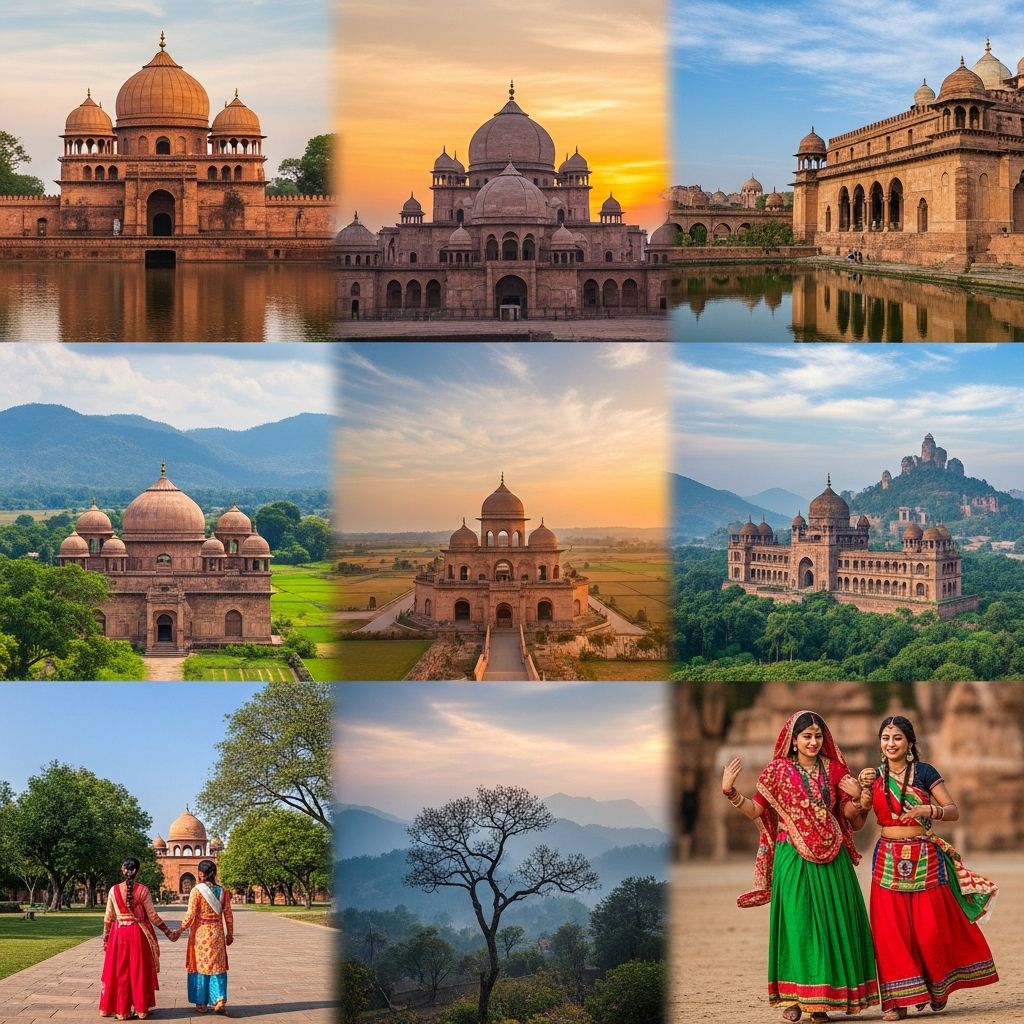
India’s vast geography creates a mosaic of climates, making the choice of travel season crucial for an enjoyable trip. The prime window for most visitors spans October through March, offering dry, temperate conditions ideal for sightseeing across plains and coasts.
Understanding India’s Seasonal Patterns
India experiences four primary seasons: winter, summer, monsoon, and post-monsoon, each influencing travel differently by region. Winter brings comfortable days in the north, while the south stays balmy. Summers intensify heat in lowlands, driving travelers to elevated retreats. Monsoons refresh landscapes but challenge mobility in many areas.
- Winter (October to March): Dominant choice for urban tours, wildlife viewing, and beach relaxation due to minimal rain and moderate temperatures.
- Summer (April to June): Intense heat in central and northern plains; favored for cooler hill stations and early wildlife sightings.
- Monsoon (July to September): Heavy rains transform scenery, best for mountains and fewer tourists in lowlands.
- Post-Monsoon (October-November): Clear skies return, festivals abound, and temperatures ease.
Winter Wonders: Peak Season Delights (October-March)
This period shines for comprehensive itineraries. Northern cities like Delhi see highs of 21-32°C (70-90°F) with chilly nights, perfect for monuments without swelter. Southern beaches maintain warmth around 32°C (90°F), ideal for Goa or Kerala swims.
However, northern fog from December to February can delay trains and flights, especially around Delhi. Rajasthan’s deserts offer crisp nights and sunny days for camel safaris. Peak crowds mean higher prices, but festivals like Diwali (October-November) and Holi (March) add vibrancy.
| Region | Avg High (°C) | Avg Low (°C) | Key Activities |
|---|---|---|---|
| Delhi/Agra | 21-25 | 6-10 | Taj Mahal, forts |
| Mumbai/Goa | 30-32 | 20-23 | Beaches, temples |
| Rajasthan | 22-28 | 8-15 | Desert camps, palaces |
| Kerala | 31-33 | 22-24 | Backwaters, wildlife |
Summer Escapes: Heat and Hill Stations (April-June)
Temperatures soar above 40°C (104°F) in the north, making plains uncomfortable, but this draws visitors to Shimla, Manali, or Ooty where highs linger at 20-30°C (68-86°F). National parks like Ranthambore see active tigers near waterholes before monsoons.
Lower crowds and discounts prevail, though hydration and air-conditioned transport are essentials. South India’s humidity rises, yet early mornings suit temple visits in Tamil Nadu.
Monsoon Magic: Lush Landscapes and Serenity (June-September)
Rains start in Kerala by May, sweeping north by July, delivering daily showers that cool the air to 30°C (86°F) with high humidity. Lowlands become lush, but flooding risks roads. Conversely, the Himalayas dry out, opening Ladakh and Spiti for motorbiking and trekking with clear vistas and minimal tourists.
Mumbai’s streets gleam, Varanasi’s ghats mystify under rain, and Goa’s beaches empty for bargains. Wildlife thrives with newborns in sanctuaries.
Regional Travel Calendar: Tailored Recommendations
Northern Plains and Golden Triangle (Delhi, Agra, Jaipur)
October to March avoids summer scorch (45°C+) and monsoon mud. Fog alerts in winter; opt for October-November or February-March.
Himalayan Highs (Ladakh, Himachal Pradesh)
June to September for accessible passes and wildflowers; winters close roads with snow.
Southern Shores (Goa, Kerala, Tamil Nadu)
December to March for sunbathing; monsoons (June-September) suit ayurvedic retreats with fewer crowds.
Eastern Horizons (Kolkata, Darjeeling)
November to February dodges cyclone-prone October-November and humid summers.
Central Wildlife Reserves (Ranthambore, Bandhavgarh)
Winter for sightings; summer concentrates animals at water.
Festival Synergy: Aligning Trips with Celebrations
Timing visits with events amplifies experiences:
- Diwali (October-November): Lights illuminate Rajasthan and Varanasi.
- Holi (March): Color explosions in Mathura and Vrindavan.
- Pushkar Camel Fair (November): Rajasthan’s cultural spectacle.
- Onam (September): Kerala’s harvest boat races.
- Dussehra (October): Kullu Valley’s deity processions.
Book ahead as accommodations fill fast.
Practical Planning: Weather, Crowds, and Costs
Crowds: Winter peaks in Taj Mahal (sunrise slots advised); monsoons offer solitude.
Costs: Winter premiums (20-50% hike); summer/monsoon deals abound.
Packing: Layers for winter variability; rain gear for monsoons; light cottons with hats for summer.
Health: Monsoon mosquitoes demand repellents; hydrate in heat.
Month-by-Month Guide
| Month | North | South | Mountains | Highlights |
|---|---|---|---|---|
| January | Cool, foggy | Warm, dry | Cold, closed | Beaches, safaris |
| February | Mild | Hot days | Snowy | Forts, Holi prep |
| March | Warming | Humid | Opening | Holi, blooms |
| April | Hot | Very hot | Pleasant | Hill stations |
| May | Scorching | Peak heat | Good | Wildlife |
| June | Monsoon start | Rainy | Dry, ideal | Ladakh treks |
| July-Aug | Wet | Heavy rain | Sunny | Mountain roads |
| September | Tail end rain | Monsoon | Closing | Lush valleys |
| October-Nov | Perfect | Warm | Cooling | Festivals |
| December | Cool | Balmy | Winter | Temple tours |
Frequently Asked Questions
What is the absolute best month for first-time visitors?
November or February: Balanced weather, festivals, and accessibility.
Can I visit India during monsoon?
Yes, for mountains or off-peak beaches; avoid if rain-averse.
Is summer travel feasible?
For hill stations and parks, absolutely; skip cities.
How does climate change affect planning?
Unpredictable monsoons and hotter summers; check forecasts.
Best for budget travelers?
Monsoon or shoulder seasons (March, October).
Conclusion
India rewards strategic timing, matching your adventure to its rhythms for unforgettable journeys amid diverse weathers and festivities.
References
- Best time to visit India – Responsible Travel — Responsible Travel. 2023. https://www.responsibletravel.com/holidays/india/travel-guide/best-time-to-visit-india
- Best time to visit India – Rough Guides — Rough Guides. 2024. https://www.roughguides.com/india/when-to-go/
- When is the best time to visit India? – Lonely Planet — Lonely Planet. 2024. https://www.lonelyplanet.com/articles/best-time-to-visit-india
- Best Time to Visit India by Month & Season – Wilderness Travel — Wilderness Travel. 2024. https://www.wildernesstravel.com/asia/india/when-best-time-visit/
- Best time to visit India | Intrepid Travel US — Intrepid Travel. 2024. https://www.intrepidtravel.com/us/india/best-time-to-visit-india
- When Is The Best Time To Visit India? Here’s Your Season-By … — Go Ahead Tours. 2024. https://www.goaheadtours.com/travel-blog/articles/the-best-time-to-visit-india
Similar Articles







Read full bio of medha deb