Optimal Times to Explore Malta
Discover the perfect seasons for Malta's beaches, history, and festivals with ideal weather and fewer crowds for an unforgettable trip.
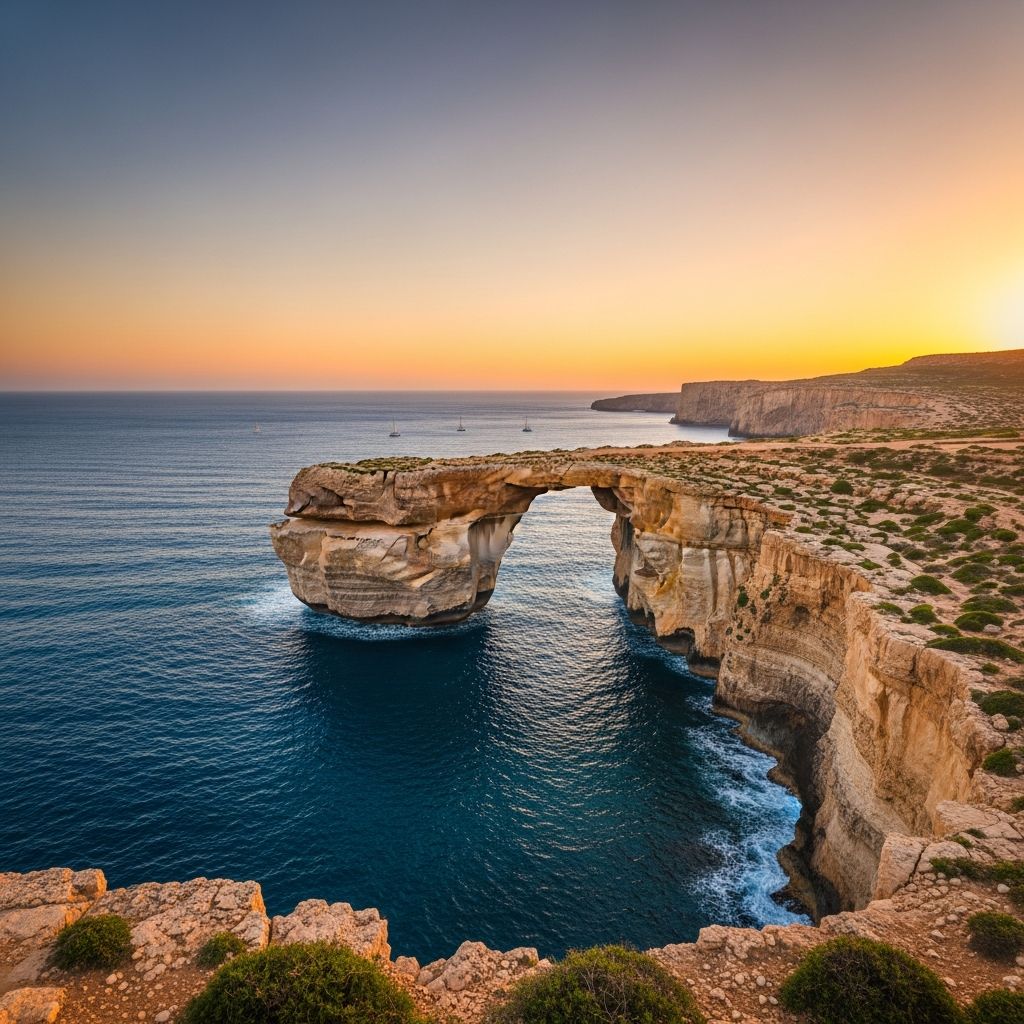
Malta’s Mediterranean allure draws visitors year-round with over 300 sunny days annually, mild winters, and scorching summers. The archipelago’s compact size makes it easy to blend beaches, ancient sites, and vibrant culture, but timing your trip maximizes enjoyment by balancing weather, crowds, costs, and unique events. Shoulder periods like spring and autumn often top recommendations for comfortable conditions without peak-season chaos.
Understanding Malta’s Climate Patterns
Malta enjoys a classic Mediterranean climate: hot, dry summers and mild, occasionally wet winters. Average highs range from 15°C in January to 38°C in August, with sea temperatures peaking at 26°C in summer. Rainfall is minimal from April to October but increases in winter, greening the landscape. These patterns influence everything from outdoor adventures to festival schedules across Malta, Gozo, and Comino.
| Month | Avg High (°C) | Sea Temp (°C) | Rain Days | Crowd Level |
|---|---|---|---|---|
| Jan-Feb | 15-16 | 15-16 | 10-12 | Low |
| Mar-Apr | 18-20 | 16-18 | 6-8 | Medium |
| May-Jun | 24-28 | 20-23 | 2-3 | Medium-High |
| Jul-Aug | 32-38 | 25-26 | 0-1 | Peak |
| Sep-Oct | 26-30 | 24-25 | 4-6 | Medium |
| Nov-Dec | 18-20 | 18-20 | 8-10 | Low |
This table summarizes monthly conditions, helping you align trips with preferences. Data reflects typical patterns from reliable travel analyses.
Spring: Awakening Landscapes and Prime Hiking
From March to May, Malta bursts into life with wildflowers carpeting valleys and coastal paths. Temperatures climb to 18-24°C, ideal for tackling rugged trails on Gozo or exploring Valletta’s fortifications without oppressive heat. Fewer tourists mean shorter lines at UNESCO sites like Ħaġar Qim temples. Wild swimming begins in late April as seas warm. Spring suits active travelers: cycle through citrus groves, hike Dingli Cliffs, or join Easter processions blending Catholic traditions with island heritage. Accommodation dips 20-30% below summer rates, offering value for extended stays.
- Pros: Fresh air, blooming nature, budget-friendly, cultural events like Good Friday marches.
- Cons: Occasional showers, cooler swims early on.
- Top spots: Mdina’s medieval streets, Blue Grotto boat trips, Rabat’s catacombs.
Summer: Beach Bliss and Festive Nights
June through September transforms Malta into a sun-soaked playground. Highs of 30-38°C and balmy seas draw crowds to Golden Bay, Comino’s Blue Lagoon, and St. George’s Bay. Days revolve around water sports, snorkeling amid shipwrecks, and lazy afternoons on pebble coves. Evenings ignite with village festas—baroque fireworks, band marches, and street feasts honoring patron saints. Valletta buzzes post-dusk. Book ferries and hotels early; prices soar 50%+. Hydrate and seek shade midday.
- Pros: Warmest waters, party vibe, longest days for beach-hopping.
- Cons: Intense heat/humidity, packed sites, premium costs.
- Top events: Birgu Festival (August), Marsaxlokk fish market Sundays.
Autumn: Golden Balance of Sun and Serenity
September to November delivers Malta’s sweet spot: lingering summer warmth (26-30°C) with cooling breezes and warm seas into October. Crowds thin, prices moderate, and daylight supports mixed itineraries—morning dives at Gozo’s Inland Sea, afternoons at Tarxien Temples, evenings in Sliema’s waterfront bars. Harvest festivals feature prickly pears and chestnuts. Photographers love the soft light on honey-hued limestone. This window rivals spring for versatility.
- Pros: Comfortable temps, value deals, sea still swimmable, fewer lines.
- Cons: Rising rain in November, shorter days late season.
- Highlights: Popeye Village walks, Ħal Saflieni Hypogeum tours, wine tastings.
Winter: Quiet Charms and Savvy Savings
December to February offers a low-key Malta: mild 15-18°C days, festive Christmas markets, and lush countryside from winter rains. Tourist numbers plummet 70%, slashing hotel/flight costs—perfect for history immersion at Mosta Dome or silent retreats in Gozo’s villages. Some beaches close, but indoor attractions like MUŻA art museum thrive. Carnival in February explodes with costumes in Valletta. Pack layers for evenings.
- Pros: Bargain rates, authentic local life, greener hikes.
- Cons: Chilly swims, windier coasts, limited boat ops.
Festivals and Events Shaping Your Visit
Malta’s calendar pulses with traditions. Spring’s Carnival rehearsals lead to February’s flamboyant parades. Summer festas peak July-August with fireworks symphonies. Autumn hosts the Malta International Arts Festival (late June spillover) and Għana folk music nights. Winter’s Feast of the Assumption (August 15, but prep starts earlier) and New Year’s Eve fireworks cap the year. Time trips around these for immersive cultural highs.
| Season | Key Events | Best For |
|---|---|---|
| Spring | Easter Week, Nadur Carnival trials | Processions, hikes |
| Summer | Village festas, Notte Bianca | Fireworks, beaches |
| Autumn | Harvest fairs, jazz festival | Culture, diving |
| Winter | Christmas, Valletta Carnival | Markets, savings |
Packing Smart by Season
Tailor your suitcase to Malta’s shifts. Spring/autumn: Light layers, sturdy shoes for trails, swim gear, light jacket. Summer: UV protection, breathable clothes, evening smart-casual for festas. Winter: Waterproofs, thermals, scarves. Always include reef-safe sunscreen, reusable water bottle, and adapters (EU plugs).
Cost and Crowd Dynamics
Peak summer inflates budgets: €200+ nights, €50 meals for two. Shoulder seasons halve that; winter offers €50-80 rooms. Flights from Europe dip off-peak. Crowds peak July-August (Valletta footfall doubles); winter feels intimate. Families favor summer breaks; couples/solos thrive in shoulders.
Frequently Asked Questions
What’s the absolute best month for first-timers?
October: Warm seas, mild air, thinning crowds—perfect intro to beaches and history.
Can I swim year-round?
Yes, but comfortably May-October when seas exceed 20°C.
Is Malta family-friendly off-season?
Absolutely—winter Popeye Village and spring farms delight kids sans summer heat.
How does weather affect ferries/boats?
Winter winds cancel some; summer is reliable. Check forecasts.
Budget tips for high season?
Book 6+ months ahead, stay in Sliema/Bugibba, eat local pastizzi.
References
- Malta Climate Averages — Malta Tourism Authority. 2025-01-15. https://www.visitmalta.com/en/events/weather
- European Mediterranean Weather Patterns — European Environment Agency. 2024-06-20. https://www.eea.europa.eu/data-and-maps/indicators/sea-surface-temperature/sea-surface-temperature-assess-4
- Malta Tourism Statistics — National Statistics Office Malta. 2025-03-10. https://nso.gov.mt/themes_tourism/
- UNESCO World Heritage Sites in Malta — UNESCO. 2023-11-05. https://whc.unesco.org/en/list/132
- Traditional Maltese Festivals Guide — Malta Ministry of Culture. 2024-09-12. https://culture.gov.mt/en/heritage/festivals
Similar Articles


Read full bio of medha deb