Oregon National Parks: 5 Must-Visit Parks And Historic Sites
Discover Oregon's stunning national parks, historic trails, and natural wonders for your ultimate Pacific Northwest adventure.
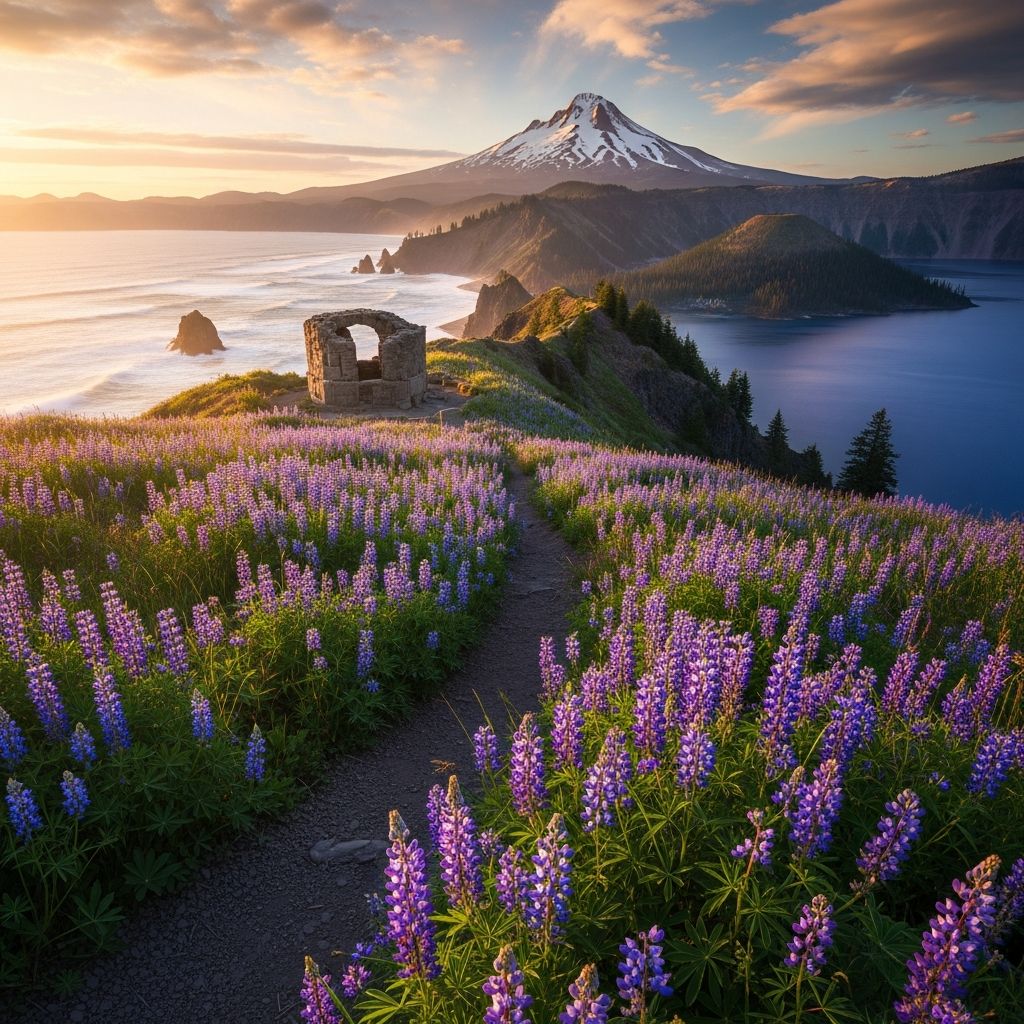
Oregon boasts a diverse array of national parks, monuments, and historic sites that showcase its dramatic landscapes, rich geological history, and pivotal role in American exploration. From the profound blue depths of volcanic craters to ancient cave systems and fossil-rich badlands, these protected areas offer endless opportunities for adventure, education, and reflection. This guide dives into the must-visit destinations managed by the National Park Service, providing practical insights for planning your journey through the Beaver State.
Unveiling Crater Lake: Nature’s Masterpiece
At the heart of southern Oregon lies
Crater Lake National Park
, a testament to volcanic power and natural beauty. Formed approximately 7,700 years ago when Mount Mazama erupted and collapsed into itself, the park’s namesake lake occupies the caldera, reaching depths of over 1,900 feet—making it the deepest lake in the United States. The water’s vivid cobalt hue results from its purity, fed solely by rain and snowmelt with no inflows or outflows.Visitors can access the park year-round, though winter snow transforms it into a snowy paradise for snowshoers and cross-country skiers. Summer brings the opening of Rim Drive, a 33-mile scenic loop encircling the lake with numerous overlooks. Key stops include the Rim Village Visitor Center, where interactive exhibits detail the park’s geology, ecology, and Native American history tied to the Klamath Tribes.
For active explorers, hiking trails cater to all levels. The
Garfield Peak Trail
(3.4 miles round-trip, moderate) climbs 1,010 feet to offer sweeping vistas of the lake, Phantom Ship island, and distant peaks like Mount McLoughlin. Wildflowers bloom vibrantly in July and August, attracting photographers. Easier options include theCastle Crest Wildflower Trail
(1 mile, easy), showcasing meadows ablaze with lupine and paintbrush.Boat tours to Wizard Island provide a unique perspective, allowing hikes on the cinder cone and swimming in the frigid waters. Reservations are essential, as tours depart from Cleetwood Cove via a steep 1.1-mile trail—the park’s only lake access point.
Delving into Oregon Caves National Monument
Nestled in the Siskiyou Mountains near Cave Junction,
Oregon Caves National Monument
reveals a subterranean world of marble passageways formed over 200 million years ago. Discovered in 1874, the cave system features stunning formations like flowstone draperies, stalactites, and the “Ghost Room” with its ethereal calcite crystals.Guided cave tours, lasting 90 minutes and covering three-quarters of a mile, are the highlight. Temperatures hover at 42°F year-round, so layers are advised. Tours operate from late March through November, with strenuous options for fit adventurers involving ladders and tight squeezes.
Above ground, six trails span nearly 90 miles in the surrounding preserve. The
Big Tree Trail
(2.5 hours, moderate) leads to the state’s widest Douglas fir, a colossal tree measuring 25 feet in circumference. Easier paths like theCliff Nature Trail
(0.8 miles, easy) wind through old-growth forest with minimal elevation gain. For panoramic rewards, theMount Elijah Loop
(6 miles, strenuous) summits at 6,000 feet, overlooking Mount Shasta and the Illinois Valley.Camping at the monument’s campground or nearby dispersed sites enhances the experience, with opportunities to spot black bears, deer, and rare spotted owls.
Lewis and Clark National Historical Park: Echoes of Exploration
On the north coast,
Lewis and Clark National Historical Park
commemorates the Corps of Discovery’s 1805-1806 overwintering at Fort Clatsop. Spanning sites in Oregon and Washington from Long Beach to Cannon Beach, it immerses visitors in the expedition’s trials and triumphs.The park’s replica fort, visitor center, and Netul River Trail recreate the explorers’ daily life, from salt works to canoe-building. Exhibits highlight interactions with the Clatsop and Chinook peoples, whose knowledge was crucial to survival.
Over 14 miles of trails follow historic routes. The
Kwis Kwis Trail
(6.5 miles one-way, moderate) traces an ancient footpath used by Native Americans and the Corps, passing through rainforest and offering wildlife sightings like elk and eagles. Shorter loops around the fort take under an hour.Combine with nearby coastal hikes for a full day, watching for tide pools teeming with marine life.
John Day Fossil Beds: Windows to Prehistory
Central Oregon’s
John Day Fossil Beds National Monument
preserves 40 million years of Earth’s history across three units: Sheep Rock, Painted Hills, and Clarno. Designated for its world-class fossils, it reveals ancient ecosystems from lush subtropical forests to volcanic deserts.Start at Sheep Rock’s Thomas Condon Paleontology Center, a museum displaying saber-toothed cats, rhinos, and early horses unearthed locally. Free ranger-led hikes uncover dig sites.
- Painted Hills Unit: Iconic colorful strata from layered sediments, best at sunrise. Trails like Carroll Rim (1.6 miles, moderate) overlook the vibrant hills.
- Clarno Unit: Palm fossils and petrified logs along easy 0.25-mile paths.
- Sheep Rock Unit: Blue Basin Trail (3 miles, moderate) winds past fossil-bearing cliffs.
Visit in spring for wildflowers or fall for fewer crowds and golden light on the hills.
Oregon National Historic Trail: Pioneering Paths
Stretching over 2,000 miles from Missouri to Oregon, the
Oregon National Historic Trail
marks the 1840s wagon train route that shaped the West. In Oregon, segments near Baker City and The Dalles feature wagon ruts, interpretive signs, and museums.Key stops include Flagstaff Hill’s Oregon Trail Interpretive Center, with dioramas of perilous crossings. Hike swales—deep ruts carved by thousands of wagons—at Farewell Bend or Guernsey. Fees apply at some sites; passes cover multiple visits.
Planning Your Oregon National Parks Adventure
Oregon’s sites are accessible from major hubs like Portland (2-5 hours to most). Enter Crater Lake via Highway 62; book lodging early as campgrounds fill fast. Entrance fees: $30/vehicle for parks like Crater Lake (7-day pass); America the Beautiful Pass ($80 annual) covers all federal sites.
| Site | Best Season | Top Activity | Distance from Portland |
|---|---|---|---|
| Crater Lake | Summer | Rim Drive & Hiking | 4.5 hours |
| Oregon Caves | Spring-Fall | Cave Tours | 5 hours |
| Lewis & Clark | Year-round | Fort Replica & Trails | 1.5 hours |
| John Day Beds | Spring-Fall | Fossil Viewing | 4 hours |
| Oregon Trail | Summer | Interpretive Centers | 5-6 hours |
Pack layers for variable weather, bear spray where needed, and follow Leave No Trace principles. Pets are restricted in backcountry.
Essential Tips for Safe and Enjoyable Visits
- Check NPS.gov for alerts on fires, closures, or road conditions.
- Hydrate and use sun protection at high elevations.
- Reserve tours and campsites via recreation.gov.
- Support local economies by shopping Native artisan goods.
Frequently Asked Questions (FAQs)
Does Oregon have any full national parks?
Oregon has no traditional national parks like Yellowstone but excels in national monuments, historic sites, and trails offering comparable wonders.
What’s the best time to visit Crater Lake?
July-September for road access and boating; shoulder seasons for solitude.
Are the cave tours at Oregon Caves family-friendly?
Yes, but children under 42 inches may not join strenuous tours; standard tours suit ages 5+.
Can I camp at John Day Fossil Beds?
Backcountry camping requires permits; developed sites nearby.
How long for a Lewis and Clark visit?
Half-day for fort and trails; extend with coastal drives.
Day Trips and Multi-Site Itineraries
For a 7-day loop: Day 1-2 Crater Lake; Day 3 Oregon Caves; Day 4-5 John Day; Day 6 Oregon Trail; Day 7 Lewis and Clark. Pair with state parks like Smith Rock for climbing or Columbia Gorge waterfalls.
References
- Oregon (U.S. National Park Service) — National Park Service. Accessed 2026. https://www.nps.gov/state/or/index.htm
- Plan Your Visit – Oregon National Historic Trail — National Park Service. Accessed 2026. https://www.nps.gov/oreg/planyourvisit/index.htm
- Must-Visit National Parks in Oregon and Washington — Wildland Trekking. Accessed 2026. https://wildlandtrekking.com/blog/national-parks-oregon-and-washington/
- National Parks to Visit in Oregon — Bowlus. Accessed 2026. https://bowlus.com/blog/luxury-rv-resources/national-parks-in-oregon/
- Insider’s Guide to Oregon’s National Parks and Historical Sites — Evergreen & Salt. Accessed 2026. https://evergreenandsalt.com/oregon-national-parks-historical-sites/
- Oregon Road Trip Inspo: Visiting the Best State & National Parks — Field Mag. Accessed 2026. https://www.fieldmag.com/articles/oregon-state-park-national-park-road-trip
Similar Articles








Read full bio of medha deb