Outdoor Luxury Stays: How Nature-Based Travel Reshaped Modern Vacations
Discover why travelers are embracing nature-integrated accommodations for safer, more sustainable getaways.
The Evolution of Alternative Accommodations in Travel
The landscape of vacation planning has undergone a significant transformation over the past two decades. What began as a niche movement in the United Kingdom has blossomed into a globally recognized accommodation category that attracts millions of travelers annually. This shift reflects deeper changes in how people approach leisure time, environmental consciousness, and the desire for authentic experiences beyond conventional hotel stays.
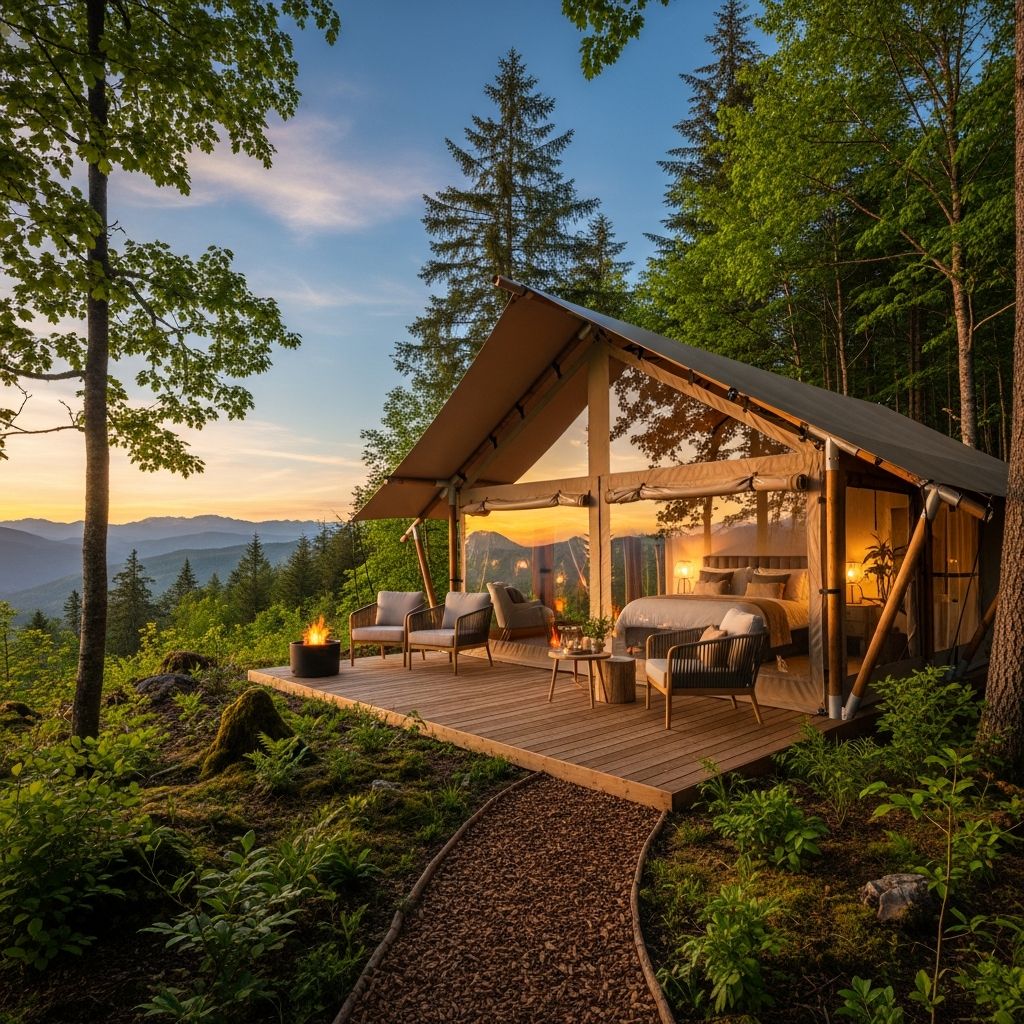
The accommodation sector has witnessed remarkable diversification, with travelers increasingly seeking alternatives to traditional lodging. From canvas-sided dwellings and mobile home rentals to sustainable pods and elevated treehouses, the variety of options now available represents a fundamental departure from the one-size-fits-all approach of mainstream hospitality. This expansion reflects changing consumer preferences that prioritize experience quality, personal control, and environmental stewardship over standardized service models.
Accessibility and Inclusivity in Outdoor Recreation
One of the most significant advantages of modernized outdoor accommodations lies in their ability to democratize wilderness experiences. Historically, outdoor recreation required specialized knowledge, expensive equipment, and physical conditioning that discouraged many potential participants. The contemporary outdoor hospitality model eliminates these barriers substantially.
Modern accommodations provide fully furnished spaces with climate control, indoor plumbing, and contemporary amenities. This means individuals without wilderness training or prior camping experience can enjoy natural settings comfortably. Those who lack conventional camping skills—or who have never felt welcomed in outdoor spaces—now find accessible entry points into nature-based tourism.
This democratization particularly benefits underrepresented groups in outdoor recreation. By removing technical barriers and providing prepared spaces, these accommodations invite broader participation from communities that historically faced obstacles to wilderness access. The inclusion focus extends beyond skill requirements; it encompasses cultural comfort, physical accessibility, and economic feasibility for middle-income travelers who might otherwise consider outdoor stays prohibitively expensive or intimidating.
Environmental Responsibility and Conservation Benefits
Environmental stewardship has been central to alternative outdoor accommodations since their inception. The ecological advantages extend across multiple dimensions of sustainable tourism practice.
Structural considerations demonstrate clear environmental benefits. Semi-permanent installations like fabric-sided tents and modular pod systems impose minimal landscape impact compared to permanent hotel construction. Their temporary nature allows natural recovery of underlying ecosystems, preventing the soil compaction and vegetation loss associated with traditional infrastructure. Reusable components generate substantially less waste than conventional hospitality development, with many establishments implementing comprehensive waste reduction systems.
Property conservation represents another significant environmental benefit. Landowners who might otherwise convert natural areas to extractive uses—such as intensive agriculture or industrial operations—maintain these properties as natural spaces when accommodation ventures provide economic incentives. This economic model encourages rewilding initiatives and habitat restoration, transforming private land into de facto conservation areas. The financial viability of nature-based tourism creates compelling reasons for stakeholders to preserve rather than develop environmentally sensitive properties.
Consumer demand reinforces these environmental commitments. Approximately 70% of contemporary travelers express preference for accommodations with documented environmental practices, according to industry research. This consumer preference drives operators to maintain and improve sustainability standards, creating a market-based incentive for ecological responsibility.
Health-Conscious Travel Preferences and Well-Being Benefits
Beyond environmental considerations, health dimensions have fundamentally influenced accommodation preferences. The benefits of nature-based environments on human physiology and psychology represent well-documented advantages of outdoor stays.
Fresh air exposure, natural light cycles, and reduced indoor air pollutants contribute measurable health improvements. Outdoor settings provide inherent safety advantages through spatial separation—guests naturally maintain distance from one another in outdoor environments. This physical spacing reduces respiratory transmission risks and creates psychological comfort for health-conscious travelers.
Many accommodations implement additional health protocols. Temperature screening at entry, maintained spacing between units (often exceeding 35 feet), and outdoor-focused amenities minimize contact with other guests. These measures provide travelers with genuine control over their exposure risk and interaction levels, a factor significantly influencing accommodation selection.
The ability to bring household pets to many venues adds another dimension to wellness benefits. Pet companionship during travel enhances emotional well-being while simplifying logistics for travelers with animal family members. This flexibility addresses practical concerns that often complicate vacation planning.
Demographic Patterns and Market Segments
Market analysis reveals distinct demographic preferences for outdoor accommodations. Age cohorts between 18-32 and 25-45 years demonstrate particularly strong interest, driven by social media exposure and lifestyle values emphasizing adventure and authenticity.
This demographic appreciation reflects multiple factors. Younger travelers prioritize experience-based spending over material accumulation, aligning naturally with adventure tourism. Social media amplification of outdoor luxury accommodations creates awareness and aspirational appeal within these age groups. The aesthetic qualities of these venues—dramatic natural backdrops, carefully curated interiors, and Instagram-worthy settings—resonate strongly with visually-oriented marketing dynamics.
Couples represent a growing market segment, with increasing numbers selecting outdoor venues for celebrations and special occasions. These events generate additional bookings and create marketing opportunities through social sharing, further expanding market visibility and normalizing outdoor accommodations for broader audiences.
The Digital Nomad and Connectivity Dimension
Contemporary outdoor accommodations increasingly cater to digitally-connected professionals. Rather than representing retreat from technology, many venues embrace hybrid approaches combining nature access with reliable internet connectivity.
This accommodation of remote work needs reflects broader workforce trends. Digital nomads and location-independent professionals require reliable connectivity for employment while seeking nature-based environments for quality of life. Modern outdoor venues address both requirements, offering Wi-Fi infrastructure alongside outdoor amenities.
Alternatively, some travelers deliberately select offline-capable venues as digital detox opportunities. This intentional disconnection provides psychological restoration and break from constant connectivity demands. The availability of both connected and disconnected options allows travelers to select experiences matching their current needs and recovery requirements.
Booking Surge and Market Expansion
Market data documents extraordinary growth in outdoor accommodation bookings. Industry reports indicate booking increases ranging from 33-45% year-over-year in certain markets, with some regions experiencing growth exceeding 400% during specific periods.
This expansion reflects both supply and demand dynamics. Accommodation providers have responded to demonstrated interest by expanding venue numbers and diversifying offerings. Travelers have reciprocated by booking these alternatives in unprecedented numbers, driven by multiple motivations including health consciousness, environmental values, and desire for experiential authenticity.
The growth trajectory suggests this represents more than temporary trend. Sustained booking levels indicate fundamental shifts in travel preferences rather than short-term pandemic responses. Even as circumstances that initially accelerated adoption evolve, underlying preferences for these accommodations persist and continue strengthening.
Comparative Advantages Over Traditional Lodging
Outdoor accommodations offer distinct advantages compared to conventional hotels and resorts. The comparison spans multiple dimensions that influence traveler satisfaction and preference formation.
| Dimension | Outdoor Accommodations | Traditional Hotels |
|---|---|---|
| Social Distancing Capability | Inherent, with guest spacing often exceeding 35 feet | Shared facilities and hallways; proximity concerns |
| Environmental Impact | Minimal footprint; semi-permanent structures | Permanent infrastructure; substantial land alteration |
| Accessibility for Non-Experienced Users | No technical skills required; full amenities provided | Standard hotel experience; limited outdoor engagement |
| Personal Space and Control | Exclusive use of accommodations; high privacy | Shared common areas; scheduled housekeeping access |
| Health Considerations | Outdoor air exposure; natural ventilation | HVAC systems; potential indoor air quality issues |
| Pet-Friendly Options | Many venues accommodate household pets | Limited pet policies; additional fees common |
Staycation Appeal and Local Exploration
The staycation concept—vacationing near home—has gained prominence alongside outdoor accommodation expansion. This approach combines convenience, reduced travel time, and environmental benefits from minimized transportation.
Staycations encourage deeper exploration of regional areas that residents often overlook. Rather than distant international travel, visitors rediscover local natural features, cultural resources, and recreational opportunities within accessible distances. This localized tourism benefits regional economies while reducing the environmental impacts associated with long-distance travel.
The combination of local proximity and luxury accommodations creates optimal conditions for both relaxation and active participation in regional activities. Travelers experience cultural immersion and nature engagement without the fatigue and emissions associated with extended travel.
The Evolution from Niche to Mainstream
The trajectory from specialized concept to widely available accommodation category demonstrates significant market transformation. What existed as premium, difficult-to-access experiences in limited geographic areas has evolved into accessible options available across diverse regions and price points.
This normalization reflects both supply expansion and attitudinal shifts. As more venues have opened, consumer awareness has increased and pricing has become more competitive. Simultaneously, broader culture has increasingly validated nature-based recreation and sustainability values, removing stigma or exclusivity perceptions that might have limited adoption.
Travel industry integration exemplifies market acceptance. Major accommodation platforms now feature outdoor venues prominently, destination marketing organizations actively promote alternative accommodations, and mainstream media coverage has normalized these options for general audiences. This institutional adoption confirms that outdoor accommodations represent permanent expansion of mainstream travel options rather than temporary phenomenon.
Future Trajectory and Sustained Interest
Forward-looking indicators suggest sustained growth in outdoor accommodation preference. Underlying factors—environmental consciousness, health awareness, desire for authentic experiences, and accessibility advantages—show no signs of diminishing. These motivations appear to represent durable value shifts rather than temporary responses to specific circumstances.
As additional venues develop and existing operations expand their capacity, the accommodation category will likely become increasingly accessible in terms of both geographic availability and price points. This democratization should further expand the market by including travelers currently priced out of premium outdoor experiences.
Market research indicates that travelers who have experienced outdoor accommodations demonstrate high repeat visitation rates, suggesting strong satisfaction and intention to return. This loyalty indicates that early adopters are becoming long-term advocates, reinforcing market growth through personal recommendations and social sharing.
Frequently Asked Questions
What technical skills are required for outdoor accommodation stays?
Modern outdoor accommodations require no technical outdoor skills. All provided structures include heating, plumbing, electricity, and prepared sleeping areas. Guests simply need to check in and enjoy amenities; no setup, maintenance, or specialized knowledge is necessary.
How do outdoor accommodations compare environmentally to hotels?
Outdoor accommodations use semi-permanent structures with minimal landscape impact, generate less waste through reusable components, and often incentivize land conservation. Traditional hotels require permanent construction, significant site alteration, and generate greater waste volumes.
Are outdoor accommodations suitable for all ages and abilities?
Many venues accommodate diverse age groups and accessibility needs. However, specific accessibility features vary by location. Prospective guests should verify amenities when booking to ensure suitability for their particular needs.
Can digital nomads work from outdoor accommodations?
Many outdoor venues now offer reliable Wi-Fi infrastructure to accommodate remote workers. However, connectivity quality varies by location. Travelers with strict connectivity requirements should verify internet capabilities when booking.
What health advantages do outdoor accommodations provide?
Outdoor stays offer fresh air exposure, natural light cycles, inherent social distancing through spatial separation, and often allow household pets. These factors contribute to both physical and psychological well-being for health-conscious travelers.
References
- Glamping after the Coronavirus Pandemic — Murray State University. 2020. https://digitalcommons.murraystate.edu/cgi/viewcontent.cgi?article=1150&context=faculty
- Camping, glamping, and coronavirus in the United States — National Center for Biotechnology Information (NCBI/PMC). 2020. https://pmc.ncbi.nlm.nih.gov/articles/PMC7561296/
- Booking.com Sustainable Travel Report — Booking.com. 2019. (Referenced for 70% traveler preference for eco-friendly accommodations finding.)
- The Rise of Camping and Glamping: The Next Best Travel Trend — Azuro Republic. 2020. https://azuro-republic.com/blogs/articles/the-rise-of-camping-and-glamping-the-next-best-travel-trend
- Glamping Travel Trends: The Future of Staycations 2023 — Branch Out Glamping. 2023. https://branchoutglamping.com/blog/glamping-travel-trends-the-future-of-staycations-2023
Similar Articles





Read full bio of Sneha Tete