
Pompeii Thermopolia: Inside A Fully Excavated Thermopolium
Discover the vibrant world of Pompeii's thermopolia, where Romans grabbed quick meals before Vesuvius changed everything forever.
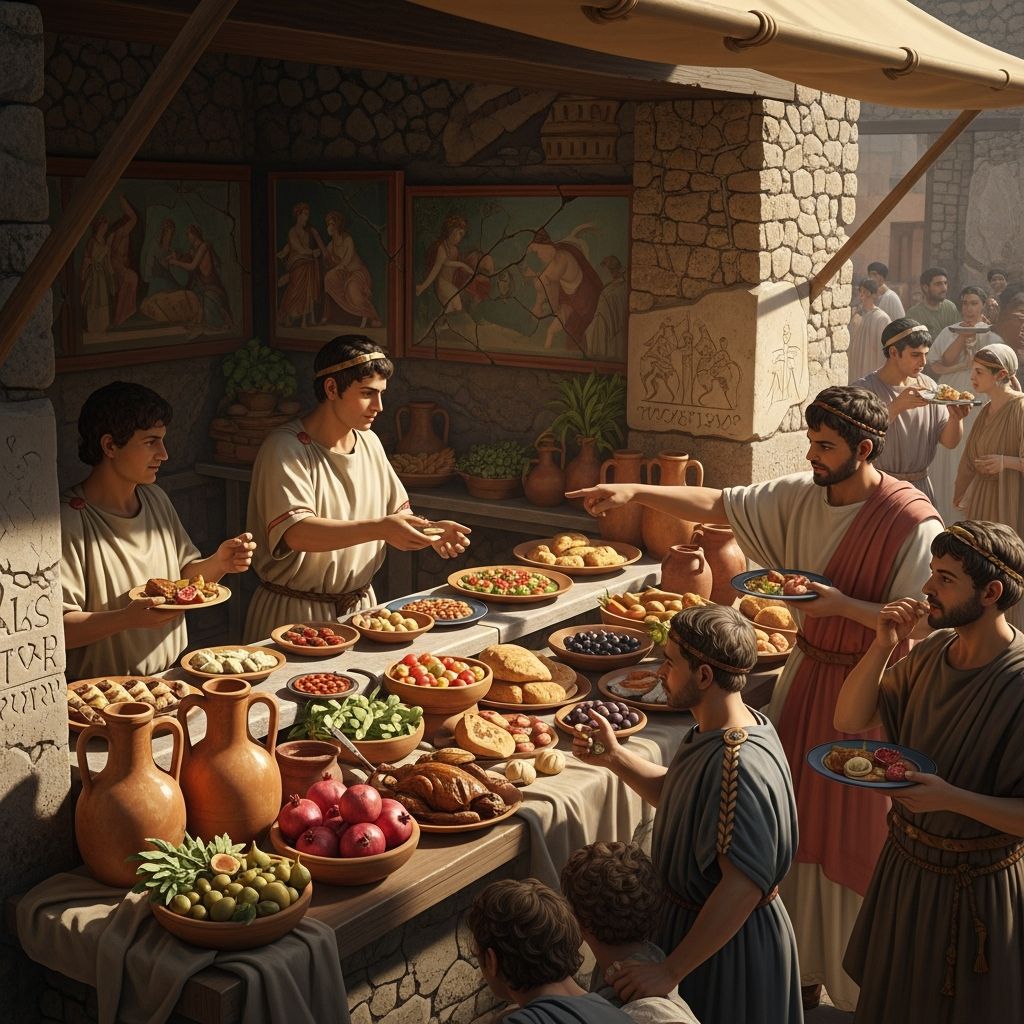
Deep beneath the ash layers of Mount Vesuvius lies a snapshot of everyday Roman life in Pompeii, where bustling street-side eateries known as thermopolia served hot meals to locals and travelers alike. These ancient fast food outlets, numbering around 80 in the city, have captivated archaeologists with their vivid frescoes, embedded storage jars, and remnants of meals long past.
The Rise of Street Dining in Ancient Pompeii
In the thriving commercial hub of Pompeii, before the catastrophic eruption of 79 CE, residents frequently dined away from home. Thermopolia dotted the streets, providing convenient access to warm dishes and drinks for those on the go. Unlike elite Roman villas with private kitchens, these public counters catered to the working class, offering a social hub for quick bites during the prandium, the midday meal.
Excavations in Regio V, nestled between Vicolo delle Nozze d’Argento and Vicolo dei Balconi, have brought one such establishment fully to light. This thermopolium stands out due to its comprehensive unearthing, allowing researchers to study it in unprecedented detail.
Design and Layout of a Typical Thermopolium
A thermopolium featured a distinctive L-shaped masonry counter embedded with large dolia—clay jars designed to keep food hot or cold. Customers leaned on the high counter while staff served from these sunken vessels. The counter’s upper sections often bore colorful frescoes advertising wares or depicting mythical scenes to entice passersby.
- Counter Structure: Built-in dolia for storing soups, stews, and grains.
- Fresco Decorations: Mythological figures like a Nereid on a seahorse, symbolizing fresh seafood offerings.
- Storage Amphorae: Jars holding wine, olive oil, or garum (fermented fish sauce), some adorned with shop trademarks.
Recent digs revealed an Egyptian-style glass paste vase repurposed for food storage, hinting at exotic imports in everyday use. Typically ornamental in gardens, this artifact from Alexandria suggests diverse culinary influences.
Artistic Treasures Preserved by Catastrophe
The thermopolium’s walls boast exceptionally preserved still-life paintings of food items, including ducks, roosters, and fruits, alongside the striking Nereid fresco. These artworks not only beautified the space but likely served as menus, showcasing available dishes.
Smaller versions of the Nereid image on amphorae indicate branding practices akin to modern logos, helping customers identify trusted vendors amid Pompeii’s crowded markets.
| Feature | Description | Significance |
|---|---|---|
| Nereid Fresco | Sea nymph riding seahorse | Advertised seafood; cultural symbolism |
| Still-Life Panels | Ducks, fruits, poultry | Visual menu; daily life depiction |
| Trademark Amphorae | Mini Nereid images | Early branding for commerce |
Food and Drink: What Romans Ordered
Analysis of residues in dolia and scattered bones points to a menu rich in affordable staples. Duck, pig, goat, and snail remains suggest hearty stews and grilled meats. Grains for porridge, lentils, and eggs rounded out offerings, paired with watered wine or mulsum (honeyed wine).
Advanced techniques like DNA analysis and isotope testing on food scraps promise deeper insights into Pompeians’ diets, revealing nutritional habits across social classes. The presence of an Egyptian vase repurposed for comestibles underscores global trade networks supplying even street vendors.
Behind the Scenes: Living and Working Spaces
Beyond the counter, excavations uncovered a first-floor apartment likely home to the proprietor, a service room, and a compact bathroom off the Alley of the Balconies entrance. These additions paint a picture of integrated living-commerce setups common in urban Pompeii.
Tragically, human remains—possibly a manager and slave—were found in the back, victims of the surging pyroclastic flows. Their positions indicate desperate last moments as the eruption unfolded.
Pompeii’s Culinary Culture in Context
Thermopolia were more than eateries; they were community focal points. With 80 across the city, they outnumbered fancy popinae (taverns), reflecting a culture where street food was integral to daily routines. Influences from Greek origins (thermopolium means ‘hot city’) blended with Roman innovations.
Comparisons with other sites:
- Oplontis: Similar counters but less frescoes.
- Herculaneum: More luxurious thermopolia with private rooms.
- Rome: Larger-scale versions in insulae (apartment blocks).
Archaeological Breakthroughs and Methods
Directed by Massimo Osanna, the digs employed cutting-edge tech: 3D modeling, residue spectrometry, and osteological exams. Full excavation enabled holistic study, from structural analysis to bioarchaeological profiling.
“The possibilities for study of this Thermopolium are exceptional, because for the first time an area of this type has been excavated in its entirety.” — Massimo Osanna
Findings challenge assumptions about Roman lower-class fare, showing variety beyond bread and olives.
Preservation and the Eruption’s Legacy
Vesuvius’s 79 CE blast buried Pompeii under 4-6 meters of pumice and ash, sealing thermopolia airtight. This rapid entombment preserved organic materials rarely surviving elsewhere, offering unparalleled glimpses into antiquity.
Over 1,100 victims perished, their poses frozen mid-action, humanizing the site’s tragedy.
Modern Relevance and Visitor Impact
Today, the Regio V thermopolium draws crowds, inspiring pop-up recreations of ancient recipes. It highlights archaeology’s role in reconstructing lost worlds, blending science with storytelling.
Frequently Asked Questions
What is a thermopolium?
A Roman-era fast food counter with built-in jars for hot meals and drinks, prevalent in Pompeii.
How many thermopolia were in Pompeii?
Approximately 80, serving the city’s diverse population.
What food was served there?
Stews with duck, pork, snails; grains, eggs, and wine-based drinks.
Why is this thermopolium special?
Fully excavated with pristine frescoes, artifacts, and victim remains for comprehensive study.
Can visitors see it today?
Yes, as part of the Pompeii Archaeological Park, with ongoing conservation.
Exploring Similar Sites
Pompeii’s thermopolia connect to broader Roman urban life. Visitors can compare with Herculaneum’s examples or Ostia’s port taverns for a fuller picture.
References
- Pompeii Fast Food Restaurant Uncovered — Biblical Archaeology Society. 2020-12-01. https://www.biblicalarchaeology.org/daily/ancient-cultures/ancient-rome/pompeii-fast-food-restaurant-uncovered/
- Pompeii Snack Bar Revisited — Archaeology Magazine. 2025-11-10. https://archaeology.org/news/2025/11/10/pompeii-snack-bar-revisited/
- The Ancient Snack Bar of Regio V Resurfaces — Pompeii Sites Official. 2020-12-01. https://pompeiisites.org/en/comunicati/the-ancient-snack-bar-of-regio-v-resurfaces-in-its-entirety-with-scenes-of-still-life-food-residues-animal-bones-and-victims-of-the-eruption/
- Scientists Reveal Amazing Pompeii Snack Bar — News for Kids. 2021-01-08. https://newsforkids.net/articles/2021/01/08/scientists-reveal-amazing-pompeii-snack-bar/
- Pompeii Snack Bar Revisited — World Cultural Heritage Voices. 2025-01-01. https://worldculturalheritagevoices.org/pompeii-snack-bar-revisited/
Similar Articles






Read full bio of Sneha Tete