Photographing People: Respectful Street Tips
Master the art of capturing authentic portraits from strangers with confidence, courtesy, and cultural awareness for memorable travel shots.
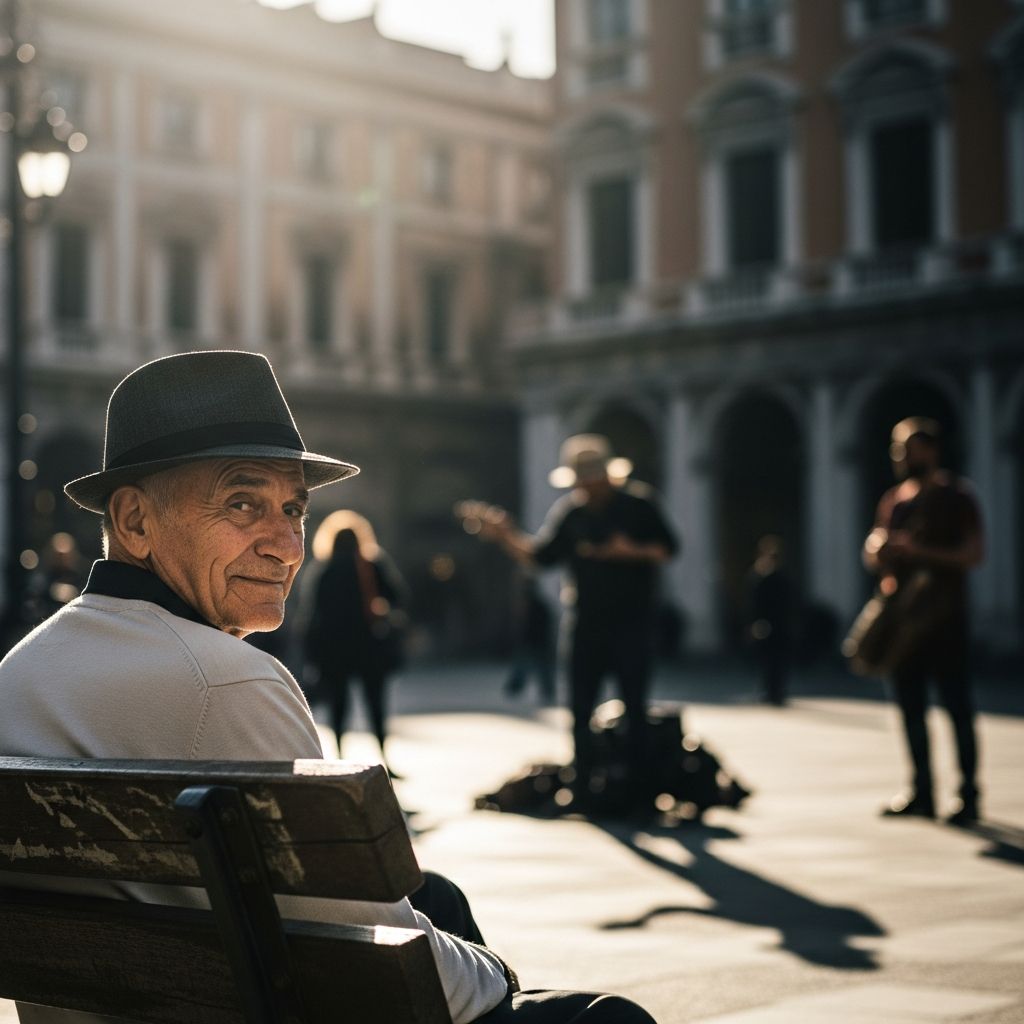
Street photography thrives on capturing the essence of human moments in public spaces, but success hinges on balancing artistic vision with deep respect for others. This guide explores practical techniques to approach strangers confidently, select appropriate equipment, and foster positive interactions that lead to compelling portraits.
Building Confidence Before the Shot
Overcoming hesitation is the first barrier many photographers face when eyeing a potential subject. Start by reframing your mindset: view each interaction as a brief connection rather than an intrusion. Practice in low-stakes environments, like busy markets, to desensitize yourself to rejection. Genuine enthusiasm radiates through body language, making strangers more receptive.
Preparation sharpens your approach. Visualize the shot beforehand—note lighting, background elements, and desired expressions. This mental rehearsal prevents fumbling, which can undermine trust. A calm demeanor signals professionalism, increasing the odds of a willing participant.
Selecting Gear That Invites Trust
Equipment choices influence perceptions. Opt for compact setups like a 35mm or 50mm prime lens on a mirrorless body, such as the Canon EOS R series, to appear less intimidating. These focal lengths capture environmental context without aggressive closeness, ideal for dynamic street scenes.
Smartphones work excellently for spontaneous candids, blending seamlessly into crowds. Avoid massive telephotos or heavy rigs that scream ‘professional intruder.’ Pre-set exposure and focus modes to snap quickly once permission is granted, respecting the subject’s time.
| Gear Type | Pros | Cons | Best For |
|---|---|---|---|
| 35mm Prime Lens | Wide context, low distortion | Limited reach | Environmental portraits |
| 50mm Prime Lens | Natural perspective | Moderate field of view | Classic headshots |
| Smartphone | Discreet, versatile | Lower image quality | Casual candids |
| Zoom Lens (70-200mm) | Flexible distance | Bulky, intimidating | Distant subjects only |
Mastering the Approach: Polite Introductions
A warm smile and eye contact disarm defenses instantly. Introduce yourself succinctly: ‘Hi, I’m [Name], a photographer capturing local stories. Your style caught my eye—may I take a quick portrait?’ This script compliments without flattery, explains intent, and sets time expectations.
- Make eye contact briefly to gauge interest.
- Smile genuinely to convey friendliness.
- State your purpose clearly and briefly.
- Offer a portfolio via phone or Instagram for credibility.
Timing matters profoundly. Avoid interrupting phone calls, grocery hauls, or rushed walks. Wait for neutral moments, like pauses at crosswalks, to ensure courtesy.
Navigating Permissions: When to Ask and When Not
Not every shot requires consent. Crowded festivals or distant figures in public spaces generally fall under implied public domain, assuming no privacy expectation. For instance, photographing across a street without disrupting flow respects boundaries.
Close-ups demand dialogue. If your subject notices the camera, gesture toward it with a smile—even non-verbal cues suffice in language barriers. A nod or thumbs-up confirms approval; otherwise, delete and move on.
Legal variances exist globally. Research local laws: many nations protect public photography, but commercial use or private property changes rules. Prioritize ethics over legality for sustainable practice.
Directing Poses Without Awkwardness
Most subjects aren’t models, so gentle guidance elevates results. Suggest natural poses: ‘Tilt your head slightly left for the light’ or ‘Relax your shoulders.’ Positive feedback like ‘That looks fantastic!’ builds rapport.
Respect time limits—request 2-5 minutes upfront and adhere strictly. This honors their schedule, ending on a high note. Thank profusely and offer to share the image via email or social media.
Cultural Sensitivities in Global Travel
Customs vary widely. In conservative Middle Eastern regions, photographing women without male guardian permission risks offense. Southeast Asian temples often prohibit people shots. Always observe local norms: cover shoulders, seek verbal yeses in modest cultures.
Age and status influence dynamics. Elders may appreciate flattery; youth might prefer digital previews. Adapt phrasing culturally—directness works in the West, politeness in Asia.
Ethical Considerations Beyond the Click
Treat subjects as humans, not props. Genuine interactions yield authentic expressions far superior to forced candids. Post-shoot, consider anonymizing if privacy concerns arise, especially online.
Rejection stings less with practice. A polite ‘No worries, have a great day!’ preserves dignity for all. Each ‘no’ hones your skills for the next ‘yes.’
Enhancing Shots Through Environment
Scout locations first: identify flattering backdrops, golden-hour light, and compositional lines. Position subjects against textured walls or leading pathways for depth. This pre-planning minimizes on-site adjustments, keeping interactions smooth.
Common Pitfalls and How to Avoid Them
- Overstaying welcome: Set and stick to timers.
- Negative body language: Stay relaxed, open posture.
- Ignoring context: Read situations to avoid bad timing.
- Forgetting thanks: Always express gratitude verbally and visually.
FAQs
Is it legal to photograph strangers in public?
Yes, in most countries for personal use, but check local laws for commercial intent or sensitive areas.
What if they say no?
Smile, thank them, and walk away gracefully. Respect builds your reputation.
Best lens for beginners?
A 35mm or smartphone for non-threatening versatility.
How to handle language barriers?
Use gestures, smiles, and portfolio shows. Visuals transcend words.
Should I pay subjects?
Generally no for street work; it alters authenticity. Offer prints if requested.
Advanced Techniques for Pros
For repeat success, curate themes like ‘bearded locals’ to justify approaches. Build a social proof loop: share tagged portraits online, showing professionalism. Track interactions in a journal to refine pitches.
Experiment with low-angle shots using 35mm for drama, but confirm comfort first. Layer environmental storytelling—include cultural attire or urban textures for narrative power.
References
- A How-To Guide On Photographing Strangers — Fstoppers. 2015-10-12. https://fstoppers.com/originals/how-guide-photographing-strangers-125759
- How To Take Pictures Of Strangers – Street Photography Tutorial — SLR Lounge. 2023-05-15. https://www.slrlounge.com/take-pictures-of-strangers-street-photography-tutorial/
- An Etiquette Guide For Candid Street Photography — MySocialBook. 2022-11-08. https://www.mysocialbook.com/blogs/ideas/an-etiquette-guide-for-candid-street-photography
- Tips for photographing strangers (without being creepy) — PhotoFluent. 2021-07-20. https://www.photofluent.com/blog/photographing-strangers
- 10 Tips for Photographing Strangers — Digital Photography School. 2019-03-14. https://digital-photography-school.com/10-tips-for-photographing-strangers/
Similar Articles



Read full bio of Sneha Tete