
Safe Hotel Stays: Health Protocols & Distancing
Comprehensive guide to health and safety measures in American hotels
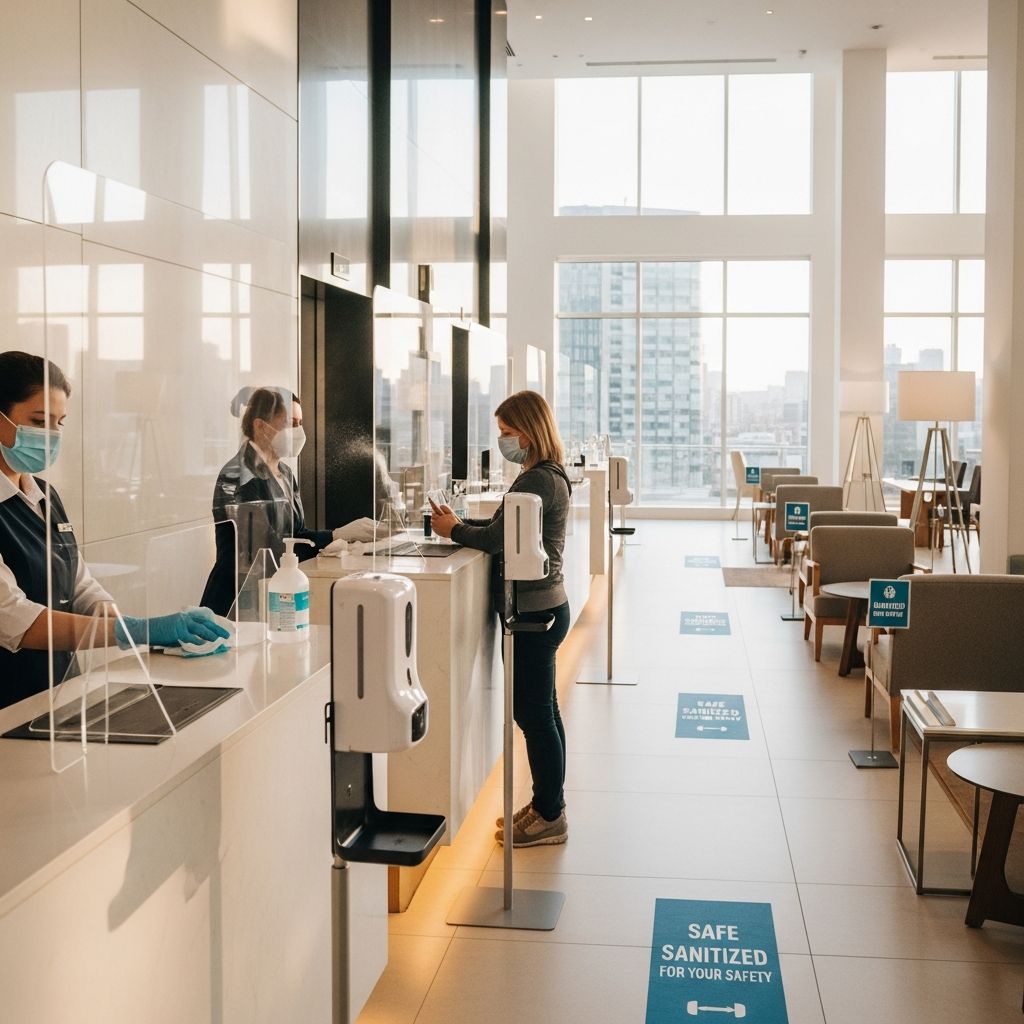
The hospitality industry has undergone significant transformations in how it prioritizes guest and staff safety. Today’s hotels implement comprehensive health protocols that extend far beyond basic cleanliness. Understanding these measures can help travelers make informed decisions and feel confident during their stays. This guide explores the multifaceted approaches hotels are taking to create safer environments for everyone.
Understanding the Foundation: CDC Guidelines and Industry Standards
The American Hotel and Lodging Association (AHLA) has established comprehensive frameworks that serve as benchmarks for the entire industry. These guidelines align with recommendations from the Centers for Disease Control and Prevention (CDC) and represent best practices developed through extensive research and hospitality expertise.
Hotels across the country have adopted the Safe Stay program, which provides a structured approach to health and safety measures. This certification demonstrates a facility’s commitment to maintaining elevated standards across all operational areas. The framework encompasses employee training, cleaning protocols, communication strategies, and guest-facing policies that work together to reduce transmission risks.
Reimagining Physical Layout: Environmental Design for Health
Modern hotel design now prioritizes spatial separation between guests and between guests and staff. Hotels have implemented several physical modifications to support this objective:
- Installing transparent barriers at reception desks to separate guests from hotel employees during check-in and inquiries
- Repositioning furniture in lobbies, lounges, and common gathering spaces to naturally encourage distance between individuals
- Establishing clearly marked queuing areas with floor decals that guide guests to maintain appropriate spacing in high-traffic zones
- Implementing one-way traffic flow patterns with designated entry and exit points to minimize crowding
- Limiting elevator occupancy to reduce person-to-person proximity in confined spaces
These environmental modifications serve as passive reminders that encourage guests to maintain safe distances without requiring constant staff intervention. The physical setup becomes part of the safety infrastructure itself, making appropriate behavior intuitive and convenient.
Advanced Cleaning and Disinfection Protocols
Beyond traditional housekeeping, hotels now employ specialized cleaning methodologies using hospital-grade disinfectants. The enhanced protocols focus on several critical areas:
High-Touch Surface Management: Items that receive frequent contact receive particular attention. Door handles, elevator buttons, light switches, remote controls, keycard readers, and bathroom fixtures are subject to regular disinfection cycles throughout the day. Specially trained staff wipe down these surfaces at predetermined intervals using approved antimicrobial products.
Advanced Sanitization Technologies: Forward-thinking properties have invested in cutting-edge equipment. Electrostatic sprayers can apply disinfectant solution to entire rooms efficiently and thoroughly. Some facilities utilize ultraviolet light technology to sanitize room keys and other small items between guest uses. These technologies complement manual cleaning rather than replace it, providing multiple layers of protection.
Cleaning Product Standards: Hotels now use disinfectants with higher concentrations of bacteria-killing ingredients in accordance with CDC specifications. This ensures effectiveness while maintaining guest safety. Staff receive training on proper application techniques, dilution ratios, and contact times necessary for products to work effectively.
Room Turnover Procedures: The interval between guest departures and new arrivals has been extended in many properties. Some facilities observe buffer periods of 72 hours or more to allow thorough cleaning and ventilation. This practice acknowledges that time itself can reduce pathogen viability on surfaces.
Touchless Technology Integration
Hotels have accelerated their adoption of mobile-first and contactless technologies to minimize physical interactions:
- Mobile check-in and checkout through smartphone applications eliminate the need for front-desk interactions
- Keyless entry systems allow guests to unlock rooms using mobile devices or temporary digital codes
- Online room service ordering replaces in-person dining interactions and menu handling
- Digital payment systems reduce the exchange of physical payment methods and cash
- Self-service information kiosks provide guest services without human intermediaries
These technological solutions serve dual purposes: they reduce infection transmission pathways while also improving operational efficiency and guest convenience. Guests appreciate the flexibility of managing their stay through familiar mobile interfaces.
Personal Protective Equipment and Amenity Provisions
Hotels now provision protective equipment at no additional cost to guests. Upon arrival, guests receive complimentary personal protective equipment (PPE) kits containing items for use throughout their stay. Additionally, enhanced hand sanitizer stations are positioned strategically throughout properties, including near entrances, front desks, elevator banks, and in fitness and meeting spaces.
Staff members are outfitted with appropriate PPE for their roles and working conditions. The hospitality company ensures adequate supply chains for masks, gloves, and other protective items needed for safe operations. Employees receive training on proper use, maintenance, and disposal of protective equipment.
Employee Health and Wellness Protocols
Staff safety directly impacts guest safety. Hotels have implemented rigorous employee health measures:
- Daily symptom screening and temperature checks for all staff members before shifts begin
- Mandatory self-isolation periods following symptom onset, following CDC guidance for isolation duration
- Symptom-free requirements for at least three consecutive days without medication before returning to work
- Virtual health check programs conducted regularly to monitor employee wellbeing
- Workplace hazard assessments identifying COVID-19-related risks specific to each property
- Staff training on proper hygiene practices, respiratory etiquette, and disease transmission prevention
These measures recognize that employees serve as the critical interface between hotel infrastructure and guest experience. By maintaining healthy staff, hotels protect both workers and guests.
Modified Service Delivery Models
Traditional hospitality services have been adapted to reduce contact opportunities. Several common adjustments include:
- Elimination or suspension of buffet-style dining arrangements in favor of plated service or room delivery
- Temporary suspension of spa treatments and personal service offerings that require close physical proximity
- Modified housekeeping services with guest options to opt out of daily room cleaning
- Delivery of meals and supplies to rooms using contactless methods
- Elimination of valet parking services at many properties
- Modified meeting and event operations with reduced capacity and reconfigured layouts
These changes reflect hotels’ commitment to functionality while prioritizing safety over traditional hospitality conventions.
Signage, Communication, and Guest Education
Clear, visible communication helps guests understand expectations and procedures. Properties display signage that covers:
- Proper handwashing techniques and frequency recommendations
- Respiratory etiquette for coughs and sneezes
- Instructions for wearing and disposing of personal protective equipment
- Physical distancing guidelines with specific distance recommendations
- Floor markings indicating proper queuing positions
- Reminders to maintain distance in elevators and stairwells
Staff members are trained to reinforce these messages through friendly reminders and by modeling appropriate behaviors themselves. Clear communication reduces confusion and demonstrates the property’s commitment to safety as a shared responsibility.
Guest Considerations for Safe Hotel Selection
When booking accommodations, travelers should evaluate several factors to ensure they’re choosing a property aligned with health priorities:
Certification and Standards: Look for properties displaying Safe Stay certification or similar credentials from recognized hospitality associations. These designations indicate third-party verification of safety protocols.
Reduced Occupancy Commitment: Some hotels limit total occupancy below full capacity, which naturally facilitates physical distancing. Ask about capacity management practices.
Staff Health Screening: Inquire whether the facility conducts daily symptom screening and health monitoring for employees. Staff wellness directly affects guest safety.
Cleaning Transparency: Properties should readily share information about cleaning frequencies, products used, and specialized technologies employed. Transparency indicates confidence in protocols.
Contactless Options: Confirm availability of mobile check-in, digital payment, and other touchless services that reduce interaction points.
Guest Responsibilities During Hotel Stays
While hotels provide infrastructure and systems, guest behavior significantly impacts safety:
- Maintain at least six feet of distance from other guests in all common areas
- Wear face coverings in indoor public spaces as required by the facility
- Wipe down high-touch items in your room including remote controls, light switches, door handles, and telephone handsets
- Practice respiratory etiquette by covering coughs and sneezes with tissue or your elbow
- Wash hands frequently, especially before eating and after touching common surfaces
- Use stairs instead of elevators when feasible to reduce confined-space exposure
- Limit time in common areas and follow all posted guidelines and staff instructions
- Report any health concerns to hotel management promptly
Frequently Asked Questions
What should I do if I become ill during my hotel stay?
Immediately notify the front desk or management. Most hotels have isolation protocols and medical support arrangements. Staff will provide guidance on medical services and may arrange for medical transportation if needed. Isolated guests typically remain in their rooms while hotel staff delivers any required food or supplies in a contactless manner.
Are single-occupancy elevator limits enforced at all hotels?
Policies vary by property. Many hotels recommend limiting elevators to four people at a time, though specific policies depend on elevator size and individual hotel guidelines. Using stairs is always a safer option when feasible.
How often are high-touch surfaces cleaned?
This varies by property, but most hotels conducting regular disinfection clean high-touch items multiple times daily. Some properties employ continuous cleaning protocols throughout operating hours.
Can I request enhanced cleaning for my room?
Most hotels accommodate such requests. Contact the front desk to arrange additional cleaning or to specify your preferences regarding room servicing frequency.
What cleaning products do hotels use?
Hotels use EPA-approved disinfectants meeting CDC standards. These are hospital-grade products chosen specifically for effectiveness against pathogens. If you have chemical sensitivities, inform the hotel when booking so accommodations can be made.
References
- Health & Safety Precautions in Response to Coronavirus — Fitzpatrick Hotels. https://www.fitzpatrickhotels.com/health-safety-precautions-in-response-to-coronavirus/
- COVID Policy — Casitas Coral Ridge. https://www.casitascoralridge.com/covid-policy
- Are Hotels Open? Where To Stay During COVID-19 — Hotels.com Go Guides. https://www.hotels.com/go/usa/where-to-stay-during-covid-19
- ENHANCED INDUSTRY-WIDE HOTEL CLEANING & SAFETY GUIDELINES — American Hotel and Lodging Association Safe Stay Program. https://frla.org/wp-content/uploads/2021/03/AHLA-Safe-Stay-Guidelines-Updated-3.21.pdf
- COVID-19 Cleaning and Safety Protocols — Connections Housing. https://www.connectionshousing.com/COVID-19.php
- How to Safely Stay in a Hotel This Summer — Mount Sinai Today. https://health.mountsinai.org/blog/what-do-i-need-to-know-about-hotels-and-vacation-rentals-during-the-covid-19-pandemic/
- How To Practice Social Distancing In Hotels — Vivere Hotel Blog. https://viverehotel.com.ph/social-distancing-hotels/
Similar Articles







Read full bio of Sneha Tete