Safeguarding Spain’s Cultural Legacy
Discover how Spain balances modern development with the protection of its UNESCO sites, historic cities, and living traditions for future generations.
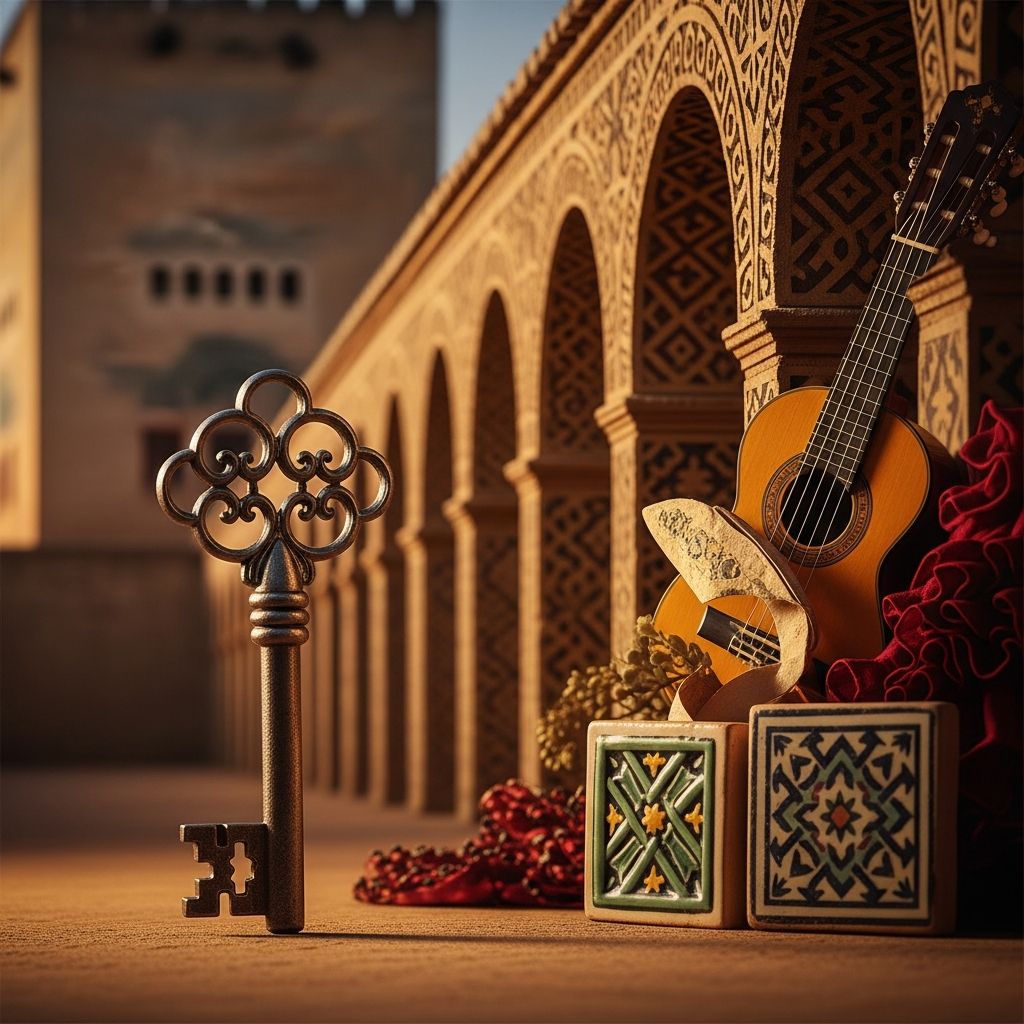
Spain stands as a beacon of cultural preservation, home to 49 UNESCO World Heritage Sites that reflect its layered history from Roman ruins to Moorish palaces and Gothic cathedrals. These efforts blend rigorous legal protections, ambitious restoration projects, and community-driven initiatives to protect tangible and intangible heritage against modern pressures like urbanization and overtourism.
The Foundations of Heritage Protection
Spain’s commitment to its cultural treasures is enshrined in its constitution and specialized legislation. Article 46 of the Spanish Constitution mandates public authorities to guarantee conservation and enrichment of historical, cultural, and artistic assets, with penalties for any damage. This principle underpins Law 16/1985 on the Spanish Historical Heritage, which defines protected elements including immovable properties, archaeological sites, ethnographic objects, and natural landscapes of artistic value.
The law established the Historical Heritage Council, responsible for coordinating national and regional action plans, approving information strategies, and fostering research. Regional variations exist, as autonomous communities manage many sites, ensuring localized yet cohesive preservation. Early milestones, like the 1844 designation of León Cathedral as a National Artistic Treasure, set precedents that evolved into today’s Bienes de Interés Cultural (BIC) system by the 1970s.
Key Restoration Initiatives Across Regions
Restoration projects revitalize iconic landmarks, often funded by European Union programs. Turespaña leads efforts to restore 39 historic Paradores—luxury hotels in former monasteries, castles, and palaces—using PRTR Next Generation EU funds for post-pandemic recovery. These span Galicia, Andalusia, Aragon, Asturias, Castilla-La Mancha, Castile and Leon, Catalonia, Extremadura, Murcia, Madrid, Navarre, Basque Country, and Ceuta, promoting sustainable tourism.
- Seville’s Alcázar: Ongoing work maintains this Moorish palace’s intricate tilework and gardens, blending 14th-century Islamic design with Renaissance additions.
- Barcelona’s Sagrada Família: Gaudí’s unfinished basilica sees continuous construction faithful to original plans, preserving its modernist genius amid urban growth.
- Granada’s Alhambra: Strict zoning laws shield its Nasrid palaces from high-rises, conserving the dramatic skyline.
These projects exemplify public-private partnerships, where government funding merges with expert conservation to sustain architectural splendor.
Urban Strategies Balancing Progress and History
Spanish cities integrate heritage into modern urban planning through zoning regulations and height restrictions that preserve historic skylines. In Toledo, medieval walls remain intact, while Bilbao’s Guggenheim Museum represents avant-garde additions that complement rather than overshadow tradition. Valencia’s collaborations between city councils and cultural foundations have rejuvenated old neighborhoods, fostering sustainable tourism without eroding authenticity.
| City | Key Strategy | Impact |
|---|---|---|
| Barcelona | Regulations on Eixample district renovations | Maintains Gaudí’s modernist facades amid high-density living |
| Madrid | Protected historic center zoning | Preserves Habsburg-era plazas and royal sites |
| Granada | Alhambra buffer zones | Prevents visual intrusions on fortress views |
| Valencia | Neighborhood revitalization partnerships | Boosts local economy while restoring fachadas |
Such measures ensure cities like Córdoba, Santiago de Compostela, and Salamanca—UNESCO-listed for their architecture—remain vibrant hubs.
Championing Intangible Cultural Expressions
Beyond structures, Spain safeguards living traditions recognized by UNESCO’s Intangible Cultural Heritage list. Flamenco, rooted in Andalusia, flourishes through festivals in Seville, Jerez, and Granada, with academies teaching its passionate dance, song, and guitar techniques. Catalonia’s castells involve communities building human towers, symbolizing strength and cooperation, while Valencia’s Fallas features massive satirical effigies burned in explosive celebrations.
The Mediterranean diet, shared across regions, promotes communal meals with olive oil, seafood, and seasonal produce. Local crafts persist too: Toledo’s damascene sword-making, Mallorca’s pottery, Valencia’s paella, and San Sebastián’s pintxos are kept alive via workshops, markets, and festivals.
Facing Modern Challenges Head-On
Despite successes, threats loom. Hispania Nostra’s Red List highlights endangered sites facing demolition or neglect, urging awareness and action. Overtourism strains sites like Barcelona’s Gothic Quarter, while climate change endangers coastal ruins. Illegal exports and urban sprawl add pressures, necessitating vigilant enforcement.
Solutions emphasize education: Integrating heritage appreciation into school curricula cultivates future stewards, from politicians to tourists. Public campaigns and the Heritage Council’s research plans amplify these efforts. Spain’s Funds-in-Trust contributions to UNESCO further global preservation leadership.
Traveler’s Guide to Experiencing Preserved Wonders
Visitors can immerse in this legacy across 15 World Heritage Cities. Explore Cuenca’s hanging houses, Segovia’s Roman aqueduct, Tarragona’s amphitheater, or Andalucía’s white pueblos. Madrid’s Prado and Reina Sofía galleries showcase preserved masterpieces, while Bilbao blends Frank Gehry’s titanium curves with medieval cores.
- Andalusia Route: Alhambra, Alcázar, flamenco tablaos.
- Catalonia Trail: Sagrada Família, castells festivals, Gothic Barri Gòtic.
- Castile-Leon Path: Toledo synagogues, Salamanca’s Plaza Mayor, León Cathedral.
Sustainable travel tips: Book off-peak, support local artisans, follow site rules to minimize wear.
Future Directions in Preservation
Spain’s model evolves with digital inventories, AI monitoring for decay, and green restorations using eco-materials. Inheritance planning aids private owners in transferring historic properties without loss. Community pride, fueled by events like flamenco biennials, ensures organic continuity.
By prioritizing collaboration, Spain not only protects its past but enriches its present, inviting the world to witness a living cultural mosaic.
Frequently Asked Questions
How many UNESCO World Heritage Sites does Spain have?
Spain boasts 49 sites, including historic cities, monuments, and natural landscapes, ranking it among global leaders.
What law protects Spain’s historical heritage?
Law 16/1985, stemming from Constitutional Article 46, covers movable and immovable assets with strict safeguards.
Which cities excel in urban heritage preservation?
Barcelona, Madrid, Granada, Valencia, and Seville lead with regulations, restorations, and cultural programs.
What are examples of Spain’s intangible heritage?
Flamenco, human towers (castells), Fallas festivals, and the Mediterranean diet are UNESCO-recognized.
How can tourists contribute to preservation?
Opt for ethical tours, avoid touching artifacts, support local crafts, and visit during shoulder seasons.
References
- How Spanish Cities Preserve Their Cultural Heritage in the Modern World — Polyglottist Language Academy. 2025-03-09. https://www.polyglottistlanguageacademy.com/language-culture-travelling-blog/2025/3/9/how-spanish-cities-preserve-their-cultural-heritage-in-the-modern-world
- Conservation of Cultural Heritage — TourSpain (Turespaña). 2023. https://www.tourspain.es/en/conversation-cultural-heritage/
- Preserving Spain’s Cultural Heritage: Challenges and Solutions — ITS Art Law. 2023. https://itsartlaw.org/art-law/preserving-spains-cultural-heritage-challenges-and-solutions/
- Protecting Spain’s heritage: Barcelona, Madrid and beyond — Lonely Planet. 2023. https://www.lonelyplanet.com/articles/preserving-spains-heritage
- Protecting Spanish Cultural Heritage at the Beginning of the 20th Century — Victoria and Albert Museum. 2023. https://www.vam.ac.uk/blog/projects/protecting-spanish-cultural-heritage-at-the-beginning-of-the-20th-century
- World Heritage in Spain — UNESCO World Heritage Centre. 2023. https://whc.unesco.org/en/review/53
Similar Articles






Read full bio of medha deb