Exploring San Antonio: History, Culture & Adventure
Discover the Alamo City's Rich Heritage and Vibrant Modern Culture
San Antonio stands as one of America’s most culturally rich destinations, blending centuries of Spanish colonial heritage with contemporary urban vitality. This sprawling Texas metropolis invites visitors to experience its layers of history through preserved landmarks, innovative attractions, and a thriving food scene that reflects its multicultural identity. Whether you’re drawn to historical exploration, outdoor recreation, or culinary adventures, San Antonio offers diverse experiences across its distinctive neighborhoods and attractions.
Understanding San Antonio’s Historical Significance
The city’s narrative spans multiple centuries and cultural influences. Originally established as a Spanish missionary outpost in the early 18th century, San Antonio developed into a crucial settlement that shaped Texas’s trajectory. This historical foundation remains visible throughout the city in architectural styles, place names, and cultural practices that persist today.
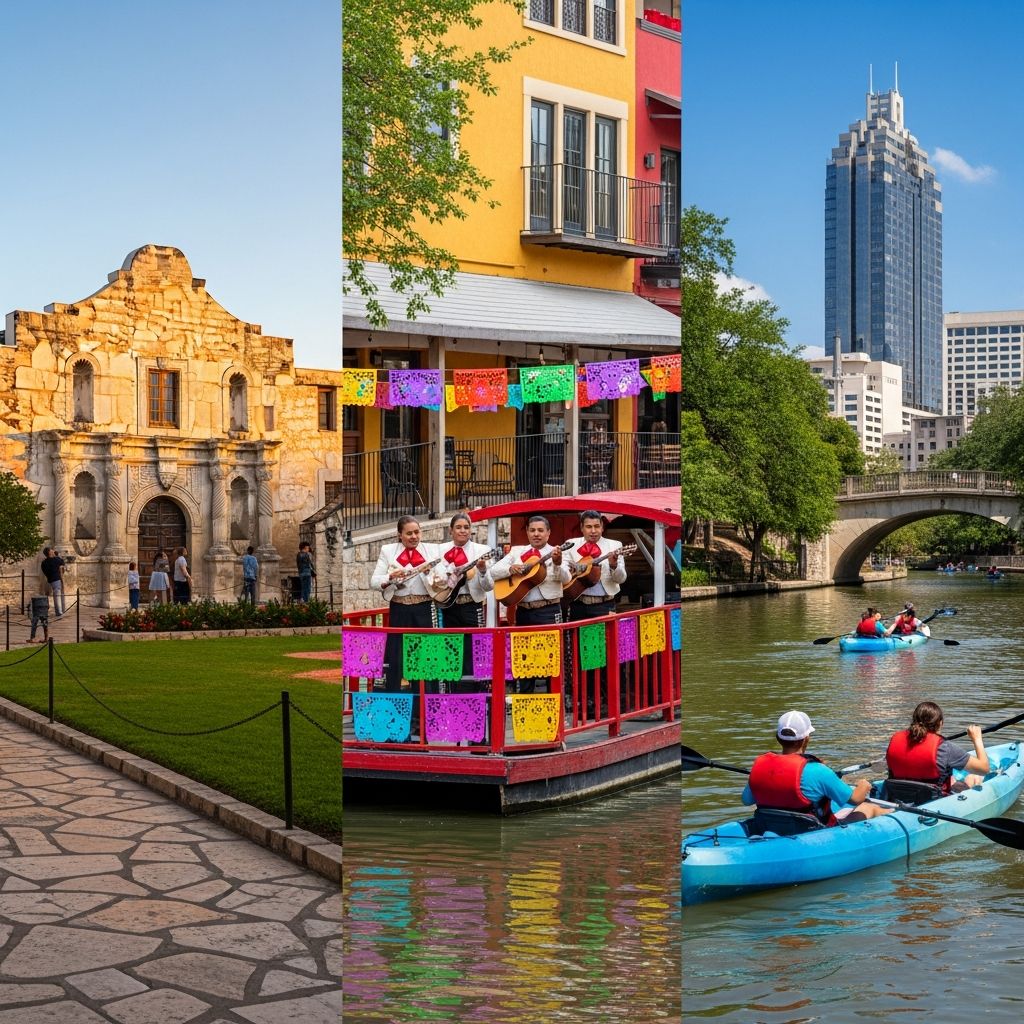
The most iconic symbol of this heritage is the Alamo, a UNESCO World Heritage site that represents a pivotal moment in American history. This former Spanish mission-turned-fortress carries profound cultural significance and attracts visitors interested in understanding Texas’s path to independence. Beyond the Alamo itself, the surrounding plaza provides context about the city’s layered past and serves as an engaging introduction to San Antonio’s historical narrative.
Navigating the River Walk Experience
The San Antonio River Walk functions as the city’s most recognizable feature and primary gathering space. This 15-mile network of waterways winds beneath downtown streets, creating an urban oasis that contrasts sharply with the surrounding cityscape. The carefully designed walkways, landscaped gardens, and architectural features along the waterway demonstrate how public spaces can enhance urban living while preserving natural elements.
The River Walk comprises three distinct sections, each offering unique atmospheres and purposes:
- Downtown Section: The commercial heart featuring restaurants, bars, and retail establishments with direct riverfront access and evening entertainment
- Mission Reach: A historic extension connecting the four Spanish colonial missions south of the city center, offering educational opportunities and cultural heritage experiences
- Museum Reach: An artistically curated segment hosting cultural institutions and creative spaces that blend aesthetics with educational programming
Visitors can experience the River Walk through multiple modes—leisurely walking along stone pathways, paddling kayaks through tranquil sections, cycling dedicated trails, or booking guided boat tours that provide historical context about the waterway’s engineering and cultural significance. The evening transformation, with twinkling lights illuminating trees and live music emanating from riverside establishments, creates a distinctly magical atmosphere particularly appealing to those seeking nighttime entertainment.
Spanish Colonial Missions and Religious Heritage
Beyond the Alamo, four additional Spanish missions comprise the San Antonio Missions National Historical Park, collectively designated as a UNESCO World Heritage site. These structures represent Spain’s missionary efforts in colonial Texas and showcase architectural styles reflecting European influence adapted to the New World environment.
Mission San José, designated historically as the Queen of the Missions, stands as the largest and most elaborately decorated of the mission complex. Its architectural grandeur, featuring intricate stonework and carefully planned layouts, demonstrates the resources devoted to these religious centers. The missions operated not merely as places of worship but as self-contained communities incorporating agricultural operations, craftsmanship facilities, and residential areas.
The National Park Service maintains these historic properties and provides visitor services including informational centers where rangers offer interpretive programs explaining the missions’ roles in Spanish colonial expansion, indigenous conversion efforts, and eventual transition into secular community institutions.
Cultural Districts and Neighborhood Exploration
San Antonio’s character extends beyond its major attractions into distinctive neighborhoods that reveal different facets of the city’s identity. The Historic Market Square represents a preserved commercial district where traditional Mexican architecture houses craft shops, restaurants, and cultural venues. Mariachi bands frequently perform in this plaza, adding authentic musical traditions to the shopping and dining experience.
The Pearl District exemplifies urban revitalization, transforming a former brewery into a mixed-use development combining boutique retail, farm-to-table restaurants, artisanal cafes, and cultural galleries. This neighborhood appeals to visitors seeking contemporary dining experiences, local shopping, and vibrant social scenes within a restored historic structure.
Additional neighborhoods worth exploring include La Villita, featuring historic stone buildings and artisan studios, and Southtown, which concentrates galleries, studios, and cultural organizations reflecting the city’s artistic community.
Culinary Excellence and Gastronomic Innovation
San Antonio’s designation as a UNESCO Creative City of Gastronomy and Texas’s Culinary Capital reflects its distinctive food culture. The city’s cuisine synthesizes Tex-Mex traditions, German influences from historical immigration patterns, Southern comfort food aesthetics, and contemporary culinary innovation.
Traditional establishments serving breakfast fare like Mi Tierra offer festive atmospheres and authentic regional recipes passed through generations. Meanwhile, innovative restaurants throughout Pearl and downtown districts reinterpret traditional ingredients through modern techniques, earning regional recognition among food enthusiasts.
The food scene encompasses diverse dining formats from casual street food vendors to upscale establishments, allowing visitors to experience local culinary traditions at various price points and formality levels. Riverfront dining particularly attracts visitors seeking memorable meals accompanied by scenic water views and evening entertainment.
Museums, Galleries, and Cultural Institutions
Beyond historical landmarks, San Antonio hosts numerous museums and galleries serving varied interests. The Briscoe museum focuses on Western art and heritage, while specialized institutions like the Hopscotch gallery showcase contemporary artwork and emerging artists. These cultural spaces provide climate-controlled environments for detailed exploration of artistic movements, regional history, and cultural achievements.
The Doseum and Morgan’s Wonderland offer interactive experiences particularly suited to younger visitors, combining entertainment with educational content about art, creativity, and problem-solving. These family-friendly attractions demonstrate how cultural institutions can engage diverse age groups through experiential programming.
Parks, Recreation, and Outdoor Activities
Beyond the River Walk, San Antonio provides extensive parks and recreational facilities supporting outdoor pursuits. Hemisfair Park offers landscaped grounds, water features, and the Tower of the Americas—a 750-foot observation tower providing panoramic city views from its elevated platform. This vantage point offers orientation perspective for first-time visitors and photographic opportunities of the cityscape.
The San Antonio Botanical Garden cultivates diverse plant collections representing various ecosystems and horticultural traditions. This 38-acre facility provides peaceful settings for leisurely walks, educational programs about plant biology and landscape design, and seasonal displays.
For those seeking adventure beyond urban environments, proximity to the Hill Country enables day trips featuring hiking trails, natural springs, and scenic landscapes showcasing the region’s geological characteristics and ecological diversity.
Entertainment and Recreation Venues
San Antonio’s entertainment infrastructure accommodates multiple leisure preferences. Theme parks including SeaWorld San Antonio and Six Flags Fiesta Texas offer rides, animal encounters, and seasonal events attracting families and thrill-seekers. These large-scale facilities provide full-day activity options with diverse experiences suitable for various age groups and comfort levels with intense attractions.
The Alamodome stadium hosts sports events, concerts, and large-scale productions, serving as a multipurpose venue for entertainment and civic events. Additional venues throughout the city host live music performances, theater productions, and cultural festivals celebrating San Antonio’s artistic traditions.
Practical Navigation and Accessibility
San Antonio’s walkable downtown core facilitates pedestrian exploration of primary attractions within concentrated areas. The city’s scale remains manageable despite its status as the nation’s seventh-largest metropolitan area, allowing visitors to accomplish meaningful sightseeing without extensive travel time between destinations.
Public transportation options, including trolleys and bus systems, provide alternatives to personal vehicles for navigating between neighborhoods and attractions. Many visitors find that strategic itinerary planning enables comprehensive experiences within three to four-day visits, though longer stays allow deeper exploration of neighborhoods, smaller galleries, and regional attractions in surrounding areas.
Seasonal Considerations and Event Planning
San Antonio’s climate and event calendar influence optimal visit timing. The city experiences warm temperatures year-round, though summer heat can intensify outdoor activities’ physical demands. Winter months provide comfortable exploration conditions and attract significant visitor volumes during holiday seasons when River Walk decorations and festive programming reach peak elaboration.
Special events like the Day of the Dead River Parade transform the waterway into a vibrant celebration featuring colorful floats, live music, and cultural performances reflecting Mexican traditions. Festival seasons bring temporary closures to certain areas but create unique experiential opportunities unavailable during regular periods.
Multi-Day Itinerary Framework
A comprehensive San Antonio experience across three to four days might structure exploration as follows:
| Day Focus | Morning Activities | Afternoon Activities | Evening Activities |
|---|---|---|---|
| Day One | Alamo exploration and surrounding plaza navigation | Museum or gallery visits; historic mission exploration | River Walk dinner and live entertainment |
| Day Two | Pearl District exploration and breakfast | Botanical garden or additional museum visits | Pearl District dining and nightlife |
| Day Three | Historic Market Square and artisan shopping | Tower of the Americas visit or regional attractions | Live music venues and cultural performances |
Frequently Asked Questions
How long should visitors plan for a San Antonio trip?
Three to four days allows comprehensive exploration of major attractions, neighborhoods, and dining experiences. Longer visits enable deeper investigation of regional attractions, smaller cultural institutions, and relaxed neighborhood wandering without rushing between sites.
Is the River Walk accessible to visitors with mobility challenges?
Most River Walk sections feature level, well-maintained pathways suitable for wheelchair navigation. Boat tour accessibility varies by operator; advance inquiry ensures appropriate accommodations for specific mobility needs.
What dining options exist for visitors with dietary restrictions?
San Antonio’s diverse restaurant scene includes establishments accommodating vegetarian, vegan, gluten-free, and allergy-conscious diets. Contemporary restaurants particularly emphasize ingredient transparency and dietary flexibility in menu planning.
Are advance reservations necessary for major attractions?
While some attractions accept walk-in visitors, advance booking for theme parks, popular restaurants, and guided tours ensures availability and streamlines the visit experience, particularly during peak seasons.
What is the best time to visit San Antonio?
Fall and spring offer comfortable temperatures and fewer crowds than summer and holiday seasons. However, seasonal events, personal climate preferences, and vacation availability should influence individual timing decisions.
References
- Lonely Planet Guide to San Antonio, Texas — Lonely Planet. Accessed April 2026. https://www.lonelyplanet.com/articles/guide-to-san-antonio
- Visit San Antonio Official Tourism Website — San Antonio Convention & Visitors Bureau. Accessed April 2026. https://www.visitsanantonio.com
- San Antonio Missions National Historical Park — United States National Park Service. Accessed April 2026. https://www.nps.gov/saan/index.htm
- San Antonio Vacation Guide: The USA’s Most Underrated City — Bridges and Balloons Travel Blog. Accessed April 2026. https://bridgesandballoons.com/san-antonio-vacation/
- Ultimate San Antonio Travel Guide — Catherine Chicotka. Accessed April 2026. https://www.catherinechicotka.com/ultimate-san-antonio-travel-guide/
- Best Things To Do in San Antonio Texas 2026 — TripAdvisor. Accessed April 2026. https://www.tripadvisor.com/Attractions-g60956-Activities-San_Antonio_Texas.html
Similar Articles







Read full bio of medha deb