San Sebastian Food Scene: A Culinary Journey
Discover authentic Basque flavors through pintxos bars and local gems
San Sebastian Food Scene: A Culinary Journey Through Basque Country’s Gastronomic Heart
San Sebastian, nestled in Spain’s Basque Country, stands as one of Europe’s most celebrated culinary destinations, drawing food enthusiasts from across the globe. The city’s vibrant food culture extends far beyond fine dining establishments; it thrives in the bustling pintxos bars that line narrow streets, where locals gather to enjoy small bites paired with wine or local beverages. Understanding this unique dining landscape requires exploring both the traditional establishments that have shaped the city’s reputation and the innovative venues that continue to evolve Basque gastronomy.
The Pintxos Culture: Standing, Socializing, and Savoring
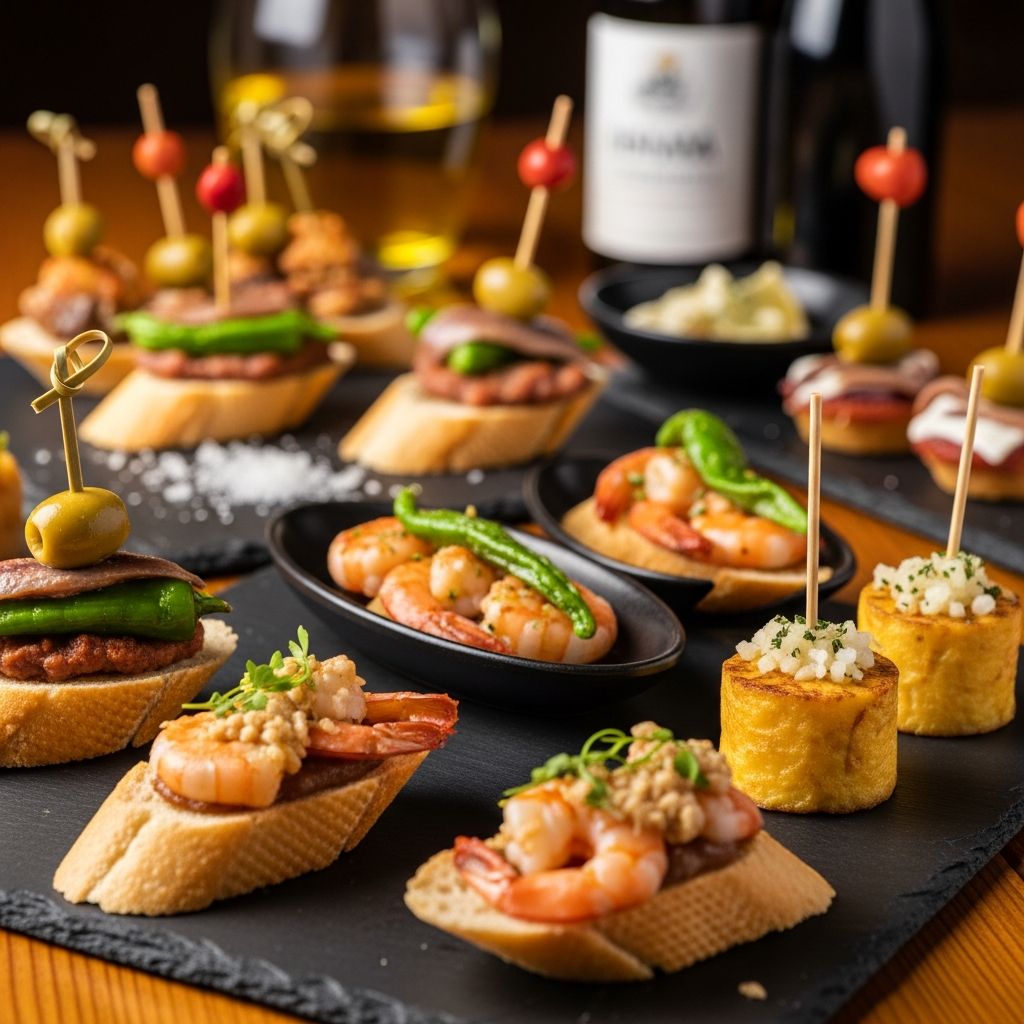
At the heart of San Sebastian’s food scene lies the pintxo tradition—small, bite-sized creations served atop bread or crackers. Unlike formal dining experiences, pintxo consumption is inherently social and dynamic. Visitors wander from bar to bar, sampling various offerings, and engaging with bartenders and fellow diners. This casual yet sophisticated approach to eating has become emblematic of the city’s approach to food enjoyment.
The beauty of pintxo bars lies in their informality combined with culinary excellence. Standing room only, narrow corridors, and the absence of reservations create an authentic, unpretentious atmosphere where both tourists and locals mingle. These establishments typically display their offerings directly at the counter, allowing diners to select visually appealing options. The price point remains remarkably reasonable, making gourmet experiences accessible to a broader audience.
Several neighborhoods showcase distinct personalities within the pintxo scene. The Old Town (Casco Viejo) remains the epicenter, though areas like Centro and Gros offer equally compelling alternatives with less crowding during peak hours. Each locale brings its own character while maintaining the core tradition of quality and authenticity.
Anchovy-Focused Establishments: Celebrating Local Treasures
Certain bars have built their reputations on specific ingredients, none more iconic than anchovies. These small fish, caught in local waters, transform into delicate, umami-rich preparations that showcase the Basque region’s maritime heritage. Establishments specializing in anchovy-based pintxos attract devotees willing to queue for the opportunity to taste perfectly preserved specimens paired with complementary ingredients.
These anchovy-centric venues typically maintain smaller but meticulously curated selections compared to broader-focused pintxo bars. The constraint reflects a philosophy valuing quality over quantity. Visual aids such as plastic models or detailed menus help navigate options, particularly useful for international visitors unfamiliar with Basque culinary terminology. Mid-afternoon visits tend to offer shorter wait times compared to evening rushes or weekend peaks.
Signature Dishes That Define the Culinary Identity
Certain preparations have achieved iconic status within San Sebastian’s food culture, transcending individual establishments to become cultural touchstones. The tortilla española, a humble-seeming combination of potatoes, caramelized onions, and eggs, reaches elevated heights in the hands of skilled preparers who execute it daily in limited quantities. Morning and evening production runs sell out quickly, necessitating strategic timing for those seeking these treasured morsels.
The Gilda pintxo represents another foundational creation—a minimalist composition of olives, guindilla peppers, and anchovies threaded onto a toothpick. Local legend attributes its invention to a customer in a specific Centro neighborhood establishment, who combined these ingredients in a moment of creative improvisation. The name allegedly references Rita Hayworth’s film character, adding a layer of cultural history to this simple yet satisfying preparation.
Beyond these classics, contemporary pintxo bars showcase innovation by merging traditional Basque ingredients with international techniques and flavor profiles. This creative tension between heritage and experimentation generates dishes that simultaneously honor culinary traditions while pushing boundaries. Fusion establishments that blend Spanish and Mexican influences exemplify how San Sebastian’s food scene continues evolving while respecting its roots.
Neighborhood-Specific Dining Experiences
Different areas of San Sebastian offer distinct atmospheres and culinary focuses suited to varying preferences and time constraints.
Old Town (Casco Viejo): The historic center remains the most tourist-dense area but justifiably so, as it concentrates numerous acclaimed establishments within walkable distances. Narrow medieval streets create an enchanting backdrop for bar-hopping experiences. Michelin-recommended spots coexist with casual pintxo bars, accommodating diverse budgets and ambitions.
Centro Neighborhood: Located outside the Old Town’s chaos, this quieter residential area offers authentic local experiences with less international fanfare. Establishments here cater primarily to neighborhood residents, resulting in more relaxed atmospheres and often superior value. Morning or early afternoon visits reveal atmospheres dominated by locals rather than tourist groups.
Gros Neighborhood: This working-class area has undergone significant transformation, attracting younger clientele and innovative food concepts. The neighborhood balances traditional pintxo culture with contemporary dining approaches, making it appealing for those seeking less crowded venues without sacrificing quality or authenticity.
Strategic Timing and Practical Considerations
Successfully navigating San Sebastian’s food scene requires understanding temporal dynamics. Peak dining windows—evening aperitif hours and weekend afternoons—pack establishments with crowds that make ordering and eating standing up genuinely challenging. Arriving during off-peak times, such as mid-afternoon or immediately upon opening, dramatically improves the experience.
Reservation policies vary significantly across establishments. Traditional pintxo bars typically operate on first-come, first-served bases, creating dynamic but unpredictable wait times. Some renowned spots generate queues requiring hour-long waits before doors even open. Conversely, more formal restaurants and certain upscale pintxo establishments accommodate reservations, allowing planning and guaranteed seating.
Language considerations matter, particularly at traditional establishments where Basque or Spanish dominates menus. Modern technology solutions like translation apps provide practical support, though pointing and observing neighboring plates remains equally effective. Staff at popular venues typically develop patience with international visitors, offering recommendations and translations despite language barriers.
Price Points and Value Propositions
San Sebastian’s reputation as an expensive destination reflects fine dining establishments rather than the broader food scene. Pintxo bars operate on fundamentally different economics than restaurants, resulting in remarkable value. Individual pintxos typically cost between three and eight euros, with wine pours remaining modest in price. A satisfying evening of bar-hopping—consuming numerous pintxos and multiple beverages—rarely exceeds twenty to thirty euros per person.
Sit-down restaurants, even casual establishments, command higher prices than pintxo bars but remain reasonable compared to major international cities. The distinction between formal dining and casual pintxo consumption allows visitors to calibrate spending according to preferences and budgets. Many travelers maximize their gastronomic experience by mixing high-end restaurant visits with extensive pintxo bar exploration.
Fusion and Innovation in Basque Gastronomy
While tradition defines much of San Sebastian’s food identity, contemporary establishments increasingly experiment with cross-cultural influences. Venues combining Basque technique and ingredients with Asian, Latin American, or Mediterranean approaches have gained followings among both adventurous locals and international visitors. These establishments maintain accessibility through casual atmospheres while delivering sophisticated flavor combinations.
Colombian-inspired croquettes featuring chicken soup centers with perfectly executed fried exteriors exemplify how global influences enhance rather than diminish Basque identity. Pork preparations married with Asian-inspired presentations demonstrate how local ingredients achieve new dimensions through alternative culinary frameworks. These experiments typically occur within casual settings—standing bars rather than formal restaurants—democratizing innovative cuisine.
Meat Preparations: From Txuleta to Contemporary Cuts
Basque cuisine demonstrates particular excellence in meat preparation, with specific cuts and cooking techniques achieving iconic status. The txuleta steak, sourced from local cattle, represents the apex of Basque carnivore culture. Restaurants famous for txuleta navigate scarcity through rationing—some prepare merely two daily examples, generating substantial queues among devotees.
Pintxo-format meat preparations deliver quality samples without requiring full steak orders. Miniature txuleta preparations served with complementary sauces—cream cheese-based preparations or red pepper reductions—grant access to this prized ingredient for those preferring lighter portions or broader sampling across multiple dishes. Suckling pig, pork ribs with rendered fat, and bacon-wrapped seafood showcase the region’s resourceful approach to porcine cuts.
Seafood Selections and Preparation Methods
As a coastal region, Basque Country maintains intimate relationships with seafood. Preparation methods emphasize simplicity, allowing ingredient quality to shine. Grilled scallops present as tender, delicate morsels enhanced through minimal intervention. Octopus preparations, whether grilled or stewed in traditional gallego style, showcase textural contrasts and umami depth.
Txangurro—spider crab—represents luxury within pintxo contexts, offering succulent meat enhanced through innovative preparations or straightforward presentations. Shrimp wrapped in bacon merge land and sea into singular bites. These seafood selections rotate with seasonal availability, encouraging repeat visits to discover evolving offerings throughout the year.
Dessert Culture and Sweet Conclusions
San Sebastian’s food scene extends into dessert territory with equivalent sophistication. Torrija—bread-based preparations resembling French toast—achieve transcendent status through caramelized exteriors and custardy interiors. Traditional preparations coexist with contemporary interpretations featuring chocolate, fruit, or unconventional flavor pairings.
Frequently Asked Questions About San Sebastian Dining
- What differentiates pintxos from tapas?
- While often used interchangeably, pintxos specifically refer to Basque-style small plates, frequently served atop bread or crackers and presented at bar counters. Tapas represent the broader Spanish tradition of small dishes. San Sebastian emphasizes pintxos as the primary small-plate format, though terminology occasionally overlaps.
- Should visitors attempt to make reservations at pintxo bars?
- Most traditional pintxo establishments do not accept reservations, operating on first-come, first-served bases. This policy maintains authenticity and encourages the spontaneous bar-hopping culture integral to the experience. However, certain upscale venues have adopted reservation systems.
- What is appropriate etiquette when bar-hopping?
- Purchase selections directly from the counter or request items from bartenders. Eating while standing remains entirely normal and expected. Tipping, while appreciated, remains optional at pintxo bars, unlike formal restaurants where 5-10% is customary.
- Which neighborhoods best suit first-time visitors?
- The Old Town provides concentrated venue density and atmospheric charm, though expect crowds. Centro and Gros offer more relaxed alternatives with reduced tourist presence while maintaining quality standards.
- How do dietary restrictions get accommodated?
- Communicating restrictions proves challenging at traditional establishments due to language barriers and limited written information. Research specific venues beforehand or employ translation technology to navigate dietary needs.
Planning a Comprehensive Gastronomic Itinerary
Maximizing San Sebastian’s food offerings requires strategic planning balancing structure with spontaneity. Dedicating specific days to pintxo bar exploration, fine dining experiences, and neighborhood wandering creates variety while preventing palate fatigue. Morning visits to market-adjacent establishments showcase fresh ingredients and reveal supplier relationships underlying the food scene. Afternoon explorations of quieter neighborhoods provide respite and authentic local encounters.
Seasonal considerations influence menu offerings substantially. Summer generates crowds and elevated prices, while shoulder seasons provide improved balance between accessibility and optimal weather. Off-season visits reward flexible travelers with authentic environments dominated by locals rather than tourist masses.
Engaging with locals through casual bar interactions often yields personalized recommendations surpassing guidebook suggestions. Questions about family-run establishments or neighborhood favorites generate enthusiastic responses and insider knowledge that enhance experiences beyond typical tourist circuits.
References
- Must-Try Restaurants in San Sebastian, Spain – The Best Foodie Destinations — Appetite Abroad. 2024. https://www.appetitesabroad.com/san-sebastian-food-guide/
- San Sebastian Restaurants – Globalphile — Globalphile. 2024. https://globalphile.com/gastronomy-san-sebastian-spain/
- The Best Places to Dine and Stay in San Sebastián — The A-Lyst. 2024. https://the-alyst.com/eating-drinking-way-san-sebastian-spain/
- The best places to eat and drink in San Sebastián — WhereNext Blog. 2024. https://www.wherenext.blog/blog/best-places-to-eat-san-sebastian
- A Food Lover’s Guide to San Sebastian (2025) — The Quality Edit. 2025. https://www.thequalityedit.com/articles/san-sebastian-guide
- Eating & drinking through San Sebastian, Spain — Curious Appetite. 2017. https://thecuriousappetite.com/2017/08/31/eating-drinking-through-san-sebastian-spain/
- A Field Guide to San Sebastián’s Pintxo Bars — The Sauce Magazine. 2024. https://thesaucemag.substack.com/p/a-field-guide-to-san-sebastians-pintxo
Similar Articles







Read full bio of Sneha Tete