
Slavonia’s Culinary Heritage: Eastern Europe’s Gastronomic Jewel
Discover the rich flavors and traditions of Croatia's inland gastronomic paradise
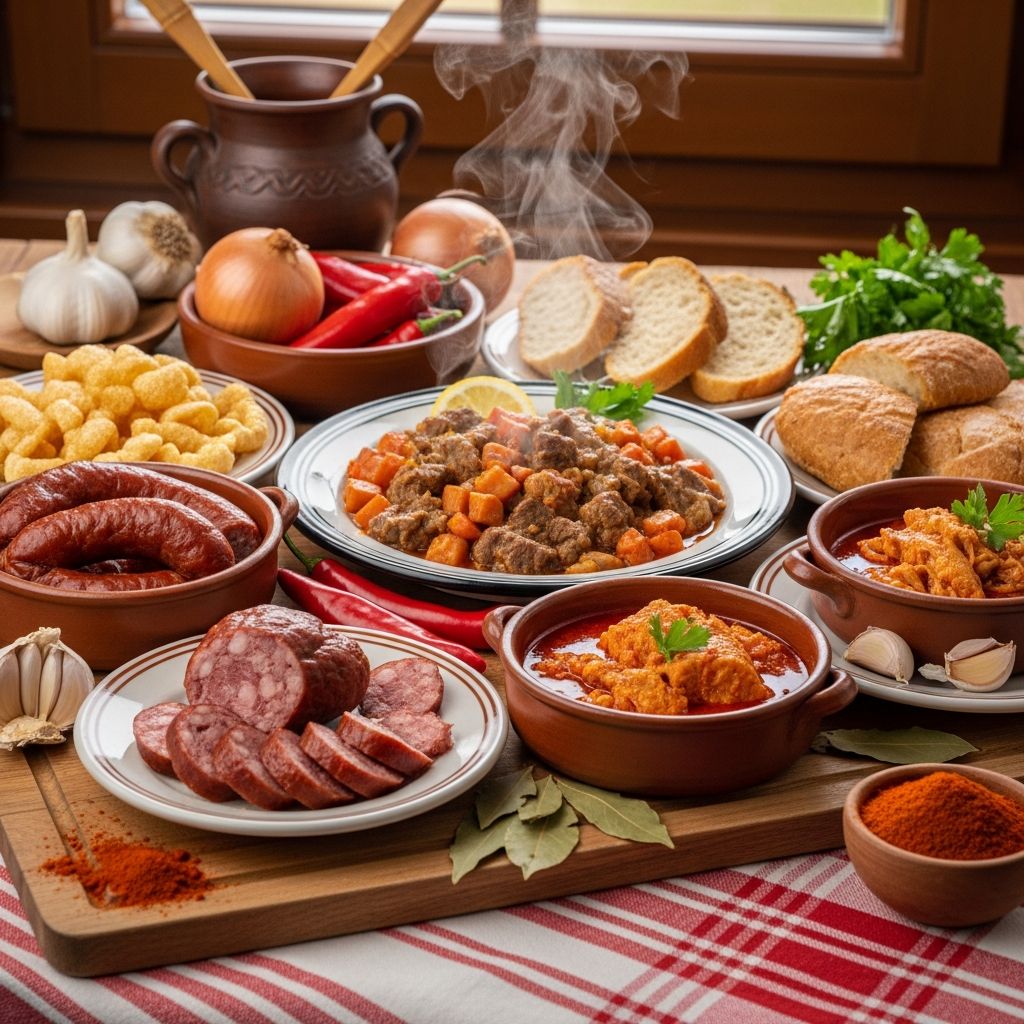
Nestled in the eastern reaches of Croatia, Slavonia represents one of Europe’s most underrated gastronomic destinations. This region’s distinctive food culture tells the story of centuries of cultural convergence, where the culinary traditions of Hungary, Austria, Turkey, and Serbia have merged with local ingredients and techniques to create something entirely unique. For travelers seeking authentic European cuisine beyond mainstream destinations, Slavonia offers an immersive experience where every meal reflects deep historical roots and family traditions passed down through generations.
The philosophy underlying Slavonian food culture is profoundly tied to the region’s geography and history. Surrounded by three major rivers—the Danube, Drava, and Sava—Slavonia has always been a place of abundance, where resourceful cooking methods transformed humble ingredients into celebrated dishes. Local saying perfectly captures this spirit: the region ensures that visitors will never go hungry or thirsty, a testament to the generosity and hospitality embedded in Slavonian culture.
The Foundation of Flavor: Essential Ingredients and Influences
Understanding Slavonian cuisine begins with recognizing its core building blocks. Three fundamental elements define the region’s food identity: dairy products, pickled vegetables, and smoked meats. These staples create the foundation upon which countless traditional dishes are built, providing both nutritional sustenance and cultural continuity.
Paprika holds a position of extraordinary importance in Slavonian cooking that cannot be overstated. Unlike other regions of Croatia, which emphasize Mediterranean herbs and olive oil, Slavonians employ paprika with unmatched enthusiasm and expertise. Both sweet and hot varieties appear in nearly every savory preparation, transforming simple ingredients into vibrant, complex dishes. This passion for paprika extends beyond cooking—it represents a cultural identifier and point of regional pride.
The historical influences that shaped this cuisine reflect the region’s complex past. Hungarian traditions are particularly pronounced, evident in the preparation methods and spice choices. Austrian influences appear in baked goods and pastry traditions. Turkish and Serbian contributions enriched the meat preparation and preservation techniques. Rather than creating a confused mixture, these influences have synthesized into a coherent and distinctive culinary language.
The Kings of Slavonian Cuisine: Signature Meat Products
Among all Slavonian specialties, one product stands supreme in both cultural significance and gastronomic acclaim: Kulen. This handcrafted pork sausage represents the pinnacle of Slavonian charcuterie and holds the distinction of being the first Croatian food to receive protected designation of origin status. The reverence for kulen transcends regional boundaries, with the product celebrated throughout Croatia and increasingly recognized internationally.
The creation of authentic kulen demands precision, patience, and respect for traditional methods. The process begins with rigorous selection of pork—only the highest quality meat from pigs meeting specific age and weight requirements qualifies. The craftspeople, whose profession holds respected status within communities, remove all fat and connective tissue with meticulous care. Pure paprika, salt, and garlic combine to create the characteristic flavor profile. The mixture is then stuffed into a cleaned pig’s blind gut, salted, and left to cure for approximately one month. Baranjski kulen, the variety from the Baranja subregion, employs hand-cut pork and involves several months of brining followed by smoking in beech or hornbeam wood over approximately one month.
Beyond kulen, Slavonia produces an array of smoked and cured meat specialties. Čvarci—crispy fried pork skin—provides textural contrast and concentrated pork flavor. Slanina, the local cured pork, appears sliced on boards alongside fresh bread. These products reflect a nose-to-tail philosophy where every part of the animal finds culinary purpose. The fat becomes cooking medium for both sweet and savory preparations, while the skin becomes snacking material.
River Heritage: Freshwater Fish Preparations
The three rivers flowing through Slavonia created ideal conditions for developing sophisticated fish-based cuisine. Carp, catfish, pike, and perch appear regularly in traditional preparations, representing ingredients that have sustained communities for centuries. The regional relationship with freshwater fish differs markedly from coastal Croatian cuisine, creating distinctive preparations adapted to river fish characteristics.
Fiš Paprikaš stands as perhaps the most emblematic of Slavonian fish dishes. This spiced freshwater fish stew demonstrates the region’s characteristic affinity for paprika and represents a culinary bridge to Hungarian traditions. The preparation involves slow-cooking fish in a complex broth where hot paprika provides both color and heat, creating a dish that challenges the palate while rewarding adventurous eaters. The stew’s consistency and warming properties make it particularly valued during winter months when hot, substantial meals become essential.
Another popular river fish preparation is Pijani Šaran, or “Drunken Carp,” a preparation that exemplifies creative Slavonian cooking. The fish undergoes careful cleaning before being salted and stuffed with garlic, then baked in a complex liquid base combining lemon juice, wine, oil, and rosemary. The resulting dish achieves tender flesh infused with aromatic flavors, often served atop sliced potatoes that absorb the cooking juices.
Beyond stew preparations, Slavonians embrace simple yet elegant approaches to river fish. Freshwater fish seared over open flames develops crispy exterior while maintaining tender interiors. These straightforward preparations highlight the quality of fresh ingredients rather than masking them with heavy sauces.
The Shepherd’s Legacy: Meat Stews and Slow-Cooked Traditions
If any single dish encapsulates Slavonian food philosophy, it would be Čobanac, also known as perkelt or pörkölt. This shepherd’s stew represents centuries of tradition, originally created by pastoral communities requiring substantial, portable meals. The preparation method itself carries cultural weight—traditionally cooked in large copper pots suspended over open flames, the process demands hours of slow cooking that allows flavors to meld and deepen.
The composition of čobanac typically incorporates several meat types, commonly including veal, beef, and additional proteins ranging from lamb to horse meat. This variety ensures complexity of flavor while utilizing available resources efficiently. Beyond meat, the stew incorporates pancetta for added depth, potatoes for substance, carrots for sweetness and nutrition, and a carefully balanced blend of sweet and hot paprika that gives the finished dish its characteristic vivid coloration.
The cooking method itself deserves emphasis. The extended cooking time at moderate temperatures allows collagen in tougher cuts to transform into gelatin, creating silky mouthfeel while flavors concentrate and marry. The open-fire preparation adds subtle smokiness that modern kitchen methods cannot replicate.
Vegetable-Based Specialties and Stuffed Preparations
Punjene Paprike, or stuffed peppers, represents another cornerstone of Slavonian cuisine. Despite the name, these are bell peppers rather than paprika spice, though paprika appears in the filling itself. The preparation involves hollowing bell peppers and stuffing them with minced beef, ground paprika, uncooked rice, eggs, garlic, and regional herbs. The filled peppers are then braised in tomato paste and homemade stock until tender, creating a complete, self-contained meal.
This dish demonstrates the Slavonian approach to vegetable preparation—rather than relegating vegetables to supporting roles, they become vehicles for delivering complex fillings. The cooking method transforms the pepper flesh while allowing it to maintain structural integrity, creating textural contrast between yielding pepper and seasoned filling.
Beyond stuffed peppers, pickled vegetables play essential roles throughout Slavonian cuisine, appearing as condiments, side dishes, and flavor components in larger preparations. This pickling tradition reflects preservation methods developed during historical periods when year-round availability of fresh produce was impossible.
Morning Traditions and Breakfast Culture
Slavonian food culture extends beyond elaborate dinners to encompass distinctive breakfast traditions that set the region apart from other European areas. One iconic preparation involves simple bread spread generously with pork lard and finished with spicy ground paprika. This humble combination captures the Slavonian approach—transforming basic ingredients into satisfying, flavorful meals that provide sustenance for demanding agricultural work.
Trout pate represents another breakfast specialty, offering refined flavor in simple presentation. The combination of eggs, flour, and sour cream in a preparation called cicvara provides comfort food qualities while delivering nutritional completeness. These morning meals establish the culinary rhythm of the day, setting expectations for substantial, flavorful eating throughout waking hours.
Modern Interpretations and Contemporary Dining
While tradition anchors Slavonian cuisine deeply in historical practices, contemporary chefs increasingly bring modern sensibilities to regional dishes. Establishments like Crna Svinja near the historic city of Osijek showcase this evolution. Chef-driven restaurants focus on local ingredients sourced from Slavonia’s distinctive “black soil,” presenting traditional preparations with refined plating and elegant presentations.
This contemporary approach respects foundational traditions while acknowledging that cuisine must evolve to engage new audiences. Guinea fowl soup with dumplings, zander fritters, and carefully curated platters of cured meats and local cheeses demonstrate how classical elements can be recontextualized within modern culinary frameworks. These establishments serve as cultural ambassadors, introducing international visitors to Slavonian food identity while providing locals with fresh interpretations of familiar flavors.
Wine Pairings and Beverage Traditions
Slavonian culinary excellence extends naturally into beverage culture. The region produces distinctive wines that complement local specialties with precision developed through centuries of co-evolution. Rather than importing wines from other regions, Slavonian meals benefit from local productions specifically developed to harmonize with regional dishes.
The practice of pairing local wines with local cuisine reflects profound understanding of how flavors interact. Heavy meat stews demand wines with sufficient structure and acidity to cut through richness. Spiced fish preparations benefit from wines possessing aromatic complexity. This complementary relationship between food and drink suggests deep cultural knowledge about optimal eating experiences.
Dining Philosophy and Cultural Values
Beyond specific dishes, Slavonian food culture reflects particular values about hospitality, abundance, and community. The regional saying that visitors will never go hungry or thirsty encapsulates a worldview where food generosity represents fundamental obligation rather than commercial transaction. Restaurants throughout the region continue this tradition, serving large portions with authentic preparations that prioritize substance and flavor over pretension.
The emphasis on family restaurants serving traditional cuisine suggests that food knowledge passes through familial lineages rather than formal culinary schools. Recipes represent family intellectual property, refined across generations through repeated preparation. This transmission method ensures authenticity while allowing subtle evolution as cooks adapt to available ingredients and personal preferences.
Specialty Products and Protected Designations
Recognition of Slavonian culinary excellence extends to official protection mechanisms. Baranjski kulen achieved protected designation of origin status, acknowledging that authentic versions require specific geographic conditions, ingredient sources, and preparation methods. This designation protects consumers while honoring the traditions of producers committed to authentic practices.
Beyond kulen, other regional products increasingly receive recognition. The combination of distinctive ingredients, proven production methods, and demonstrated market demand creates foundation for additional protected designations that might emerge in coming years.
Conclusion: A Culinary Destination Worth Discovering
Slavonia represents a culinary destination that rewards adventurous eaters willing to venture beyond Croatia’s well-known coastal regions. The distinctive food culture reflects historical circumstances, geographic advantages, and cultural syntheses that created something coherent and compelling. From iconic kulen to warming čobanac, from fiery fish paprikaš to simple bread and lard, Slavonian cuisine tells stories of resilience, creativity, and community commitment to culinary excellence.
For travelers seeking authentic European food experiences rooted in genuine tradition rather than tourist expectations, Slavonia offers remarkable value and memorable meals. The combination of family-run restaurants, traditional preparation methods, distinctive ingredients, and regional pride in food heritage creates conditions for transformative culinary experiences. Whether enjoying meals at casual family establishments or refined contemporary restaurants, visitors encounter food culture that remains deeply connected to land, history, and community values that prioritize genuine hospitality above all else.
Frequently Asked Questions
- What makes Slavonian cuisine different from other Croatian regions?
Slavonian cuisine emphasizes paprika, smoked meats, and freshwater fish preparations, reflecting Hungarian, Austrian, Turkish, and Serbian influences rather than the Mediterranean herbs and olive oil characteristic of coastal Croatian regions.
- Is Slavonian food very spicy?
Paprika appears frequently, offering both sweet and hot varieties. While some dishes like fiš paprikaš deliver substantial heat, others provide milder flavor profiles. Visitors should inquire about heat levels before ordering unfamiliar dishes.
- Where can I experience authentic Slavonian cuisine?
Family-run restaurants throughout Slavonia and Baranja serve traditional preparations. Contemporary establishments like Crna Svinja near Osijek offer refined interpretations of classical dishes.
- What is kulen and why is it so important?
Kulen is a handcrafted pork sausage flavored with paprika and garlic, representing the pinnacle of Slavonian charcuterie and holding protected designation status as Croatia’s first food to receive such recognition.
- Can I find vegetarian options in Slavonian restaurants?
While meat and fish dominate traditional cuisine, vegetables appear as primary ingredients in dishes like punjene paprike, and pickled vegetables feature prominently throughout meals.
References
- Ultimate Food From Slavonia Guide — Chasing the Donkey. Accessed 2026. https://www.chasingthedonkey.com/food-in-croatia-slavonia-food-guide-visit-slavonia/
- Why food and culture fans need to explore inland Croatia — Lonely Planet. Accessed 2026. https://www.lonelyplanet.com/articles/slavonia-croatia-food-culture
- The secrets of Slavonia: gourmet travels through Croatia’s rural regions — The World’s 50 Best. Accessed 2026. https://www.theworlds50best.com/stories/News/where-to-eat-in-slavonia-croatia.html
- Guide to eating in Croatia’s Slavonia region — Croatia Week. Accessed 2026. https://www.croatiaweek.com/guide-to-eating-in-croatias-slavonia-region/
- Croatian cuisine — Wikipedia. Accessed 2026. https://en.wikipedia.org/wiki/Croatian_cuisine
Similar Articles








Read full bio of medha deb