
Tapas Dining in Modern Times: Tradition Meets Contemporary Challenges
Exploring how Spanish tapas culture adapts to changing social and health demands
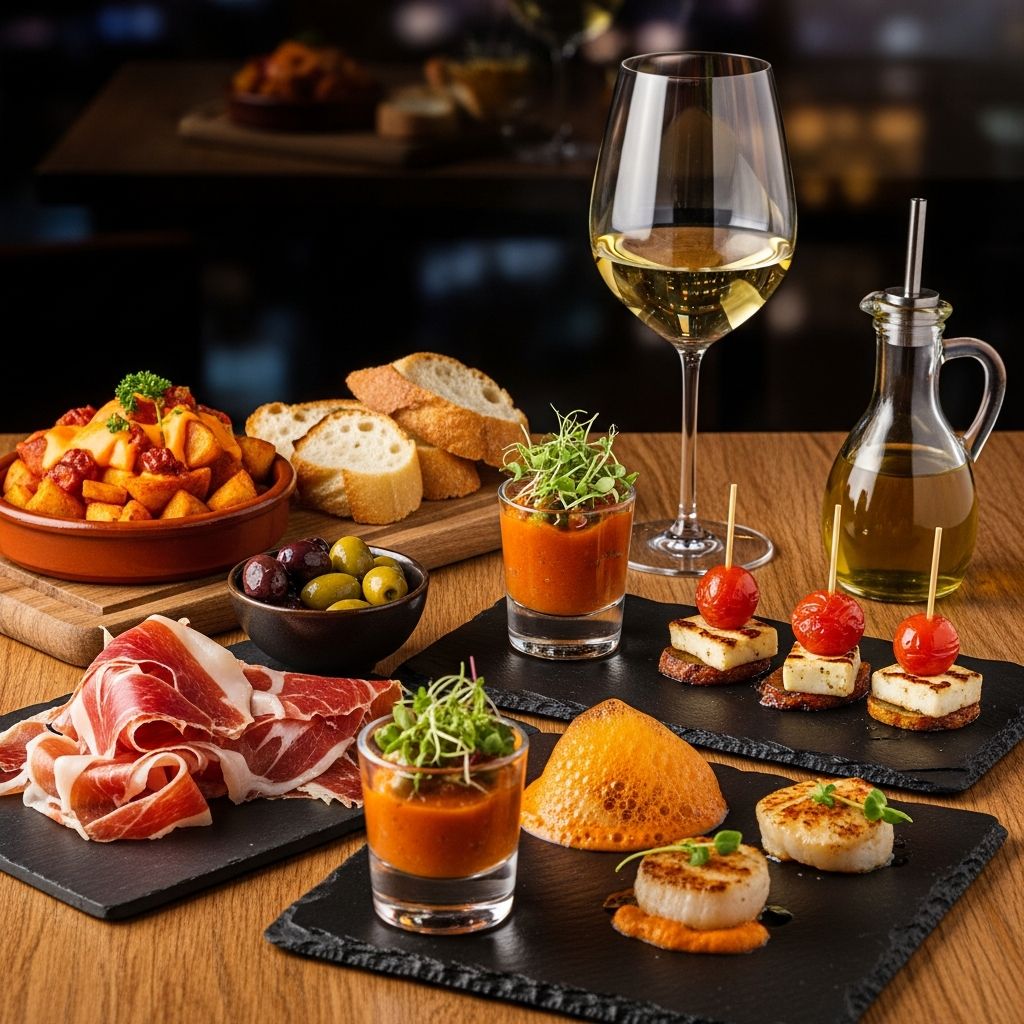
The Enduring Legacy of a Medieval Innovation
The tradition of consuming small plates and shared dishes represents more than just a dining practice—it embodies centuries of Spanish social custom and cultural identity. What many diners today perceive as a leisurely culinary experience actually emerged from practical necessity in medieval Spain. During periods of excessive alcohol consumption in taverns and social establishments, proprietors discovered that offering modest portions of food alongside beverages could moderate intoxication and extend patron engagement. This ingenious solution transformed into one of the world’s most celebrated dining philosophies, eventually becoming synonymous with Spanish hospitality and community gathering.
The word itself carries linguistic roots that reflect its humble beginnings, evolving from a simple problem-solving mechanism into an art form that defines contemporary Spanish social life. Over generations, this practice transcended its original function to become a cornerstone of Spanish culture, representing the values of generosity, conversation, and collective enjoyment that characterize Mediterranean lifestyles.
Understanding the Social Architecture of Tapas Culture
Tapas dining distinguishes itself fundamentally through its social rather than purely gastronomic organization. Unlike traditional restaurant dining where individuals consume distinct courses in predetermined sequences, tapas culture operates according to different principles entirely. The experience typically unfolds as an extended social event where participants move sequentially from one establishment to another, gradually sampling varied offerings throughout the evening. This progression can extend well into the night, even on weekdays, creating an unhurried rhythm that contrasts sharply with rushed contemporary dining patterns.
The portion structure plays a critical role in this dynamic. Each serving constitutes a very small plate of food—typically containing just four to five items depending on the dish type. This deliberately limited quantity serves multiple purposes simultaneously: it prevents individual satiation, encourages continuous movement between venues, prompts natural conversation pauses, and creates opportunities for financial sustainability among establishments that might struggle with traditional restaurant economics. The modest portions accumulate through the evening, collectively satisfying appetites while maintaining the experiential rather than purely nutritional focus of the gathering.
The Communal Dimension and Shared Plate Philosophy
Within both formal tapas establishments and domestic Spanish settings, a fundamental principle governs food consumption: the practice of sharing from common plates without rigid adherence to individual utensil use. This approach represents far more than a practical arrangement—it symbolizes trust, intimacy, and the dissolution of formal boundaries that characterize Spanish social interactions. When participants consume from shared vessels, the physical act of eating becomes intertwined with emotional connection and mutual participation.
This communal approach contrasts dramatically with cultures emphasizing individual plating and personal food sovereignty. The shared plate model assumes that consuming food together, literally from the same sources, strengthens social bonds and creates memorable collective experiences. For centuries, this practice reinforced Spanish values of family cohesion, neighborhood solidarity, and democratic equality where social status mattered less than genuine human connection around the table.
Contemporary Pressures Reshaping Tapas Traditions
Recent decades have introduced unprecedented challenges to established tapas culture, threatening not merely the mechanics of the tradition but its fundamental social character. The most significant disruption emerged from the COVID-19 pandemic, which fundamentally questioned whether practices built on shared plates, close proximity, and extended group gatherings could survive in an era prioritizing disease prevention and individual safety protocols.
Beyond pandemic-related concerns, globalization has created competing pressures. As tapas gained international popularity, commercial establishments worldwide adopted the format while simultaneously stripping away the cultural context and social rhythms that gave the practice meaning. Fast-casual tapas restaurants in major cities now emphasize efficient table turnover and individual consumption experiences rather than the leisurely progression and community engagement that traditionally defined the practice. The transformation from cultural tradition to commercial product has prompted legitimate questions about whether modern iterations genuinely honor ancestral Spanish customs or merely capitalize on aesthetic appeal.
Navigating Health and Safety Considerations
The fundamental contradiction between tapas traditions and modern health consciousness deserves careful examination. Shared plates and communal dining inherently involve food contact patterns that public health frameworks discourage when disease transmission presents risks. This tension became acute during pandemic conditions, forcing Spain and other nations to reconsider whether cherished social practices could coexist with epidemiological safety requirements.
Several adaptations emerged to bridge this divide: individual portioning of traditionally shared items, enhanced sanitation protocols between services, modified seating arrangements that maintain social distance while preserving group atmosphere, and modified service techniques that minimize cross-contact. These modifications represent pragmatic compromises rather than permanent solutions, reflecting the ongoing negotiation between cultural preservation and contemporary health imperatives.
The Economics of Sustainable Tapas Culture
Understanding tapas culture requires recognizing its economic dimensions alongside social ones. The model of serving small portions at relatively modest prices per item depends on high customer volume, extended venue visits, and consistent repeat patronage. This business structure differs markedly from fine dining establishments operating on principle of high per-plate pricing and efficient table turnover.
When external factors disrupt normal tapas progression—whether through health restrictions, economic downturns, or changing consumer preferences—the financial viability of traditional establishments faces genuine threats. Small neighborhood bars that historically relied on predictable evening crowds navigating through multiple venues suddenly confronted with empty streets or restricted capacities face existential challenges. The economic model that sustained tapas culture for centuries assumes social stability and consumer mobility that cannot be taken for granted in contemporary circumstances.
Global Adaptation and Cultural Authenticity
The international expansion of tapas dining reveals persistent tensions between cultural authenticity and commercial adaptation. Establishments from Barcelona to Bangkok, Sydney to San Francisco now offer tapas-style dining, yet their operations frequently diverge substantially from Spanish traditions. Contemporary tapas restaurants emphasize menu variety, individual plate presentation, and efficient service—priorities that would seem foreign to traditional Spanish practitioners.
This globalization raises important questions about cultural practice transmission. When traditions become international commodities, do they necessarily dilute or can they simultaneously preserve core elements while adapting to local contexts? Some argue that adaptation represents natural cultural evolution reflecting how all traditions transform across time and geography. Others contend that divorcing tapas from its Spanish social context, Mediterranean seasonality, and leisurely rhythm fundamentally betrays the practice’s essential character.
Generational Perspectives and Changing Preferences
Younger generations in Spain and internationally demonstrate varying relationships with traditional tapas culture. Some enthusiastically embrace heritage practices, seeing them as anchors to cultural identity in rapidly globalizing contexts. Others, influenced by different social patterns, work schedules, and dining preferences, approach tapas as merely one option among many rather than defining cultural practice requiring preservation.
The acceleration of urban life, fragmentation of family structures, and diversification of entertainment options have shifted how younger demographics conceptualize social dining. Extended evening progressions through multiple establishments appeal less to professionals managing demanding schedules or younger adults prioritizing efficiency alongside sociability. This generational shift does not necessarily signal tapas decline but rather reconfiguration of who practices traditions and in what contexts.
Innovation Within Tradition: Hybrid Models Emerging
Rather than viewing contemporary tapas purely as decline from pure tradition, emerging models demonstrate creative adaptation. Some establishments maintain authentic Spanish tapas while incorporating modern accommodations—perhaps offering individual dining options alongside traditional shared formats, implementing flexible timing that suits contemporary schedules, or emphasizing seasonal and local sourcing that reconnects with Mediterranean culinary foundations.
Technology also influences contemporary tapas practice. Digital platforms now facilitate group coordination for tapas crawls, enable advance menu consultation, and support reservations at multiple venues—logistical improvements that paradoxically both enhance and potentially diminish the spontaneous discovery aspect of traditional practices. Smart phones might document social experiences yet simultaneously distract from genuine interpersonal engagement.
Cultural Pride and Heritage Preservation Efforts
Throughout Spain, conscious efforts to preserve and celebrate authentic tapas traditions reflect recognition that cultural practices require intentional maintenance. Museums dedicated to food culture, educational programs teaching traditional preparation methods, and initiatives promoting consumption of regional specialties represent institutional commitments to heritage preservation. These efforts acknowledge that traditions do not perpetuate automatically but demand active participation from succeeding generations.
Regional variations in tapas practice—distinct traditions between Andalusia, Basque Country, Valencia, and other regions—demonstrate that Spanish culinary heritage encompasses diversity rather than monolithic practice. Protecting this diversity requires maintaining distinct regional practices rather than homogenizing tapas into generic international format.
Conclusion: Tapas at a Crossroads
Spanish tapas culture faces genuinely complex challenges that resist simple resolution. The tradition’s fundamental architecture—built on shared food, extended social time, close proximity, and economic models dependent on specific consumer patterns—encounters friction with contemporary constraints and preferences. Yet the practice’s resilience across centuries suggests capacity to evolve while maintaining core identity elements.
The question facing Spain and international communities embracing this tradition is not whether tapas will survive unchanged—they cannot and should not—but rather how to navigate evolution while preserving meaningful cultural content. This requires conscious choices by practitioners, establishments, policymakers, and younger generations about which elements warrant preservation, which permit modification, and how tradition serves contemporary needs rather than merely representing nostalgic attachment to disappearing past.
References
- Tapas Culture — Wandering Educators. Accessed 2026. https://www.wanderingeducators.com/intercultural-education/stories/tapas-culture.html
- Can tapas survive the COVID-19 pandemic? — Lonely Planet. 2020–2021. https://www.lonelyplanet.com/articles/can-we-still-eat-tapas
- The Dark History of Tapas Law (and Why It Matters Now) — YouTube. Accessed 2026. https://www.youtube.com/shorts/JH9HY0duIGM
- 19 of Spain’s Most Authentic and Delicious Tapas Bars — Lonely Planet. 2020–2024. https://www.lonelyplanet.com/articles/best-tapas-bars-in-spain
Similar Articles








Read full bio of Sneha Tete