Reliving Maritime Elegance: Titanic-Inspired Luxury Dining
Step back in time with an opulent multi-course journey through culinary history
Stepping Into History: The Modern Revival of Titanic Dining Experiences
The allure of the Titanic continues to captivate modern audiences, extending far beyond films and museums into the realm of experiential dining. Contemporary luxury establishments have begun crafting immersive culinary adventures that transport guests back to the opulent world of early 20th-century ocean travel. These recreated dining experiences represent a fascinating intersection of historical preservation, culinary artistry, and theatrical entertainment.
The Grandeur of Original Titanic Dining Spaces
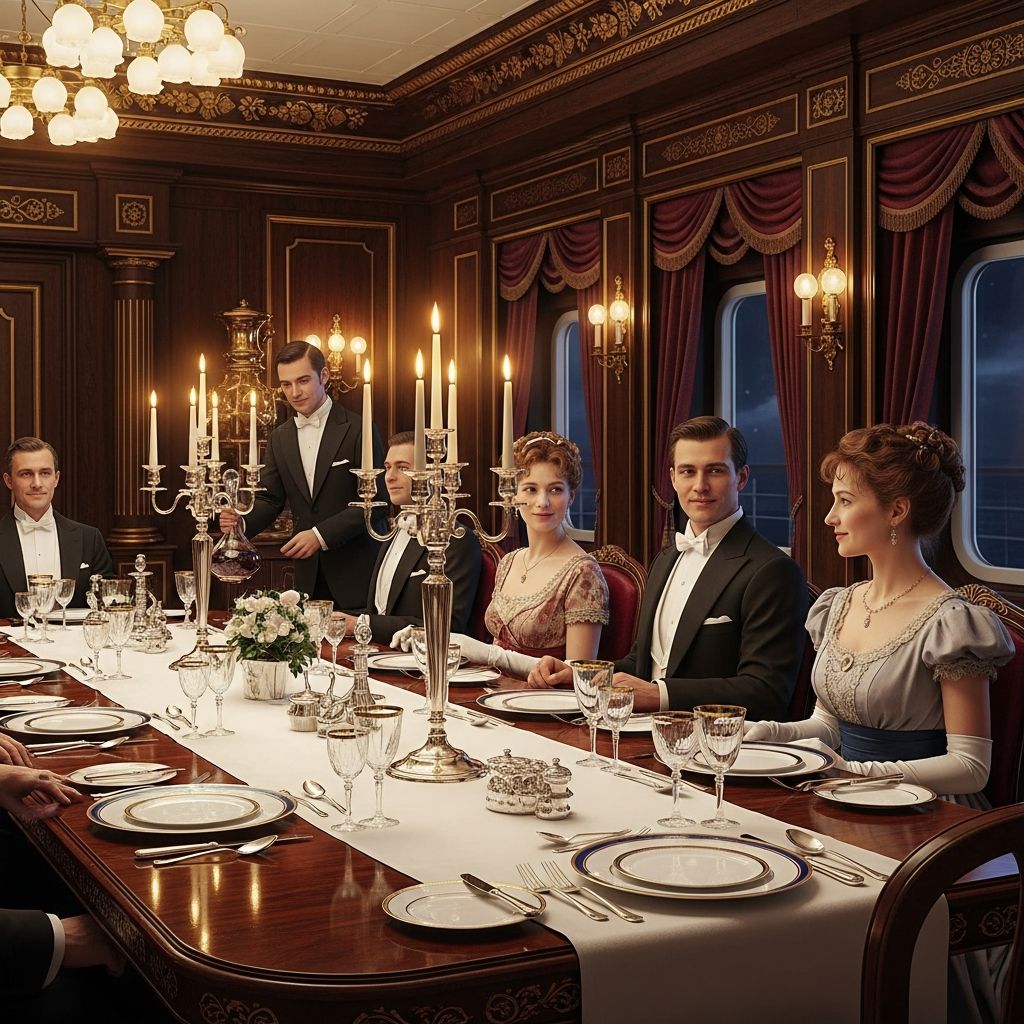
The RMS Titanic’s first-class dining facilities were architectural and gastronomic marvels of their era. Located on D-Deck, the First-Class Dining Saloon was the largest room aboard the vessel, spanning the full width of the ship and measuring 114 feet in length. This cavernous space could accommodate over 500 passengers simultaneously, arranged at 115 tables designed to seat between 2 and 12 diners each. The room’s grandeur was achieved through elaborate wooden paneling painted in white, complemented by distinctive blue linoleum floors adorned with red and yellow patterns.
The dining experience itself was a structured affair, reflecting the rigid social conventions of the period. Breakfast service operated from 8 A.M. to 10 A.M., luncheon from 1 P.M. to 2:30 P.M., and dinner from 7 P.M. to 8:15 P.M. A ship’s bugler, Percy Fletcher, would announce each meal by playing “The Roast Beef of Old England,” a traditional tune that signaled dining service throughout the vessel. These meals were not rushed affairs—dinner courses could extend for hours, sometimes featuring up to eleven distinct dishes accompanied by carefully selected wine pairings.
The Philosophy Behind Historical Recreation
Modern culinary establishments that recreate historical dining experiences operate on a principle of immersive storytelling. Rather than simply serving food, these venues aim to transport guests temporally and spatially, allowing them to inhabit the luxurious world of a bygone era. The architectural recreation of spaces like the Titanic’s dining room involves meticulous attention to period-appropriate design elements, from wall treatments to furniture placement.
The challenge of such recreation extends beyond aesthetics. Contemporary chefs must balance historical authenticity with modern palates and dietary considerations. While the original Titanic menu emphasized heavy, rich preparations typical of Edwardian fine dining, contemporary versions often reimagine these classical dishes through a modern culinary lens, maintaining the spirit of the era while applying contemporary techniques and lighter approaches to certain preparations.
Architectural Elements of Recreated Dining Rooms
Creating an authentic Titanic dining experience requires careful study of historical records and surviving documentation. Architects and designers consult period photographs, survivor accounts, and shipbuilder specifications to reconstruct these spaces with precision.
- Spatial Proportions: Recreations maintain the original dimensions, with particular attention to ceiling heights and room width that contributed to the sense of grandeur
- Decorative Finishes: White-painted wood paneling forms the primary wall treatment, often featuring elaborate carved details and ornamental elements
- Flooring Materials: While modern installations may utilize durable alternatives, the color schemes and patterns reference the original blue linoleum with geometric accents
- Lighting Fixtures: Period-appropriate lighting, often incorporating brass fixtures and warm tones, creates ambient conditions reminiscent of early 1900s vessel interiors
- Sculptural Elements: Architectural details such as caryatids topped with classical heads reference the original decorative program
The Multi-Course Culinary Journey
The contemporary Titanic dining experience typically unfolds across multiple courses, mirroring the extended meals that characterized first-class ocean travel. A typical progression might begin with elegant appetizers designed to stimulate the palate, progressing through carefully curated fish courses, meat preparations, and concluding with refined desserts and petit fours.
Each course represents not merely sustenance but a narrative element in the overall experience. Servers costumed in period attire provide context and commentary, explaining historical details about specific dishes or preparations. Wine service follows a similarly structured approach, with sommeliers pairing selections that reflect both historical authenticity and contemporary sensibilities.
Sample Course Progression
| Course Number | Course Type | Purpose in Experience |
|---|---|---|
| 1 | Amuse-Bouche | Sets the tone and palate preparation |
| 2 | Soup Course | Historical accuracy to original menus |
| 3 | Appetizer | Elegant flavor introduction |
| 4 | Fish Course | Traditional grand dining sequence |
| 5-7 | Main Courses | Showcase culinary excellence and variety |
| 8 | Palate Cleanser | Digestive aid and course transition |
| 9 | Dessert | Culinary crescendo and indulgence |
| 10 | Petit Fours & Coffee | Elegant conclusion and social continuation |
Sourcing Historical Menus and Recipes
One of the most significant challenges in recreating Titanic dining experiences involves accessing authentic historical menus. Fortunately, detailed records of the ship’s fare have survived, preserved in archives and historical collections. These original menus provide invaluable documentation of the specific dishes, preparations, and ingredient selections that defined first-class dining aboard the vessel.
Contemporary culinary teams utilize these historical menus as inspiration while exercising creative interpretation. A recipe documented from 1912 may require adaptation to account for ingredient availability, modern food safety standards, or evolved taste preferences. Chefs often consult food historians and maritime scholars to ensure that their interpretations honor historical authenticity while remaining practically achievable within contemporary restaurant operations.
The Role of Atmospheric Design and Service
The success of a historical dining recreation depends not solely on the food but on the comprehensive sensory environment. Every element—from the moment guests enter the space through the final course—contributes to the temporal displacement experience.
Service protocols follow historically informed procedures, with staff trained in period-appropriate etiquette and terminology. The sequence of service, the presentation of dishes, and the manner of interaction all reference historical standards while adapting to contemporary hospitality expectations. Music selections, often featuring compositions from the Edwardian era, provide an auditory backdrop that reinforces the historical context.
Challenges in Modern Historical Recreation
Creating authentic historical experiences in contemporary settings presents numerous practical obstacles. Modern food safety regulations may require modifications to certain traditional preparations. Ingredient sourcing presents challenges, as some components of historical menus may no longer be readily available or may have fallen out of culinary practice. Additionally, contemporary diners often have different expectations regarding portion sizes, dietary accommodations, and meal duration compared to historical precedents.
Venues must navigate the balance between authenticity and accessibility, ensuring that guests experience genuine historical ambiance while remaining comfortable within modern hospitality standards. This might involve offering vegetarian options alongside traditional meat-based dishes, accommodating various dietary restrictions, or providing information about ingredients and preparation methods to guests with allergies or sensitivities.
Frequently Asked Questions
How long does a typical Titanic-themed dining experience last?
These experiences typically span 3 to 4 hours, allowing adequate time for multiple courses, wine pairings, and atmospheric absorption. The extended duration reflects historical dining customs, during which meals were leisurely social events rather than hurried meals.
What is the price range for such experiences?
Costs vary significantly based on location, inclusivity of beverages, and specific culinary offerings. Luxury venues typically charge premium rates reflecting the combination of fine dining, historical recreation, and theatrical elements involved.
Are dietary restrictions accommodated?
Most contemporary establishments offering historical dining experiences readily accommodate vegetarian, vegan, and allergen-restricted diets. Advance notice typically allows chefs to prepare appropriate alternatives that maintain the experience’s integrity.
Can these experiences be customized for special occasions?
Many venues offer private dining options or customization services for celebrations, corporate events, or special occasions, allowing groups to experience the historical recreation in an exclusive setting.
How historically accurate are the recreated menus?
Menus are based on documented historical records but often feature modern culinary interpretations. While dishes reference authentic Titanic offerings, contemporary techniques and presentation styles are typically applied.
The Cultural Impact of Historical Dining Experiences
The resurgence of interest in recreating historical dining experiences reflects broader cultural fascination with immersive entertainment and experiential travel. These venues serve as educational platforms, introducing guests to culinary history and maritime heritage through engaging, multisensory environments. They also represent a form of cultural preservation, ensuring that knowledge of historical dining practices and aesthetic traditions remains accessible to contemporary audiences.
Such experiences bridge the gap between museum exhibits and active participation, allowing guests to engage with history viscerally rather than observationally. The combination of historically informed cuisine, period architectural recreation, and theatrical service creates a unique form of entertainment that appeals to diverse demographics, from history enthusiasts to culinary adventurers.
Looking Forward: The Evolution of Historical Recreation
As technology advances and historical research becomes increasingly sophisticated, future recreations of historical dining experiences will likely incorporate new elements such as augmented reality components, interactive historical narratives, or enhanced sensory technologies. However, the fundamental appeal—the opportunity to step temporarily into a reconstructed past through culinary and atmospheric immersion—will likely remain central to these experiences.
The continued popularity of Titanic-themed dining venues demonstrates enduring human interest in maritime history and the aesthetic values of early 20th-century luxury. By combining rigorous historical scholarship with contemporary culinary excellence and theatrical presentation, these establishments create meaningful cultural experiences that honor the past while engaging modern audiences.
References
- Titanic’s First-class Dining Room — Titanic Clock. Accessed April 2026. https://www.titanicclock.com/titanic-s-dining-saloon
- First Class Dining Saloon — Titanic Wiki – Fandom. Accessed April 2026. https://titanic.fandom.com/wiki/First_Class_Dining_Saloon
Similar Articles






Read full bio of Sneha Tete