Top 10 Ultimate Climbing Adventures
Discover the world's most exhilarating climbs, from iconic peaks to urban marvels, perfect for thrill-seekers seeking breathtaking views and unforgettable challenges.
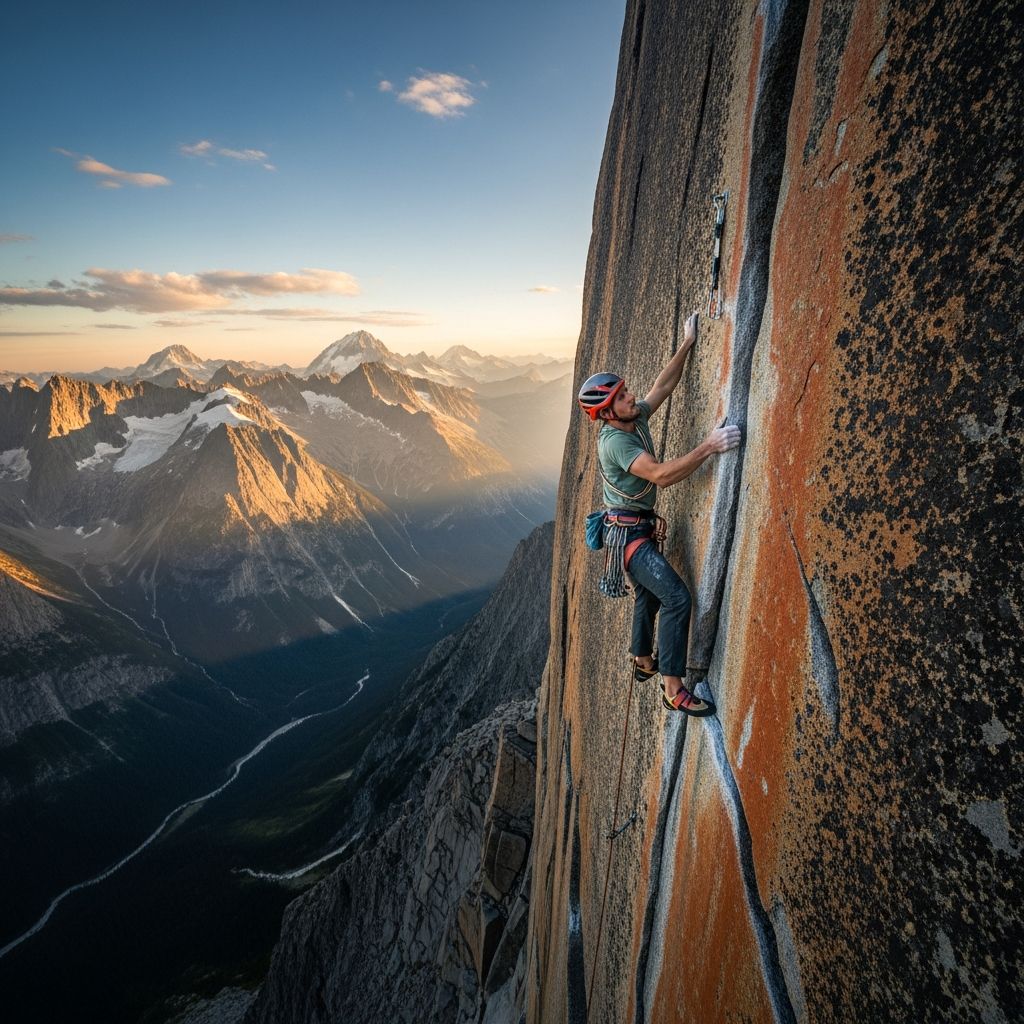
Climbing offers a profound way to connect with the planet’s most dramatic landscapes, pushing physical limits while delivering unparalleled perspectives. Whether scaling sheer rock faces, trekking high-altitude trails, or conquering man-made icons, these experiences transform adventurers. This guide highlights ten standout climbs, each with unique appeals, from serene coastal paths to vertigo-inducing summits.
Why Pursue Climbing Quests?
These pursuits build resilience, foster self-discovery, and immerse you in diverse cultures and ecosystems. Modern climbers benefit from improved gear, guided services, and conservation efforts that protect fragile environments. Preparation involves fitness training, acclimatization for high altitudes, and respecting local regulations to ensure safe, sustainable adventures.
1. Himalayan Heights: Everest Base Camp Trek
The journey to Everest Base Camp in Nepal stands as a pinnacle for aspiring mountaineers. Spanning about 130km round trip over two weeks, this moderate-difficulty trek reaches 5,545m, offering glimpses of the world’s highest peak at 8,849m. Wind through Sherpa villages, ancient monasteries, and the rugged Khumbu Glacier, where every step builds toward the iconic base camp view.
Expect steep ascents testing endurance, with nights in teahouses providing cultural immersion. Best from March to May or September to November for stable weather. Guides are essential for navigation and altitude sickness prevention.
2. African Crown: Mount Kilimanjaro Ascent
Africa’s rooftop, Kilimanjaro in Tanzania, draws trekkers for its tropical snowcapped summit. Routes vary from 37-90km over 5-9 days at moderate difficulty, culminating at Uhuru Peak (5,895m). Traverse rainforests, alpine moors, and arctic zones, witnessing unique biodiversity.
The climb’s appeal lies in accessibility—no technical skills needed—yet it demands pacing to summit at sunrise. Popular paths like Marangu or Machame offer varied scenery; permits and porters support the effort.
3. Volcanic Majesty: Gunung Rinjani Summit
Indonesia’s Gunung Rinjani, a 3,726m active volcano on Lombok, rewards early risers with crater lake views. This 24km, 2-day moderate trek involves lake swims and rim hikes amid steaming vents. Moderate challenges include dusty trails and sudden weather shifts.
Ideal for multi-day adventures combining hiking and relaxation at hot springs. Climb during dry season (June-August) with local guides for safety around geothermal areas.
4. Patagonian Circuit: Torres del Paine O Trek
Chile’s Torres del Paine National Park hosts the epic O Trek, a 136km challenging 9-day loop through glaciers, lakes, and granite towers. Photographers revel in diverse terrains from icy fields to emerald valleys, far beyond the popular W Trek.
Refugios provide shelter; pack for wind and rain. June-September dry period suits, though shoulder seasons offer solitude.
5. Alpine Traverse: Haute Route
The Walkers’ Haute Route from France to Switzerland covers 200km in 14 challenging days, linking Chamonix to Zermatt via 10 passes. Summer’s wildflowers and ice caps create a high-alpine spectacle.
Hut stays and cable cars aid logistics. Train for steep gains; July-August optimal for snow-free paths.
6. Iconic Arch: Sydney Harbour Bridge Climb
Australia’s Sydney Harbour Bridge offers a 1.4km urban ascent to 134m above the harbor. This guided adrenaline rush provides 360-degree views of Opera House and skyline, no experience required.
Climb day or night in jumpsuits with harnesses. Year-round availability; book ahead for this bucket-list staple.
7. Granite Paradise: Yosemite Rock Faces
USA’s Yosemite Valley boasts world-class granite like El Capitan (900m vertical). Multi-day big walls demand crack climbing and hauling skills, or opt for single-pitch routes like Half Dome cables.
Permits needed for overnights; spring-fall seasons. Training at local crags prepares for Yosemite’s exposure.
8. Spanish Spectacle: El Toro Wall
Spain’s El Chorro features El Toro, a 100m overhanging tufa heaven for sport climbers. Routes from 5.10 to 5.14 test finger strength amid Andalusian cliffs.
Year-round mild weather; base in nearby campsites. Bolted lines suit intermediates advancing techniques.
9. Desert Monolith: Joshua Tree Boulders
California’s Joshua Tree National Park hides thousands of boulders amid surreal yuccas. Varying from easy slabs to V10+ problems, it’s a bouldering mecca with crash pads essential.
Fall-spring ideal to avoid heat. Free permits; renowned for highball classics pushing mental limits.
10. Coastal Drama: Table Mountain Via Ferrata
South Africa’s Table Mountain near Cape Town features via ferrata routes blending ladders, bridges, and exposed traverses up to 1,000m. Ocean and city panoramas await atop the flat-topped giant.
Guided half-day trips suit all levels; summer (November-March) best. Equipment provided for secure progress.
Preparation Essentials for Any Climb
- Fitness: Build cardio, strength, and flexibility 3-6 months prior with hiking, weights, yoga.
- Gear: Quality boots, layers, trekking poles, headlamp, first-aid kit tailored to terrain.
- Health: Vaccinations, altitude meds, hydration strategies; consult doctors for high-elevation risks.
- Permits: Secure in advance via official park sites or agencies.
- Guides: Mandatory for technical climbs; support local economies.
Climbing Difficulty Comparison
| Climb | Difficulty | Duration | Key Challenge |
|---|---|---|---|
| Everest Base Camp | Moderate | 2 weeks | Altitude |
| Kilimanjaro | Moderate | 5-9 days | Acclimatization |
| Sydney Bridge | Easy | 3 hours | Height exposure |
| El Capitan | Expert | Multi-day | Technical walls |
| Haute Route | Challenging | 14 days | Passes & weather |
Frequently Asked Questions (FAQs)
What is the best climb for beginners?
Sydney Harbour Bridge Climb offers guided, harnessed access without prior skills, ideal for first-timers seeking thrills.
How to train for high-altitude treks?
Incorporate stair climbing, long hikes with packs, and interval training; simulate altitude with hypoxic masks if available.
Are solo climbs safe?
For technical routes, no—always rope up or use guides. Treks benefit from partners for emergencies.
What environmental impact do climbers have?
Follow Leave No Trace: pack out waste, stick to trails, support conservation fees to preserve sites.
Costs for these adventures?
Vary widely: $1,000-5,000 for guided treks like Kilimanjaro; $200-400 for day climbs like Yosemite.
Safety Protocols Across Climbs
Weather monitoring via apps, emergency beacons (e.g., Garmin inReach), and insurance covering evacuation are crucial. Know symptoms of hypothermia, AMS; descend if needed. Local knowledge prevents mishaps in remote areas.
These climbs not only challenge but inspire, creating stories for lifetimes. Choose based on fitness, time, and passion—each delivers transformative rewards.
References
- The 10 best trekking routes in the world — Lonely Planet. 2023-01-15. https://www.lonelyplanet.com/articles/best-treks-in-the-world
- Lonely Planet: The top 10 adrenaline rush experiences — BridgeClimb. 2022-05-10. https://www.bridgeclimb.com/news/lonely-planet-the-top-10-adrenaline-rush-experiences-in-the-world
Similar Articles




Read full bio of Sneha Tete