Sofia Attractions: Top Landmarks, Ruins, Parks, And Markets
Discover Sofia's blend of ancient history, stunning architecture, vibrant parks, and modern culture through these essential experiences.
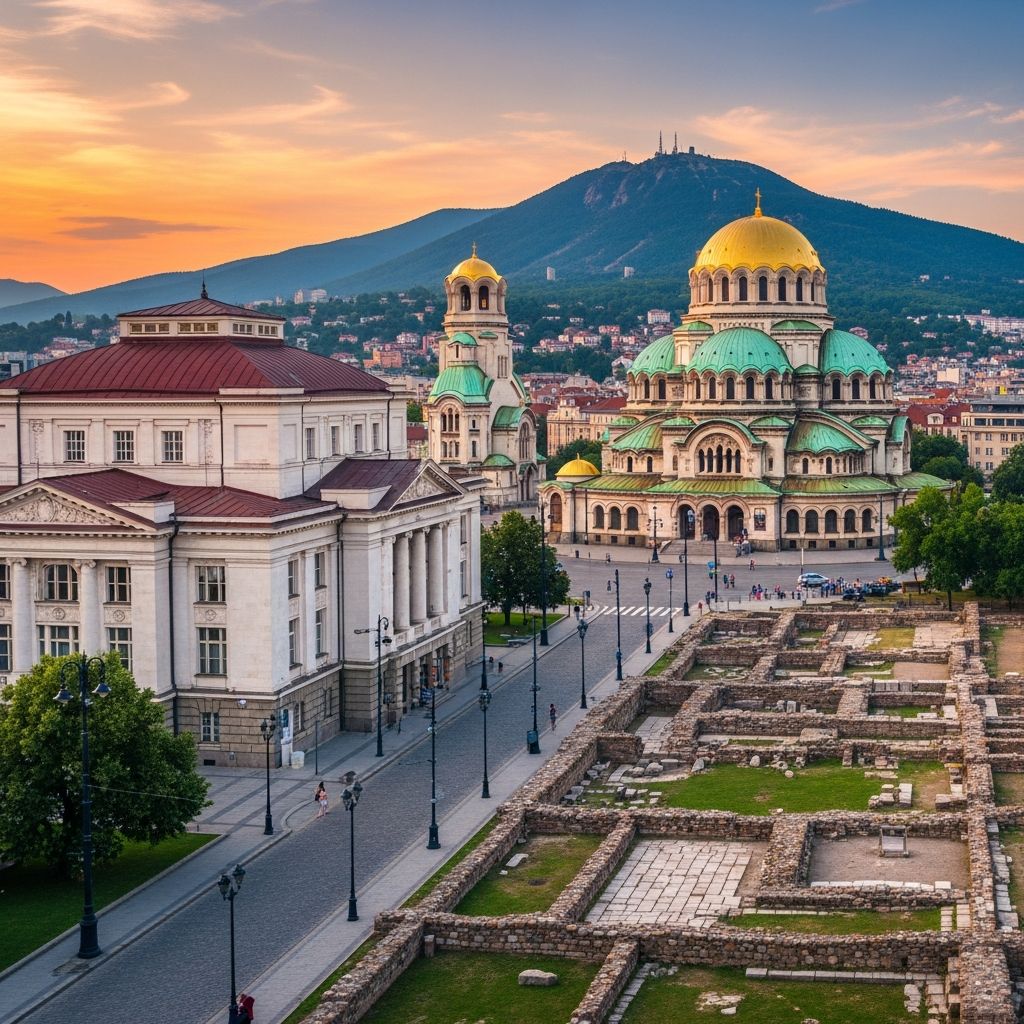
Sofia, the vibrant capital of Bulgaria, seamlessly blends layers of history from Roman times through Ottoman rule to modern-day revival. Nestled at the foot of Mount Vitosha, the city offers a mix of grand religious sites, archaeological treasures, pedestrian-friendly streets, lush green spaces, and contemporary cultural hotspots. Whether you’re drawn to architectural marvels, nature escapes, or immersive local experiences, Sofia delivers affordable and accessible adventures for all travelers. This guide highlights the most compelling spots to visit, organized by theme for easy planning.
Iconic Religious and Architectural Landmarks
Sofia’s skyline is dominated by stunning Orthodox churches and historic structures that reflect centuries of cultural evolution. These sites not only showcase exquisite craftsmanship but also provide insight into Bulgaria’s spiritual heritage.
- Alexander Nevsky Cathedral: This colossal neo-Byzantine masterpiece, completed in 1912, stands as Sofia’s most recognizable landmark with its golden domes and intricate interior mosaics. The crypt below houses an impressive collection of Orthodox icons, offering a deeper dive into religious art.
- St. George Rotunda: Dating back to the 4th century, this is one of the oldest buildings in Sofia, originally part of a Roman forum. Its preserved frescoes from the 10th to 14th centuries make it a hidden gem for history enthusiasts.
- Church of St. Sofia: The namesake of the city, this 6th-century basilica features ancient foundations and a legend tying it to the city’s origins. Nearby, you’ll find the grave of poet Ivan Vazov, adding a literary touch.
- Boyana Church: Located on the city’s outskirts, this UNESCO-listed medieval church boasts remarkably preserved 13th- and 14th-century frescoes depicting biblical scenes with vivid emotion and detail.
- Banya Bashi Mosque and Sofia Synagogue: These sites highlight the city’s multicultural past, with the 16th-century mosque still active and the ornate synagogue serving as a poignant reminder of Sofia’s Jewish community.
Visiting these landmarks in sequence—from the grand Nevsky to the intimate rotundas—creates a narrative journey through time, best done on foot in the compact city center.
Uncover Ancient Ruins and Historical Depths
Beneath Sofia’s modern surface lie remnants of its Roman incarnation as Serdica, revealed through excavations that blend seamlessly with urban life.
The Serdika Archaeological Complex near the metro station exposes streets, forums, and amphitheaters from the 2nd to 4th centuries CE. Free entry allows casual exploration, where you can imagine gladiatorial contests amid passing commuters. Adjacent, the St. Petka Temple sits partially underground, its 14th-century frescoes glowing under protective glass.
For a broader historical perspective, head to the National Museum of History in Boyana, which chronicles Bulgaria’s evolution from Thracian tribes to the present with artifacts like the Valchitran gold treasure. The museum’s hilltop location offers panoramic views.
| Site | Era | Key Feature | Admission |
|---|---|---|---|
| Serdika Complex | Roman (2nd-4th CE) | Excavated streets & forum | Free |
| St. Petka Temple | Medieval (14th century) | Underground frescoes | Included in complex |
| National Museum of History | Prehistory to modern | Thracian gold artifacts | Paid (affordable) |
Vibrant Streets, Markets, and Urban Energy
Sofia pulses with life along its pedestrian arteries and bustling bazaars, perfect for people-watching and savoring everyday Bulgarian culture.
- Vitosha Boulevard: The city’s main shopping and cafe strip, lined with boutiques, street performers, and outdoor terraces. It’s the ideal spot for an evening stroll, especially when Mount Vitosha looms in the background.
- Central Market Hall (Hali): A Belle Époque gem built in 1911, this domed hall brims with fresh produce, cheeses, spices, and street food like banitsa (flaky pastry with cheese). Sample local rakia spirit while bargaining for souvenirs.
- Ivan Vazov National Theatre: Fronting a lively square, this opulent 1904 building honors Bulgaria’s literary hero. Even without tickets, admire its neoclassical facade and the surrounding buzz of buskers and vendors.
These areas exemplify Sofia’s approachable vibe—affordable eats, no cover charges, and a mix of locals and visitors.
Green Escapes and Nature on Your Doorstep
Despite its urban core, Sofia boasts expansive parks and mountain access, providing refreshing breaks from sightseeing.
- Borisova Gradina: Sofia’s largest park, spanning 86 hectares with Ariana Lake for boating, rose gardens, and cycling paths. It’s a family favorite with playgrounds and summer concerts.
- City Garden: The oldest public green space (1872), tucked beside the National Theatre. Fountains, chess-playing elders, and flowerbeds create a serene hub amid the action.
- National Palace of Culture Park: Modern sculptures, ponds, and event lawns surround this cultural venue. Catch free outdoor performances or picnic under contemporary art installations.
- Mount Vitosha: Just 20 minutes away, hike trails to Boyana Waterfall or Stone Rivers, or ride the gondola for alpine views. In winter, it transforms into a ski resort.
These spots shine in spring (April-May) or fall (September-October) for mild weather and foliage.
Cultural Immersions: Museums, Art, and More
Dive into Sofia’s artistic soul through its museums and street scenes, revealing layers beyond the tourist trail.
The National Gallery in the former royal palace displays Bulgarian art from icons to modern abstracts. For communist nostalgia, visit the Socialist Art Museum with towering statues of Lenin and Stalin, or the Red Flat, a preserved 1960s apartment evoking daily life under the regime.
Sofia’s street art scene explodes in murals by artists like Nasimo and MADTS, turning Soviet blocks into colorful canvases. Join a graffiti tour or wander the Kapana district for urban creativity. The Central Mineral Baths, now the Sofia History Museum, mesmerizes with its domed architecture and thermal spring lore—once a hub for public bathing until 1986.
Practical Tips for Your Sofia Adventure
- Best Time to Visit: May-September for warmth and festivals, though shoulder seasons avoid crowds.
- Getting Around: Walk the center, use cheap metros/trolleys, or apps like Bolt for rides.
- Duration: 2-4 days covers highlights; add a day for Vitosha.
- Budget: Most sites free or under €5; meals €5-10.
Frequently Asked Questions (FAQs)
What is the top must-see in Sofia?
Alexander Nevsky Cathedral tops lists for its grandeur and free entry.
Is Sofia good for a short trip?
Yes, 1-2 days suit the compact center; extend for hikes.
Are there free attractions?
Many, including Serdika ruins, parks, and cathedral exteriors.
Can I hike near Sofia?
Vitosha Mountain offers trails minutes from downtown.
What food to try?
Banitsa, shopska salad, and yogurt at markets.
References
- The BEST Things to Do in Sofia – Top Activities in 2026 — GetYourGuide. 2026. https://www.getyourguide.com/sofia-l158/ttd/
- 19 Amazing Things to Do in Sofia, Bulgaria — My Wanderlust. N/A. https://www.mywanderlust.pl/things-to-do-in-sofia-bulgaria/
- 14 Things To Do In Sofia, Bulgaria With 1 – 2 Days In The City — Away With The Steiners. N/A. https://awaywiththesteiners.com/things-to-do-in-sofia-bulgaria/
- A Complete Travel Guide to Sofia, Bulgaria — Urban Wanders. N/A. https://urban-wanders.com/a-complete-travel-guide-to-sofia-bulgaria/
- A guide to Sofia, Bulgaria — Lonely Planet. N/A. https://www.lonelyplanet.com/articles/guide-to-sofia-bulgaria
Similar Articles






Read full bio of medha deb