Basilicata Destinations: Essential Guide To Italy’s Hidden Gems
Discover Basilicata's hidden gems: ancient caves, dramatic mountains, pristine beaches, and charming villages awaiting exploration.
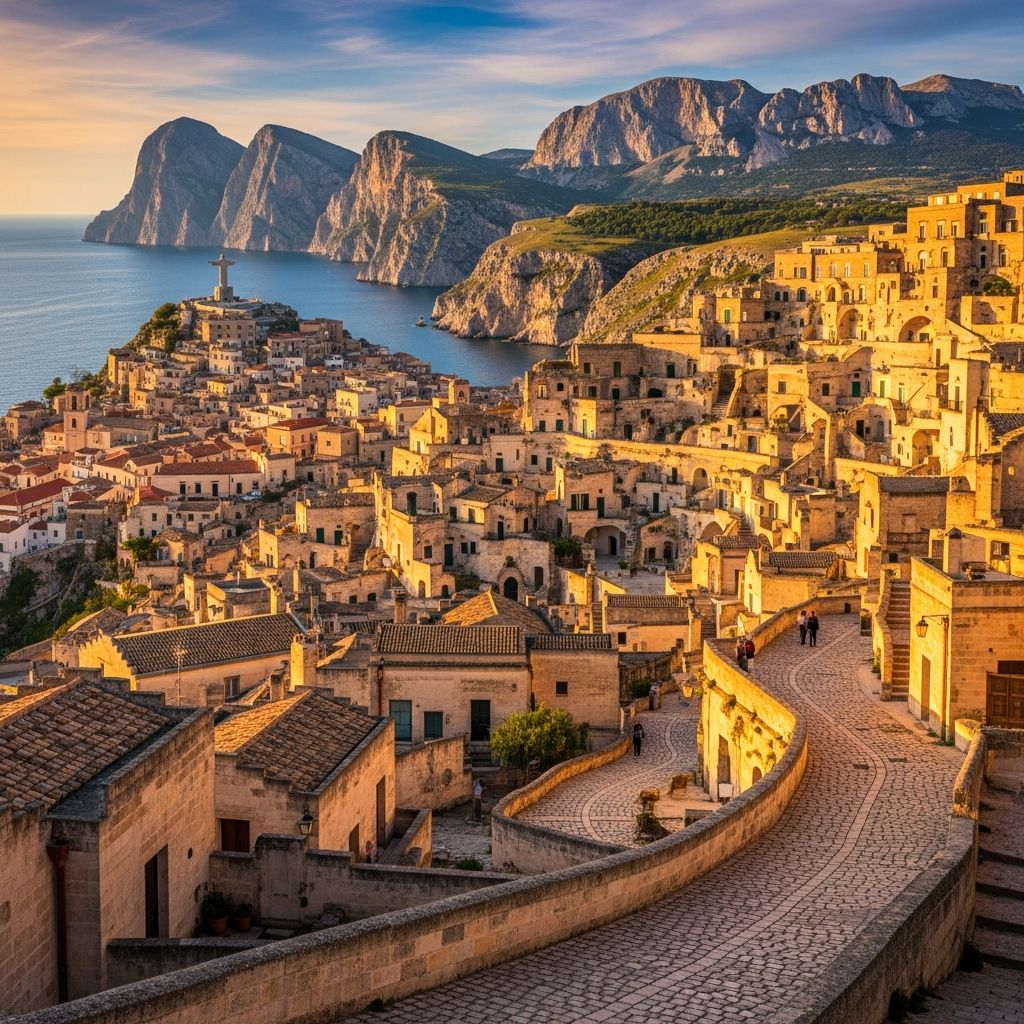
Top Basilicata Destinations: Italy’s Untamed Treasure
Basilicata, often overshadowed by its more famous neighbors, captivates with its raw beauty, ancient history, and unspoiled landscapes. Nestled between the Tyrrhenian and Ionian Seas, this southern Italian region blends dramatic mountains, pristine coastlines, and prehistoric settlements into an unforgettable travel experience. From the UNESCO-listed cave city of Matera to the wild expanses of Pollino National Park, Basilicata offers authentic discoveries for adventurers, history buffs, and nature lovers alike.
Unveiling Matera: The City Carved from Rock
Matera stands as Basilicata’s crown jewel, renowned worldwide for its Sassi districts—ancient cave dwellings that represent one of Europe’s oldest continuously inhabited settlements. Dating back to the Paleolithic era, these rock-hewn homes and churches burrow into the limestone ravine, creating a surreal, otherworldly atmosphere. In 1993, UNESCO designated the Sassi and the Park of the Rupestrian Churches of Matera as a World Heritage Site, recognizing their outstanding universal value as a prehistoric human habitat.
Visitors often start at key sites like Casa Noha, a multimedia exhibit in a 16th-century palazzo that vividly recounts the Sassi’s harsh history. Until the 1950s, families lived in dire poverty here, sharing spaces with livestock; today, many caves have transformed into boutique hotels, galleries, and eateries. Wander the labyrinthine alleys of Sasso Caveoso and Sasso Barisano, where rock churches like Santa Maria de Idris and San Pietro Barisano reveal Byzantine frescoes and crypts from the Middle Ages.
- Cathedral of Matera: Perched atop a spur overlooking the Gravina gorge, this 13th-century Romanesque gem offers panoramic views and intricate interiors.
- Casa Grotta di Vico Solitario: A preserved 19th-century dwelling illustrating daily life in the Sassi, complete with original furnishings.
- Rock Churches: Explore over 150 rupestrian sites, many featuring vivid frescoes of saints and biblical scenes.
For the best experience, visit at dawn or dusk when the stone glows golden, and shadows play across the ravine. Matera gained global fame as a filming location for movies like The Passion of the Christ and No Time to Die, drawing crowds without losing its intimate charm.
Pollino National Park: Wilderness at Its Finest
Spanning Basilicata and Calabria, Pollino National Park is Italy’s largest protected area, encompassing over 1,800 square kilometers of pristine wilderness. Towering peaks like Monte Pollino (2,267 meters) and the Lucanian Dolomites dominate the landscape, home to golden eagles, wolves, and rare flora such as the Pollino pine. This park is a haven for hikers, cyclists, and wildlife enthusiasts, with trails ranging from gentle paths to challenging multi-day treks.
Beyond the rugged terrain, charming villages dot the park. Viggianello, recognized among Italy’s most beautiful borghi, perches on a hilltop with cobblestone streets, medieval castles, and panoramic vistas. Nearby Civita offers Albanian heritage influences, evident in its qameria stone houses and traditional cuisine. In winter, the park transforms into a ski destination; in summer, rivers invite rafting and canyoning.
| Activity | Best Season | Difficulty Level |
|---|---|---|
| Pollino Traverse Hike | Summer | Advanced |
| Rionero in Vulture Trails | Spring/Fall | Moderate |
| Wildlife Watching | Year-round | Easy |
| Mountain Biking | Summer | Intermediate |
Stay in agriturismi for farm-fresh meals featuring lucanica sausage, podalica beef, and wild herbs, immersing yourself in Basilicata’s rural soul.
Maratea: The Pearl of the Tyrrhenian Sea
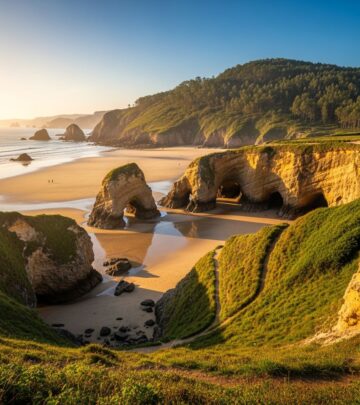
On Basilicata’s western coast, Maratea enchants with 30 kilometers of dramatic cliffs, hidden coves, and crystal-clear waters. Dubbed the ‘Pearl of the Tyrrhenian,’ this area contrasts the region’s interior ruggedness with Mediterranean allure. The Christ the Redeemer statue, crowning a 1,500-foot cliff, overlooks bays ideal for swimming and boating.
Explore the historic center’s whitewashed buildings, baroque churches, and seafood tavernas. Beaches like Spiaggia Nera (black pebble shores) and Fiumicello offer seclusion, while boat tours reveal sea caves and marine life. Maratea’s mild climate supports year-round visits, with spring wildflowers and autumn truffle hunts adding seasonal magic.
Castelmezzano and Pietrapertosa: Clinging to the Clouds
In the heart of the Lucanian Dolomites, twin villages Castelmezzano and Pietrapertosa defy gravity, nestled 1,000 meters above sea level amid jagged peaks. Castelmezzano’s approach through a rock tunnel reveals a fairy-tale cluster of houses tumbling down cliffs. Wander steep alleys to visit Mother Church of Santa Maria dell’Olmo and the Chapel of the Santo Sepolcro, then hike scenic paths for breathtaking views.
Pietrapertosa, connected by the ‘Volo dell’Angelo’ zipline—one of Europe’s longest at 1.5 km—offers adrenaline alongside history. These borghi exemplify Basilicata’s medieval heritage, with Norman towers and ancient palaces whispering tales of brigands and feudal lords.
Other Hidden Corners: Melfi, Aliano, and Beyond
Melfi boasts a formidable Norman castle housing an archaeological museum with Apulian artifacts. Aliano, immortalized in Carlo Levi’s Christ Stopped at Eboli, features a literary park tracing the author’s exile amid calanchi clay badlands. Potenza, the regional capital, offers urban energy with Byzantine monasteries, while Rivello’s hillside charm includes multi-ethnic churches from Greek, Latin, and Albanian rites.
Practical Tips for Your Basilicata Journey
- Getting There: Fly into Bari or Linate, then rent a car—public transport is limited.
- Best Time: April-June or September-October for mild weather and fewer crowds.
- Where to Stay: Cave hotels in Matera, mountain lodges in Pollino, seaside resorts in Maratea.
- Must-Try Foods: Agnolmatiti pasta, peperoni cruschi, and Aglianico wines.
Frequently Asked Questions (FAQs)
What is the best way to explore Basilicata?
A car is essential for its rural roads and remote sites; guided tours suit Matera.
Is Basilicata safe for solo travelers?
Yes, it’s welcoming with low crime rates; stick to marked trails in parks.
How many days for Basilicata highlights?
5-7 days covers Matera (2), Pollino (2), Maratea (2), and day trips.
Are there beaches in Basilicata?
Maratea’s 30km coastline features pebbly coves and cliffs.
What’s unique about Matera?
Its Sassi caves, inhabited for 9,000 years, form a UNESCO prehistoric site.
References
- Basilicata: Cities & Points of interest to visit — Italia.it. 2023. https://www.italia.it/en/basilicata
- THE 15 BEST Things to Do in Basilicata (2026) — TripAdvisor. 2026. https://www.tripadvisor.com/Attractions-g187771-Activities-Basilicata.html
- Basilicata: “Italy’s Best-Kept Secret” (Part One) — Epicurean Traveler. 2014-05-04. https://epicurean-traveler.com/basilicata-italys-best-kept-secret-part-one/
- Basilicata Region: A Journey To Discover Authentic Italy — Wild About Travel. N/A. https://wild-about-travel.com/region-basilicata-italy/
- Basilicata region tourist information — Italy Heaven. N/A. https://www.italyheaven.co.uk/basilicata/
Similar Articles





Read full bio of medha deb