
Minneapolis Neighborhoods Guide 2025: Best Areas To Live
Discover the most vibrant and livable areas in Minneapolis, from trendy urban spots to serene lakefront communities perfect for every lifestyle.
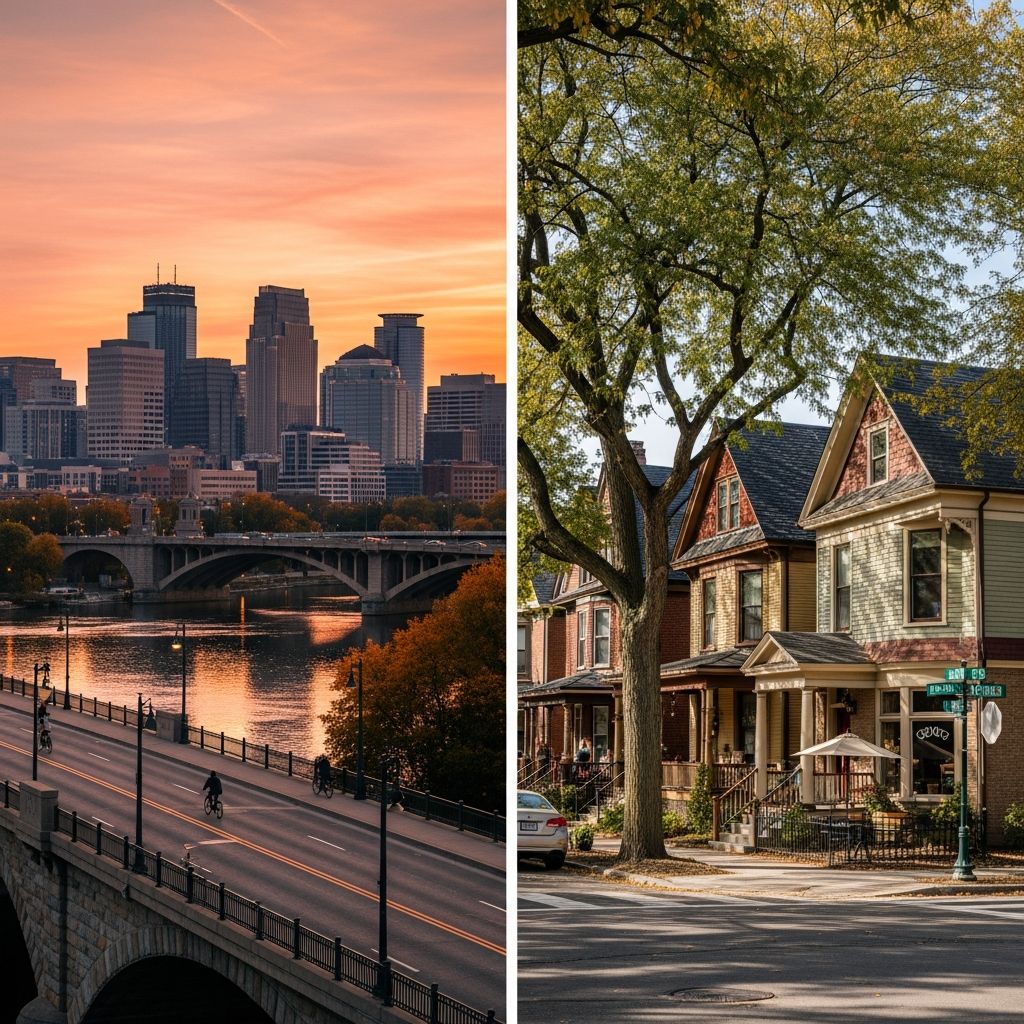
Minneapolis, the heart of the Twin Cities, offers a diverse array of neighborhoods that cater to various lifestyles, from bustling urban hubs to peaceful suburban enclaves. Each area boasts unique characteristics, including proximity to lakes, cultural landmarks, vibrant nightlife, and family-friendly amenities. This guide draws from recent rankings and local insights to spotlight standout districts, helping you decide where to live, visit, or explore.
Why Neighborhood Choice Matters in Minneapolis
Selecting the right neighborhood in Minneapolis involves balancing factors like walkability, school quality, housing affordability, safety, and access to green spaces. The city’s layout around the Chain of Lakes and Mississippi River influences its appeal, with many areas scoring high on livability indexes due to parks, trails, and public transit. Recent data from sources like Niche and Zillow highlight top performers based on crime rates, school ratings, and resident satisfaction.
Minneapolis neighborhoods vary widely in cost: average one-bedroom rents range from $1,300 to $1,700, while home values hover between $190,000 and $500,000 depending on location. Families prioritize districts with strong schools, young professionals seek nightlife, and outdoor enthusiasts favor lake-adjacent spots.
Urban Hotspots for Professionals and Nightlife Lovers
Minneapolis’s downtown-adjacent areas pulse with energy, ideal for those craving convenience and excitement.
North Loop: The Revitalized Warehouse District
Formerly an industrial zone, North Loop has transformed into a trendy enclave along the Mississippi River. Warehouses now house lofts, breweries, and galleries, attracting young professionals with its hip vibe. Walkable streets feature street art, rooftop bars, and farm-to-table restaurants. Proximity to Target Field adds sports excitement.
- Average rent (1-bedroom): $1,800
- Average home value: $450,000
- Best for: Creatives, foodies, millennials
- Key attractions: North Loop Greenway trails, countless breweries
Downtown West: Heart of the Action
This central district embodies city living with skyscrapers, theaters, and the Skyway System for winter pedestrian travel. Live music venues, diverse dining, and easy commuting make it perfect for urban dwellers. Festivals and events keep the calendar full.
- Average rent (1-bedroom): $1,650
- Average home value: $218,600
- Best for: Commuters, entertainment seekers
- Highlights: Nicollet Mall shopping, professional sports arenas
Lakefront Gems for Outdoor Enthusiasts
Minneapolis’s lakes define its identity, and surrounding neighborhoods offer serene escapes with water access.
Linden Hills: Historic Charm by the Water
Nestled between Bde Maka Ska and Lake Harriet, Linden Hills retains 19th-century retreat vibes with streetcar-era architecture. Independent shops on 44th Street, farmers markets, and trails draw families and nature lovers. Strong community feel and good schools enhance appeal.
- Average rent (1-bedroom): $1,500
- Average home value: $650,000
- Best for: Families, lake activities
- Perks: Bde Maka Ska beaches, top-rated schools (B- overall)
Loring Park: Cultural and Green Oasis
On downtown’s edge, Loring Park blends urban access with parks hosting festivals. The Walker Art Center and Sculpture Garden provide cultural depth, while dog parks and paths suit active residents. Basilica of Saint Mary adds historic grandeur.
- Average rent (1-bedroom): $1,350
- Average home value: $191,000
- Best for: Culture buffs, pet owners
- Features: Annual festivals, urban sculpture park
Family-Friendly and Suburban-Inspired Areas
For those seeking balance, these neighborhoods offer space, safety, and schools.
Fulton: Walkable Family Haven
A compact, tree-lined area southwest of downtown, Fulton excels in walkability and community events. Parks, cafes, and proximity to lakes make it family-oriented without isolation.
- Average home value: $400,000
- Best for: Young families
- Draws: Local schools, neighborhood gatherings
Kenwood and Tangletown: Upscale Residential Bliss
Kenwood offers luxury homes near Lake of the Isles, while Tangletown provides top schools and quiet streets. Both prioritize green space and education.
Emerging and Diverse Districts
Nokomis and Northeast: Authentic Local Flavor
Nokomis features lakeside homes and beaches, ideal for water sports. Northeast blends artsy vibes with breweries and ethnic eateries, appealing to diverse crowds.
Marcy-Holmes and Uptown: Young Professional Favorites
Marcy-Holmes near the University buzzes with students and startups. Uptown delivers nightlife and boutiques for trendy living.
Neighborhood Comparison Table
| Neighborhood | Avg. 1BR Rent | Avg. Home Value | Top Rating (Niche) | Ideal For |
|---|---|---|---|---|
| North Loop | $1,800 | $450,000 | A- | Professionals |
| Linden Hills | $1,500 | $650,000 | A- | Families |
| Loring Park | $1,350 | $191,000 | B+ | Culture Lovers |
| Downtown West | $1,650 | $218,600 | B | Urbanites |
| Fulton | $1,400 | $400,000 | B+ | Families |
Data sourced from recent housing reports. Ratings reflect crime, schools, and amenities.
Practical Tips for Choosing and Moving
Consider commute times via light rail or Skyway. Winter resilience favors indoor-connected areas. Visit during events to gauge vibe. Housing markets are competitive; use tools like Zillow for listings. Safety varies—check FBI data via Niche.
Frequently Asked Questions (FAQs)
What is the safest neighborhood in Minneapolis?
Linden Hills and Kenwood rank high for low crime and family safety.
Best areas for young professionals?
North Loop, Uptown, and Marcy-Holmes offer nightlife and jobs.
Are there affordable family neighborhoods?
Fulton and Nokomis provide value with good schools.
How walkable is Minneapolis overall?
Core areas like Downtown West and North Loop score highly, with trails enhancing access.
What about schools in top neighborhoods?
Linden Hills and Tangletown boast above-average districts.
Minneapolis neighborhoods blend urban energy with natural beauty, making the city a top U.S. destination. Whether prioritizing lakes, culture, or convenience, these areas deliver.
References
- 2026 Best Neighborhoods to Live in Minneapolis-St. Paul Area — Niche. 2026. https://www.niche.com/places-to-live/search/best-neighborhoods/m/minneapolis-st-paul-metro-area/
- 8 of the Best Minneapolis Neighborhoods To Check Out — PODS Blog. 2023. https://www.pods.ca/fr-ca/blog/minneapolis-neighborhoods
- What Are the Best Neighborhoods in Minneapolis? — Zillow. 2023. https://www.zillow.com/learn/what-are-the-best-neighborhoods-in-minneapolis/
- A local’s opinion on where to live in Minneapolis and St. Paul — Discover the Cities. 2023. https://discoverthecities.com/where-to-live-minneapolis-st-paul/
- Explore Minneapolis’ Neighborhoods — Visit Minneapolis. 2023. https://www.minneapolis.org/neighborhoods/
Similar Articles








Read full bio of Sneha Tete