National Parks In Peru: 8 Top Parks For Wildlife And Adventure
Discover Peru's stunning national parks, from Andean peaks to Amazon rainforests and coastal deserts, perfect for adventure seekers and nature lovers.
Peru boasts an extraordinary array of national parks that highlight its geographical diversity, from towering Andean mountains blanketed in snow to dense Amazonian rainforests teeming with life, and arid coastal deserts alive with marine wonders. These protected areas safeguard unique ecosystems, endangered species, and cultural heritage sites, offering visitors unparalleled opportunities for adventure, relaxation, and education. Whether you’re trekking high-altitude trails, spotting jaguars in the wild, or kayaking amid flamingos, Peru’s parks deliver immersive experiences that connect travelers with the country’s raw natural beauty.
Why Visit Peru’s National Parks?
Peru’s national parks system encompasses over 70 protected areas, covering diverse biomes that range from the Pacific coast to the Amazon basin and the high Andes. These reserves protect more than 10% of the country’s landmass, preserving biodiversity hotspots with thousands of plant and animal species, many endemic to the region. They also serve as vital water sources, carbon sinks, and cultural landmarks tied to indigenous histories. Visiting these parks supports conservation efforts while providing thrilling activities like birdwatching, rafting, and guided night hikes. Accessibility varies, with some reachable by short drives from Lima or Cusco, while others require multi-day expeditions.
Iconic Andean Gems: Mountains and Glaciers
The Andes dominate central Peru, hosting parks with dramatic peaks, turquoise lagoons, and ancient ice fields. These high-altitude wonders challenge hikers and reward them with panoramic vistas and encounters with rare alpine wildlife.
Huascarán National Park: Peru’s Alpine Crown
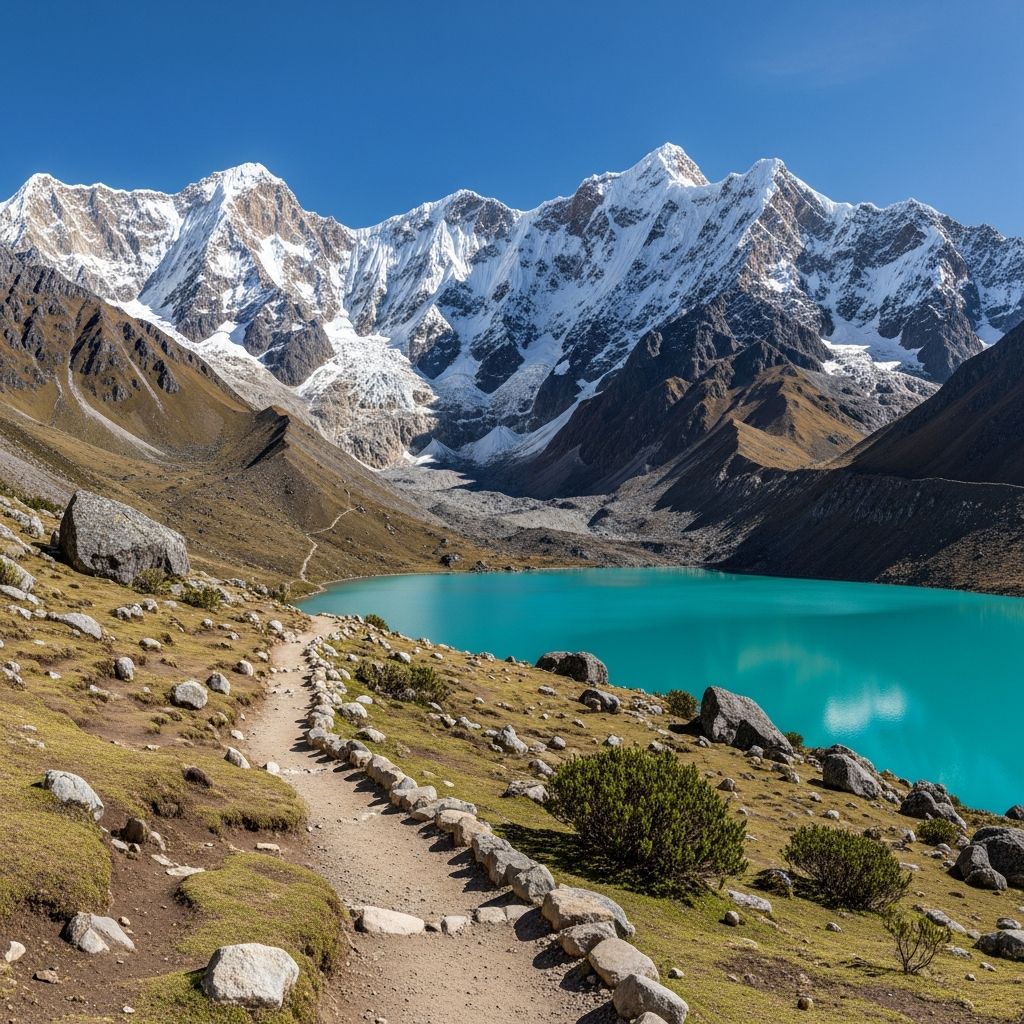
Spanning the Cordillera Blanca, Huascarán National Park is a UNESCO World Heritage site renowned for its 600+ glaciers, 300 crystalline lakes, and peaks soaring above 6,000 meters. Home to the endangered spectacled bear, Andean condor, and the giant Puya raimondii bromeliad, it offers world-class mountaineering on Huascarán Sur (6,768m), Peru’s fourth-highest peak. Trails like the Santa Cruz Trek (4-5 days) weave through alpine valleys, while easier paths lead to Laguna 69, a stunning turquoise gem. Base yourself in Huaraz for acclimatization; expect chilly nights and high UV exposure at elevations over 4,000m. Adventure seekers flock here for ice climbing and multi-day circuits amid snow-capped giants.
Otishi National Park: Hidden Highland Biodiversity
Nestled north of Cusco in the Vilcabamba Range, Otishi protects the headwaters of key Amazon rivers like the Urubamba and Tambo. Its cloud forests burst with orchids, while trails reveal the Andean cock-of-the-rock, Peru’s vibrant national bird, and elusive spectacled bears. Less crowded than neighbors, it’s ideal for immersive jungle hikes and river explorations. Access via train or bus from Cusco, then guided treks into remote zones.
Amazonian Rainforest Havens: Wildlife Paradises
The Peruvian Amazon covers vast eastern territories, where parks pulse with life. Dense canopies shelter jaguars, macaws, and river giants, accessible via eco-lodges and canoe trips.
Manú National Park: Biodiversity Epicenter
A UNESCO Biosphere Reserve, Manú spans four altitudinal zones from Andean foothills to lowland jungle, harboring 1,000+ bird species, 200 mammals, and 15 primate types, including jaguars and giant otters. The park’s core is off-limits to most visitors, but cultural zones offer oxbow lakes for caiman spotting and clay licks where parrots gather in thousands. Multi-day tours from Cusco include night walks for insects and treehouses for canopy views. Its remoteness ensures pristine conditions, but prepare for humid, buggy conditions and basic facilities.
Tambopata National Reserve: Clay Licks and Macaw Spectacles
Adjacent to Manú, this 274,690-hectare reserve in Madre de Dios features the world’s largest macaw clay lick, where up to 10 species flock daily. River trips reveal capybaras, howler monkeys, and harpy eagles amid oxbow lakes. Puerto Maldonado serves as gateway, with lodges offering canopy walks and ethno-botanical tours. It’s more accessible than Manú, ideal for 3-4 day escapes focused on wildlife photography and native community visits.
Pacaya-Samiria National Reserve: Peru’s Largest Wetland
The Amazon’s largest reserve (20,000+ sq km) between Iquitos and Pucallpa, it’s a flooded forest haven for pink river dolphins, manatees, black caimans, and giant river otters. Canoe into Lago Cocha Pasto for jaguar sightings, or hike raised boardwalks during dry season. Indigenous guides from the Cocama and Bora peoples share lore. Boat from Iquitos for 4-7 day expeditions; expect piranha fishing and starry night skies.
Coastal Desert Marvels: Marine and Arid Wonders
Peru’s Pacific coast features stark deserts meeting the sea, with parks protecting penguin colonies, flamingo lagoons, and fossil-rich cliffs.
Paracas National Reserve: Desert Meets Ocean
On the Paracas Peninsula south of Lima, this reserve blends red-sand beaches, dramatic cliffs, and the Ballestas Islands—Peru’s “poor man’s Galápagos.” Boat tours spot Humboldt penguins, sea lions, and dolphins; land hikes lead to flamingo viewpoints and Punta Arquillo’s sea lion rookery. La Mina beach offers safe swimming, while Yumaque excels for birding. Day trips from Lima or overnights reveal Paracas culture’s ancient sites amid Martian-like dunes.
Cerros de Amotape and Chemillén: Northern Coastal Treasures
Cerros de Amotape in the northwest safeguards mangroves, dry forests, and beaches teeming with howler monkeys and anteaters. Chemillén nearby protects Tumbes mangroves, vital for migratory birds. These lesser-known spots offer kayaking and eco-hikes, best visited via Tumbes.
Adventure Activities Across Peru’s Parks
Peru’s parks cater to all levels:
- Hiking: Multi-day treks in Huascarán or day hikes in Paracas.
- Wildlife Viewing: Clay licks in Tambopata, boat safaris in Pacaya-Samiria.
- Water Sports: Kayaking Ballestas, rafting Amazon tributaries.
- Mountaineering: Glaciers in Huascarán for ice axe climbs.
- Birdwatching: 1,000+ species in Manú alone.
| Park | Best Activity | Difficulty | Access Time from Major City |
|---|---|---|---|
| Huascarán | Mountaineering | High | 8 hrs from Lima |
| Manú | Wildlife Tours | Medium | 7 hrs from Cusco |
| Paracas | Boat Tours | Low | 4 hrs from Lima |
| Tambopata | Clay Lick Viewing | Medium | 30 min flight + 1 hr boat from Cusco |
| Pacaya-Samiria | Canoeing | Medium | 2 days from Iquitos |
Planning Your Park Visit: Essential Tips
Best time: Dry season (May-Oct) for Andes/Amazon; year-round for coast. Book guides mandatory in most parks for safety and regulations. Pack insect repellent, altitude meds, sun protection, and eco-friendly gear. Respect no-trace principles: stay on trails, avoid single-use plastics. Costs range $50-200/day including lodging/transport. Check SERNANP (Peru’s park authority) for updates. Combine parks: Lima-Paracas-Huascarán-Cusco-Manú circuit.
Conservation Challenges and How to Help
Threats include illegal logging, mining, climate change melting glaciers, and poaching. Parks like Manú face encroachment; Huascarán loses ice rapidly. Support via eco-lodges, donations to NGOs, or volunteering. Choose operators certified by SERNANP for sustainable tourism.
Frequently Asked Questions (FAQs)
What is the best national park in Peru for hiking?
Huascarán offers epic high-altitude treks amid glaciers and lagoons.
Can I see jaguars in Peru’s parks?
Yes, in Manú, Tambopata, and Pacaya-Samiria with skilled guides.
Are Peru’s national parks safe for families?
Coastal Paracas is ideal; Amazon parks suit older kids with guided tours.
How do I get permits for remote parks?
Via authorized agencies; some require advance booking.
What’s the most biodiverse park?
Manú, with unmatched species counts across elevations.
References
- The Best National Parks in Peru — Valencia Travel Cusco. 2023. https://www.valenciatravelcusco.com/passion-passport/the-best-national-parks-in-peru
- Best national parks and reserves in Peru — Lonely Planet. 2023-10-01. https://www.lonelyplanet.com/articles/best-national-parks-peru
- The Guide to Peru National Parks and Reserves — G Adventures. 2024. https://www.gadventures.com/blog/peru-national-parks/
- Visit These 5 National Parks of Peru — Cusco Journeys. 2023. https://www.cuscojourneys.com/blog/visit-these-5-national-parks-of-peru
- Peru National Parks — Global Alliance of National Parks. 2025. https://national-parks.org/peru/
- List of protected areas of Peru — Wikipedia (informational). 2026. https://en.wikipedia.org/wiki/List_of_protected_areas_of_Peru
Similar Articles








Read full bio of Sneha Tete