Top Travel Tech Mishaps and Fixes
Discover essential strategies to prevent and recover from the most frequent technology failures that plague modern adventurers worldwide.
Modern travel relies heavily on technology, from smartphones capturing memories to GPS guiding remote explorations. Yet, gadgets can fail at the worst moments, turning excitement into frustration. This article dives into prevalent tech issues faced by travelers, offering proactive strategies and quick fixes to safeguard your journey.
Why Tech Failures Happen on the Road
Travel exposes devices to extreme conditions: fluctuating temperatures, dust, humidity, and physical jostling. According to the U.S. Consumer Product Safety Commission, consumer electronics account for a significant portion of travel-related complaints due to battery and hardware failures. Remote areas amplify risks, where outlets, backups, or repairs are scarce. Understanding these vulnerabilities empowers better preparation.
1. Running Out of Power in Remote Spots
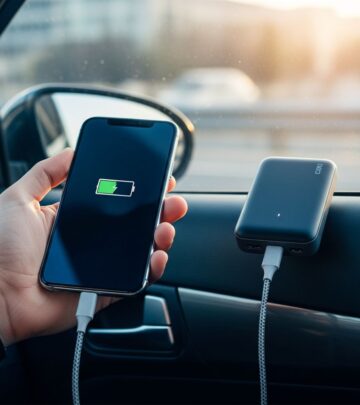
Nothing halts adventure like a drained camera or phone battery far from civilization. Cold weather accelerates discharge, even in standby mode. Prevention starts with nightly charging routines and packing extras.
- Carry spares: Wrap charged batteries in insulating material like wool to combat cold-induced drain.
- Portable solutions: Solar chargers or power banks with high mAh capacity provide reliable juice. The Federal Aviation Administration notes power banks under 100Wh are cabin-approved.
- Pro tip: Enable low-power modes and disable unused features like Bluetooth.
In emergencies, hand-crank chargers offer a manual backup, ideal for off-grid hikes.
2. Storage Overflow During Peak Moments
High-resolution photos and videos fill cards rapidly amid stunning vistas. Deleting favorites mid-trip risks permanent loss. Always monitor capacity via device apps.
| Storage Type | Capacity Range | Best For |
|---|---|---|
| SD Cards | 32GB-512GB | Cameras |
| microSD | 64GB-1TB | Phones/Drones |
| External SSD | 500GB-4TB | Laptops |
Offload to laptops or cloud services when possible. High-speed USB hubs speed transfers in the field.
3. Forgetting Essential Cables and Adapters
Packing oversights like leaving a charger behind strand you after hours on the move. Anecdotes from Mongolia treks highlight this pitfall.
- Label and organize cables in waterproof pouches.
- Use universal adapters for global sockets; verify Type A/B/C compatibility per destination.
- Digital backups: Screenshot itineraries or email chargers’ images to local contacts.
Apps like ‘Travel Power Adapter’ map outlets worldwide.
4. Hardware Damage from Drops or Theft
Laptops and cameras tumble from bags or vanish in crowds. Protective gear is non-negotiable.
- Rugged cases from brands like Pelican shield impacts.
- Anti-theft backpacks with slash-proof fabric and hidden pockets deter pickpockets.
- Enable ‘Find My Device’ features on Apple/Google ecosystems for tracking.
The U.S. Department of State reports over 1,000 passport-related thefts monthly, often alongside gadgets.
5. No Access to Digital Boarding Documents
Printerless check-ins falter if phones glitch. Airlines increasingly accept mobile passes.
- Download passes to Apple Wallet/Google Pay.
- Photograph screens with secondary devices as fallback.
- Paper copies in checked luggage for redundancy.
International Air Transport Association standards endorse digital verification.
6. Navigation Tools Failing in the Wild
GPS units die, leaving trekkers disoriented. The Sahara exemplifies dire scenarios.
- Pair GPS with analog compasses; master map-reading skills.
- AA/AAA battery compatibility ensures field swaps.
- Apps like Gaia GPS cache offline maps.
National Oceanic and Atmospheric Administration emphasizes multi-tool navigation.
7. Wildlife or Elements Stealing Your Gear
Monkeys in India or rain in jungles claim laptops. Cloud syncing preempts total loss.
- Upload to Google Drive/OneDrive automatically.
- External hard drives in locked luggage.
- Versioned backups prevent overwrites.
Daily syncs during Wi-Fi windows maintain currency.
8. Liquids Ruining Smartphones
Drops into toilets or puddles brick devices instantly. Revival myths abound, but science favors specifics.
- Immediate action: Power off, disassemble removable parts, submerge in silica gel or rice for 48 hours. Avoid heat sources.
- Prevention: IP68-rated cases from OtterBox repel submersion up to 2m.
- Screen protectors with oleophobic coatings ease recovery.
Consumer Reports tests confirm silica outperforms rice.
Advanced Preparedness: Building a Tech Survival Kit
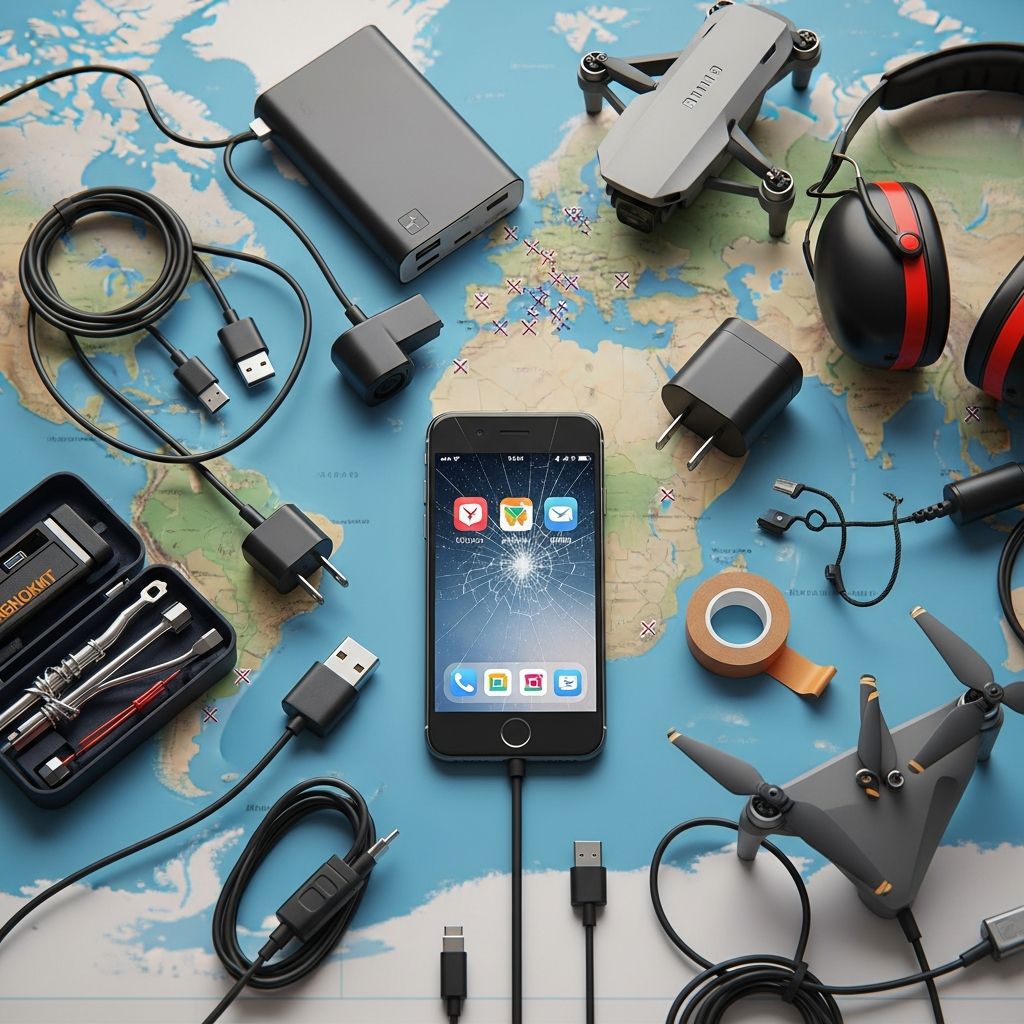
Assemble a compact kit: multi-tool charger, microfiber cloths, cable ties, surge protectors, and VPN for secure Wi-Fi. Test everything pre-trip.
| Item | Purpose | Weight (oz) |
|---|---|---|
| 20,000mAh Power Bank | Multiple charges | 12 |
| Universal Adapter | Global plugs | 3 |
| Silica Packs | Moisture absorb | 2 |
| Rugged Case | Impact protection | 4 |
Total under 1lb, fitting daypacks seamlessly.
Insurance and Warranty Essentials
Travel policies from Allianz or World Nomads cover gadgets up to $1,000. Register warranties; document serial numbers. Claim processes demand receipts and damage photos.
FAQs
What causes the fastest battery drain while traveling?
Cold temperatures and high screen brightness; insulate and dim accordingly.
Is rice effective for wet phones?
Moderately; silica gel is superior per lab tests.
How to secure cloud backups?
Use two-factor authentication and encrypt sensitive files.
Best power bank for international flights?
Anker models under 27,000mAh comply with IATA rules.
What if my GPS fails completely?
Fallback to compass, stars, or local knowledge.
Long-Term Habits for Tech-Savvy Travelers
Regular firmware updates patch vulnerabilities. Learn basic repairs like port cleaning. Join communities like Reddit’s r/onebag for gear reviews. By anticipating failures, technology enhances rather than hinders exploration, ensuring memories intact.
References
- Consumer Product Safety Commission Electronics Reports — U.S. CPSC. 2025-03-15. https://www.cpsc.gov/s3fs-public/2025_ElectronicsTravelSafety.pdf
- Portable Battery Regulations — Federal Aviation Administration. 2026-01-10. https://www.faa.gov/hazmat/packsafe
- Travel Advisory Statistics — U.S. Department of State. 2025-12-01. https://travel.state.gov/content/travel/en/passports/passport-help/lost-stolen.html
- Digital Boarding Standards — International Air Transport Association. 2024-11-20. https://www.iata.org/en/publications/store/one-id/
- Navigation Guidelines — National Oceanic and Atmospheric Administration. 2025-02-14. https://www.noaa.gov/navigation
- Water Damage Recovery Tests — Consumer Reports. 2025-09-05. https://www.consumerreports.org/electronics/phones-services/phone-water-damage/
- Gadget Insurance Policies — World Nomads. 2026-04-01. https://www.worldnomads.com/claims
Similar Articles








Read full bio of Sneha Tete