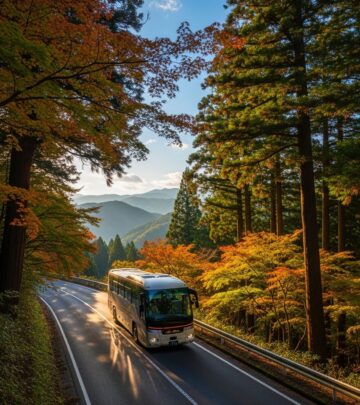
Top US National Forests: 12 Incredible Places To Explore
Discover the most breathtaking US national forests, from vast Alaskan rainforests to rugged mountain ranges, perfect for hiking, wildlife viewing, and outdoor adventures.
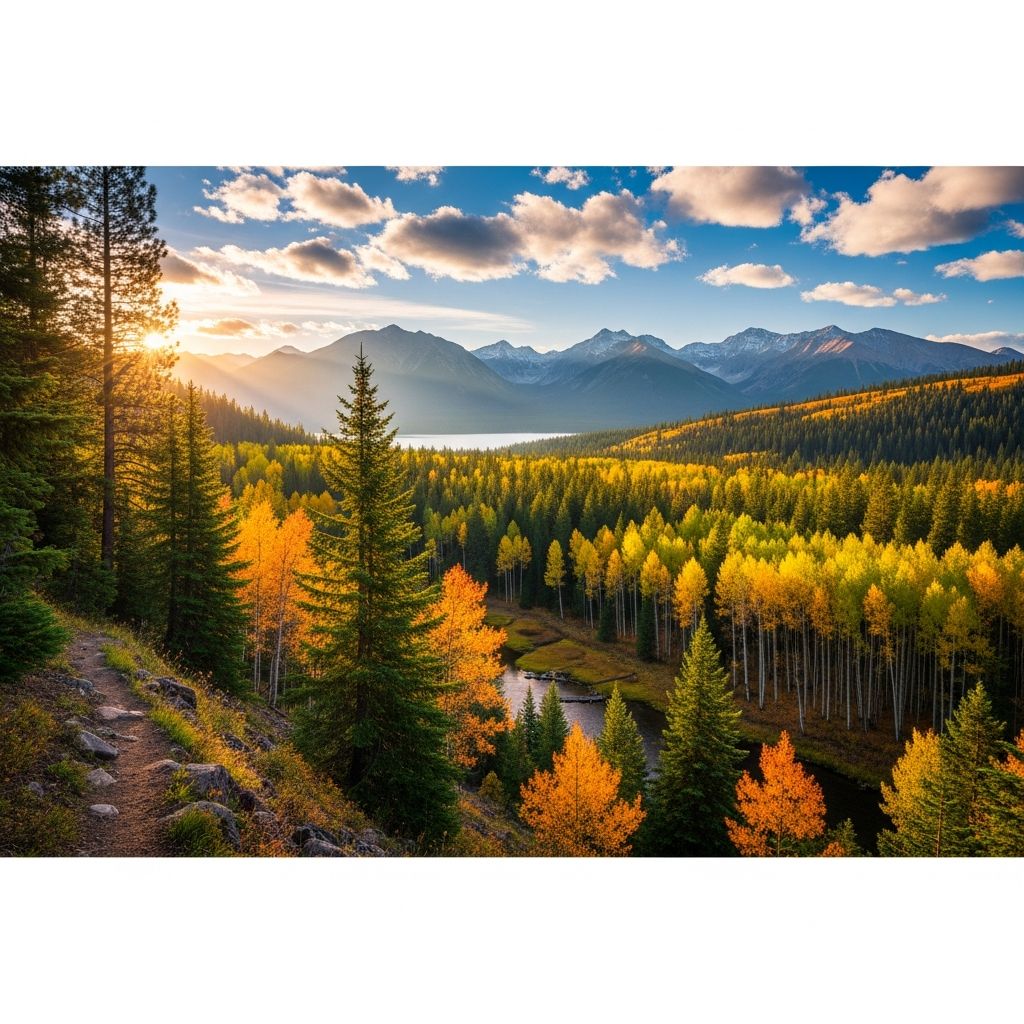
United States national forests span millions of acres of pristine wilderness, offering unparalleled opportunities for recreation, wildlife observation, and connection with nature. Managed by the U.S. Forest Service, these protected areas encompass diverse ecosystems from temperate rainforests to high-desert plateaus, providing alternatives to crowded national parks.
Why Choose National Forests for Your Next Trip
National forests differ from national parks by allowing activities like dispersed camping, off-road driving, and resource extraction under sustainable guidelines. They host over 193 million acres across 154 forests, featuring 244,000 miles of trails and 11,000 developed recreation sites. These lands support hiking, fishing, mountain biking, and winter sports while preserving habitats for species like bears, eagles, and elk.
- Accessibility: Many forests border urban areas, making them ideal day trips.
- Diversity: Elevations from sea level to over 14,000 feet yield varied climates and flora.
- Solitude: Less regulated than parks, they offer remote experiences.
Tongass National Forest: Alaska’s Temperate Rainforest Giant
At 16.5 million acres, Tongass dwarfs many states and holds the title of the largest national forest. Its Sitka spruce, western hemlock, and cedar groves include trees up to 800 years old, alongside glaciers and icefields. Over one-third is wilderness, home to brown bears, mountain goats, wolverines, and bald eagles.
Visitors flock to Misty Fiords National Monument for kayaking amid sheer cliffs or Mendenhall Glacier for ice trekking. The forest’s roadless expanse demands floatplanes or ferries for access, rewarding adventurers with untouched beauty.
Gifford Pinchot National Forest: Volcanic Wonders in Washington
Encompassing Mount St. Helens National Volcanic Monument, this 1.3 million-acre forest showcases lava tubes like the 2.5-mile Ape Cave, formed millennia ago. The Pacific Crest Trail slices through, offering multi-day hikes past wildflower meadows and old-growth stands.
Hiking to St. Helens’ crater rim reveals a recovering ecosystem post-1980 eruption, with lupine and huckleberries thriving amid ash. Winter brings snowshoeing, while summer suits mountain biking on forested singletracks.
Coconino National Forest: Arizona’s Desert-to-Tundra Mosaic
Spanning 1.85 million acres, Coconino blends red rock canyons, ponderosa pine forests, and San Francisco Peaks rising to 12,633 feet. It’s ecologically diverse, from desert mesas at 2,600 feet to alpine tundra, hosting the world’s largest contiguous ponderosa pine stand.
Flagstaff-area trails lead to Walnut Canyon ruins or Humphreys Peak, Arizona’s highest. Sedona’s vortex sites and Oak Creek Canyon’s swimming holes draw crowds, but backcountry routes provide seclusion.
| Feature | Description | Best Activity |
|---|---|---|
| San Francisco Peaks | Highest in AZ at 12,633 ft | Summit hike |
| Oak Creek Canyon | Steep red rock walls | Swimming, kayaking |
| Red Rock Country | Sandstone formations | Jeep tours |
Pisgah and Nantahala: North Carolina’s Appalachian Treasures
These adjacent forests total over 1 million acres in the Blue Ridge Mountains, famed for explosive fall foliage in reds, oranges, and yellows. Year-round, old-growth hemlock, oak, and poplar forests host 200+ miles of the Appalachian Trail.
Pisgah features Sliding Rock, a 60-foot natural waterslide, and peaks over 6,000 feet like Black Balsam Knob. Nantahala’s whitewater rivers attract rafters, while both offer fishing in trout streams and backpacking to waterfalls.
White Mountain National Forest: New England’s Rugged Peaks
Covering 800,000 acres across New Hampshire and Maine, White Mountain boasts the Presidential Range, including 6,288-foot Mount Washington with record winds over 200 mph. Forests transition from maple and birch lowlands to spruce-fir highlands, sheltering moose, bears, and falcons.
The Kancamagus Highway provides scenic drives with overlooks, while the Appalachian Trail challenges hikers. Fall foliage peaks rival the Smokies; spring offers solitude post-winter.
Salmon-Challis National Forest: Idaho’s Vast Wilderness
Central to the 2.4 million-acre Frank Church-River of No Return Wilderness—the largest outside Alaska—this forest features Borah Peak (12,662 feet), Idaho’s tallest, and the roaring Salmon River. With 2,616 miles of trails, it’s a haven for backpackers and anglers.
Rafting the Middle Fork Salmon navigates canyons teeming with steelhead, while hot springs dot remote valleys. Wildlife includes wolves, bighorn sheep, and golden eagles.
Shoshone National Forest: Wyoming’s Ancient Frontier
Established in 1891 as the first national forest, Shoshone’s 2.5 million acres guard Gannett Peak (13,804 feet), Wyoming’s highest. Adjacent to Yellowstone, it offers solitude with 1,300 miles of trails through meadows, lakes, and granite spires.
Explore Wind River Range for cirque basins or Absaroka Mountains for grizzly habitat. Fishing in alpine lakes yields cutthroat trout amid wildflowers.
Superior National Forest: Minnesota’s Boundary Waters Escape
The largest east of the Mississippi at 3 million acres, Superior borders the Boundary Waters Canoe Area Wilderness with 400+ miles of trails and thousands of lakes. Conifer-hardwood mixes support moose, wolves, and loons.
Canoe portages link pristine waters for multi-day trips, free of motors in much of the area. Fall colors illuminate birch groves; winter ushers fat-tire biking.
Tonto National Forest: Arizona’s Sonoran Desert Giant
Ninth-largest at 2.9 million acres, Tonto sees 3 million visitors yearly for saguaro-studded hikes and Roosevelt Lake boating. Superstition Mountains hide legends of lost gold.
Trail 401 to the Salt River’s wild horses or Four Peaks’ 7,657-foot summit offer desert solitude. Spring wildflowers carpet basins post-rains.
Angeles National Forest: LA’s Urban Wilderness
Just 20 miles from Los Angeles, this 700,000-acre forest includes the San Gabriel Mountains National Monument with peaks over 10,000 feet. Trails like Mount Wilson attract urban escapees.
Stargazing at observatory sites or Bridge to Nowhere hikes blend city proximity with rugged terrain. Wildfires shape resilient chaparral ecosystems.
Mount Baker-Snoqualmie National Forest: Washington’s Alpine Paradise
North Cascades’ glaciers and volcanoes define this forest, with Mount Baker’s snowfields and ancient larches. Artist Point overlooks alpine meadows.
Backpack Cascade Pass or ski Stevens Pass. Volcanic hot springs add relaxation amid old-growth.
Planning Your National Forest Adventure
Obtain permits for wilderness areas via Recreation.gov. Practice Leave No Trace: pack out waste, camp 200 feet from water. Check fire restrictions and bear-aware practices.
Best seasons vary: summer for Alaska, fall for Appalachians, winter for snow sports. Gear includes maps, water filters, and layered clothing for elevation changes.
Frequently Asked Questions
Are national forests free to enter?
Yes, most are free, though some day-use sites charge fees. America the Beautiful passes cover these.
Can I camp anywhere in national forests?
Dispersed camping is allowed in many areas, following guidelines like 14-day limits.
What wildlife precautions should I take?
Store food properly for bears; make noise on trails. Carry spray in grizzly country.
How do national forests differ from national parks?
Forests permit hunting, grazing, and logging under management; parks prioritize preservation.
Are dogs allowed?
Yes, on leash in most areas; check restrictions near wildlife.
References
- 11 of America’s greatest national forests — The Wilderness Society. 2023. https://www.wilderness.org/articles/article/11-americas-greatest-national-forests
- 10 Best National Forests To Visit When Nat. Parks Are Packed — Uproxx. 2023. https://uproxx.com/life/us-national-forests-blm-to-visit/
- A Guide to America’s Lush Forests — Adventures In Good Company. 2024. https://www.adventuresingoodcompany.com/a-guide-to-americas-lush-forests-celebrating-national-forest-week-with-our-top-wooded-adventures
- 10 National Forests to Add to Your Bucket List — Tiffin Motorhomes. 2023. https://tiffinmotorhomes.com/blog/10-national-forests-to-add-to-your-bucket-list/
- Ranked: America’s most beautiful national forests — loveexploring.com. 2023. https://www.loveexploring.com/galleries/110689/ranked-americas-most-beautiful-national-forests
Similar Articles







Read full bio of medha deb