
Top USA Birding Destinations
Discover the premier birdwatching hotspots across America, from coastal wetlands to mountain peaks, teeming with diverse species year-round.
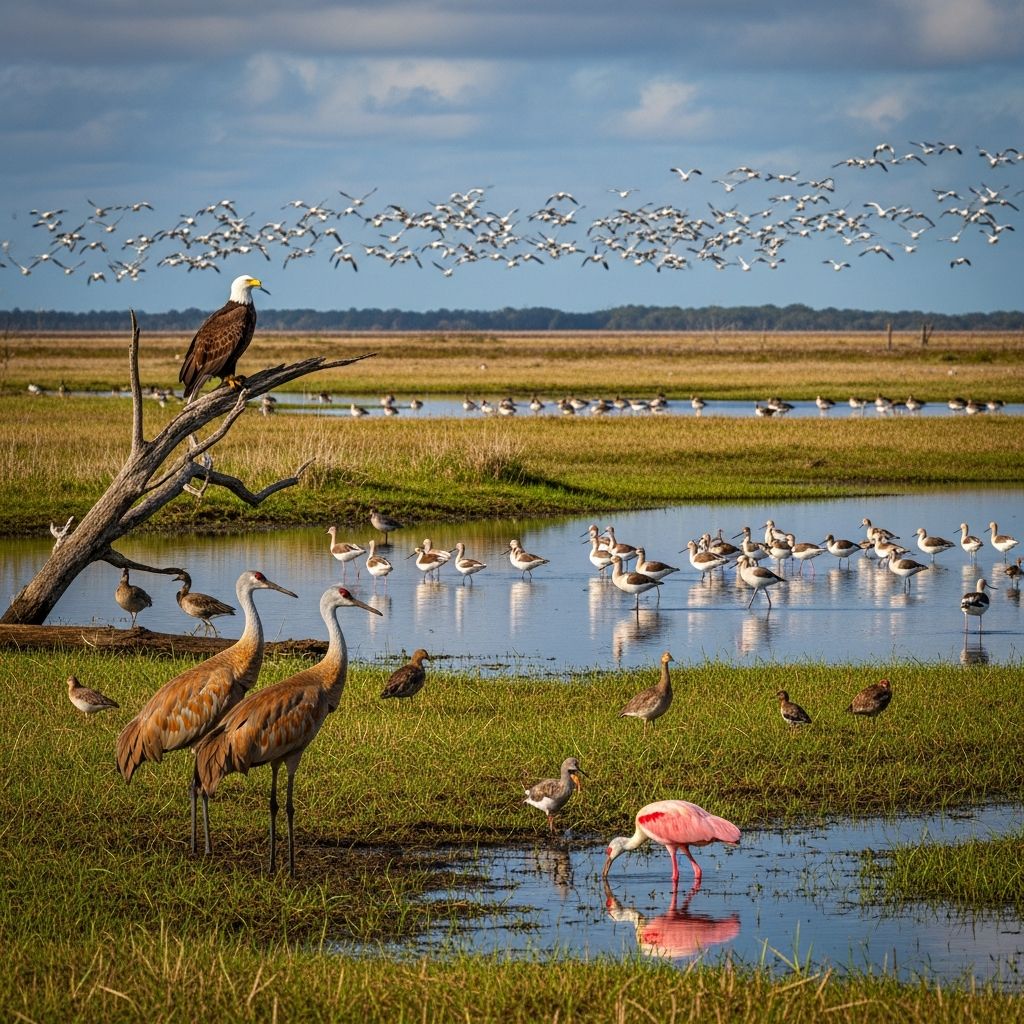
North America boasts an extraordinary diversity of avian life, with the United States serving as a critical hub for resident species, breeders, and long-distance migrants. Birders flock to protected wetlands, rugged mountains, and coastal zones where conditions converge to attract hundreds of species. This guide uncovers standout locations nationwide, drawing from established hotspots renowned for high species counts and reliable sightings. Whether chasing warblers in spring or raptors in fall, these sites offer unparalleled opportunities amid breathtaking landscapes.
Why the US Excels in Birdwatching
The country’s varied ecosystems—from arid deserts to temperate rainforests—support over 1,000 bird species, many passing through during biannual migrations. States like Texas lead with massive flyways channeling billions of birds, while refuges preserve vital stopovers. National wildlife areas and state parks, often designated as Important Bird Areas, provide accessible trails, blinds, and observation decks optimized for viewing. Peak seasons align with migrations: spring (April-May) for songbirds and shorebirds, fall (August-October) for raptors and waterfowl.
Premier Coastal and Wetland Marvels
Coastal marshes and lake shores act as magnets for waterbirds, hosting pelicans, herons, and geese in vast numbers. These lowland habitats filter migrants funneled by geography.
Ohio’s Lake Erie Gem: Magee Marsh
Situated along Lake Erie’s southern edge, this 2,202-acre wetland explodes with activity each spring. Warblers, vireos, and thrushes descend in waves, making it a cornerstone of North American birding festivals. The boardwalk trail offers close-range views of nesting pairs amid cattails and mudflats. Over 300 species annually, including rare vagrants, draw thousands during early May events.
Wisconsin’s Giant Freshwater Haven: Horicon Marsh
Spanning 33,000 acres, this cattail-dominated marsh is the nation’s largest intact freshwater wetland. It serves as a key rest stop for Canada geese migrations, with flocks numbering in the hundreds of thousands. Year-round residents like sandhill cranes and soras complement seasonal visitors such as black terns and American white pelicans. Auto tours and hiking paths enhance accessibility for all skill levels.
Mountain and Desert Powerhouses
Elevated terrains and riparian corridors in the Southwest concentrate hummingbirds, flycatchers, and endemics, especially during monsoon-driven irruptions.
Arizona’s Riparian Riches
The state’s southeast corner rivals global hotspots with sky islands—isolated peaks fostering unique biomes. Madera Canyon and Ramsey Canyon host over 250 species, including 15 hummingbird types like magnificent and broad-billed. Verdant creeks attract elegant trogons and 20+ warbler varieties in migration. Nearby, Boyce Thompson Arboretum traps vagrants with its 320 acres of gardens and trails, tallying 272 species per eBird data. Buenos Aires National Wildlife Refuge adds masked bobwhite quail and 400+ total sightings.
| Site | Key Species | Best Time |
|---|---|---|
| Madera Canyon | Elegant trogon, hummingbirds | July-Sept |
| Boyce Thompson Arboretum | Warblers, wrens, Summer tanager | April-May |
| San Pedro Riparian Area | Gray hawk, vermilion flycatcher | Year-round |
Texas Hill Country and Coast
Texas tops national rankings with 668 species and 2.3 billion migrants logged. Balcones Canyonlands National Wildlife Refuge shelters golden-cheeked warblers in oak-juniper hills. The Rio Grande Valley, however, reigns supreme: its subtropical thickets and feeders guarantee lifers like green jays, Altamira orioles, and clay-colored thrushes. Parks here optimize infrastructure with blinds and stakeouts, yielding dozens of new species per visit.
Northern Forests and Prairie Sanctuaries
Glacial lakes and bogs in the Midwest and North harbor owls, woodpeckers, and waterfowl amid transitional zones.
Montana’s Alpine Crown: Glacier National Park
This iconic park safeguards over 260 species against a dramatic backdrop of glaciers and peaks. High-elevation specialists like white-tailed ptarmigan and dusky grouse thrive alongside chestnut-backed chickadees in subalpine forests. Trails from Logan Pass yield harlequin ducks and varied thrushes; summer offers boreal chickadees and Clark’s nutcrackers.
Minnesota’s Bog and Lake Network
Sax-Zim Bog specializes in winter irruptions of great gray owls, northern hawk-owls, and pine grosbeaks. Tamarac National Wildlife Refuge, at 42,724 acres, bridges prairies and forests on the Pine to Prairie Trail, hosting trumpeter swans and yellow rails. These sites exemplify the region’s ecological crossroads.
Raptor Ridges and Refuge Highlights
Migration bottlenecks amplify raptor counts, while refuges protect year-round spectacles.
Pennsylvania’s Hawk Mountain Sanctuary
Perched on Kittatinny Ridge, this 2,500-acre preserve is the world’s pioneering raptor sanctuary. Fall counts peak with 20,000+ broad-winged hawks, plus bald eagles, peregrine falcons, and golden eagles. Lookouts provide panoramic views of kettles soaring on thermals; it’s an Important Bird Area with educational programs.
- Broad-winged hawk: Dominant migrant, Sept peaks.
- Red-tailed hawk: Common overhead.
- Osprey: Early fall highlight.
Nebraska’s Crane Central: Rowe Sanctuary
Platte River valleys host the world’s largest sandhill crane gatherings—500,000+ birds staging each spring. Blind tours offer intimate dawn views of dancing pairs. Fort Niobrara adds bison-grazed grasslands with long-billed curlews.
Year-Round and Seasonal Strategies
Timing maximizes encounters: winter for waterfowl in refuges, summer for breeders in mountains. Pack binoculars (8×42 ideal), field guides, and apps like eBird for real-time reports. Dress in layers; insect repellent essential in wetlands. Many sites offer guided tours—book ahead for festivals like Ohio’s Biggest Week.
Essential Gear and Etiquette
Core kit: waterproof boots, sturdy tripod, scope for distant flocks. Stay on trails to minimize disturbance; dawn/dusk yield active birds. Report sightings to citizen science platforms supporting conservation.
Frequently Asked Questions
What is the best time for birding in the US?
Spring (April-May) and fall (Sept-Oct) migrations offer peak diversity, varying by region—southwest monsoons in July, northern irruptions in winter.
Which state has the most bird species?
Texas leads with 668 recorded species, bolstered by Gulf Coast flyways.
Are permits needed for these sites?
Most national wildlife refuges require free entry passes; some blinds need reservations. Check USFWS sites for updates.
How to spot rare birds?
Use eBird hotspots, join tours, and focus on water edges, forest gaps. Patience and quiet observation pay off.
Is birding family-friendly?
Yes—many spots have easy trails, blinds, and educational centers suitable for all ages.
Conservation’s Role in Birding Bliss
These hotspots thrive thanks to efforts by the US Fish and Wildlife Service, Audubon, and ABC, protecting habitats amid climate pressures. Visit responsibly to sustain future sightings.
References
- The Best Birding Hotspot in Every State — Birds and Blooms. 2023. https://www.birdsandblooms.com/travel/birding-hotspots/birding-every-state/
- The Best US States For Birdwatching — Birda. 2024. https://birda.org/the-best-us-states-for-bird-watching-a-helpful-illustrated-guide/
- Eight Must-See Spring Birding Sites — American Bird Conservancy. 2023-04-01. https://abcbirds.org/news/eight-must-see-spring-birding-sites/
- America’s Birdiest Places — U.S. Fish & Wildlife Service. 2024. https://www.fws.gov/story/americas-birdiest-places
- America’s Best Birdwatching States According to Data — KUHL. 2023. https://www.kuhl.com/borninthemountains/americas-best-birdwatching-states-according-to-data
Similar Articles







Read full bio of Sneha Tete