Travel Evolution: Past vs Present
Discover how technology, affordability, and global events have reshaped travel from rigid planning to spontaneous adventures over the decades.

Travel has undergone a profound transformation over the past few decades, driven by technological advancements, economic shifts, and global events. What once required meticulous planning through physical agents and guidebooks now thrives on instant digital access and spontaneous decisions. This article delves into these changes across key aspects like destination selection, transportation, accommodations, costs, security, communication, and local insights.
The Spark of Wanderlust: Choosing Destinations
In the pre-digital era, igniting the desire to travel often began with tangible inspirations. Travelers flipped through glossy brochures at local agencies or scanned shelves of hefty guidebooks in bookstores. Friends’ vacation slides or word-of-mouth tales from returnees painted vivid, if limited, pictures of far-off lands. These sources shaped itineraries around well-trodden paths like European capitals or beach resorts, emphasizing reliability over novelty.
Today, the landscape brims with boundless options. Social media platforms flood feeds with real-time visuals from influencers, vlogs showcase hidden gems via YouTube, and apps curate personalized recommendations based on algorithms. A single viral post about a street food festival in Seoul or eco-lodges in Costa Rica can redirect plans overnight. This democratization means niche pursuits—like astrophotography spots or vegan retreats—are just a scroll away, fostering more diverse and impulsive journeys.
- Past inspirations: Brochures, guidebooks, personal anecdotes.
- Modern drivers: Instagram reels, TikTok trends, interactive maps.
- Impact: Shift from predictable hotspots to hyper-local discoveries.
Navigating the Journey: Booking Transportation
Securing transport decades ago demanded patience. Flights operated on sparse schedules with dominant carriers charging premium rates. Budget airlines were rare, and loyalty programs like frequent flyer miles were nascent. Most relied on travel agents to negotiate fares, poring over timetables and availability by phone or fax. International trips involved weeks of coordination, often locking in fixed routes with little flexibility.
The aviation boom has flipped this script. Low-cost carriers proliferate, offering fares as low as $10 for short hops across Europe. Online aggregators like Kayak or Google Flights enable price comparisons in seconds, with one-click bookings via mobile wallets. Features such as online check-in, digital boarding passes, and real-time tracking via apps have eliminated queues and paperwork. Spontaneous getaways are now viable, with flash sales prompting last-minute escapes.
| Aspect | Past (20-30 Years Ago) | Present |
|---|---|---|
| Flight Frequency | Limited schedules, few airlines | Hundreds of daily options worldwide |
| Booking Method | Travel agents, phone calls | Apps, AI chatbots, voice assistants |
| Cost Example | Australia-UK: ~$2000 (high relative to wages) | Similar nominal cost, but 5-10x more affordable adjusted for income |
Settling In: Finding and Reserving Stays
Accommodations selection was a labor-intensive process rooted in trust networks. Prospects gathered intel from printed directories, Lonely Planet tomes, or ringing properties directly for availability. Word-of-mouth from fellow nomads held sway, with hostels prized for their communal vibe among backpackers.
Digital platforms have revolutionized this realm. Sites like Booking.com and Airbnb aggregate millions of listings, complete with user-generated photos, 360-degree tours, and star ratings. Dynamic pricing adjusts in real-time, while loyalty perks and flash deals sweeten choices. Reviews dissect everything from Wi-Fi speed to noise levels, empowering informed picks and holding providers accountable.
Affordability Unlocked: The True Cost of Exploration
Myths persist that yesteryear travel was cheaper, but adjusted economics tell otherwise. A 1970s backpacker might pay $400 (equivalent to several weeks’ wages) for a one-way ship to Europe on a $50 weekly income. Long-haul flights mirrored today’s prices nominally but devoured larger income shares—often 20-50% of annual earnings versus today’s 5-10%.
Inflation-adjusted, modern budget options slash barriers. Ryanair or Southwest enable cross-continental hops for pennies, subsidized by ancillary fees. Ride-sharing like Uber supplants taxis, and homestays undercut hotels. Yet, hidden costs like baggage surcharges or resort fees have emerged, demanding savvy budgeting.
Adjusted for purchasing power, today’s travelers access global routes at a fraction of past relatives costs, per aviation data from the International Air Transport Association (IATA).
Fortified Skies: Security’s Lasting Legacy
Pre-2001, air travel evoked casual freedom—passengers strolled gates post-check-in, liquids flowed freely, and shoes stayed on. The September 11 attacks birthed stringent protocols worldwide. The U.S. Transport Security Administration (TSA), formed in 2001, standardized screening: ID checks, metal detectors, 3-1-1 liquid rules, and full-body scanners.
These measures, echoed globally via ICAO standards, prioritize safety but extend timelines. Biometrics like facial recognition and e-gates now streamline verification, blending security with efficiency. While nostalgia lingers for unhurried departures, data shows incidents plummeted, restoring confidence for billions annually.
Staying Connected: From Postcards to Live Streams
Communication bridged gaps slowly. Aerograms and postcards, dropped at sporadic post offices, arrived weeks later. Payphones or pricey hotel calls connected loved ones briefly, often garbled by static.
- Analog era: Snail mail, telegrams, occasional calls at $1-2/minute internationally.
- Digital now: WhatsApp video, Instagram Live, satellite Wi-Fi in remotest spots.
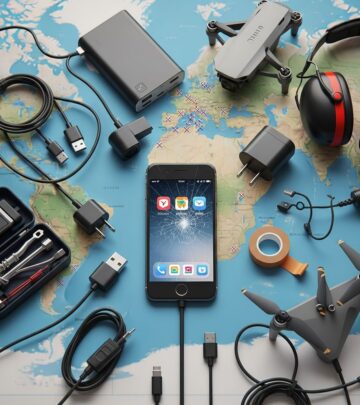
Smartphones and global roaming enable constant updates—sharing sunsets from Santorini or mishaps in Marrakech instantly. Yet, this hyper-connectivity blurs boundaries, sometimes diluting immersion as notifications intrude on presence.
Unlocking Secrets: Sourcing Local Tips
Tourist Information Centers (TICs) reigned as oracles, dispensing maps, event calendars, and insider scoops. Locals chatted freely, unmediated by screens.
Google Maps, TripAdvisor forums, and Reddit threads have supplanted many TICs, now dwindling amid budget cuts. AI assistants like ChatGPT synthesize crowd wisdom, while apps like Yelp pinpoint hole-in-the-wall eateries. Travelers blend these with serendipitous encounters for richer authenticity.
Broader Horizons: Sustainability and Solo Shifts
Environmental consciousness has surged. Past travelers guzzled single-use plastics; now, carbon calculators and eco-certifications guide choices. Slow travel—trains over planes—gains traction amid climate pledges.
Solo exploration, especially for women, flourishes with safety apps and women-only hostels. Apps track itineraries shared with contacts, while communities like Solo Traveler forums offer solidarity.
FAQs: Travel Then and Now
Has travel become cheaper overall?
Yes, relative to incomes. Long-haul flights cost similarly nominally but far less proportionally today.
How has technology changed planning?
From weeks of agent calls to seconds of app searches, enabling hyper-flexibility.
Is air travel safer now?
Undeniably, post-9/11 protocols reduced threats significantly.
What about guidebooks like Lonely Planet?
They’ve slimmed, favoring visuals and itineraries over dense logistics, as digital tools fill gaps.
Does constant connectivity enhance or detract?
It reassures families but can fragment mindful experiences.
Embracing the New Era
Travel’s metamorphosis reflects humanity’s ingenuity—trading innocence for empowerment. While romance fades for some rituals, unprecedented access invites deeper cultural dives. Whether chasing budget thrills or sustainable paths, the world awaits more inclusively than ever.
References
- Travel then and now: oh how you’ve changed — Lonely Planet. 2010-01-01. https://www.lonelyplanet.com/articles/travel-then-and-now-oh-how-youve-changed
- International Air Transport Association (IATA) Annual Review — IATA. 2025-06-01. https://www.iata.org/en/publications/annual-review/
- Transport Security Administration (TSA) History — U.S. Department of Homeland Security. 2024-09-11. https://www.tsa.gov/about/history
- ICAO Aviation Security Standards — International Civil Aviation Organization. 2023-12-01. https://www.icao.int/security/Pages/default.aspx
- The Long Decline of Lonely Planet — Business Insider. 2025-04-01. https://www.businessinsider.com/long-sad-decline-lonely-planet-america-coolest-travel-guide-2025-4
Similar Articles








Read full bio of medha deb