Ultimate Space Travel Spots on Earth
Discover the world's premier ground-based destinations for space enthusiasts, from launch sites to observatories offering cosmic wonders.
Space exploration captivates millions, but you don’t need a rocket to immerse yourself in its wonders. Earth hosts remarkable sites where history unfolds, telescopes pierce the cosmos, and launch pads echo with the roar of departure. This guide highlights premier destinations for space aficionados, blending educational exhibits, live launches, and breathtaking night skies. Whether chasing rocket blasts or peering at distant galaxies, these spots deliver unparalleled experiences.
Why Visit Space-Related Sites?
These locations offer more than sightseeing; they connect visitors to humanity’s stellar ambitions. Museums preserve artifacts like moon rocks and shuttles, while active cosmodromes provide front-row seats to modern missions. Observatories grant views of nebulae and planets, fostering a sense of cosmic scale. Families, students, and professionals alike find inspiration here, with tours, simulators, and star parties enhancing accessibility.
- Hands-on exhibits with real spacecraft components.
- Guided tours by astronomers and engineers.
- Seasonal events like meteor showers or rocket launches.
- Proximity to natural wonders for combined adventures.
Iconic Launch Facilities Worldwide
Nothing rivals the thrill of witnessing a liftoff. These active and historic sites have propelled satellites, humans, and probes into orbit.
Kennedy Space Center: Florida’s Rocket Gateway
Nestled on Cape Canaveral’s coast, this NASA hub birthed the Apollo program and Space Shuttle era. Visitors explore massive Saturn V rockets, touch lunar samples, and simulate launches in immersive theaters. The Apollo/Saturn V Center showcases the colossal hardware that reached the Moon, while bus tours approach active pads. Prime viewing spots for SpaceX and ULA missions draw crowds annually.
Open daily, tickets start at $75, with upgrades for astronaut encounters. Stay nearby for beach vibes post-tour.
Baikonur Cosmodrome: Kazakhstan’s Cosmic Frontier
The world’s first cosmodrome, operational since 1957, launched Sputnik and Yuri Gagarin. Remote in the Kazakh steppe, it hosts Soyuz flights to the ISS. Tours visit the Gagarin launch pad, assembly halls, and museums displaying Soviet relics. International visitors need visas and guided packages due to its isolation.
Expect multi-day trips with launch witnessing options, blending harsh landscapes with engineering marvels.
Jiuquan Satellite Launch Center: China’s Desert Powerhouse
In Gansu Province’s vast dunes, 1,500 km from Beijing, this facility dominates China’s space program. It deploys satellites and crewed missions via Long March rockets. Though restricted, select tours offer distant views of pads and control centers, highlighting China’s rise in space tech.
Combine with Silk Road history for a unique itinerary.
Tanegashima Space Center: Japan’s Island Launchpad
On a lush island south of Kyushu, JAXA’s center specializes in H-II rocket satellite deployments. Public access includes observatories and museums when not active. Trails overlook pads, and exhibits detail Japan’s space ambitions amid tropical scenery.
Ideal for hikers seeking serene cosmic pursuits.
Spaceport America: New Mexico’s Commercial Frontier
Home to Virgin Galactic, this futuristic facility in the desert promises suborbital joyrides. Tour the hangar, runway, and mission control; flights, though pricey at $450,000+, edge closer to reality. Architectural highlights include Foster + Partners’ undulating design.
Book ground tours now to prep for personal spaceflight.
Premier Observatories for Stargazing
Clear skies and massive scopes reveal the universe’s secrets at these elevated outposts.
Palomar Observatory: California’s Mountain Eye
In San Diego County’s mountains, the 200-inch Hale Telescope has discovered quasars and asteroids since 1948. Night tours let visitors peer through the iconic instrument, with exhibits on cosmic breakthroughs.
Day visits include hiking and historical insights.
Mauna Kea Summits: Hawaii’s Celestial Haven
At 13,796 feet on the Big Island, multiple world-class telescopes thrive under pristine conditions. Visitor centers at 9,200 feet offer guided sunset views and adaptive optics demos. Acclimatize properly for summit hikes revealing galactic cores.
Respect cultural protocols; twilight tours mesmerize.
McDonald Observatory: Texas Dark Skies
In West Texas’ Davis Mountains, Hobby-Eberly and Harlan J. Smith telescopes host star parties. Public nights feature expert talks and eyepiece views of planets and clusters.
Twice-monthly events draw avid amateurs.
Top Space Museums and Exhibits
Preserved history awaits in these artifact-rich halls.
| Museum | Location | Highlights | TripAdvisor Rating |
|---|---|---|---|
| Smithsonian Udvar-Hazy Center | Chantilly, VA | Discovery shuttle, IMAX, observation tower | 5/5 (1,328 reviews) |
| Pima Air & Space | Tucson, AZ | 400+ aircraft, space capsules | 4.5/5 (1,226 reviews) |
| Evergreen Aviation | McMinnville, OR | Spruce Goose, space flight gallery | 4.5/5 (487 reviews) |
| U.S. Space & Rocket Center | Huntsville, AL | Explorer I, Apollo modules | 4.5/5 (687 reviews) |
Lowell Observatory: Arizona’s Pluto Birthplace
In Flagstaff, where Pluto was found, historic domes house solar telescopes. Night programs reveal deep-sky objects amid ponderosa pines.
Perfect intro for budding astronomers.
Unique Cosmic Experiences
Beyond mainstream sites, quirky spots add flavor.
- Arecibo Legacy: Puerto Rico’s former giant dish scanned for aliens; site tours commemorate its radio astronomy feats.
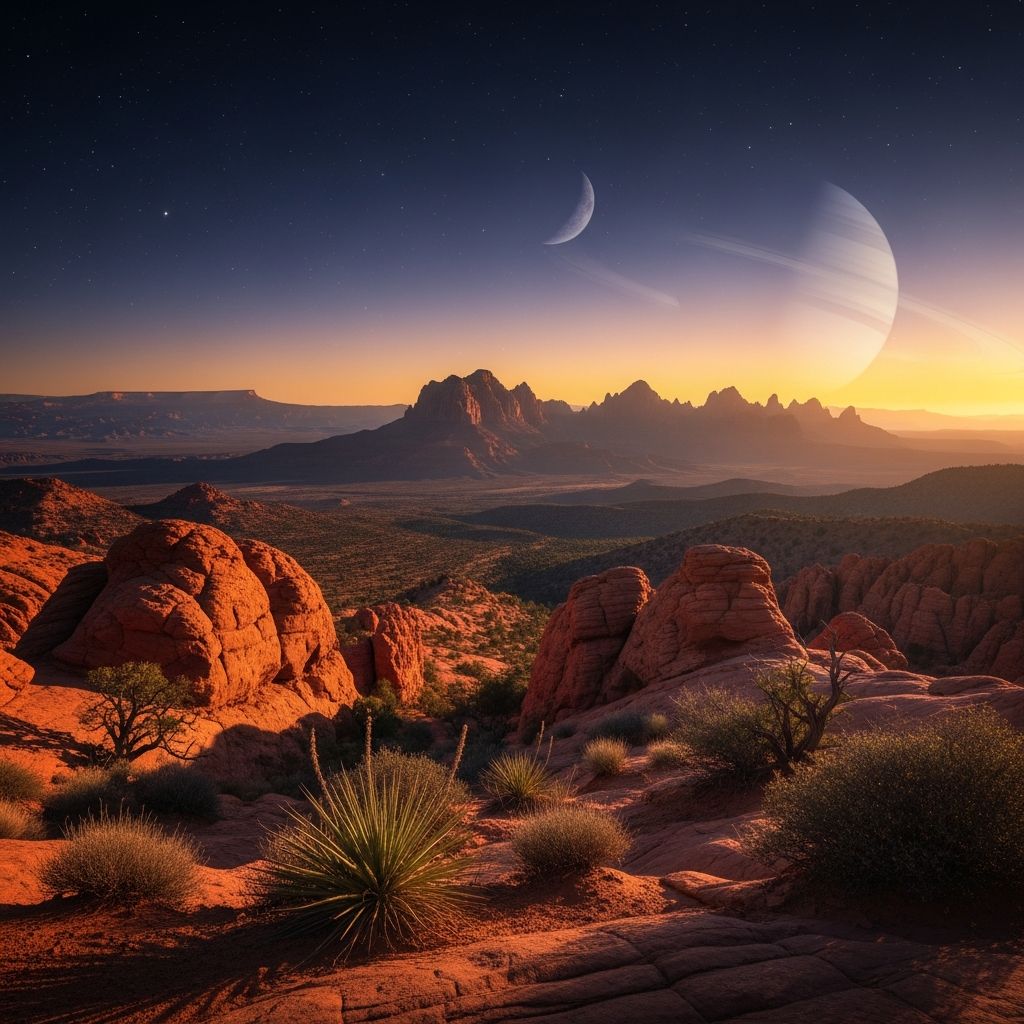
- Sedona Stargazing: Arizona’s red rocks frame vortex-guided tours of Milky Way expanses.
- UFO Museum: New Mexico’s Roswell dives into extraterrestrial lore with artifacts and witness accounts.
Planning Your Space Journey
Book launches months ahead; check weather for observatories. Pack layers for high altitudes, binoculars for skies. Budget $50–500 daily, plus premiums for flights.
Frequently Asked Questions
What’s the best time for Kennedy launches?
Align with NASA schedules; winter offers clearer views.
Are Baikonur tours safe?
Yes, via accredited operators; prepare for remoteness.
Can kids enjoy these sites?
Absolutely—interactive simulators engage all ages.
How to see stars at Mauna Kea?
Visitor center tours; summit requires 4WD and permits.
Future space tourism costs?
Suborbital: $200k–$450k; dropping with competition.
References
- Top 11 space travel destinations — Lonely Planet. 2023. https://www.lonelyplanet.com/articles/top-11-space-travel-destinations
- TRIPADVISOR COUNTS DOWN THE TOP 10 U.S. SPACE-THEMED ATTRACTIONS — MultiVu (TripAdvisor). 2016-07-20. http://www.multivu.com/players/English/70425530-tripadvisor-top-10-u-s-space-themed-attractions-apollo-11/
- 9 Stellar Out-of-This-World Attractions in the US — Viator. N/A. https://www.viator.com/blog/How-to-Visit-Outer-Space-Without-Leaving-Planet-Earth/l93640
- Top 10 Travel Destinations for An Astronomy Geek — Smithsonian Magazine. 2014-04-22. https://www.smithsonianmag.com/travel/best-places-see-stars-180949867/
Similar Articles








Read full bio of medha deb