
Unlocking Light’s Transformative Energy
Discover how light shapes health, productivity, and innovation through circadian rhythms, natural exposure, and cutting-edge tech.
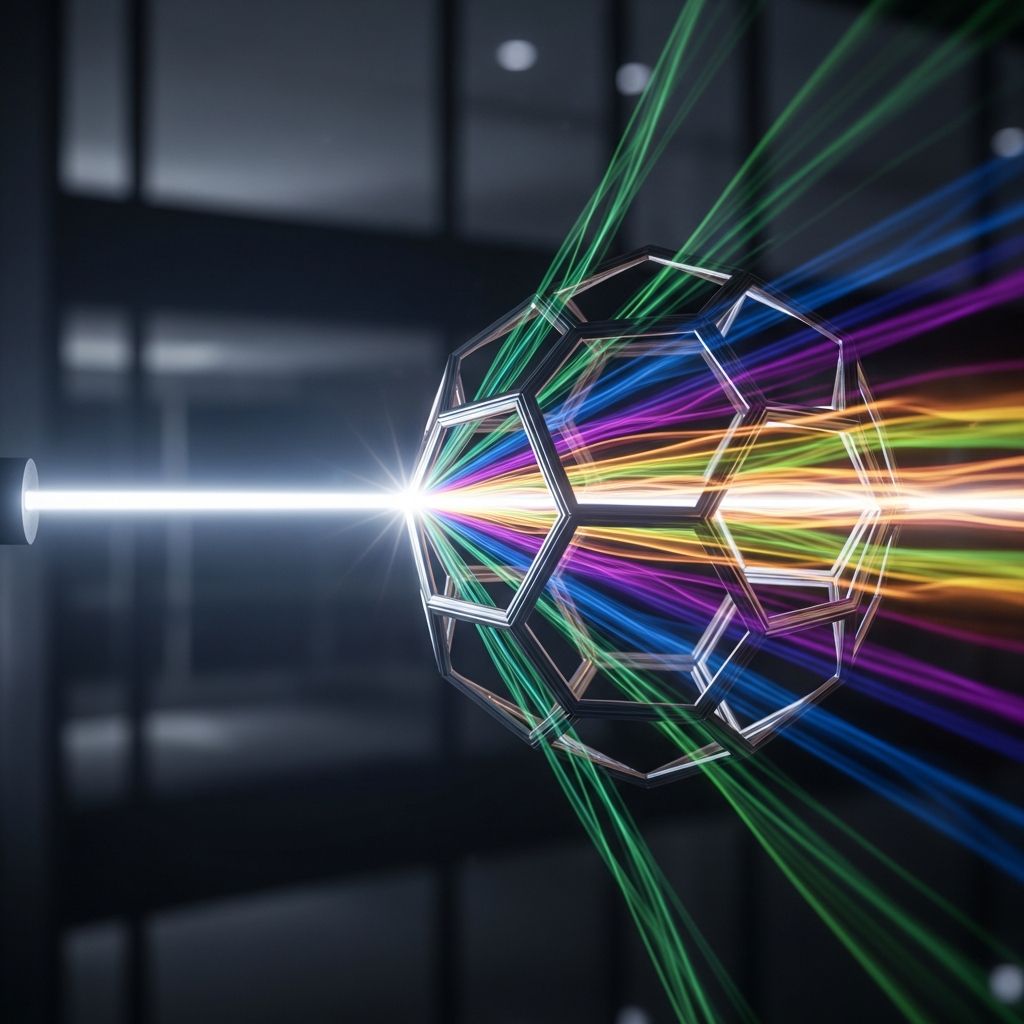
Light influences every aspect of human life, from regulating sleep cycles to boosting cognitive function and powering advanced technologies. By understanding its biological and physical properties, individuals and organizations can optimize environments for health and efficiency.
The Biological Foundations of Light Exposure
Human physiology relies heavily on light cues to synchronize internal clocks. The circadian rhythm, a 24-hour cycle governing alertness, hormone release, and rest, responds primarily to light wavelengths entering the eyes. Full-spectrum sunlight, particularly in the morning, activates pathways that enhance energy and mood.
Rods and cones in the retina detect light patterns, informing the brain about the environment while intrinsically photosensitive retinal ganglion cells (ipRGCs) regulate broader systemic responses like melatonin suppression. Disruptions from insufficient daylight or excessive evening artificial light lead to fatigue, impaired sleep, and reduced mitochondrial function in cells.
- Morning sunlight exposure: Triggers cortisol release for wakefulness and serotonin production for stable mood.
- Evening darkness: Promotes melatonin synthesis essential for deep sleep and cellular repair.
- Artificial light pitfalls: Blue wavelengths from screens mimic daylight, delaying sleep onset.
Optimizing Daily Light Patterns for Peak Performance
Aligning light exposure with natural cycles yields measurable gains in productivity and vitality. Studies show that 30 minutes of morning sunlight improves reaction times, alertness, and overall energy without caffeine reliance.
In workplaces, access to natural daylight correlates with higher employee satisfaction and lower absenteeism. Natural light regulates vitamin D synthesis, bolstering immunity, while serotonin boosts combat seasonal affective disorder (SAD).
| Time of Day | Ideal Light Strategy | Benefits |
|---|---|---|
| Morning (wake-up) | Full-spectrum sunlight or simulator | Energy surge, better focus |
| Daytime work | Daylight views, minimal blue filters | Enhanced cognition, mood stability |
| Evening (pre-bed) | Dim red/amber tones, no screens | Improved sleep quality |
Practical tools include blue-blocking glasses for evening use and blackout curtains to eliminate ambient glow, as even minimal light suppresses melatonin by up to 50%.
Health Impacts: From Sleep to Immunity
Chronic circadian misalignment from poor lighting contributes to metabolic disorders, weakened immunity, and mental health challenges. Proper light management strengthens mitochondria, the cellular energy producers, leading to sustained vitality.
In educational and healthcare settings, circadian lighting—mimicking natural day-night shifts—enhances learning outcomes and patient recovery. For instance, dynamic LED systems adjust color temperature, reducing SAD symptoms and improving rest.
- Vitamin D from UVB light prevents respiratory illnesses.
- Serotonin from daylight mitigates depression risk.
- Melatonin from darkness supports antioxidant defenses.
Workplace Innovations in Light Design
Modern offices prioritize light as a performance tool. Personal lighting controls allow adjustments for task-specific needs, boosting output by 10-20%. Daylight harvesting with sensors cuts energy use by 40-60% while maintaining illumination standards.
Biophilic design integrates views of nature and skylights, fostering creativity. Acoustic benefits arise from indirect lighting, minimizing glare and echoes in open spaces.
Beyond Biology: Technological Harnessing of Light
Photonics leverages light’s particle-wave duality for breakthroughs in computing and sensing. Photons, as electromagnetic packets, enable faster data transmission than electrons, revolutionizing processors.
Metamaterials, engineered structures, manipulate light for applications like high-resolution imaging and tunable color-changing chips. These promise energy-efficient telecom networks and compact storage.
In daily tech, smartphone cameras and LiDAR sensors use photonic principles for precision detection, enhancing safety in autonomous vehicles.
Practical Strategies for Everyday Implementation
Incorporate these steps for immediate benefits:
- Start days outdoors or near windows for 20-30 minutes.
- Use apps to schedule screen dimming post-sunset.
- Install smart bulbs mimicking sunrise/sunset cycles.
- Opt for full-spectrum desk lamps in low-light seasons.
- Prioritize dark sleep environments with masks and covers.
For buildings, daylight modeling software optimizes window placement, balancing heat gain with illumination.
Challenges and Future Directions
Urbanization limits natural light access, amplifying artificial sources’ risks. Solutions include policy-driven circadian standards in public spaces and affordable photonics for homes.
Emerging research explores skin’s photosensitivity, suggesting whole-body light therapies for broader health gains.
Frequently Asked Questions
What is the best morning light routine?
Expose eyes to bright outdoor light within 30 minutes of waking, avoiding direct sun gaze. This aligns circadian rhythms for all-day energy.
Are blue light glasses necessary?
Useful evenings to block device emissions; daytime natural blue enhances alertness if not excessive.
How does light affect productivity?
Natural light boosts serotonin and vitamin D, reducing fatigue and errors by supporting circadian health.
Can artificial lights replicate sunlight?
Full-spectrum LEDs approximate benefits, especially for SAD, but lack UVB for vitamin D.
What are photonics applications in daily life?
From fiber optics to sensors in cars and phones, photonics enables high-speed, efficient tech.
References
- The power of light to change your mind — PHOS. 2023. https://www.phos.co.uk/blogs/the-power-of-light-to-change-your-mind
- Harness the Power of Light: Boost Your Energy and Productivity Naturally — Anne Trager. 2023. https://www.annetrager.com/everyday-biohacking-be-more/using-light-the-right-way-for-more-energy
- Harnessing the Power of Light for Health. The Science of Circadian Lighting — NIDE Talks (YouTube). 2023. https://www.youtube.com/watch?v=Traay-L3Q2E
- Photonics: Harnessing The Power of Light — SemiEngineering. 2023. https://semiengineering.com/photonics-harnessing-the-power-of-light/
- Scientists design new material to harness power of light — Phys.org. 2018-12-19. https://phys.org/news/2018-12-scientists-material-harness-power.html
- Harnessing the Power of Natural Light — Work Design Magazine. 2017-05-01. https://www.workdesign.com/2017/05/harnessing-power-natural-light/
- Harnessing the Power of Light — Haworth. 2021. https://www.haworth.com/na/en/spark/articles/2021/q4/harnessing-the-power-of-light.html
Similar Articles








Read full bio of medha deb