Unveiling Cartagena
Journey into Colombia's coastal gem where colonial history meets vibrant street life and pristine beaches await discovery.
Unveiling Cartagena: Colombia’s Caribbean Crown Jewel
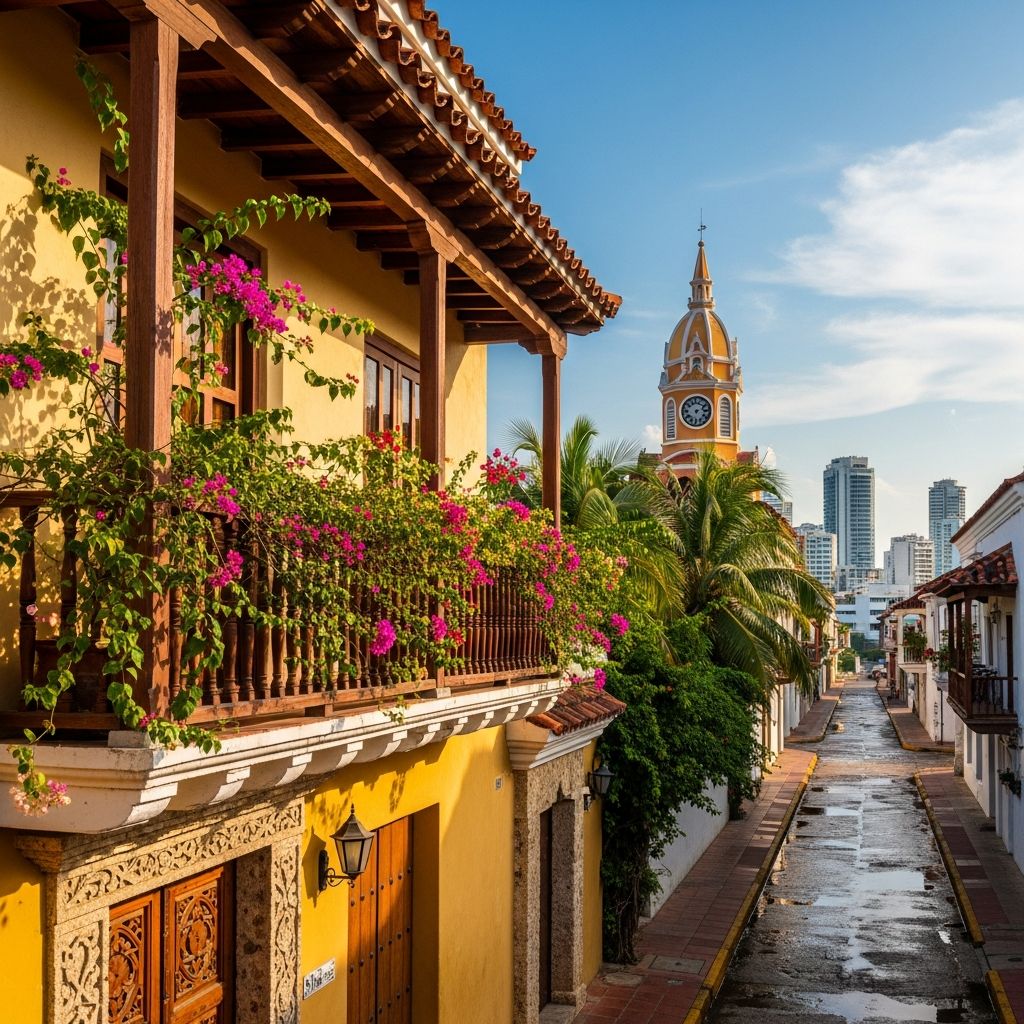
Cartagena de Indias stands as a mesmerizing fusion of Spanish colonial legacy, Afro-Caribbean rhythms, and tropical allure on Colombia’s northern coast. This port city, once a pivotal hub in the colonial trade routes, now captivates visitors with its pastel-hued facades, fortified walls, and pulsating modern culture. Whether wandering labyrinthine alleys or lounging on sun-kissed shores, Cartagena offers an immersive escape that blends history, art, gastronomy, and adventure.
Historical Foundations: From Pirate Haven to UNESCO Treasure
The city’s story begins in the 16th century when Spanish conquistadors established it as a key outpost for shipping gold and silver to Europe. To fend off notorious pirates like Francis Drake, authorities erected massive stone walls encircling the urban core, a feat completed over centuries and now recognized as a UNESCO World Heritage Site. These fortifications, stretching up to 11 kilometers, symbolize resilience amid turbulent times.
Inside the walls, districts like El Centro and San Diego preserve ornate mansions with flower-draped balconies, convents turned boutique hotels, and plazas buzzing with activity. Key landmarks include the towering Clock Tower gateway and Plaza Santo Domingo, where a bronze statue of the Virgin Mary is said to grant wishes to those who rub her right foot. Beyond preservation, these sites pulse with contemporary life—cafes spill onto sidewalks, and horse-drawn carriages offer romantic tours at dusk.
Getsemaní: The Beating Heart of Street Art and Nightlife
Just beyond the walls lies Getsemaní, a neighborhood that contrasts the old city’s polished elegance with raw, creative energy. Famous for its murals splashed across every surface, Getsemaní serves as an open-air canvas reflecting social commentary, local legends, and Afro-Colombian pride. Iconic pieces by artists like Yeigo and Chota13 transform humble walls into vibrant storytelling mediums.
Daytime reveals family-run eateries dishing out fresh ceviche and empanadas, while evenings ignite with salsa clubs and rooftop bars. Spots like Café Havana draw crowds for live bands and mojito-fueled dancing, embodying the champeta rhythm unique to the coast. This area’s affordability and authenticity make it ideal for immersive stays, with hostels and guesthouses blending into the artistic chaos.
Iconic Fortresses and Panoramic Vistas
No visit is complete without ascending to Castillo San Felipe de Barajas, the largest Spanish fortress in the Americas, built in 1639 atop San Lázaro Hill. Its labyrinth of tunnels, ramparts, and cannon batteries offer sweeping views of the city and sea. Arrive early to avoid crowds and explore self-guided, imagining battles that shaped the nation’s defenses.
Nearby, the forts of San Fernando de Bocachica and San José guard the bay’s entrance, accessible by boat for a full historical circuit. These sites not only educate on military architecture but provide photogenic backdrops and shaded paths perfect for hot afternoons.
Culinary Delights: Savoring Coastal Flavors
Cartagena’s cuisine fuses indigenous, African, and Spanish roots into seafood-centric feasts. Fresh catches like mero (grouper) grilled with coconut rice or cazuela—a creamy seafood stew—highlight market-fresh ingredients. Street vendors hawk arepas stuffed with cheese and chorizo, while upscale spots elevate ceviches with tropical fruits.
For an interactive experience, join a cooking class to master patacones (fried plantains) or learn to blend ají peppers into salsas. Coffee lovers should seek out cafés like those brewing single-origin beans from Colombia’s highlands, paired with enyucado—a cassava cake with cheese. Don’t miss Mercado de Bazurto for a chaotic dive into local produce, spices, and offal stalls that fuel daily life.
| Dish | Description | Where to Try |
|---|---|---|
| Ceviche Cartagenero | Lime-marinated fish with coconut milk | Street stalls in Getsemaní |
| Berenjena Rellena | Stuffed eggplant with beef and plantains | La Cevicheria |
| Carimañola | Yuca fritters filled with meat | Markets or bakeries |
| Sancocho | Hearty soup with multiple meats and roots | Home-style eateries |
Beach Escapes and Island Adventures
While urban beaches like Bocagrande offer convenience with high-rises and promenades, true paradise lies offshore at the Rosario Islands. This archipelago, 45 minutes by speedboat, features coral reefs teeming with fish, ideal for snorkeling or paddleboarding. Playa Blanca on Barú Island dazzles with powdery sands and turquoise waters, though arrive via catamaran tours for eco-friendly access and lunch included.
These protected marine parks emphasize conservation, with operators providing gear and guides. For seclusion, opt for private cays or overwater bungalows, blending relaxation with marine life encounters.
Practical Planning: Best Times, Stays, and Getting Around
Cartagena’s tropical climate means year-round warmth, peaking December to March in dry season for optimal exploring. Shoulder months like May or November balance fewer crowds with manageable rain. Stay in the walled city for luxury conversions like Casa Pestagua or Getsemaní for vibrant hostels.
- Budget: $50-100/night in shared spots
- Mid-range: $100-250 in boutique hotels
- Luxury: $300+ in restored mansions
Navigate via colorful buses called ‘chivas,’ taxis (negotiate fares), or Uber. Walking dominates the compact historic core, but wear comfy shoes for uneven cobblestones.
Evening Vibes: Sunsets, Salsa, and Rooftops
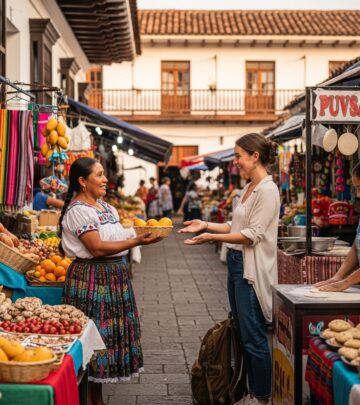
As day fades, perch at Café del Mar atop the walls for sunset cocktails overlooking the bay. Transition to salsa lessons or live sets in plazas, where locals teach fluid steps. Rooftop pools at hotels like Movich House provide skyline views, while palenqueras—fruit sellers in traditional dress—add color to the scene.
Day Trips and Hidden Gems
Venture to Totó la Maravilla, a mangrove village for birdwatching, or Volcán de Lodo El Totumo for a quirky mud bath volcano soak. Inland, the Tayrona National Park offers jungle treks to secluded beaches, a longer but rewarding contrast to urban Cartagena.
Frequently Asked Questions
Is Cartagena safe for tourists?
Yes, especially in tourist zones like the walled city and Getsemani. Stick to well-lit areas at night, use licensed transport, and avoid flashing valuables.
How many days do I need in Cartagena?
3-5 days cover essentials, plus a day trip to islands. Extend for deeper dives into culture and beaches.
Best time to visit?
Dry season (Dec-Mar) for sun; wet months (Apr-Nov) for deals and lush scenery.
What to pack for Cartagena?
Light clothes, sunscreen, hat, reusable water bottle, rain jacket, and modest attire for churches.
Vegetarian options in Cartagena?
Abundant: patacones, fruit salads, lentil soups, and veggie ceviches at markets and cafes.
Shopping and Local Crafts
Boutiques in the walled city showcase designers like Silvia Tcherassi for embroidered dresses and Mercedes Salazar for sandals. Hunt artisanal candles at Loto del Sur or ceramics in San Diego. Bazurto Market overflows with hammocks, hats, and emeralds—bargain politely for deals.
References
- Cartagena Travel Guide | Best Things to Do & Visit — Metropolitan Touring. 2023. https://www.metropolitan-touring.com/colombia/places/cartagena/
- The Ultimate Cartagena Travel Guide — Bon Traveler. 2023. https://www.bontraveler.com/cartagena-travel-guide/
- The best things to do in Cartagena, Colombia — Oops I Booked Again. 2023. https://www.oopsibookedagain.com/blog/best-things-to-do-in-cartagena-colombia
- Cartagena Colombia Travel Guide — Blonde Atlas. 2023. https://www.blondeatlas.com/blog-1/cartagena-colombia-travel-guide
- Cartagena, Colombia Travel Guide: Epic Things To Do and See — Eileen Ivette. 2023. https://eileenivette.com/caratgena-colombia-travel-guide-things-to-do/
Similar Articles






Read full bio of Sneha Tete