US Travel Bans 2026: Complete Guide To Restrictions, Exemptions
Navigate the latest US entry restrictions effective January 2026 with this comprehensive breakdown of affected countries, exemptions, and planning tips.
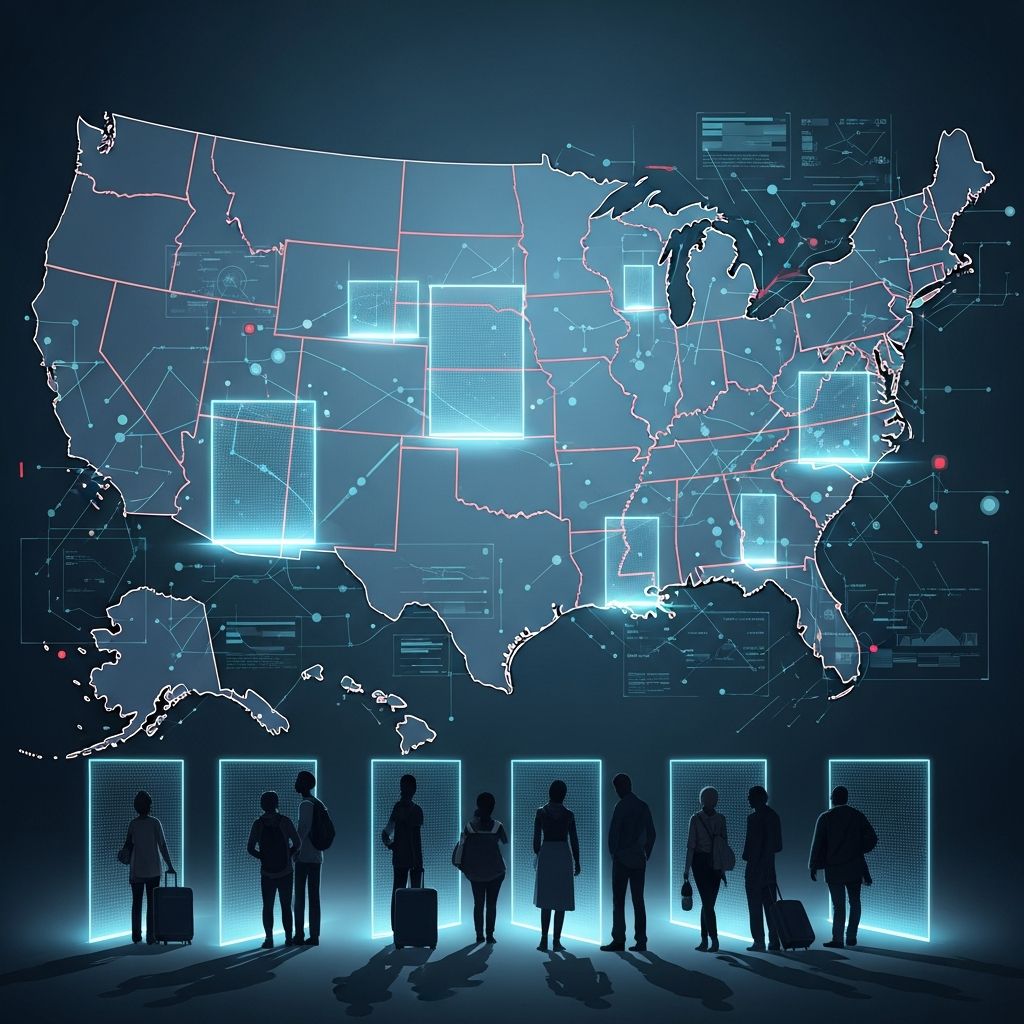
The United States implemented sweeping travel restrictions on January 1, 2026, targeting nationals from 39 countries to address national security concerns related to inadequate vetting processes abroad. These measures, outlined in Presidential Proclamation 10998, expand prior policies and suspend visa issuance for both immigrant and nonimmigrant categories in many cases. This guide provides an in-depth analysis of the bans, exemptions, and practical steps for compliance.
Background and Rationale Behind the 2026 Expansion
Issued on December 16, 2025, the proclamation builds on a June 2025 executive order, doubling the number of affected nations from 19 to 39. The core justification centers on protecting US security by limiting entry from countries with deficient identity-management, information-sharing, and screening capabilities. Officials determined these gaps pose risks to public safety, prompting full or partial entry suspensions.
Prior to this, restrictions focused on fewer nations, but ongoing reviews identified additional high-risk profiles. The policy introduces a continuous evaluation mechanism, allowing future adjustments based on compliance improvements or emerging threats. Unlike earlier versions, this iteration eliminates certain family and humanitarian visa exemptions, broadening its scope significantly.
Countries Facing Full Entry Prohibitions
Nationals from 19 designated countries face a complete bar on both immigrant and nonimmigrant visas, preventing new issuances after December 31, 2025. This full suspension applies to individuals outside the US without a valid visa on the effective date.
- Afghanistan
- Burma (Myanmar)
- Burkina Faso
- Chad
- Republic of the Congo
- Equatorial Guinea
- Eritrea
- Haiti
- Iran
- Laos
- Libya
- Mali
- Niger
- Sierra Leone
- Somalia
- South Sudan
- Sudan
- Syria
- Yemen
Additionally, holders of travel documents issued by the Palestinian Authority are included in this full ban category. Recent additions like Burkina Faso, Laos, Mali, Niger, Sierra Leone, South Sudan, and Syria escalate the impact from previous partial measures.
Partial Restrictions: Limited Visa Categories Affected
For another 19 countries, restrictions target specific nonimmigrant visas, notably student (F), exchange visitor (J), and certain employment categories. Immigrant visas remain available, but affected travelers face heightened scrutiny.
- Angola
- Antigua and Barbuda
- Benin
- Burundi
- Côte d’Ivoire
- Cuba
- Dominica
- Gabon
- The Gambia
- Malawi
- Mauritania
- Nigeria
- Senegal
- Tanzania
- Togo
- Tonga
- Turkmenistan (immigrant visas only)
- Venezuela
- Zambia
- Zimbabwe
These partial bans prioritize security vetting failures while permitting some travel pathways. Nationals must verify eligibility before applying.
Key Exemptions and Who Can Still Enter
Not all individuals from listed countries are barred. Several exemptions preserve access for qualified applicants.
| Exemption Category | Details |
|---|---|
| Lawful Permanent Residents | Green card holders are fully exempt, regardless of nationality. |
| Dual Nationals | Travel using a passport from a non-designated country. |
| Valid Visa Holders | Pre-existing visas issued before January 1, 2026, remain valid and unrevoked. |
| Current US Presence | Individuals inside the US on effective date are unaffected. |
| Diplomats and Officials | Certain diplomats, government employees, and World Cup participants (with relatives). |
| Persecuted Minorities | Specific groups from Iran facing ethnic/religious threats. |
Critically, prior exemptions for immediate relatives of US citizens, adoptions, and Afghan Special Immigrant Visas have been revoked, disrupting family reunifications and humanitarian programs.
Visa Waivers and Case-by-Case Reviews
Discretionary waivers exist for entries deemed in the US national interest, decided by the Secretary of State. Applicants must demonstrate compelling reasons, such as critical skills or humanitarian needs, though approvals are rare and unpredictable. Expect rigorous documentation and interviews.
Impacts on Students, Workers, and Families
Students and Exchange Visitors: F and J visa bans hit partial restriction countries hardest, forcing many to seek alternatives or defer programs. Universities urge current students to return before deadlines.
Employment and Business Travel: H, L, and other work visas face blocks in full ban nations, complicating hiring. Employers should consult counsel for petition strategies.
Family Immigration: Loss of immediate relative exemptions delays spouses, children, and parents. Adoption processes grind to a halt for affected nationalities.
Overall, these changes reshape global mobility, with ripple effects on US institutions reliant on international talent.
Practical Advice for Affected Travelers
To minimize disruptions:
- Return Promptly: If in the US, re-enter before January 1, 2026, to avoid stranding.
- Verify Visa Status: Confirm validity and category eligibility via official channels.
- Avoid Unnecessary Travel: Nationals from full ban countries should postpone international trips.
- Seek Legal Guidance: Immigration attorneys can assess waiver prospects or dual nationality options.
- Monitor Updates: Policies may evolve through reviews; check State Department resources regularly.
Travelers with valid visas may encounter enhanced screening at ports, so prepare for delays.
Future Outlook and Policy Reviews
The proclamation mandates periodic assessments of foreign governments’ vetting improvements. Countries demonstrating enhanced capabilities could see restrictions lifted or modified. However, security priorities suggest persistence absent major reforms. Legal challenges may arise, as with past iterations upheld by courts.
Frequently Asked Questions (FAQs)
Will my existing US visa be canceled?
No, visas issued before January 1, 2026, remain valid.
Can I apply for a new visa if I’m from a full ban country?
Generally no, except via rare waivers or exemptions.
Does this affect green card holders?
No, lawful permanent residents are exempt.
What about dual citizens?
Use your non-designated passport to travel.
Are there exceptions for students?
No for full bans; limited in partial ones.
How long will these bans last?
Indefinite, subject to ongoing reviews.
This FAQ section addresses common concerns based on official proclamations.
References
- White House Expands Travel Ban to Take Effect January 1, 2026 — Fredrikson & Byron P.A. 2025-12-16. https://www.fredlaw.com/alert-white-house-expands-travel-ban-to-take-effect-january-1-2026
- New Travel Restrictions for Entry to the U.S. Effective January 1, 2026 — George Washington University International Services. 2025-12. https://internationalservices.gwu.edu/new-travel-restrictions-entry-us-effective-january-1-2026
- Expanded Travel Ban – Effective January 1, 2026 — Potomac Law Group. 2025-12. https://www.potomaclaw.com/news-Expanded-Travel-Ban-Effective-January-1-2026
- Guidance on 2026 Travel Restrictions — Washington University OISS. 2025-12. https://oiss.washu.edu/travel-restrictions/
- Suspension of Visa Issuance to Foreign Nationals — US Department of State. 2025-12-19. https://travel.state.gov/content/travel/en/News/visas-news/suspension-of-visa-issuance-to-foreign-nationals-to-protect-the-security-of-the-united-states.html
Similar Articles








Read full bio of medha deb