
Wellness Meals Delivered To Your Hotel Door: 2025 Guide
Discover how hotels are transforming guest stays with nutritious, personalized meal deliveries that prioritize health without compromising on flavor or convenience.
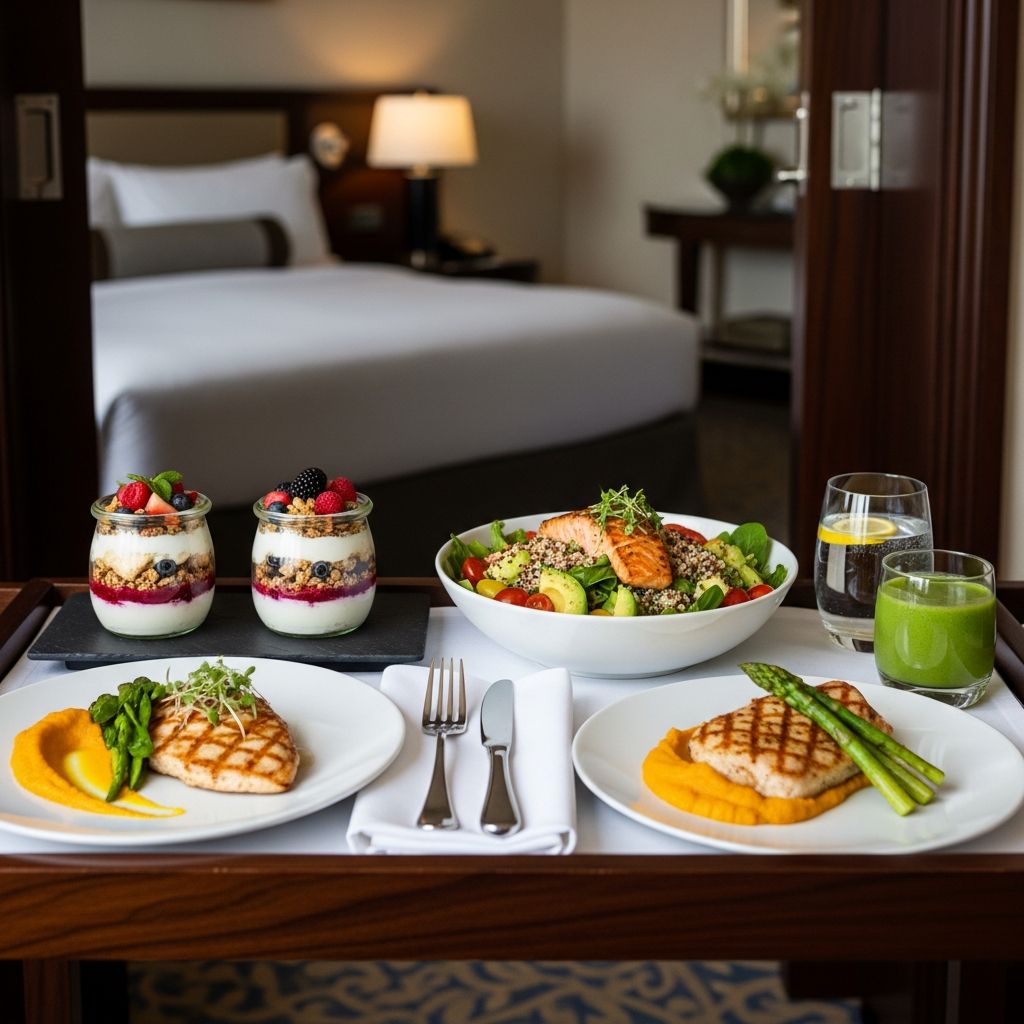
In today’s fast-paced travel world, hotels are stepping up their game by offering meal delivery services that emphasize wellness. These services provide nutritious, flavorful options straight to your room, catering to health-conscious guests seeking balance amid their journeys. This shift reflects broader trends where food becomes a pillar of well-being in hospitality.
The Growing Demand for Health-Focused Hotel Dining
Travelers increasingly prioritize vitality through food, viewing meals as fuel for both body and mind. Busy lifestyles and heightened health awareness drive demand for convenient yet nourishing options. Hotels respond by integrating nutrient-dense ingredients like superfoods and adaptogens into their offerings.
Once limited to basic room service, hotel dining now features plant-rich dishes, gut-friendly choices, and low-alcohol alternatives. By the end of 2026, many properties aim for at least 25% plant-forward menus, with some already surpassing 50%. This evolution moves away from restrictive diets toward enjoyable, positive eating experiences.
Key Innovations in Hotel Wellness Meal Delivery
Technology and culinary expertise are revolutionizing how hotels deliver wellness meals. AI-driven personalization analyzes guest preferences and health data to suggest tailored plans, making nutrition accessible and precise. One-click ordering via apps streamlines the process, often linked to loyalty programs for seamless experiences.
- AI-Powered Personalization: Algorithms craft meal suggestions based on dietary needs, such as vegan or low-carb, enhancing satisfaction.
- Sustainable Sourcing: Emphasis on organic, local ingredients reduces environmental impact while boosting nutritional value.
- Functional Ingredients: Menus incorporate adaptogens like ginseng and medicinal mushrooms for sustained energy.
These features ensure meals support long-term health without sacrificing taste, appealing to a wide range of guests from flexitarians to those with specific restrictions.
Plant-Forward Menus: The New Standard
Plants are taking center stage in hotel kitchens, forming the base of balanced plates with fiber, protein, and healthy fats. This approach rejects outdated notions of ‘rabbit food,’ instead celebrating vibrant, delicious dishes that nourish holistically.
Expect options like quinoa bowls with fermented veggies for gut health or adaptogen-infused smoothies. Hotels train chefs through prestigious programs to master these creations, ensuring quality rivals traditional fine dining. Guest feedback loops refine offerings, promoting transparency via QR codes detailing nutrition and sourcing.
Personalized Nutrition: Tailoring Meals to You
Hyper-personalization is a game-changer, with data analytics creating bespoke meal plans. Services cater to keto, paleo, gluten-free, and more, using apps for easy customization. Integration with fitness trackers or health apps further refines suggestions, turning room service into a wellness partner.
| Dietary Need | Example Hotel Meal | Key Benefits |
|---|---|---|
| Plant-Based | Chickpea curry with turmeric rice | High fiber, anti-inflammatory |
| Keto | Avocado salmon salad | Low-carb, omega-3 rich |
| Gut-Friendly | Kefir parfait with berries | Probiotics for digestion |
| Low-Alcohol | Adaptogen mocktail | Stress relief without depletion |
This table illustrates how hotels adapt deliveries to diverse needs, fostering inclusivity.
Sustainability Meets Wellness in Delivery
Eco-conscious practices define modern services, from biodegradable packaging to locally sourced produce. These efforts minimize carbon footprints while delivering fresh, potent nutrients. Guests appreciate traceability, often verified through blockchain for authenticity.
Meal kits emerge as experiential alternatives, allowing DIY assembly with provided instructions. This engages guests actively, blending convenience with creativity.
Overcoming Challenges in Wellness Delivery
While promising, implementing these services requires overcoming hurdles like supply chain logistics and chef training. Hotels combat ‘healthy food stigma’ by proving demand through sales data—health options now form revenue streams. Partnerships with nutritionists ensure credibility and appeal.
Market projections underscore viability: meal delivery sectors, including hospitality, eye $40 billion by 2033, propelled by wellness trends.
Global Examples of Wellness Meal Pioneers
Around the world, hotels lead with innovative programs. Properties in urban hubs offer AI-curated boxes with superfood snacks, while resorts provide longevity-focused kits with adaptogens. In-room menus highlight no-additive grabs, from nut butters to herbal teas.
These initiatives yield returns: happier guests, repeat visits, and premium pricing for specialized options.
Tips for Hotels to Excel in Wellness Delivery
- Collaborate with culinary institutes for staff upskilling.
- Deploy digital menus with nutritional breakdowns.
- Gather real-time feedback to iterate offerings.
- Prioritize diverse, inclusive options.
- Integrate with wellness apps for holistic experiences.
Benefits for Travelers Embracing These Services
For guests, these deliveries mean sustained energy, better sleep, and aligned routines despite travel disruptions. Nutrient-dense meals combat jet lag, while personalization respects individual goals. Studies affirm meal kits as healthier than takeout, supporting this trend.
Future Outlook: What’s Next for Hotel Wellness Meals
Expect deeper tech integration, like VR cooking demos or predictive ordering. Expansion into underserved markets and hybrid grocery-meal services will broaden access. Wellness dining solidifies as hospitality’s cornerstone, blending pleasure with health.
Frequently Asked Questions (FAQs)
Are hotel wellness meals actually tasty?
Yes, trained chefs prioritize flavor using premium ingredients, debunking bland stereotypes.
How do I order personalized meals?
Use hotel apps or QR codes to input preferences; AI suggests options instantly.
What’s the environmental impact?
Services emphasize sustainable packaging and local sourcing to reduce waste.
Do these cater to allergies?
Absolutely, with specialized filters for gluten-free, nut-free, and more.
Is this available at budget hotels?
Increasingly yes, as wellness trends permeate all tiers.
References
- The Rise of Wellness Dining in Hospitality — Accor Group. 2024. https://group.accor.com/en/news-stories/the-rise-of-wellness-dining-in-hospitality-trend
- How Food Well-being Is Changing Hospitality: 6 Key Trends Explained — EHL Hospitality Insights. 2024. https://hospitalityinsights.ehl.edu/food-and-well-being-hospitality
- Healthy Foods as a Wellness Trend for Any Hotel — HotelMogel. 2023. https://hotelmogel.com/healthy-foods-as-a-wellness-trend-for-any-hotel/
- Emerging Meal Delivery Service Trends and Opportunities — Data Insights Market. 2025. https://www.datainsightsmarket.com/reports/meal-delivery-service-1945507
- From Adaptogens to Longevity: The Hospitality Trends Redefining Wellness — Thiel and Team. 2024. https://thielandteam.com/insights/blog/from-adaptogens-to-longevity-the-hospitality-trends-redefining-wellness/
- How Health and Wellness Are Impacting the Foodservice Industry — US Foods. 2024. https://www.usfoods.com/tools-tips-and-ideas/articles-and-publications/articles/how-health-wellness-are-impacting-the-foodservice-industry
- New Dietary Trends—Meal Kit Delivery Services as a Source of … — PMC (PubMed Central). 2024. https://pmc.ncbi.nlm.nih.gov/articles/PMC11990246/
Similar Articles








Read full bio of Sneha Tete