Westminster Dog Show Photography: Expert Techniques & Tips
Exploring the art of photographing the world's most prestigious dog competition.
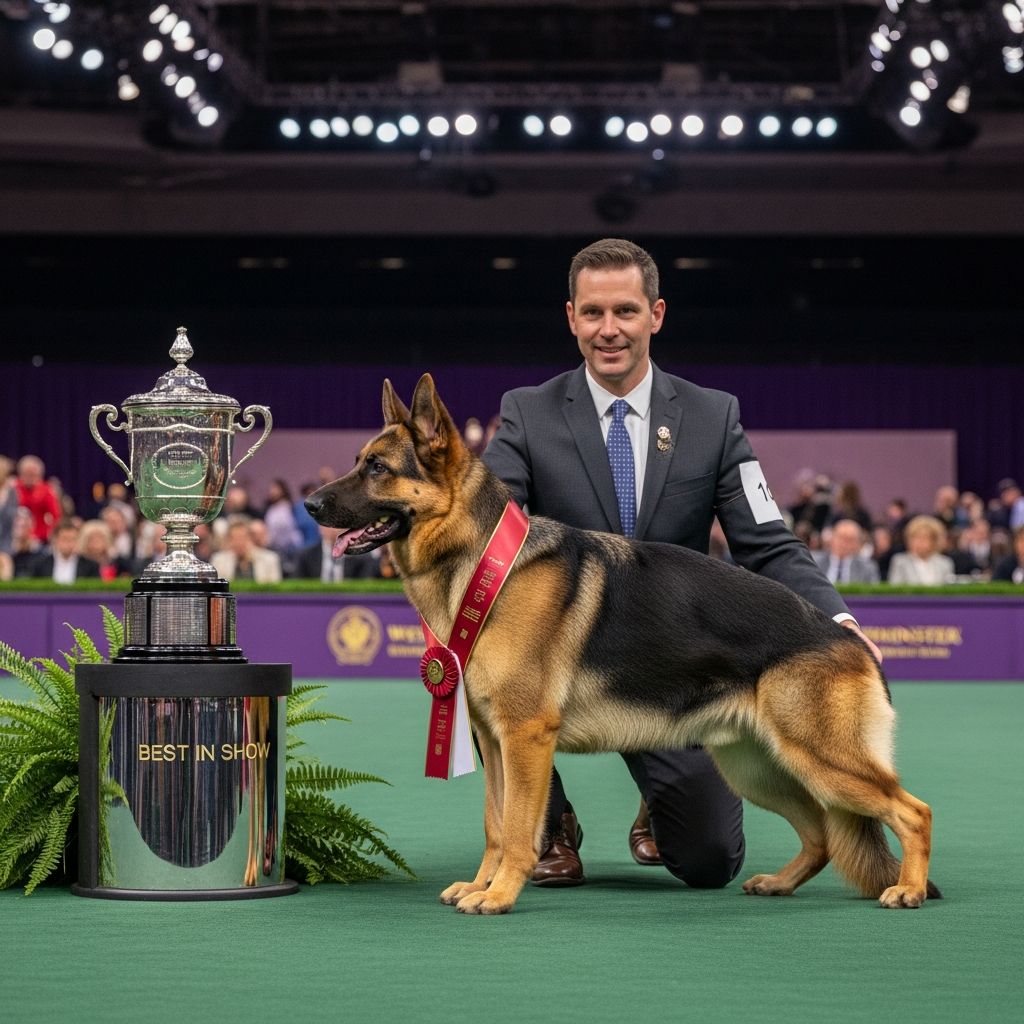
The Westminster Kennel Club Dog Show stands as one of the most celebrated canine competitions globally, drawing photographers from across the world to document moments of pure pedigree perfection. Beyond the spectacle of well-groomed breeds parading across judges’ tables, there exists a sophisticated art form: the photography of these magnificent animals at their finest. Photographers who work at Westminster face unique technical and emotional challenges as they attempt to freeze moments of beauty, discipline, and the unspoken bond between handlers and their four-legged charges.
The Legacy of Westminster Through the Lens
Westminster’s history spans over 150 years, making it one of the longest continuously held sporting events in the United States. This longevity has cultivated a rich visual tradition where photography plays a crucial role in documenting the show’s evolution and celebrating the extraordinary diversity of dog breeds. Photographers working at Westminster become chroniclers of canine history, capturing not just individual moments but the cultural significance of selective breeding, handler dedication, and the pursuit of breed standards.
The photographic documentation of Westminster has evolved significantly since the show’s inception. Early photographers worked with limited equipment and natural lighting, creating stark, formal portraits that emphasized the structural qualities judges sought. Today’s photographers employ advanced digital technology while maintaining the classical aesthetic that has defined Westminster imagery for generations. This blend of tradition and innovation creates a visual archive that appeals to breed enthusiasts, casual dog lovers, and fine art photography collectors alike.
Technical Challenges in Competitive Dog Photography
Photographing dogs at Westminster presents distinctive technical obstacles that distinguish it from general pet photography:
- Unpredictable Movement: Despite their training, dogs remain living subjects prone to sudden movements, head turns, and attention shifts. Photographers must anticipate these moments rather than react to them, requiring exceptional timing and an understanding of canine behavior patterns.
- Lighting Conditions: Westminster venues feature variable lighting environments, from bright exhibition hall fluorescents to shadowed corners where handlers wait with their charges. Photographers must adapt equipment and techniques to maintain consistent image quality across different spatial zones.
- Coat Texture and Color: Different breed coats reflect and absorb light in distinct ways. White-coated breeds like Samoyeds require careful exposure metering to avoid blown highlights, while black-coated breeds demand techniques that preserve detail in shadow areas. Long-haired breeds present entirely different reflectance patterns than short-coated varieties.
- Handler Positioning: Capturing the dog while minimizing or elegantly incorporating the handler requires compositional sophistication. Photographers must work around leashes, handler attire, and positioning while maintaining focus on the canine subject.
- Eye Contact and Expression: A dog’s eyes represent the emotional core of any portrait. Achieving sharp focus on the eyes while managing depth of field across the animal’s body demands precision in focus point selection and aperture management.
The Emotional Dimension of Westminster Photography
Beyond technical proficiency, photographers working at Westminster navigate complex emotional terrain. These are not ordinary pets; they represent years of dedicated breeding, handler commitment, veterinary care, and often substantial financial investment. Each dog embodies the specialized knowledge and aesthetic preferences of their breed community.
Photographers have reported experiencing unexpected emotional responses while documenting the competition. The intensity of handler preparation, the visible nervousness before judging, and the genuine elation or disappointment following results create a charged emotional environment. This atmosphere demands that photographers maintain professional objectivity while remaining sensitively attuned to the human drama unfolding around them. Some photographers describe feelings of guilt while capturing vulnerable moments—the focused concentration of a handler, the uncertainty in a dog’s expression before entering the ring, or the exhaustion after hours of showing.
Compositional Strategies for Breed Documentation
Effective Westminster photography employs compositional approaches specifically suited to documenting dogs for a breed-savvy audience:
- Profile and Three-Quarter Angles: These angles best reveal the structural qualities that breed judges evaluate, including angulation, topline, and overall conformation. Photographers position themselves to showcase these critical elements.
- Environmental Context: While tight portraits dominate, environmental shots that show dogs within the Westminster venue create narrative depth. These images communicate the grandeur of the competition and the formality of the event.
- Detail Emphasis: Close-up photography of specific breed features—the set of ears, the texture of coat, distinctive markings—serves breed enthusiasts and educational purposes.
- Handler Integration: Rather than eliminating handlers, skilled photographers incorporate them to tell complete stories. An experienced handler’s posture and demeanor often reveal breed characteristics and the partnership between human and animal.
- Motion and Stillness Balance: While posed portraits represent the show’s formal aspect, capturing dogs in motion—trotting across the venue, entering the ring—provides dynamic visual contrast.
Equipment and Technical Preparation
Photographers preparing for Westminster coverage plan equipment strategies carefully. Professional-grade digital cameras with fast autofocus systems enable tracking of moving subjects. Multiple lenses serve different purposes: longer focal lengths compress perspective and isolate subjects from background distractions, while moderate wide-angles permit environmental photography that captures venue context.
Lighting equipment varies by assignment scope. While some photographers rely on available light and high ISO capabilities, others bring supplemental lighting to ensure consistent color temperature and exposure. White balance presents ongoing challenges in venues with mixed lighting conditions, requiring either preset custom white balance settings or extensive post-processing refinement.
Professional Westminster photographers typically employ backup equipment for every critical component. Camera bodies, lenses, and memory cards represent redundancy requirements rather than luxury considerations. The unpredictability of live competition photography demands that equipment failure never prevents capture of important moments.
Post-Processing and Image Refinement
The work of Westminster photographers extends well beyond the moment of capture. Digital post-processing serves several purposes in competitive dog show photography:
- Color correction ensures accurate breed coat presentation, particularly important for breeds where color standards are specific and breed enthusiasts possess detailed knowledge
- Exposure refinement balances the complex lighting environments typical of exhibition venues
- Detail enhancement emphasizes coat texture and breed-specific characteristics that viewers expect to see
- Background refinement may lighten or darken distracting elements without altering the fundamental documentation of the subject
Ethical guidelines in Westminster photography generally permit these technical adjustments while prohibiting alterations that misrepresent the dog’s actual appearance. The photography serves documentation purposes for a breed-knowledgeable audience that recognizes misrepresentation immediately. This ethical framework distinguishes Westminster photography from purely commercial or artistic dog photography that may embrace more extensive creative manipulation.
The Experience of First-Time Westminster Photographers
Photographers new to Westminster competition documentation frequently underestimate the sensory intensity of the event. The combination of hundreds of highly energized dogs, anxious handlers, technical judges, and enthusiastic spectators creates an environment fundamentally different from studio or controlled location photography.
Veteran Westminster photographers advise newcomers to arrive early, scout the venue, and identify lighting zones before competition begins. Understanding the flow of breeds through the ring, anticipating where handlers and dogs will position themselves, and recognizing the judges’ typical movement patterns enables more successful image capture. Building relationships with handlers and judges, when professionally appropriate, often yields better access and cooperation during documentation.
Connecting Photography to Breed Culture
Westminster photography serves purposes extending far beyond the immediate competition. These images function as visual references for breed clubs, appear in breed standards documentation, and contribute to educational materials about canine genetics and selective breeding. Photographers working at Westminster participate in a broader conversation about breed preservation, genetic diversity, and the human relationship with dogs.
The audience for Westminster photography encompasses diverse groups: breed enthusiasts examining subtle conformation details, casual dog lovers drawn to the dogs’ beauty, photographers studying technique and composition, and cultural observers interested in the human dimensions of competitive animal documentation. This diverse audience means effective Westminster photography must function at multiple levels simultaneously—technically sound for breed specialists, emotionally engaging for general viewers, and compositionally sophisticated for artistic consideration.
Building a Westminster Photography Portfolio
Photographers aspiring to document Westminster develop their work systematically. Beginning with local dog shows and breed competitions provides foundational experience with canine subjects, handler relationships, and competition photography techniques. Building a portfolio specifically emphasizing breed documentation, handler relationship, and venue professionalism gradually positions photographers for Westminster opportunities.
Professional organizations, photography associations, and breed club connections facilitate access to Westminster assignments. Publications covering the event require photographers with demonstrated competency in the specific demands of competitive dog show documentation. Building relationships within the dog show community, understanding breed standards and terminology, and demonstrating aesthetic sensitivity to both technical accuracy and artistic presentation distinguish successful Westminster photographers from general sports or event photographers attempting dog show coverage.
FAQ: Westminster Dog Show Photography
What equipment do Westminster photographers typically use? Professional Westminster photographers employ full-frame digital cameras with fast autofocus systems, telephoto lenses ranging from 70mm to 200mm, and backup equipment for all critical components. Tripods or monopods assist with stabilization, though handheld shooting dominates during active competition moments.
Can amateur photographers photograph at Westminster? Access policies vary by year and assignment type. General attendees may photograph for personal use, but professional credentialing for publication or commercial purposes requires advance application and approval through Westminster’s official channels.
How do photographers capture dogs’ eyes clearly? Using continuous autofocus systems set to track the dog’s head, photographers maintain focus on the eyes while the dog moves. Fast shutter speeds (1/500 second or faster) eliminate motion blur. Wide apertures (f/5.6 to f/8) provide adequate depth of field while maintaining sharp eye focus.
What post-processing is considered acceptable for Westminster images? Color correction, exposure adjustment, and detail enhancement are standard. Alterations that fundamentally misrepresent the dog’s appearance violate breed documentation ethics, though subtle enhancements that reveal coat detail are widely accepted.
How long does it typically take to photograph a single dog thoroughly? Dedicated sessions may span 10-20 minutes to obtain multiple angles and compositions. Competition floor photography requires faster work, capturing quality images in 2-3 minutes while handlers maintain positioning.
References
- Westminster Kennel Club Dog Show Official History — The Westminster Kennel Club. Accessed April 2026. https://www.westminsterkennelclub.org
- Professional Sports Photography Standards — Professional Photographers of America (PPA). 2024. https://www.ppa.com
- Canine Breed Standards and Documentation — American Kennel Club (AKC). 2025. https://www.akc.org
- Digital Photography Lighting Techniques — National Association of Photojournalists (NAPJ). 2024. https://napja.org
- Ethics in Animal Photography — International Press Telecommunications Council (IPTC). 2023. https://www.iptc.org
Similar Articles






Read full bio of Sneha Tete