
Why Travelers Distrust Airlines: Rights And Tips For 2025
Exploring the growing mistrust in airlines amid delays, fees, and poor service—key insights from global studies and passenger feedback.
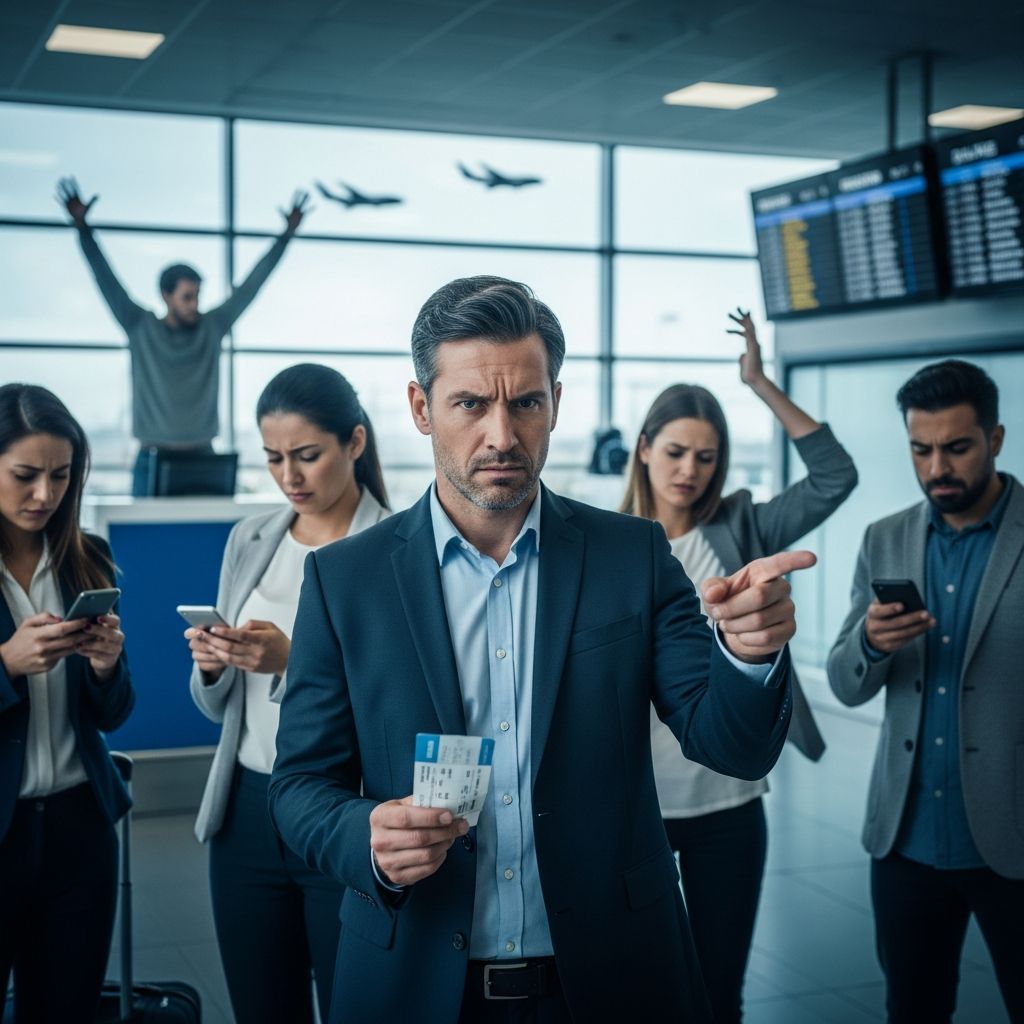
Air travel has become a cornerstone of modern life, connecting people across continents with unprecedented speed. Yet, beneath this convenience lies a deepening chasm of distrust between passengers and airlines. Recent global studies reveal that a significant majority of travelers harbor skepticism toward carriers, citing issues like flight disruptions, opaque compensation processes, and eroding loyalty perks. This article unpacks the root causes, backed by data from credible surveys and analyses, and offers practical guidance for flyers.
The Scale of Passenger Skepticism
Trust in airlines is alarmingly low, with over half of passengers in key markets expressing doubt about carriers’ commitment to fair practices. A comprehensive study by AirHelp, a prominent air passenger rights organization, found that 55% of US travelers do not believe airlines will handle compensation claims justly. Globally, the picture is equally grim: 81% of US passengers remain unaware of their legal entitlements when flights are disrupted, exacerbating feelings of vulnerability.
This distrust manifests in reluctance to pursue rightful claims. One in four global passengers has avoided filing for compensation, convinced airlines would dismiss their appeals. Among those who tried, 73% abandoned efforts after initial rejections, underscoring a perception of systemic bias against consumers. Such statistics paint a picture of an industry where passengers feel powerless, despite regulations mandating remedies for disruptions within airline control.
Core Pain Points Fueling Frustration
Passenger discontent boils down to a handful of persistent issues that dominate reviews and surveys. Flight irregularities top the list, comprising 36% of negative feedback on platforms like TripAdvisor—a sharp rise from 20% in 2019. Delays, cancellations, and missed connections disrupt plans and erode confidence in airline reliability.
- Flight Disruptions: These account for the lion’s share of complaints, with operational failures leaving travelers stranded.
- Baggage Mishaps: Lost, damaged, or delayed luggage follows closely, amplifying stress during journeys.
- Check-in and Boarding Chaos: Lengthy queues and inefficient processes at airports add unnecessary hurdles.
Together, these three categories capture nearly 70% of all adverse comments, signaling where airlines must prioritize reforms. The post-pandemic surge in travel demand, coupled with staffing shortages, has intensified these problems. Oxford Economics estimates a global loss of 2.3 million aviation jobs during the crisis, leaving carriers understaffed for the recovery.
Hidden Fees and the A La Carte Shift
Airlines’ pivot to unbundled pricing has further strained relations. What began as ancillary revenue streams—fees for bags, seats, and meals—has evolved into a complex web of charges that passengers view as predatory. This model, aggressively adopted by major US legacies like American, Delta, and United, prioritizes profits over experience, fostering resentment.
Surveys confirm the toll: 52% of Americans cite extra or hidden fees as a major concern, trailing only high ticket prices (63%) and staffing shortages (55%). Cramped seats (50%) and delays (50%) round out the top grievances. This fee proliferation, rolled out without regard for customer sentiment, has solidified anti-airline biases, where every glitch reinforces preconceptions.
Declining Loyalty and Service Standards
Once a beacon of value, airline loyalty programs now face backlash for devaluing points and imposing restrictive rules. Travelers report a widening gap between expectations and reality, with sentiment scores plummeting below pandemic lows. Check-in woes, exacerbated by labor gaps, contribute significantly; SITA research notes long waits as a top anxiety trigger for 17% of passengers.
Overbooking remains contentious, with 40% viewing it as problematic, alongside refund difficulties (41%). These systemic flaws compound during peak periods, turning routine trips into ordeals.
Your Rights: What the Law Entails
Despite the gloom, protections exist. Under regulations like EU261 (and equivalents in other regions), passengers qualify for up to $700 per person if flights arrive over three hours late, are canceled, or involve denied boarding—provided the issue stems from airline fault, not weather or security. US DOT rules echo this for domestic flights, mandating refunds for significant changes.
| Disruption Type | Compensation Range | Conditions |
|---|---|---|
| Delay >3 hours | $260–$700 | Airline-controlled cause |
| Cancellation | $260–$700 | No suitable rebooking |
| Denied Boarding | $260–$1,350 | Involuntary |
Claims must typically be filed within specified windows, often direct with the airline first. Persistence pays; third-party services like AirHelp can assist if initial bids fail.
Staffing Shortages: A Self-Inflicted Wound
Airlines bear much blame for current woes through pandemic-era decisions. Aggressive workforce cuts, anticipating prolonged downturns, left them scrambling as demand rebounded. This miscalculation has led to cascading failures: understaffed gates, delayed baggage handling, and protracted security lines.
Government data from the FAA highlights air-traffic-control shortages as a 55% concern, bottlenecking the system. Until carriers rebuild crews and streamline ops, trust rebuilding remains elusive.
Navigating Air Travel in an Era of Distrust
Empowered flyers can mitigate risks:
- Research rights pre-flight via DOT or EU sites.
- Book with carriers boasting strong on-time records.
- Opt for refundable fares or travel insurance.
- Document disruptions with photos and timestamps.
- Use apps for real-time tracking and claim filing.
Choosing low-cost carriers wisely—balancing fares against reliability—helps too. Direct flights minimize connection risks.
Industry Outlook: Paths to Recovery
Carriers ignoring feedback risk further alienation, especially as travel-tech startups erode loyalty program dominance. Investments in AI scheduling, staff training, and transparent pricing could reverse trends. Recent DOT enforcement signals regulatory pressure for accountability.
Passenger sentiment dipped further post-recovery, with a -33% expectation-reality gap. Airlines must act decisively to close it.
Frequently Asked Questions
What compensation am I owed for a delayed flight?
If delayed over three hours due to airline issues, expect $260–$700, varying by distance.
Why are airline fees so controversial?
They add unpredictability, with 52% of Americans flagging them as major issues amid profit-driven unbundling.
How can I avoid baggage problems?
Pack light, track via apps, and consider carry-ons; lost bags fuel 20%+ of complaints.
Are loyalty programs still worth it?
Declining value has spurred distrust, but elite perks persist for frequent flyers.
Who’s responsible for delays: airlines or airports?
Airlines for controllable factors; external like weather exempt them.
References
- Passengers Don’t Trust Airlines — Lonely Planet / AirHelp Study. 2023. https://www.lonelyplanet.com/articles/passengers-dont-trust-airlines
- In Case It’s Not Clear, People Really Hate Airlines — Cranky Flier. 2017-04-17. https://crankyflier.com/2017/04/17/in-case-its-not-clear-people-really-hate-airlines/
- Passenger Frustration with Airlines — TNMT / Oxford Economics, SITA. 2023. https://tnmt.com/passenger-frustration-with-airlines/
- Air Traffic Control Staffing Shortages Data — FAA / YouGov. 2024. https://yougov.com/en-us/articles/53681-casual-dress-among-passengers-is-at-the-bottom-of-americans-air-travel-concerns
- US DOT Passenger Rights Guidelines — US Department of Transportation. 2025-01-15. https://www.transportation.gov/airconsumer/fly-rights
Similar Articles








Read full bio of medha deb