Complete Guide to Planning Your Yellowstone Adventure
Master essential tips, logistics, and insider knowledge for visiting America's iconic park.
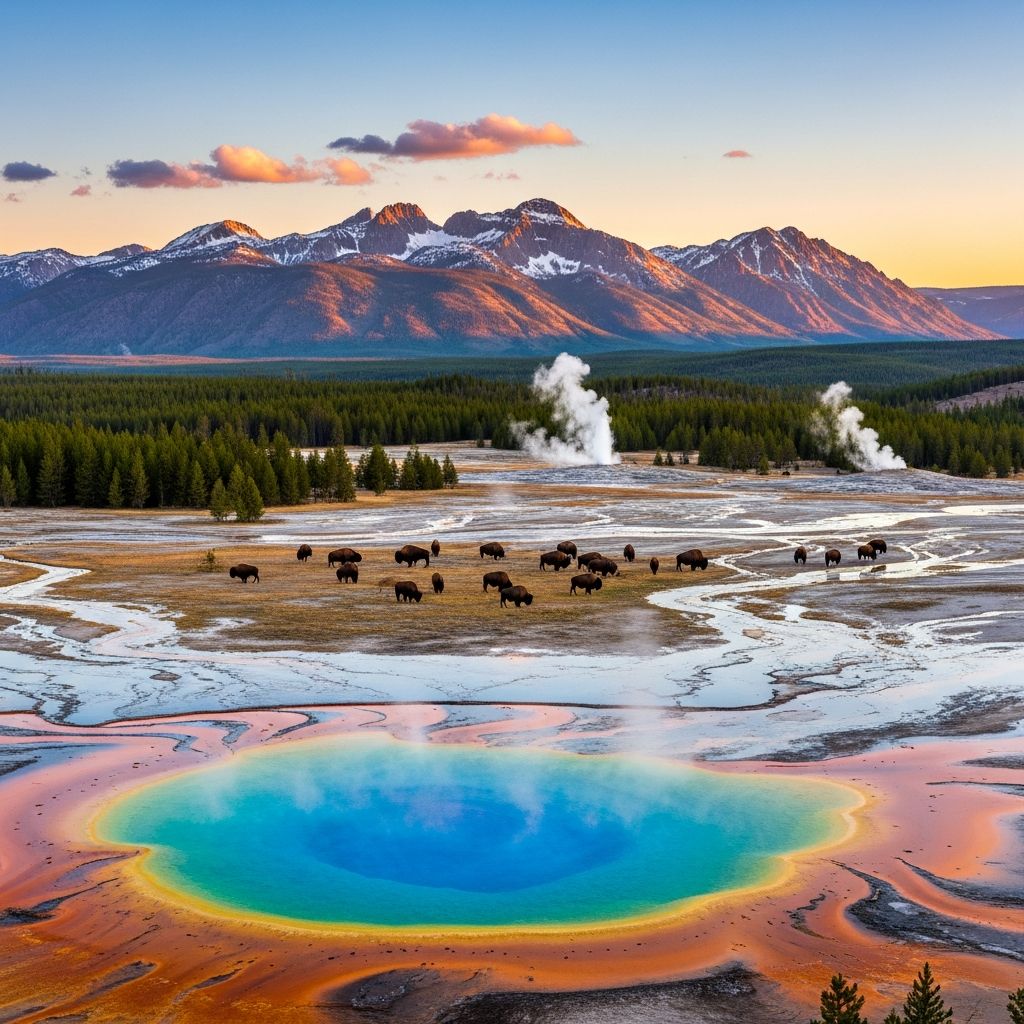
Yellowstone National Park stands as America’s oldest national park and one of the world’s most extraordinary natural destinations. Spanning more than 2.2 million acres across Wyoming, Montana, and Idaho, this vast wilderness encompasses over 10,000 hydrothermal features, 466 miles of scenic roads, and 92 trailheads that beckon explorers of all experience levels. Whether you’re witnessing the iconic eruptions of Old Faithful, marveling at the vibrant Grand Prismatic Spring, or spotting bison roaming freely across pristine meadows, Yellowstone offers an unparalleled combination of geological wonders and abundant wildlife. Planning a successful visit requires understanding the park’s unique characteristics, logistical considerations, and best practices for experiencing everything this remarkable destination has to offer.
Understanding Yellowstone’s Five Gateway Entrances
Accessing Yellowstone begins with choosing one of five strategically positioned entrances, each offering distinct advantages depending on your travel origin and intended activities. The North entrance near Mammoth Hot Springs provides year-round accessibility and connects to gateway communities. The Northeast entrance serves visitors approaching from more remote locations. The East entrance offers convenient access for those traveling from Cody, Wyoming. The South entrance proves ideal for visitors flying into Jackson Hole, Wyoming, and provides the quickest route to Old Faithful geyser. The West entrance near West Yellowstone serves as another primary access point.
Selecting your entry point strategically can significantly impact your park experience. If you’re combining Yellowstone with Grand Teton National Park, the South entrance creates an efficient route. The South and West entrances rank as the most popular options due to their proximity to major gateway towns and primary attractions. Consider the distances between entrances when planning your itinerary, as travel times can be substantial. Some entrances close seasonally during winter months, so verify current conditions before finalizing your route.
Mapping Your Route: The Grand Loop and Strategic Planning
Yellowstone’s famous Grand Loop Road creates a figure-eight pattern that encompasses all major attractions and serves as the primary route for most visitors. This comprehensive circuit connects Upper and Lower loops, allowing travelers to experience the park’s most significant thermal features, canyons, and wildlife viewing areas in a logical sequence.
The Lower Loop encompasses stops at Midway Geyser Basin (home to the magnificent Grand Prismatic Spring), Old Faithful and the Upper Geyser Basin, West Thumb Geyser Basin, Fishing Bridge, Hayden Valley (prime wildlife viewing territory), the Grand Canyon of the Yellowstone, and Norris Geyser Basin. The Upper Loop connects Norris Geyser Basin through Mammoth Hot Springs, Tower Fall, and Lamar Valley (known as the “Serengeti of North America” for its abundant wildlife). Combining both loops requires careful time management and strategic positioning of overnight stays.
Time-Based Itinerary Recommendations
- One Day Visit: Complete the Lower Loop, stopping at primary attractions including Midway, Old Faithful, West Thumb, Hayden Valley, and the Grand Canyon. This compressed schedule provides an excellent overview of Yellowstone’s diversity.
- Weekend Getaway: Dedicate the first day to the Lower Loop and the second day to the Upper Loop, incorporating early morning or sunset visits to Lamar Valley for superior wildlife viewing opportunities.
- One Week Exploration: Combine both loops while incorporating selected hikes, ranger programs, and extended time at preferred locations. This duration allows genuine immersion into the park’s geological and ecological systems.
Seasonal Considerations and Weather Preparation
Yellowstone’s dramatic seasonal variations significantly impact accessibility, crowd levels, and the types of experiences available to visitors. Summer months (June through August) bring peak visitation, fully operational services, and warm daytime temperatures ideal for extensive hiking and exploration. However, peak season crowds concentrate around major attractions between 10 a.m. and 4 p.m. Arriving before 7 a.m. or after noon substantially reduces congestion and enhances the experience.
Shoulder seasons (May and September-October) offer moderate temperatures, fewer crowds, and special wildlife viewing opportunities as animals become more active during cooler periods. Winter transforms Yellowstone into a dramatic snow-covered landscape accessible primarily through specialized snowmobile and snowcoach tours. Many park roads close to regular vehicles, but winter visitation offers unique perspectives and solitude unavailable during other seasons.
Spring and early summer can present challenging weather conditions with unpredictable temperature fluctuations and afternoon thunderstorms. Pack layered clothing regardless of season, as Yellowstone’s high elevation means weather can shift dramatically throughout any given day.
Practical Logistics: Fees, Transportation, and Connectivity
Park Entrance Fees and Pass Options
Standard vehicle entrance fees cost $35 per vehicle for a seven-day pass, with annual passes available for $70. The America the Beautiful Pass, priced at $80 annually, provides access to all U.S. national parks and proves economical for visitors planning multiple park visits. This annual option effectively pays for itself after visiting just three parks within a year.
Once inside the park, fuel, dining, and lodging services operate at various locations, though prices reflect remote location premiums. Plan fuel stops strategically, as distances between service stations can be substantial. Advance reservations for lodging prove essential during peak season months.
Cell Service and Navigation
Cellular service within Yellowstone remains practically non-existent across most of the park. Download detailed offline maps before entering, or obtain paper maps from ranger stations at park entrances. This preparation prevents navigation difficulties and ensures safety for visitors exploring remote areas.
Wildlife Viewing and Geyser Prediction
Notable geyser eruption prediction times should be reviewed before planning your day. Old Faithful erupts with remarkable regularity, allowing visitors to schedule viewing around this iconic feature. The Upper Geyser Basin contains the world’s highest concentration of geysers, with numerous boardwalks and paths providing safe observation platforms.
Wildlife Encounters and Safety Protocols
Yellowstone hosts abundant free-roaming wildlife including bison, elk, bears, wolves, eagles, and numerous bird species. This concentration of megafauna creates exceptional viewing opportunities and requires strict adherence to safety guidelines.
Critical Wildlife Safety Rules
- Never feed any animals, including seemingly harmless birds and squirrels. Human-provided food disrupts natural behaviors and creates dangerous habituation.
- Maintain a minimum distance of 25 yards from most wildlife and 100 yards from bears and wolves.
- Never run from bears; their predatory instinct triggers pursuit. Remain calm and back away slowly while facing the animal.
- Avoid sudden movements or loud noises that might startle wildlife.
- Never approach young animals, regardless of apparent docility; protective mothers pose serious danger.
The “Serengeti of North America” designation for Lamar Valley reflects its extraordinary concentration of wildlife. Early morning visits to this region during the “Wake Up to Wildlife” tours led by knowledgeable guides maximize sighting opportunities when animals are most active.
Geothermal Features: Wonder and Caution
Yellowstone’s hydrothermal systems create otherworldly landscapes of colorful springs, mud pots, and dramatic geysers. The Grand Prismatic Spring, America’s largest hot spring, displays brilliant blues, greens, and oranges created by heat-loving microorganisms. The Upper Geyser Basin encompasses trails past numerous geysers including the Beehive Geyser and Castle Geyser, with elevated boardwalks providing safe viewing.
Essential Hydrothermal Safety Guidelines
- Never wander off designated boardwalks and trails. Water in geysers and hot springs can reach temperatures exceeding 200°F, causing severe burns.
- Keep hands and feet away from all geothermal features.
- Do not collect samples or disturb geological formations.
- Photography should occur from designated viewpoints only.
- Recognize that colorful areas often indicate higher temperatures, not cooler zones.
Maximizing Your Yellowstone Experience
Hiking and Backcountry Exploration
The park’s 92 trailheads lead into diverse landscapes ranging from gentle nature walks to challenging backcountry routes. Popular options include the Elephant Back Mountain Trail, which winds through valleys and forests offering panoramic views, and trails through the Upper Geyser Basin providing intimate encounters with thermal features. Hiking permits aren’t required for day hikes but are essential for backcountry camping.
Alternative Activity Options
Beyond traditional hiking and wildlife viewing, Yellowstone offers diverse experiences accommodating various preferences and physical abilities. Scenic boat cruises on Yellowstone Lake, featuring the MV Lake Queen II, provide water-based perspectives of shoreline geology and historical insights. Bridge Bay Marina offers motorboat rentals and guided fishing charters for extended lake exploration. Bicycle rentals available at Old Faithful enable pedaling to Lone Star Geyser along flat, accessible routes. Winter visitors can experience guided snowmobile tours or pursue cross-country skiing through snow-covered landscapes.
Guided Tours and Ranger Programs
Ranger-led programs focusing on geology, history, and ecology provide educational depth unavailable through self-guided exploration. Evening ranger programs at various park locations enhance understanding of Yellowstone’s complex natural systems. Stagecoach Adventure tours recreate historical transportation methods while traversing scenic Pleasant Valley. For those seeking specialized expertise, wildlife safari companies like Jackson Hole Eco Tours and Jackson Hole Wildlife Safaris bring extensive regional knowledge to wildlife viewing expeditions.
Gateway Communities and Extended Adventures
Yellowstone’s gateway towns—Jackson, Cody, and West Yellowstone—offer complementary attractions and adventure opportunities extending beyond park boundaries. Jackson Hole combines mountain scenery with outdoor recreation including “Paddle and Saddle” excursions combining horseback riding and river rafting. Hot spring-fed pools at Yellowstone Hot Springs and Chico Hot Springs provide relaxation options. West Yellowstone offers chuckwagon dinner experiences, ATV tours, and scenic tram rides at nearby Big Sky resort. Guided fly fishing trips operate throughout the region, appealing to anglers of all skill levels.
Recommended Packing and Preparation
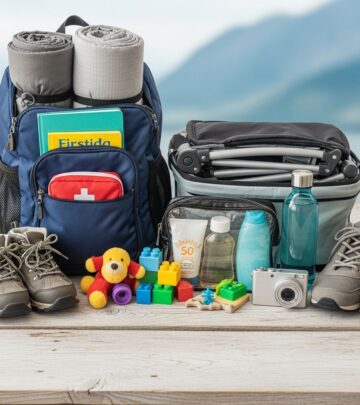
Successful Yellowstone visits require thoughtful preparation addressing the park’s unique challenges. Essential items include layered clothing for temperature variability, sturdy hiking boots suitable for geothermal basin terrain, high-SPF sunscreen (UV exposure intensifies at elevation), insect repellent, and a reusable water bottle. Binoculars enhance wildlife viewing, while a telephoto lens enables distant photography of animals. First-aid supplies, sun protection, and medications become critical in remote areas lacking medical facilities.
Mental preparation proves equally important. Expect crowds during peak season, substantial driving distances, and potentially limited service reliability. Flexibility enhances enjoyment when weather or wildlife presence disrupts planned itineraries.
Frequently Asked Questions
- What is the best time to visit Yellowstone?
- Peak season (June-August) offers fully operational services and warm weather but attracts large crowds. Shoulder seasons (May and September-October) provide ideal conditions combining manageable crowds with accessible weather. Winter offers solitude and unique snow-covered landscapes but requires specialized transportation.
- Can I visit Yellowstone in one day?
- Yes, though compressed. Complete the Lower Loop, prioritizing Old Faithful, Midway Geyser Basin, and the Grand Canyon of the Yellowstone for representative park experiences.
- Is backcountry camping available?
- Yes, permits are required and reservations should be secured well in advance, particularly for popular locations.
- How far apart are the entrances?
- Distances between entrances range significantly; check current road conditions and distances before planning your route, as some entrances close seasonally.
- Are guided tours worthwhile?
- Absolutely, particularly for first-time visitors. Expert guides enhance understanding of geological features and substantially improve wildlife viewing success.
Final Preparation Checklist
- Download offline maps or plan to purchase paper maps at entrances
- Review current road conditions and entrance accessibility
- Make advance reservations for lodging and dining
- Check geyser eruption prediction times for your visit dates
- Verify that your vehicle is in good condition for extensive driving
- Prepare appropriate clothing for dramatic weather fluctuations
- Plan entrance times strategically to avoid peak crowds
- Consider booking guided tours for wildlife or geological education
- Research safety guidelines and wildlife distances thoroughly
- Verify cell service limitations and arrange offline navigation
Yellowstone National Park rewards thorough preparation with unforgettable experiences connecting visitors to some of Earth’s most dramatic geological forces and abundant wildlife. Whether witnessing geyser eruptions, photographing bison herds against mountain backdrops, or hiking through thermal basins, this exceptional destination embodies natural wonder worthy of its distinction as America’s first national park.
References
- The BEST 2026 Yellowstone National Park Travel Guide — At Home on Hudson. 2026. https://athomeonhudson.com/yellowstone-national-park-travel-guide/
- Ultimate Yellowstone National Park guide for first timers — Kor Adventure Co. 2026. https://koradventuresco.com/yellowstone-national-park-guide/
- A First Timer’s Guide to Visiting Yellowstone — Yellowstone National Park Lodges. 2026. https://www.yellowstonenationalparklodges.com/connect/yellowstone-hot-spot/infographic-what-to-do-in-yellowstone/
- Your Guide to Yellowstone National Park in Wyoming — Travel Wyoming. 2026. https://travelwyoming.com/places-to-go/destinations/national-parks-monuments/yellowstone-national-park/
- A Local’s Guide to Yellowstone National Park — Samantha Brown Travel. 2026. https://samantha-brown.com/destinations/locals-guide-to-yellowstone/
- Plan Your Visit – Yellowstone National Park — U.S. National Park Service. 2026. https://www.nps.gov/yell/planyourvisit/index.htm
Similar Articles






Read full bio of Sneha Tete