Zombie Tourism: Experiencing the Undead Around the Globe
Explore thrilling destinations where zombie culture comes alive
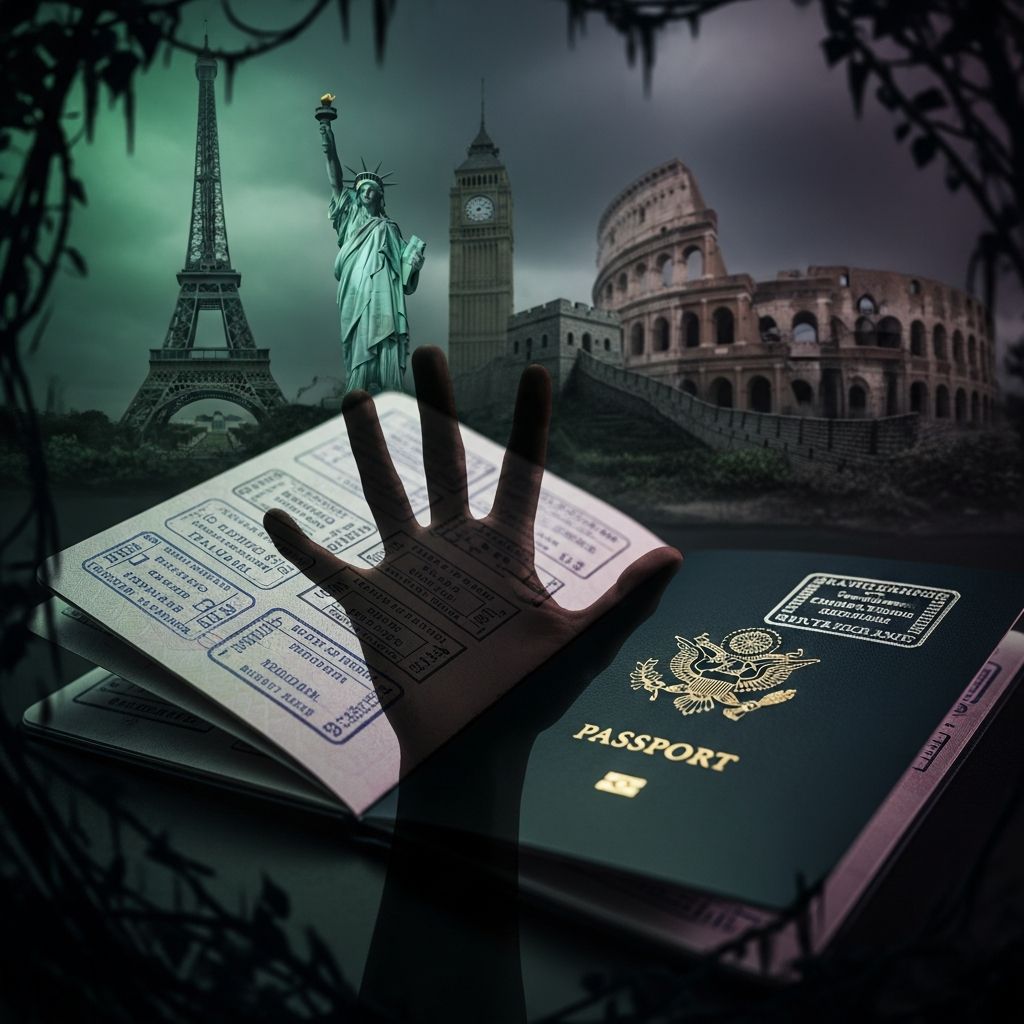
The fascination with zombies has transcended popular culture, spawning a unique travel niche where adventurous tourists seek out locations offering immersive undead experiences. Whether driven by curiosity about survival scenarios, interest in historical fortifications, or simply the thrill of macabre entertainment, zombie tourism has become an increasingly popular way for travelers to explore the world with a creative twist.
The Rise of Undead-Themed Travel Experiences
Zombie tourism represents a convergence of multiple travel interests: adventure travel, dark tourism, historical exploration, and entertainment-based vacations. Travelers are no longer satisfied with conventional sightseeing; instead, they seek destinations that offer both aesthetic appeal and thematic engagement. The undead tourism industry has responded by developing experiences that blend real locations with fictional scenarios, allowing visitors to imagine themselves in post-apocalyptic survival situations while enjoying the safety and comfort of modern travel infrastructure.
This phenomenon has grown alongside the success of zombie-themed entertainment franchises, television series, and films that have captured global imagination. The popularity of these media properties has created a demand for tangible experiences where fans can engage with zombie culture in meaningful ways beyond passive consumption.
Elevated Island Sanctuaries: Isolation as Protection
Island locations offer natural advantages for zombie tourism experiences, combining genuine isolation with dramatic scenery. These destinations capitalize on the geographical separation that would theoretically provide protection against undead invasion in fictional apocalypse scenarios.
Skellig Michael, Ireland stands as one of the most compelling island destinations for zombie-themed tourism. Located seven miles off Ireland’s west coast, this uninhabited island features only three landing areas, creating natural chokepoints that enthusiasts find strategically valuable. The island provides authentic accommodation through ancient ruins while offering modern amenities and guided experiences. The combination of authentic historical atmosphere with themed adventure activities makes this destination particularly attractive to visitors interested in both archaeological exploration and survival adventure scenarios.
The island’s remote location, combined with its rich monastic history, creates a uniquely atmospheric setting. Visitors experience the genuine isolation that contributes to the immersive quality of zombie-themed experiences, while professional guides ensure safety and historical accuracy throughout visits.
Fortress Architecture: Historical Structures as Survival Bases
Certain historical fortifications have become prime destinations for zombie tourism due to their inherent defensive characteristics. These locations possess genuine architectural features that enthusiasts find strategically relevant to survival scenarios, while offering rich historical context and educational opportunities.
Mont Saint-Michel, France represents perhaps the most iconic fortress destination for this emerging tourism segment. This UNESCO World Heritage Site, built on a tidal island, successfully resisted invasion during the Hundred Years’ War and features architectural elements that appeal to survival strategists. The five-sided tower design provides comprehensive defensive coverage, while the island’s tidal nature creates a natural moat mechanism. The fortress’s proven defensive capabilities against historical military attacks form the basis for its appeal to zombie tourism enthusiasts, who find these same features theoretically valuable against fictional undead threats.
Visitors to Mont Saint-Michel can explore its medieval structures while imaginatively applying historical defensive concepts to modern survival scenarios. The location’s natural beauty, combined with its authentic military heritage, creates a compelling tourism experience that transcends simple entertainment.
Elevated Platforms: Height Advantage Destinations
Vertical separation from ground level features prominently in zombie-themed tourism appeal, as elevation provides strategic advantages in survival scenarios. Destinations built high above ground level attract visitors interested in this particular survival aspect.
Xuankong Temple, China, built into a vertical cliff face, exemplifies this category of destination. Located more than 200 feet above ground, this ancient structure combines authentic religious significance with impressive engineering. The temple’s literal hanging position provides the height advantage that appeals to zombie tourism enthusiasts while maintaining its genuine historical and cultural importance. Visitors experience authentic Chinese architectural heritage while engaging with survival-themed imaginative scenarios.
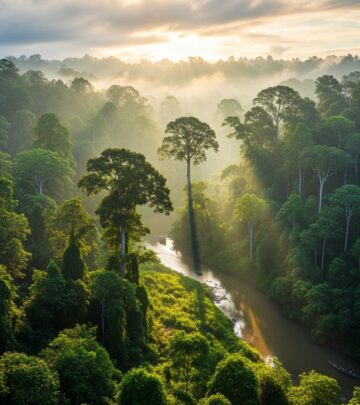
Ariau Towers in Brazil offers a different elevation-based experience, positioning guests 30 to 60 feet above ground in the heart of the Amazon rainforest, 35 miles from major population centers. This remote location combines genuine wilderness isolation with elevated accommodation, creating an authentic immersive experience that appeals to adventure travelers seeking both authentic nature exposure and thematic engagement.
Underground Sanctuaries: Subterranean Survival Experiences
Beneath-ground locations offer a fundamentally different approach to zombie tourism, utilizing actual protective infrastructure originally designed for different purposes.
The Kelvedon Hatch bunker in England represents a fascinating conversion of Cold War military infrastructure into tourism and entertainment venues. Originally constructed to withstand nuclear warfare, this facility can accommodate up to 600 people and offers visitors the opportunity to explore authentic historical bunker systems. The structure’s genuine military design, combined with its proven durability against theoretical catastrophic events, appeals to visitors interested in comprehensively protective environments. Modern tours combine historical education with survival-themed experiences, allowing visitors to explore real military architecture while engaging with zombie-themed entertainment.
Jules Undersea Lodge in Key Largo, Florida takes the concept of complete isolation further, positioning guests 21 feet underwater. While originally designed as a unique luxury accommodation, this completely sealed environment appeals to zombie tourism enthusiasts through its absolute separation from ground-level undead threats. The lodge combines genuine luxury amenities with the unique psychological experience of being completely sealed from external environmental threats.
Urban Preparation: City-Based Survival Scenarios
While conventional wisdom suggests avoiding urban centers during apocalyptic scenarios, certain cities possess characteristics that appeal to zombie tourism experiences and survival enthusiasts.
Several major metropolitan areas have been analyzed for theoretical survival advantages based on multiple factors including population distribution, supply access, and escape routes. Houston, Texas emerges as a particularly appealing destination for zombie-themed tourism due to its combination of accessibility, supply availability, and survival infrastructure. The city’s size, infrastructure, and resource availability make it attractive to visitors interested in exploring urban survival scenarios within a real metropolitan context.
Urban destinations offer distinct advantages including established tourism infrastructure, diverse accommodation options, and entertainment venues that can accommodate zombie-themed programming and experiences. Cities like New York and Los Angeles provide extensive survival supply access and multiple escape route options, factors that appeal to both practical survival enthusiasts and entertainment-focused tourists.
Natural Terrain Advantages: Mountain and Rural Locations
Geographic elevation and remote wilderness areas attract tourists interested in natural protective advantages offered by terrain.
Glacier National Park in Montana has been identified through academic research as offering exceptional protective advantages due to its remote northern location in the Rocky Mountains. The park’s geographic isolation would theoretically slow the arrival of undead threats while offering numerous hiding locations and natural defensive advantages. The park’s historic chalets provide accommodation that combines authentic wilderness experience with survival scenario engagement.
Great Falls, Montana appeals to a different segment of survival enthusiasts, with the region’s high civilian firearm ownership rates providing both practical supply access and a community-oriented approach to survival preparation. The location combines rural isolation with resource availability, attracting visitors interested in community-based survival scenarios.
Heritage Hostel Destinations: Budget-Friendly Zombie Tourism
Boutique hostel accommodations have begun catering to zombie tourism enthusiasts, converting historic structures into themed lodging experiences.
Medieval castles converted into hostel accommodations offer authentic historical environments at budget-friendly rates. These establishments combine genuine architectural heritage with entertainment-focused theming, allowing budget-conscious travelers to experience elevated fortress environments while engaging with zombie-themed experiences. Such accommodations typically charge modest rates while providing access to historically significant structures with verified defensive characteristics.
Thematic Activities and Experiences at Zombie Destinations
Beyond simply visiting locations, zombie tourism destinations now offer structured experiences and activities that deepen visitor engagement:
- Guided survival scenario tours that combine location exploration with fictional survival training
- Historical-thematic blended experiences that integrate real architectural and historical information with survival concepts
- Photography and content creation opportunities specifically designed for social media engagement
- Immersive group experiences where teams navigate locations using survival-themed frameworks
- Educational components explaining both genuine history and theoretical survival applications
- Accommodation packages combining overnight stays with thematic activities
Planning Your Zombie Tourism Adventure
Best Travel Seasons
Island and coastal destinations perform optimally during shoulder seasons when weather remains favorable but crowds decrease. Mountain locations require careful seasonal planning to ensure accessibility and safety. Urban destinations accommodate year-round visits with consistent infrastructure availability.
Accessibility Considerations
Elevated and remote locations may present physical challenges requiring reasonable fitness levels. Island destinations depend on weather-dependent ferry services. Urban centers provide maximum accessibility for visitors with mobility considerations.
Budget Planning
Zombie tourism experiences range significantly in cost, from budget hostel stays at themed accommodations to premium experiences at remote locations requiring specialized transportation. European fortress destinations typically offer moderate costs with established tourism infrastructure, while remote wilderness and island locations command premium pricing for unique access.
The Psychology Behind Zombie Tourism
Zombie tourism appeals to travelers through multiple psychological dimensions. The survivalist element attracts individuals interested in practical preparedness and strategic thinking. The entertainment aspect satisfies fans of zombie media franchises seeking tangible engagement. The historical dimension appeals to heritage tourism enthusiasts interested in genuine fortifications and architectural significance. This convergence of motivations creates a robust tourism segment that continues expanding as more destinations recognize the opportunity.
Frequently Asked Questions
Is zombie tourism actually based on real survival science?
Zombie tourism combines fictional entertainment scenarios with genuine historical and geographical knowledge. While the undead themselves exist only in fiction, the defensive characteristics and isolation advantages of recommended locations are based on authentic architectural and strategic principles verified through military history.
Can families with children participate in zombie tourism?
Many zombie tourism destinations operate family-friendly versions emphasizing history and adventure rather than horror elements. Parents should review specific location programming to ensure age-appropriateness for their children’s interests and comfort levels.
What’s the best starting destination for zombie tourism novices?
Mont Saint-Michel offers an excellent entry point, combining world-renowned historical significance with established tourism infrastructure and moderate thematic elements. Its accessibility and proven appeal to diverse visitor interests make it ideal for those new to this tourism segment.
Do zombie tourism destinations require special preparation or training?
Most mainstream destinations require no specialized preparation beyond standard travel precautions. Some adventure-focused locations may suggest reasonable fitness levels or specific gear, but professional guides ensure visitor safety throughout experiences.
How has COVID-19 affected zombie tourism destinations?
Most destinations have successfully adapted to operating with enhanced safety protocols, capacity management, and outdoor-focused activities. Island and remote locations have experienced particularly strong recovery as travelers prioritize isolated, less-crowded environments.
Future of Zombie Tourism
As the zombie entertainment industry continues evolving, tourism destinations increasingly develop sophisticated themed experiences. Virtual reality integration, advanced special effects, and professional entertainment production will likely enhance immersive qualities while maintaining authentic historical and geographical components. The segment will likely continue expanding as more destinations recognize tourism opportunities within this growing market segment.
Zombie tourism represents a fascinating convergence of entertainment, history, geography, and adventure travel. Whether visitors seek genuine survival education, entertainment immersion, historical exploration, or simply unique travel experiences, the expanding global network of zombie-themed destinations offers compelling reasons to explore the world through this distinctive lens.
References
- 2023’s Best Cities for Surviving a Zombie Apocalypse — Lawn Love. 2023-09-08. https://lawnlove.com/blog/best-cities-zombie-preparedness/
- 7 Places to Survive a Walking Dead-style Zombie Apocalypse — SmarterTravel. https://www.smartertravel.com/7-places-to-survive-a-walking-dead-style-zombie-apocalypse/
- The Safest Places to Hide During an Undead Apocalypse — YouTube. https://www.youtube.com/watch?v=4r08wJs9kHY
- 8 Places to Travel in case of a Zombie Apocalypse — Johnny Jet. https://johnnyjet.com/8-places-to-travel-in-case-of-a-zombie-apocalypse/
Similar Articles




Read full bio of Sneha Tete